


Lobster often appears on menus as a luxurious treat. Many people wonder if this delicious shellfish offers real health benefits or if it is just an indulgence. This blog explores lobster nutrition, its health advantages, and important consumption considerations. A common misconception is that lobster’s cholesterol content is a health concern. However, studies indicate that cholesterol from food sources does not appear to increase the risk of heart disease for most individuals. When prepared correctly, lobster can be a nutritious addition to a balanced diet.
Key Takeaways
Lobster is a good source of protein. It has few calories and little fat.
Lobster has important vitamins and minerals. These include vitamin B12, selenium, and copper.
Eating lobster can help your heart and brain. It also helps with weight and strong bones.
Cook lobster by steaming or boiling. This keeps it healthy.
Some people are allergic to shellfish. Lobster also has some sodium and mercury.
Understanding Lobster Nutrition Profile
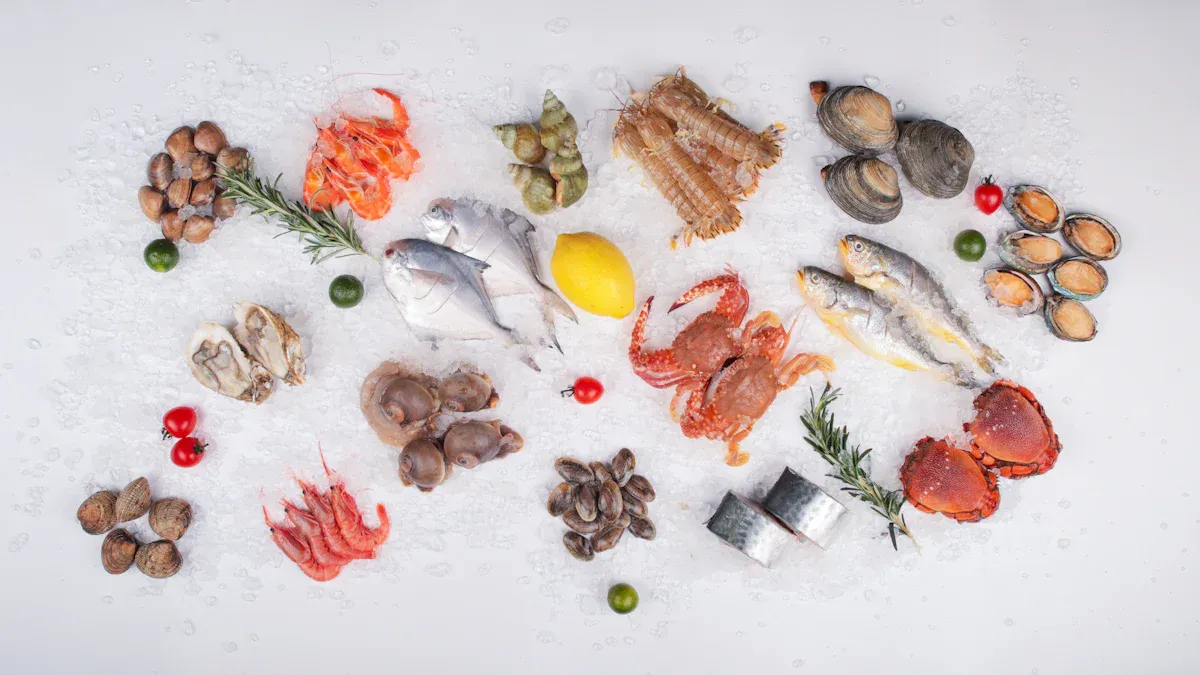
This section details the nutritional breakdown of lobster. It explores the macronutrients and calories that make up this popular shellfish. Understanding lobster nutrition helps consumers make informed dietary choices.
Calories and Macronutrients
Lobster is a low calorie food. It offers a good amount of nutrients without many calories. For example, 86 grams (about 3 ounces) of cooked Maine lobster contains 80 calories. A 100-gram serving of boiled or steamed lobster has approximately 98 calories. This makes lobster a healthy option for many diets.
Here is a general macronutrient breakdown for 100 grams of lobster:
Nutrient | Amount Per 100g |
|---|---|
Total Fat | 0.86g |
Protein | 19g |
Carbohydrate | 0g |
This table shows that lobster has very little fat and no carbohydrates. It is primarily a source of protein.
Protein Content
Lobster is an excellent main source of protein. It is a lean protein source. A 100-gram serving of cooked lobster provides about 19 to 21 grams of protein. This high protein content helps build and repair body tissues. It also keeps you feeling full.
Lobster is a protein-rich food. It compares well with other seafood options.
Seafood Type | Protein Content (g per 100g serving) |
|---|---|
Crab Meat | 19.35 |
Lobster | 19 |
Seafood Type | Protein Content (g per 100g serving) |
|---|---|
Shrimp | 22.78 |
Lobster | 19 |
Many types of seafood offer high protein. Lobster stands out as a good choice.
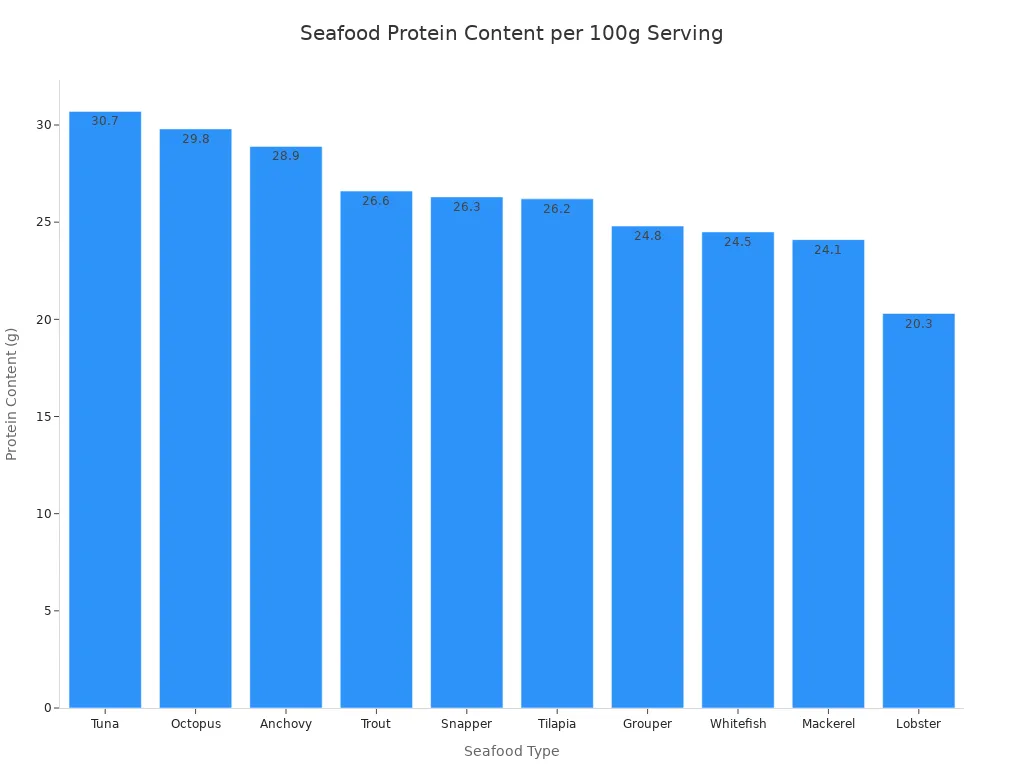
This chart shows lobster’s protein content compared to other popular seafood. It confirms lobster is a valuable source of protein.
Fat and Omega-3s
Lobster is naturally low in total fat. A 100-gram serving contains less than 1 gram of fat. Despite its low-fat content, lobster provides beneficial omega-3 fatty acids. These fats are important for health.
Here is the omega-3 content per 3-ounce serving of lobster:
Omega-3 Type | Content (mg/3oz serving) |
|---|---|
ALA | 37 |
EPA | 87 |
DHA | 58 |
These omega-3 fatty acids contribute to overall wellness. They are healthy fats.
Carbohydrates
Lobster contains no carbohydrates. Both raw and cooked lobster have 0 grams of net carbohydrates and 0 grams of total carbohydrates per 100 grams. This makes lobster an excellent food choice for low-carb diets. It also means lobster does not affect blood sugar levels.
Lobster: A Protein-Rich Choice of Vitamins and Minerals
Lobster offers more than just protein; it provides a high nutritional value through its rich array of essential vitamins and minerals. This makes lobster a valuable addition to a balanced diet.
Vitamin B12
Lobster is an excellent source of vitamin B12. This crucial vitamin helps form red blood cells. It is also essential for DNA synthesis. Furthermore, vitamin B12 plays a key role in the function and development of brain and nerve cells. Consuming lobster helps the body maintain these vital processes.
Selenium
This shellfish is a significant source of selenium. Selenium acts as a powerful antioxidant. It helps prevent cell damage from free radicals. This mineral also supports the healthy functioning of the body. It aids metabolism, the immune system, and thyroid function. A 100-gram serving of lobster provides a high percentage of the daily value for selenium. Lobster is a great source of copper and selenium.
Copper
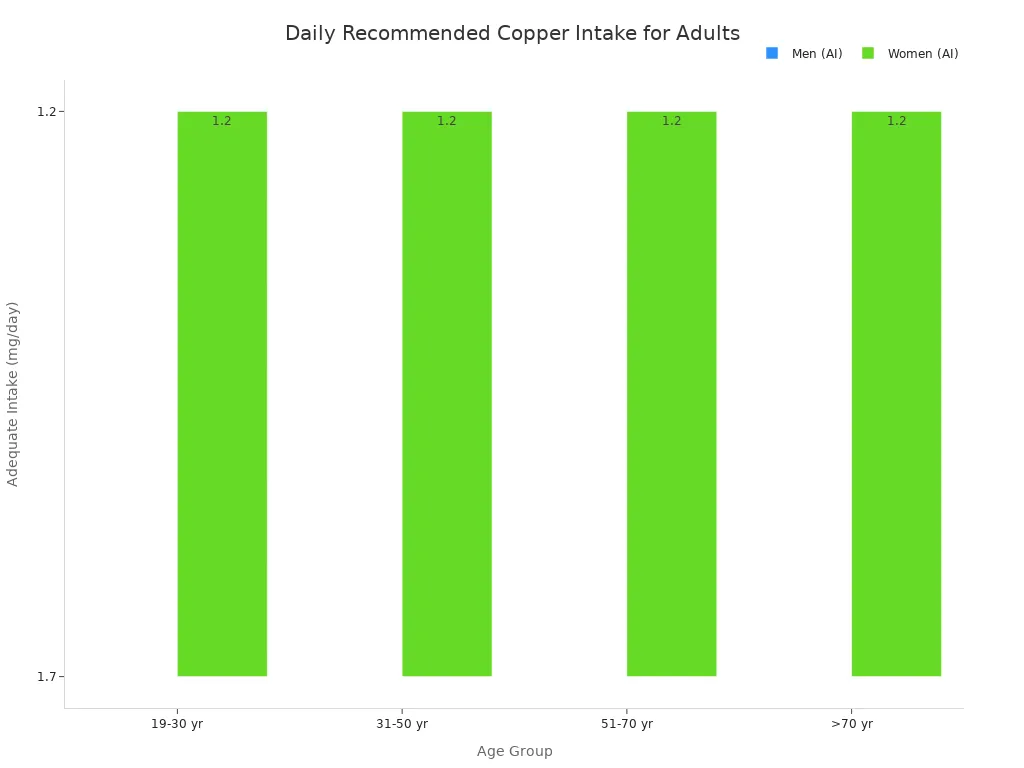
Lobster is also a remarkable source of copper. A 100-gram serving of lobster can provide 172% of the daily value for copper. This makes lobster an exceptional source of copper and selenium. Copper is vital for many bodily functions. The recommended daily intake for adults varies by age and gender.
Age Group | Men (AI) | Women (AI) |
|---|---|---|
19-30 yr | 1.7 mg/day | 1.2 mg/day |
31-50 yr | 1.7 mg/day | 1.2 mg/day |
51-70 yr | 1.7 mg/day | 1.2 mg/day |
>70 yr | 1.7 mg/day | 1.2 mg/day |
Zinc
Lobster contains zinc, another important mineral. Zinc is essential for the activity of over 300 enzymes. These enzymes are involved in metabolism, digestion, and nerve function. Zinc is critical for the development and function of immune cells. It also supports skin health, DNA synthesis, and protein production. Body growth and development rely on zinc.
Other Micronutrients
Beyond these key minerals, lobster provides other important micronutrients. These include phosphorus, magnesium, and choline. It also offers vitamin B3 (niacin), vitamin B6 (pyridoxine), and vitamin B7 (biotin). These nutrients further contribute to the high nutritional value of lobster.
Health Benefits of Lobster
Lobster offers many health benefits. Its rich nutritional profile contributes to overall well-being.
Heart Health
Lobster offers significant health benefits for the cardiovascular system. It contains omega-3 fatty acids, which are crucial for maintaining a healthy heart. These essential fats help prevent heart disease and maintain a steady heart rhythm. They also lower blood pressure and improve blood vessel function. Studies show that consuming shellfish like lobster can reduce the risk of obesity, diabetes, and cardiovascular disease. It also promotes healthy cholesterol levels. Omega-3 fatty acids are known to reduce cholesterol and decrease the risk of stroke and heart disease. Lobster tails contribute to a heart-healthy diet because they contain EPA and DHA. These support the heart by reducing blood pressure and controlling inflammation. This shellfish is also low in saturated fat. This makes it a heart-healthy choice that helps maintain healthy blood cholesterol levels. It reduces the risk of heart disease by potentially lowering “bad” LDL cholesterol. The low saturated fat content makes it a better choice than many other high-cholesterol foods. Omega-3 fatty acids in this seafood reduce inflammation, improve “good” HDL cholesterol levels, and potentially lower triglycerides. This makes it a heart-healthy option when consumed in moderation.
Brain Function
Lobster also provides benefits for brain function. DHA, a type of fat found in seafood, aids in cognitive function. It boosts memory and overall brain functioning. Its tails are high in EPA and DHA, which are crucial for cognitive functions. The iodine content in lobster is necessary for proper thyroid function. This regulates various bodily processes, including metabolism and hormone balance, indirectly supporting cognitive function. This shellfish contains selenium, an antioxidant that may support mental health and cognitive function. Vitamin B12 contributes to cognitive health and proper nervous system function. Shellfish and crustaceans, including lobster, are good sources of vitamin B12. This vitamin is involved in preventing memory loss. Vitamin B12 directly links with maintaining nerve integrity and the nervous system. This seafood is a good source of choline, a water-soluble nutrient that can increase the production of neurotransmitters. This food’s nutrients are linked to reduced aggression, impulsivity, and depression in adults. Selenium deficiency in children has been associated with ADHD. This suggests adequate selenium intake can lower this risk. These benefits highlight its role in supporting a healthy brain.
Weight Management
Lobster can be an excellent food for weight management, offering several benefits. It is rich in protein but low in calorie content. This makes it a good food for healthy weight. Protein promotes satiety, reducing overall calorie intake and mid-meal snacking. A 3.5-ounce portion of its flesh contains only about 90-100 calories. This is great for staying within required calorie limits while enjoying a meal. This seafood is packed with 19 grams of protein per serving. This is important for muscle growth and maintenance. It also helps with feeling full and satisfied, making it easier to stick to a healthy diet. This shellfish has very little fat, especially saturated fat (only 1 gram per serving). This makes it a heart-healthy choice and beneficial for reducing bad cholesterol levels. Lobster tails are an excellent source of lean protein, with a serving typically containing about 27 grams. This is vital for a well-balanced diet and muscle building. An average-sized lobster tail contains approximately 130 calories. This fits well into a calorie-conscious eating plan. This food offers a powerful package with almost no carbohydrates, no fiber, and no sugar. This positions it as an ideal constituent of a healthy diet due to its high protein, low fat, and virtually no carbs. These benefits make it a smart choice for those managing their weight.
Bone Health
Lobster also contributes to strong bone health, providing important benefits. Its minerals are primarily composed of calcium, accounting for 87% of the mineral content. Other minerals present include magnesium (6%), phosphorus (4%), and sodium (2%). Calcium is explicitly recognized for its vital functions in bone health. Studies have shown that its minerals significantly affect the growth and proliferation of human osteoblast-like bone cells (MG-63). These findings suggest that consuming this seafood can support bone density and strength.
Immune Support
Lobster plays a role in boosting the immune system, offering numerous benefits. It is loaded with an essential nutrient, selenium. Selenium has shown to have serious antioxidant power. This antioxidant helps lower oxidative stress, reduce inflammation, and enhance immunity. It plays a role in mitigating viral mutation. All seafood contains selenium. This shellfish is also loaded with vitamins and minerals, particularly vitamins B3, B6, and B12. These B vitamins help maintain proper immune system function. They regulate inflammation and promote the development of red and white blood cells to fight disease. This food also contains zinc. Zinc is a natural immune booster. It is essential for the immune system to function correctly. Zinc helps fight off invading bacteria and viruses. Shellfish are good sources of zinc. Its nutrients also reduce asthma and allergy symptoms. These combined nutrients support a robust immune system.
Potential Risks and Considerations
While lobster offers many health benefits, people should consider some potential risks. Understanding these concerns helps consumers make informed choices.
Shellfish Allergies
Shellfish allergies are a significant concern for some individuals. Approximately 2.3% of the general population reports a shellfish allergy. These allergies can cause severe and life-threatening reactions, such as anaphylaxis. Even small amounts of shellfish can trigger a reaction. Common symptoms include hives, itching, and swelling of the tongue, lips, or face. People may also experience nasal congestion, red or watery eyes, and stomach issues like pain, nausea, vomiting, or diarrhea. More severe reactions involve wheezing, coughing, shortness of breath, and difficulty breathing. Dizziness, a weak pulse, or fainting can also occur.
Mercury Levels
Lobster generally contains lower mercury levels compared to larger, longer-lived predatory fish. This makes lobster a safer choice for regular consumption regarding mercury exposure. However, all seafood contains some mercury. Consumers should still eat a varied diet to minimize any single source of contaminants.
Cholesterol
A 100-gram serving of lobster typically contains between 60 and 146 mg of cholesterol. This amount can vary based on the type of lobster and the cooking method. While lobster contains cholesterol, research suggests that dietary cholesterol does not significantly impact blood cholesterol levels for most people. Therefore, the cholesterol in lobster is not a major concern for heart health when consumed as part of a balanced diet.
Sodium Content
Lobster naturally contains some sodium. A 3-ounce serving of cooked lobster, without the shell, has about 588 to 600 mg of sodium. This amount can contribute to a person’s daily sodium intake. Preparation methods often add more sodium. For example, butter, sauces, or seasoned cooking water can increase the sodium content. People watching their sodium intake should consider these additions.
Sustainable Sourcing
Consumers should consider the environmental impact of their food choices. Pot and creel fishing methods for lobster are highly selective. These methods allow fishers to return undersized, egg-bearing, or immature lobster to the sea alive. This approach causes minimal impact on the seafloor and other marine life. However, a rare risk of entanglement exists for turtles, sharks, and some whale species in the ropes used to buoy the pots. Organizations like the Marine Stewardship Council (MSC) certify sustainably sourced lobster. Choosing certified lobster supports responsible fishing practices.
Enjoying Lobster Healthily

People can enjoy lobster as a healthy part of their meals. Proper preparation methods make a big difference. This section offers practical advice for incorporating lobster into a balanced diet.
Cooking Methods
The way people cook lobster greatly affects its health benefits. Steaming or boiling are the best choices. These methods keep the meat tender without adding extra fats. Grilling or baking lobster also works well. Avoid deep-frying lobster. Frying adds many unhealthy fats and calories.
Healthy Pairings
Pairing lobster with healthy sides enhances its nutritional value. Fresh vegetables like asparagus, broccoli, or a mixed green salad are excellent choices. Whole grains such as quinoa or brown rice also complement lobster well. Light sauces, like a squeeze of lemon juice or a sprinkle of herbs, add flavor without extra calories. This helps maintain a healthy diet.
Portion Control
Even healthy foods require portion control. A typical serving of lobster meat is about 3 to 4 ounces. This amount provides plenty of protein and nutrients. Eating lobster in moderation helps manage calorie intake. It also ensures a balanced diet.
Avoiding Unhealthy Additions
Many people add unhealthy ingredients to lobster. Drenching lobster in melted butter adds significant calories and saturated fat. Creamy, rich sauces also increase the calorie count. Instead, use a light vinaigrette or a simple herb seasoning. These choices allow people to enjoy the natural flavor of lobster without compromising their health goals.
In summary, lobster offers excellent lobster nutrition. It provides lean protein, essential vitamins, and minerals. While enjoying its benefits, people should consider potential allergies and sodium content. Proper preparation, like steaming or grilling, makes it a healthy addition to any diet. When consumed mindfully, lobster can enhance a balanced diet.
FAQ
What is the main nutritional benefit of lobster?
Lobster is primarily an excellent source of lean protein. A 100-gram serving provides about 19-21 grams of protein. This helps build and repair body tissues. It also promotes a feeling of fullness.
What essential vitamins and minerals does lobster contain?
Lobster is rich in several essential micronutrients. It provides significant amounts of vitamin B12, selenium, copper, and zinc. These nutrients support brain function, immune health, and metabolism.
What are the calorie and fat contents of lobster?
Lobster is a low-calorie and low-fat food. A 100-gram serving contains approximately 98 calories and less than 1 gram of fat. This makes it a healthy choice for many diets.
What about the cholesterol in lobster?
Lobster contains cholesterol. However, research suggests that dietary cholesterol does not significantly impact blood cholesterol levels for most people. Therefore, lobster’s cholesterol content is not a major health concern when consumed in moderation.
What is the healthiest way to prepare lobster?
The healthiest ways to prepare lobster are steaming or boiling. These methods cook the meat without adding extra fats or calories. Grilling or baking are also good options. Avoid deep-frying to maintain its nutritional benefits.