

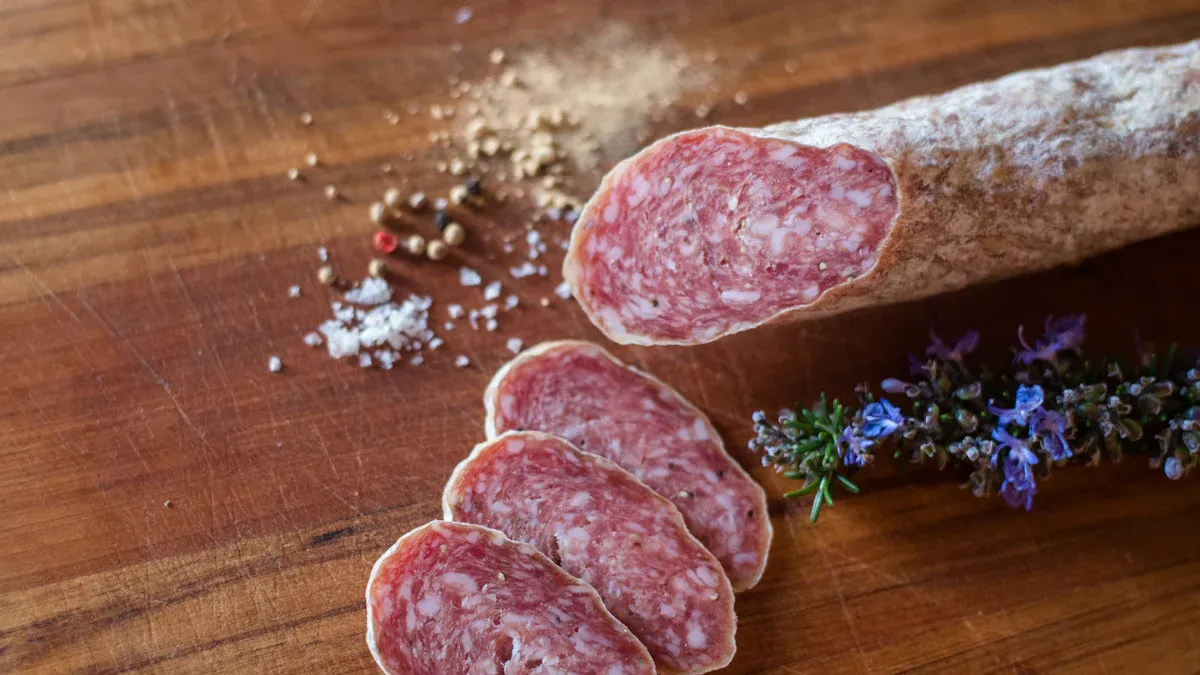
Salami is a popular cured meat, savored across the world. Its global market size, estimated at USD 15.3 billion in 2023, shows just how much people enjoy salami. However, its place in a healthy diet often sparks discussion. You may hear concerns about salami’s high sodium and its status as a processed food. Is salami truly healthy? What is the real story behind its protein and fat content? Understanding salami nutrition, including its nutritional profile, is key to making informed choices.
Key Takeaways
Salami has good protein, but it also has a lot of fat and sodium. A small amount of salami gives you many calories.
Salami is a processed meat. Eating too much processed meat can increase health risks, like certain cancers.
Salami offers some good vitamins and minerals. These include Vitamin B12, zinc, and selenium.
You can enjoy salami in small amounts. Pair it with vegetables or whole-grain foods. This helps balance your meal.
If you want healthier options, try turkey salami or roasted chicken. These have less sodium and no nitrites.
Understanding Salami Nutrition: Facts and Figures

You want to know what you are eating. Understanding the nutritional profile of salami helps you make informed choices. Let’s break down the key components of salami nutrition.
Macronutrient Breakdown
Salami provides a concentrated source of energy and essential building blocks for your body.
Calories: A 1-ounce (28-gram) serving of salami typically gives you between 99 and 150 calories. If you look at a larger portion, 100 grams of salami can contain around 250 to 336 calories. This shows you its energy density.
Protein: Salami is a good source of protein. A 1-ounce serving offers about 7 grams of protein. For a 100-gram portion, you get approximately 22 grams of protein. This makes salami high in protein, which is essential for muscle repair and growth.
Fat: Salami contains a significant amount of fat. A 1-ounce serving typically has 8-10 grams of total fat. About 4 grams of this is saturated fat. When you consider 100 grams of salami, the total fat content can range from about 35.7 grams to 42.6 grams. Saturated fat in 100 grams can be around 14.3 grams to 14.6 grams. Some varieties may show lower fat content, such as 4.63 grams total fat and 1.861 grams saturated fat per 100 grams. This variability depends on the specific type of salami.
Carbohydrates: Salami carbs are generally very low. Most traditional salami contains minimal carbohydrates. However, some commercial versions may add starches, sugars, or other fillers. For example, hard salami, Genoa salami, and Soppressata typically have 0–2.8 grams of carbohydrates per 100 grams. Common additives include dextrose, starch, modified starch, gums, cellulose, soy protein, whey powder, and plant-based fibers.
Sodium: Salami is high in sodium. A 2-ounce (56-gram) serving can contain around 638 mg of sodium. This represents about 23% of your daily value. A 100-gram portion can have as much as 1980 mg of sodium.
Key Micronutrients
Beyond macronutrients, salami also offers several important micronutrients.
Vitamins: Salami provides a good amount of Vitamin B12. This vitamin is crucial for nerve function and red blood cell formation. You can get 21% to 48% of your daily value for Vitamin B12 from salami. Other B vitamins are also present. These include Thiamine (13–32% DV), Niacin (9–38% DV), Vitamin B6 (7–34% DV), Riboflavin (5–15% DV), and Pantothenic acid (6–20% DV). You will also find smaller amounts of Choline, Vitamin D, Vitamin E, and Vitamin A.
Minerals: Salami contains essential minerals. You will find Zinc (8–19% DV), Copper (6–11% DV), Selenium (up to 61% DV), Manganese (up to 41% DV), and Phosphorus (up to 19% DV). Iron (up to 8% DV), Potassium (up to 10% DV), Magnesium, and Calcium are also present. The sodium content is particularly high, often exceeding 100% of the daily value for a 100-gram serving. This is a key part of salami nutrition you should be aware of.
Making Salami: The Curing Process
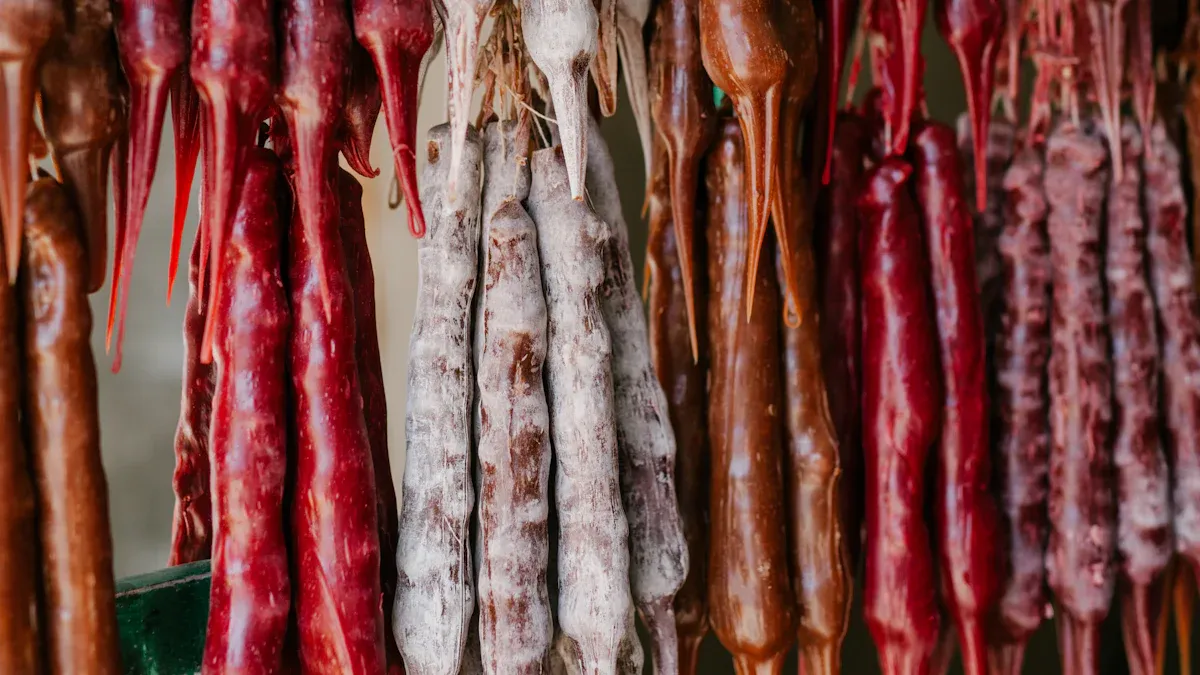
You might wonder how salami gets its unique flavor and texture. It all comes from a careful process of curing. This process transforms raw meat into the delicious, shelf-stable product you enjoy.
Traditional Methods
Making salami involves several key steps and specific salami ingredients. First, you select the right meat, often pork, and mince it. Salami types vary by how fine or coarse you mince the meat. Next, you add salt, typically a potassium salt like saltpeter. This preserves the salami and helps prevent harmful bacteria. You also add extra fat, usually from fatty parts of a pig, to keep the minced meat supple. Before curing, you mix in herbs and spices. These might include wild fennel seeds, wine, garlic, black pepper, or chilies. These additions give each salami its distinct flavor.
After mixing, you stuff the seasoned meat into a natural casing. You seal it tightly. Then, you cure the salami for two to five months. This happens in humid and reasonably cold conditions. This long curing time is essential for flavor development and preservation. The meat is slowly cured, allowing complex flavors to develop.
Nutritional Impact
The curing process significantly changes the nutritional makeup of salami. When you cure meat, the added salt influences chemical reactions. These reactions break down proteins (proteolysis) and fats (lipolysis). These breakdowns are vital for developing the flavor and texture of the cured meat. The final protein content in salami can range from 24.4% to 37.4%, and fat from 12.0% to 29.6%. This depends on the initial meat mixture, fat amount, and other salami ingredients.
Fermentation also plays a big role. Beneficial bacteria, called starter cultures, break down sugars into lactic acid. This gives salami its tangy taste and creates an acidic environment. This acidic environment stops harmful bacteria from growing. As the salami is cured, lipids and proteins degrade. Lipases break down fats into free fatty acids. Proteases break down proteins into peptides and amino acids. These broken-down components react with each other, creating the rich flavor and aroma of the cured meat. Some studies show that adding fiber and probiotics to salami can even increase its antioxidant capacity and produce beneficial short-chain fatty acids in your gut. This shows how complex the process of making cured meats truly is.
Salami: Potential Downsides
Salami offers a rich flavor, but you should understand its potential downsides. These include concerns about sodium, its classification as a processed meat, and food safety.
Sodium and Health
You need to be aware of salami’s high sodium content. High sodium intake directly links to increased blood pressure. This can lead to hypertension and cardiovascular complications. For example, a 100-gram serving of salami contains about 1740 mg of sodium. This is a substantial portion of your daily recommended intake. Most adults should aim for less than 2,300 mg of sodium per day. Some guidelines suggest even lower, like 1,500 mg/day for individuals aged 19-50. Eating too much sodium can cause your body to retain water. This increases blood flow and pressure in your arteries. This extra pressure can harm your blood vessels over time.
Processed Meat Concerns
Salami is a type of processed meat. Health organizations like the World Health Organization (WHO) classify processed meat as a Group 1 carcinogen. This means strong evidence shows that consuming processed meat causes colorectal cancer. Eating just 50 grams of processed meat daily can increase your risk of colorectal cancer by 18%. Regular consumption of processed meat also links to other health issues. These include a higher risk of cardiovascular disease and even certain types of dementia. The way salami is cured, with added salts and nitrites, can contribute to these risks.
Food Safety
When you enjoy salami, food safety is important. Even though salami is a cured product, you must handle it carefully. Pathogenic bacteria like Salmonella and Listeria monocytogenes can sometimes be present in cured meats. These can cause foodborne illnesses. Spoilage microorganisms like certain molds and yeasts can also affect cured products. You should always store cured salami properly. Opened packages of hard salami can last up to three weeks in the refrigerator. Deli-sliced salami should be eaten within three to five days after opening. Always refrigerate cured meat at 40 degrees Fahrenheit or below. Discard any cured salami if you notice a strange smell, a sticky film, or mold. This ensures your cured salami remains safe to eat.
Salami: Benefits and Smart Choices
You can enjoy salami as part of a balanced diet. It offers certain benefits, especially when you consume it thoughtfully. Understanding these aspects helps you make smart choices.
Protein and Probiotics
Salami is high in protein, making it a valuable food for muscle repair and growth. You get about 21 grams of protein from a 100-gram serving of salami. This amount is comparable to 3.5 eggs or 0.8 chicken breasts. Salami is a complete source of protein. It contains all essential amino acids your body needs. Its Protein Quality Score is 100%.
Some traditional salami varieties also contain beneficial probiotic bacteria. These probiotics can enhance your gut health and support your immune system. They contribute to disease prevention and improve the nutritional value of the salami.
Salami Variety | Probiotic Strains | Potential Health Benefits |
|---|---|---|
Italian salami | Lactobacillus plantarum, L. acidophilus, Pediococcus, Leuconostoc, Lactococcus, Enterococcus | Enhances gut health, modulates immune responses, contributes to disease prevention, improves nutritional and functional value |
Fuet | Lactobacillus sakei | Enhances gut health, modulates immune responses, contributes to disease prevention |
Chorizo | Lactobacillus curvatus | Enhances gut health, modulates immune responses, contributes to disease prevention |
Sucuk | Lactobacillus plantarum | Enhances gut health, modulates immune responses, contributes to disease prevention |
Healthier Consumption Tips
You can incorporate salami into your diet wisely. Practice portion control. A small amount of salami adds flavor without excessive sodium or fat. Pair your salami with fresh vegetables or whole-grain crackers. This balances your meal and adds fiber. You can also use salami as a flavor enhancer in dishes, rather than the main ingredient. Think of it in a salad or a small topping on pizza. This way, you still enjoy the taste while managing your intake.
Alternative Options
If you want to reduce your intake of cured meats or explore healthier choices, you have many options. You can gradually reduce red meat consumption. Substitute red meat with poultry or seafood. You can also decrease your overall meat intake. This allows you to incorporate more plant-based foods. Emphasize preparing hearty and flavorful plant-based dishes.
Consider these healthier alternatives to salami:
Turkey salami: This option often has lower sodium than traditional salami.
Roasted chicken: It offers a healthier choice with no nitrites and much less sodium.
Canned tuna: Choose ‘no added salt’ or ‘low sodium’ varieties for a good substitute.
Carrot bacon: This unprocessed, bacon-like snack uses marinated and baked carrot slices.
Eggs: They provide a protein-rich alternative. You can prepare them in many healthy ways.
Understanding salami nutrition helps you make informed decisions. You can enjoy salami responsibly.
You now understand salami nutrition. Salami provides good protein but also contains notable fat and sodium. Its nutritional profile shows this cured meat can be part of your balanced diet. Enjoy salami in moderation. Always choose quality salami and be mindful of your portion sizes. This helps you enjoy salami responsibly. You can make smart choices about salami.
FAQ
What is salami made of?
Salami typically contains minced meat, often pork, mixed with salt, fat, and various spices like garlic or pepper. Manufacturers stuff this mixture into casings. Then, they cure it for several months. This process gives salami its unique flavor and texture.
What makes salami a processed meat?
Salami is a processed meat because manufacturers preserve it through curing, salting, or smoking. They add ingredients like salt and nitrites. These methods change the meat from its fresh state. This processing extends shelf life and enhances flavor.
What are the main nutrients in salami?
Salami offers a good source of protein. It also contains significant amounts of fat, including saturated fat. You will find high levels of sodium in salami. It provides some B vitamins, like B12, and minerals such as selenium and zinc.
What is a healthy serving size for salami?
A healthy serving size for salami is typically small. Aim for about 1 to 2 ounces (28-56 grams). This helps you manage your intake of sodium and fat. Enjoy salami in moderation as part of a balanced diet.