

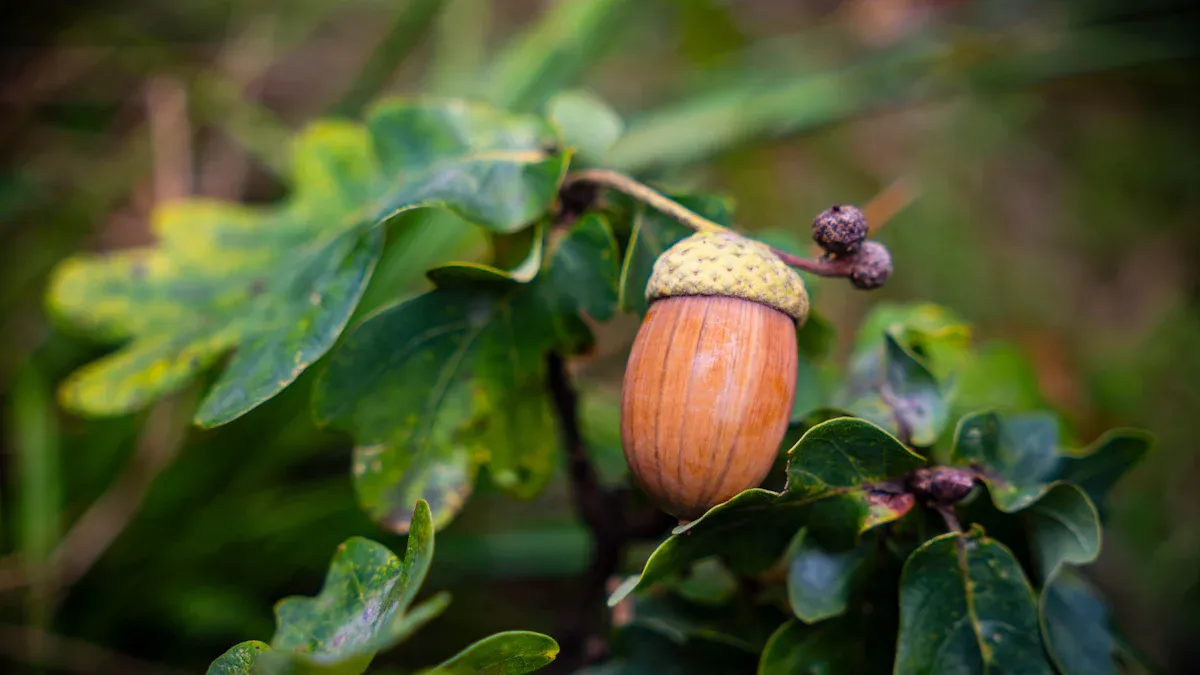
Many people believe acorns are solely for wildlife, but they represent a powerful, forgotten superfood. Historically, indigenous populations across North America relied heavily on acorns. They were a primary food source, with annual production often exceeding subsistence needs. In California, for example, over three-quarters of the population consumed acorns daily. This blog explores acorns nutrition, focusing on calories and carbohydrates, and their rich history in traditional diets. Could this ancient food hold a place in your modern diet?
Key Takeaways
Acorns were a main food for many old cultures. They offer lots of calories and carbohydrates.
Acorns have bitter tannins. You must remove them before eating. This makes acorns safe.
Acorns are good for your heart. They have antioxidants. They also help your digestion.
You can make acorn flour. Use it in baking. You can also make drinks from acorns.
What Are Acorns?

Botanical Overview
Acorns are the nuts produced by oak trees, which grow across many continents. These versatile fruits are more than just a food source for wildlife. People often ask, “what are acorns?” They represent a significant part of human history. Oak trees belong to the genus Quercus. They produce acorns, their seeds, typically once a year. These nuts vary in size and shape depending on the oak species. They are found in temperate and tropical regions worldwide.
Historical Food Significance
Historically, acorns served as a crucial food source for numerous indigenous cultures globally. Before modern agriculture, many societies depended on these nuts for sustenance. For example, various California Indian tribes, including the Yosemite Miwok, Mono Lake Paiute, Kayash Pomo, and Coast Miwok, relied heavily on acorns. Other groups like the Hupa, Pomo, Karuk, Lassik, and Yurok peoples also considered acorns a staple. The Western Apache (Ndee Bini’) similarly incorporated acorns into their diet.
Archaeological findings confirm the widespread consumption of acorns in ancient European societies. Grinding stones, essential for processing acorns into flour, have been discovered at Upper Paleolithic sites in China and Mesolithic sites in Morocco and the Levant. These tools show the use of grinding plant foods, including acorns. Paleobotanical analysis of food traces on grinding stones from early ‘agricultural’ sites reveals acorns were a primary target for grinding. Thousands of similar grinding stones, known as bullaun stones, exist across Ireland and other parts of Europe. They mirror North American acorn grinding stones, suggesting extensive, though often unacknowledged, acorn processing in ancient European societies from the Paleolithic through the Iron Age.
The presence of Quercus ilex rotundifolia, a species producing sweet acorns, suggests their widespread consumption throughout the Paleolithic in Europe. These sweet acorns can be eaten raw without complex processing. While direct archaeological evidence of nut consumption from very early sites is challenging, the high efficiency of gathering these nuts makes them a probable significant energy source for Pleistocene hominins, especially in the Mediterranean region. What to know about acorns is their deep historical roots as a global food.
Acorns and Nutrition: Key Facts
This section explores the detailed nutritional profile of acorns. Understanding acorns and nutrition helps people appreciate their potential as a valuable food source.
Nutritional Value of Acorns
Acorns offer a high caloric density, making them an excellent energy source. A typical serving provides 144 calories. Raw acorns contain about 110 calories per ounce. For a larger quantity, 100 grams of raw acorns delivers a substantial amount of energy.
Quantity | Calories |
|---|---|
100 grams | 392 |
This high calorie count highlights the significant nutritional value of acorns, especially for active individuals or those needing sustained energy.
Macronutrient Breakdown
Acorns provide a balanced mix of macronutrients. They are rich in carbohydrates and fats, with some protein.
Carbohydrates: Acorns are a significant source of carbohydrates. A single serving contains 15 grams of carbohydrates. Raw acorns have 40.75 net carbs per 100 grams. Carbohydrates contribute 41% of the total calories in acorns. One ounce (28g) of acorns contains 12g of carbohydrates, which means about 42.84g per 100g.
Fats: Fats are another major component of acorns. A serving provides 9 grams of fat. Fats account for 53% of the calories in acorns.
Nutrient | Value |
|---|---|
Fats | 24g |
One hundred grams of raw acorns provide 24 grams of fat. This makes them a calorie-dense food.
Protein: Acorns also contain protein. A serving offers 2 grams of protein. One hundred grams of raw acorns contain 6.15 grams of protein. Protein makes up 6% of the total calories.
Vitamins and Minerals
Beyond macronutrients, acorns offer a range of essential vitamins and minerals. These micronutrients contribute to overall health.
Nutrient | Quantity | % Daily Value |
|---|---|---|
Vitamin B6 | 0.528 mg | 31% |
Folate (B9) | 87 μg | 22% |
Acorns are particularly rich in B vitamins. One hundred grams of raw acorns provide over 20% of the Daily Value for both Vitamin B6 and Folate. They also contain Manganese, providing 17% of the Daily Value. Potassium is present at 539mg, which is 16% of the Daily Value.
Acorn flour also contains important minerals.
Nutrient | Value per 1 oz (28g) |
|---|---|
Calcium | 12mg |
Iron | 0.3mg |
These values translate to 112mg of calcium and 5.8mg of iron per 100g of acorn flour.
Comparing acorns to other staple foods reveals their superior energy content. What to know about acorns is their impressive nutritional density.
Nutrient | Acorns (per 100g) | Sweet Corn (per 100g) |
|---|---|---|
Energy (kcal) | 387 kcal | 86 kcal |
Energy (kJ) | 1619 kJ | 360 kJ |
Acorns have significantly higher energy than corn. They contain double the carbohydrates and up to ten times the fat. This makes acorns a powerful and nutrient-rich food source. This detailed look at acorns nutrition shows their potential.
The Tannin Factor: Safety and Leaching
Understanding Tannins
Acorns contain compounds called tannins. These natural chemicals give acorns their bitter taste. Consuming unleached tannins can pose health risks. High amounts of tannins can cause severe liver and kidney damage in humans and animals. Tannins in raw acorns also act as antinutrients. They reduce the body’s ability to absorb certain food compounds.
The tannic acid in unleached acorns can irritate human membranes and organs. This irritation particularly affects the kidneys. Ingesting enough tannic acid causes ulcerations in the mouth, esophagus, and intestines. It also damages the kidneys. Kidney failure is the main cause of death in acorn poisoning cases. Symptoms include loss of appetite, constipation, black watery diarrhea, vomiting, and rapid weight loss. Mortality rates can reach 70% once kidney damage occurs. Pregnant individuals should also be aware that acorns may cause birth defects if consumed in large quantities.
Traditional Leaching Methods
Indigenous cultures developed effective methods to remove tannins from acorns. These methods made acorns safe and palatable.
Sand Mound Method: People built a mound of fine sand near water. They scooped out the center and placed acorn meal inside. Water poured over a cedar bough then leached tannins into the sand. The Karuk tribe dried acorns for a year, pounded them into meal, and leached them this way.
Cold Water Rinsing: Tribes cracked acorn shells and repeatedly rinsed the shelled nuts or meal in cold water. They placed the meal in baskets, sacks, or sand basins. They doused it with fresh water and kneaded it until the water ran clear.
Boiling: People boiled cracked acorns in water. They discarded the water and repeated the process every few hours. This gradually removed tannins.
Submerging in Flowing Water: Tribes near creeks wrapped acorns in bark bundles. They submerged these bundles in the flowing water for days. The continuous water flow removed the bitter compounds.
Modern Leaching Techniques
Modern methods also effectively remove tannins from acorns. These techniques often adapt traditional wisdom for contemporary use.
Sand Bed Method (Cold-Leaching): This technique uses a sand bed covered with a thin cotton sheet. People mix finely sifted acorn flour with cold water. They pour it onto the sand bed. Water percolates through, carrying tannins away. Cedar boughs can slow and spread the water flow. This method works quickly, often within an hour or two for finely sifted flour.
Cotton Sack in Running Water (Cold-Leaching): For acorn meal prepared with a blender, people place it in a cotton sack. They tie the sack to a hose or kitchen faucet on a drip. Alternatively, they weigh it down in a clear flowing creek. This process typically takes all night to leach.
Slow-Leaching in a Mason Jar (Cold-Leaching): Fill a mason jar halfway with acorn meal. Top it with cold water, shake, and cap it with cheesecloth. Store the jar in the fridge. Drain and replace the water daily until the bitterness disappears. This method may take a while.
The fineness of the grind is crucial for faster leaching. Tannin (tannic acid) is water-soluble. This property is the basis for all these leaching techniques.
Health Benefits of Acorns
Acorns offer many potential health benefits. People are rediscovering these ancient nuts for their nutritional value.
Heart Health Potential
Acorns show promise for heart health. A study on acorn flour in cakes improved inflammation for overweight and obese patients with metabolic syndrome. This happened when they ate it with a diet that limited energy. Eating acorn-fed 100% Iberian ham regularly also helps cardiovascular health. Studies show it improves blood fat levels. It increases good cholesterol (HDL-c) and lowers bad cholesterol (LDL-c) and triglycerides. This ham does not harm blood pressure or cause weight gain, unlike some red meats. Acorns are a natural food resource for preventing cardiovascular disease. They can act as anti-diabetic agents. They stop α-glucosidase, an enzyme linked to diabetes, a major risk for heart disease.
Antioxidant Properties
While human studies are ongoing, experimental research highlights the antioxidant properties of acorns. Specific acorn parts, like ellagitannins and extracts, reduce lipid peroxidation and oxidative stress in animal models. These benefits suggest acorns could help protect cells from damage. More research will fully show the antioxidant capacity of acorn products in humans.
Digestive and Energy Benefits
Acorns provide significant digestive and energy benefits. Their dietary fibers act as prebiotics. They resist human digestion. Gut microbes ferment them. This fermentation helps good bacteria grow. It also produces short-chain fatty acids like lactate and propionate. Acorn prebiotics increase microbial diversity and lower fecal pH. This supports overall gut health. Properly prepared acorns are gentle on the digestive system. Their fiber helps prevent constipation.
Acorn flour also offers a low glycemic index. This means it causes a slower rise in blood sugar. This is an estimate, as lab tests for full-fat acorn flour are still needed. Compared to wheat flour, acorn flour has less protein and starch. It contains more fat and significantly more total fiber. This includes both soluble and insoluble fibers. These differences likely contribute to its lower glycemic impact.
Flour Type | Predicted Glycemic Index (PGI) |
|---|---|
Control Wheat Noodles | 71.82 ± 0.81 |
Noodles with 10% Acorn Flour | 65.92 ± 0.13 |
Noodles with 15% Acorn Flour | 65.31 ± 3.77 |
Noodles with 20% Acorn Flour | 65.86 ± 0.43 |
Noodles with 25% Acorn Flour | 65.79 ± 0.93 |

When people add acorn flour to wheat noodles, the predicted glycemic index of the noodles becomes lower. The PGI reached its lowest point with a 15% substitution. This shows the positive effect of acorn flour on blood sugar control.
Acorn Preparation and Uses
Preparing acorns for consumption involves several steps. People must remove the bitter tannins and then process the nuts into a usable form. Understanding how to use acorns properly ensures both safety and good taste.
Processing Acorns into Flour
Making edible acorn flour requires careful processing. This transforms raw acorns into a versatile ingredient for many recipes.
Gather and Prepare Acorns: First, collect acorns. Discard any with split shells, tiny holes from weevils, or those that rattle when shaken. Wash the acorn shells and dry them with a towel. Let them sit in the sun for several hours. This makes cracking easier.
Crack and Soak: Use a nutcracker or a meat tenderizer to crack the shells. Dig out the acorn nuts and place them in a bowl of cold water. This prevents oxidation. Remove any shell fragments and floating scraps. Let the acorns soak for 12 hours.
Leach Tannins (Cold Water Method): After 12 hours, the water will be dark. Drain it and replace it with fresh cold water. Repeat this process every 12 hours for 4 to 7 days. Continue until the water remains clear after a long soak. For a faster method, shell acorns into a bowl of cool water. Puree the acorn meats with water in a blender. Pour this mixture into a large jar and store it in a cool place, preferably refrigerated. Daily, or up to twice a day, carefully pour off the water and replace it. Optionally, pour the last of each day’s water onto a baking sheet. Let the water evaporate to yield pure acorn starch.
Taste Test: After about four to five days, taste the acorn meal. It should be bland, not bitter. Continue changing the water until all bitterness is gone. Different acorn species require varying leaching times.
Strain and Dry: When the wet acorn meal is ready, strain out as much water as possible using a cheesecloth-lined strainer. Capture this last water to collect the starch by letting it evaporate from a baking sheet. Lay out the wet acorn meal to dry. A dehydrator at 95°F works best. Avoid using an oven, as it is too hot and can darken the flour. Alternatively, dry whole leached acorns in an oven at 160-175°F with the door slightly ajar for about 3 hours, stirring occasionally, until completely dry.
Grind and Store: Once completely dry, add the acorn meal and any collected starch to a spice grinder or blender. Process it until it becomes a fine acorn flour. Store the acorn flour in an airtight container in the fridge or freezer. This prevents the fats from going rancid. It can last a year or more.
Culinary Applications
Acorn flour and whole acorns offer many possibilities for cooking. Chefs and home cooks use them in various recipes.
Baked Goods: People use acorn flour to make nutty, earthy bread. They also create tart shells, crackers, and acorn griddle cakes. These recipes benefit from the unique flavor of acorns.
Pasta and Gnocchi: Chefs have made gnocchi with acorn flour. Some even shave roasted acorns over gnocchi. Pasta made largely from acorn flour is another innovative use.
Savory Dishes: Acorns appear in savory recipes. For example, chefs shave white acorns over elk loin and root vegetables. Acorn grits with a poached egg and sea urchin are also popular.
Masa and Miso: Acorn masa tamales are a traditional dish. Chefs also craft acorn miso from Gambel oak acorns.
Sauces: Acorn flour can thicken and flavor sauces, adding a unique depth.
These recipes show the versatility of acorns in modern cooking.
Acorn Beverages
Beyond food, acorns also make interesting beverages. People have used them as substitutes for common drinks.
During World War II, people used acorns as a coffee substitute. This practice was common alongside roasted chicory and grain. Today, health-conscious individuals with dietary restrictions also use acorns as an alternative to conventional coffee. Other substitutes include chicory, barley, spelt, and dandelion. Researchers have studied the antioxidant potential of coffee-like beverages made from roasted acorns. These studies explore the health benefits of such drinks.
Acorns nutrition provides significant calories and carbohydrates. This makes them a valuable food source. Proper leaching is essential for safety and palatability. People can explore acorns as a sustainable, nutritious, and historically significant food. Understanding acorns nutrition helps. Try simple recipes to start. Reconnect with ancient food traditions through these versatile nuts.
FAQ
What are tannins in acorns?
Tannins are natural compounds found in acorns. They give acorns a bitter taste. These compounds can be harmful if people consume them in large amounts. They can irritate organs and reduce nutrient absorption. Proper preparation removes tannins.
What is acorn flour used for?
People use acorn flour in many recipes. They make bread, crackers, and cakes. Acorn flour also works in pasta and gnocchi. It can thicken sauces. This flour adds a unique, nutty flavor to dishes.
What makes acorns a good energy source?
Acorns provide many calories. They contain high amounts of carbohydrates and fats. These macronutrients give the body sustained energy. This makes acorns a dense and valuable food source. They offer more energy than many other staple foods.
What is leaching, and why is it important for acorns?
Leaching is the process of removing tannins from acorns. It involves soaking acorns in water. This step is crucial for safety. Leaching makes acorns edible and removes their bitter taste. It prevents potential health issues from tannins.