

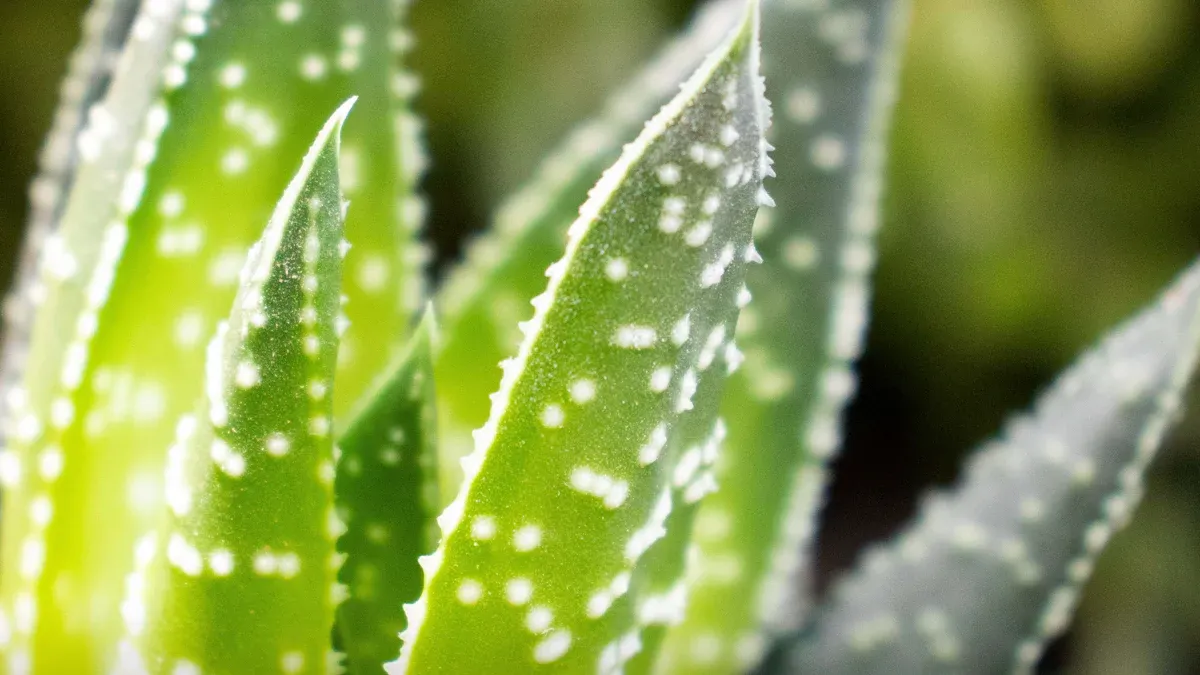
Aloe vera has gained immense popularity over the years, often hailed as a miracle plant due to its numerous Aloe Vera benefits. Its historical uses date back thousands of years, with cultures like the Egyptians and Greeks turning to aloe for its healing properties. 🌿 Did you know that aloe vera products are projected to reach a market value of $1.48 billion by 2032? What makes this plant so special? Is it the soothing relief it offers for skin issues, or perhaps its versatile health benefits? Let’s dive into the fascinating world of aloe vera and discover why you should consider incorporating it into your daily routine to take advantage of its incredible Aloe Vera benefits.
Year | Market Value (USD) | CAGR (%) | Cosmetics Market Share (%) |
|---|---|---|---|
2024 | 724.20 million | N/A | 40.5 |
2032 | 1485.92 million | 9.40 | N/A |
Key Takeaways
Aloe vera is a natural moisturizer that hydrates skin and hair without greasiness.
Using aloe vera gel can soothe sunburns and speed up the healing of minor wounds.
Drinking aloe vera juice supports digestion and helps regulate blood sugar levels.
Incorporating aloe vera into your routine can lead to healthier skin and overall well-being.
Always choose high-quality aloe products to maximize their benefits.
Aloe Vera Hydration
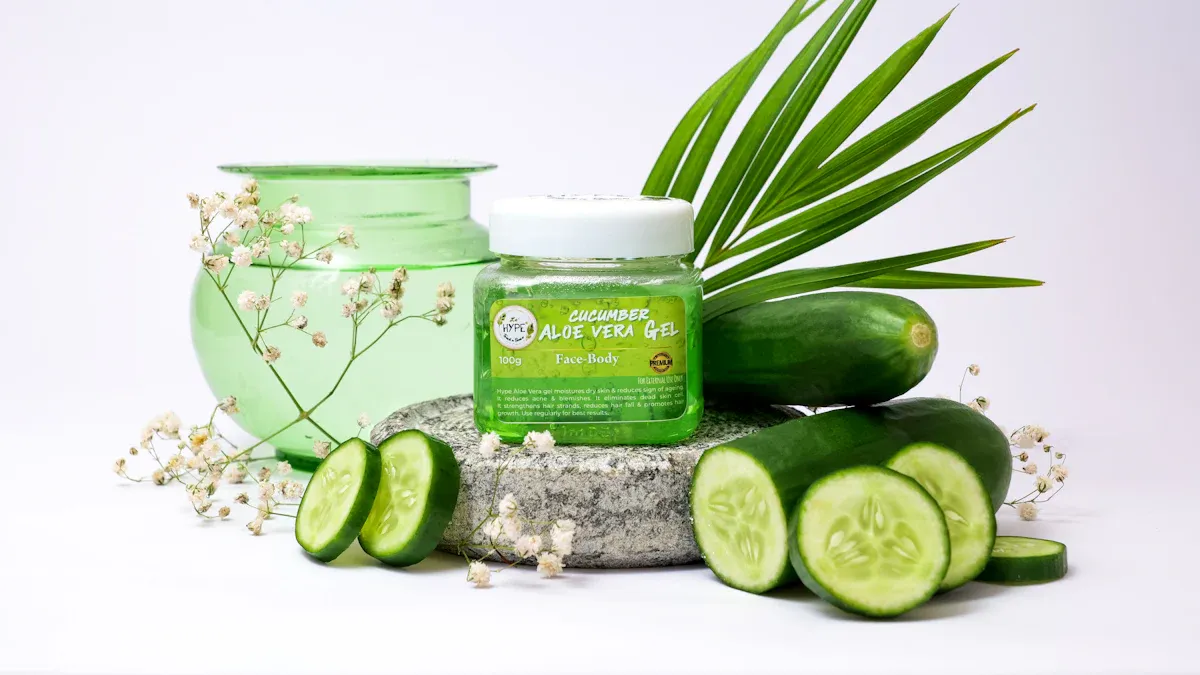
Aloe vera is a powerhouse when it comes to hydration, making it a must-have in your skincare and haircare routines. Let’s explore how this incredible plant can help you achieve soft, moisturized skin and luscious hair.
Skin Moisturization
When it comes to skin hydration, aloe vera stands out as a natural moisturizer. Its gel-like consistency allows it to penetrate the skin easily, providing deep hydration without leaving a greasy residue. Studies show that aloe vera extracts can significantly improve skin hydration. For instance, a study evaluated the moisturizing properties of aloe vera in cosmetic formulations. Participants who applied products containing aloe vera noticed increased hydration after just one application. After two weeks, all concentrations of aloe vera extract showed improved hydration compared to the control group.
Tip: You can use aloe vera gel as a daily moisturizer. Just apply a thin layer to your face and body after cleansing. Your skin will feel refreshed and hydrated!
Aloe vera also helps soothe inflammation, making it perfect for those with sensitive or irritated skin. Its natural properties help retain moisture and maintain skin integrity, which is essential for overall skin health.
Hair Hydration
Aloe vera doesn’t just work wonders for your skin; it’s also fantastic for your hair! This plant is rich in vitamins and minerals that nourish your scalp and hair follicles. Aloe vera helps moisturize the scalp, reducing dryness and flakiness. It contains polysaccharides that hydrate and soothe the scalp, making it an excellent remedy for dandruff and irritation.
Here’s a quick look at some of the benefits of aloe vera for hair:
Evidence Type | Findings |
|---|---|
Moisturizing | Aloe vera helps moisturize the scalp, reducing dryness and dandruff. |
Nutritional Benefits | Contains vitamins C, A, and E, which may prevent hair loss and encourage growth. |
Soothing Properties | Soothes burns from styling tools or harsh dyes that can damage hair. |
Using aloe vera gel as a hair mask can also strengthen your hair strands and reduce breakage. It increases circulation to the scalp, stimulating hair growth and promoting healthier locks.
Did You Know? Aloe vera juice can be sprayed directly onto the scalp for soothing irritation and hydration. It acts as a refreshing toner, balancing the skin’s pH.
Wound Healing with Aloe Vera

Aloe vera is not just a hydration hero; it’s also a powerful ally in wound healing. Whether you’re dealing with minor cuts or painful sunburns, aloe can help soothe and speed up recovery. Let’s explore how this remarkable plant works its magic on your skin.
Sunburn Relief
If you’ve ever spent too much time in the sun, you know how uncomfortable sunburn can be. Aloe vera offers a natural remedy that can help you feel better fast. Research shows that aloe vera contains compounds like aloin, which have anti-inflammatory and antioxidant benefits. These properties make aloe effective for treating sunburns and reducing redness.
Here’s a quick look at some key findings about aloe vera and sunburn relief:
Study Description | Findings |
|---|---|
Anti-inflammatory effect of aloe vera | Compounds in aloe vera have an anti-inflammatory effect when applied to damaged skin. |
Effectiveness for burns | A review of four studies involving 371 people found that aloe vera is effective for treating first- and second-degree burns. |
Aloin’s benefits | A compound in aloe called aloin was found to be responsible for the plant’s anti-inflammatory benefits. |
Moisturizing properties | Aloe vera can help to moisturize the skin and prevent peeling that sometimes occurs with sunburns. |
Using aloe vera gel on sunburned skin not only cools the burn but also helps prevent peeling. You’ll appreciate how quickly it soothes your discomfort and promotes healing.
Accelerating Healing
When it comes to wound healing, aloe vera truly shines. Studies indicate that applying aloe vera gel can reduce healing time for burns by about 9 days compared to conventional treatments. Another systematic review found that the average healing time for those using aloe vera was approximately 8.79 days shorter than for those who didn’t. That’s a significant difference!
The secret behind aloe’s effectiveness lies in its active compounds. Here are some of the key players that contribute to its wound healing properties:
Aloe-emodin
Aloin
Aloesin
Emodin
Acemannan
These compounds work together to enhance cell migration and activate various growth factors, promoting healing. Aloe vera also helps reduce inflammation, which is crucial for recovery. By decreasing the production of inflammatory markers, aloe can help your skin heal faster and more effectively.
In clinical settings, aloe vera is commonly used for treating various types of wounds, including:
Type of Wound | Description |
|---|---|
Acute Wounds | Surgical wounds, burns, lacerations, and other skin injuries resulting from trauma |
Chronic Wounds | Skin ulcers, infected wounds, pressure ulcers, arterial and venous ulcers, and surgical wounds healing by secondary intention |
With its impressive ability to soothe and heal, aloe vera is a must-have in your first aid kit. Whether you’re treating sunburns or minor cuts, this plant can help you recover more quickly and comfortably.
Aloe Vera Juice Benefits
Aloe vera juice offers a range of health benefits, especially for your digestive health and blood sugar regulation. Let’s explore how drinking aloe vera juice can support your well-being.
Digestive Support
If you struggle with digestive issues, aloe vera juice might be your new best friend. It helps improve digestion and can relieve conditions like gastroesophageal reflux disease (GERD) and ulcers. A clinical trial involving 151 patients showed that those who consumed aloe vera experienced significant improvements in their IBS symptoms compared to those who took a placebo. Here’s a quick look at the study results:
Study Type | Participants | Intervention | Outcome | Results |
|---|---|---|---|---|
RCT | 151 patients | Aloe vera vs. placebo | IBS symptom improvement | Significant difference (SMD 0.41, p=0.020) and better response rates (RR 1.69, p=0.030) for Aloe vera group |
For optimal digestive support, aim to drink between 30 to 50 ml of aloe vera juice daily, preferably on an empty stomach. If you’re new to it, start with 15 to 30 ml diluted in water and gradually increase your intake.
Blood Sugar Regulation
Aloe vera juice also plays a role in regulating blood sugar levels. Research indicates that drinking aloe vera juice can help lower fasting blood glucose and improve overall metabolic health. Here are some key findings:
Patients with type 2 diabetes showed significant reductions in post-test blood glucose scores after consuming aloe vera juice.
Another study found that aloe vera effectively lowered triglycerides and cholesterol levels in pre-diabetic patients.
A systematic review highlighted the positive effects of aloe vera on metabolic parameters in individuals with type 2 diabetes.
In addition to these benefits, aloe vera juice is rich in antioxidants, which can help combat inflammation and promote overall health. Drinking aloe vera juice regularly may enhance your body’s ability to heal and maintain balance.
Skin Health Benefits of Aloe Vera
Aloe vera is a fantastic ally for your skin, especially when it comes to treating acne and protecting your skin from damage. Let’s explore how this remarkable plant can help you achieve clearer, healthier skin.
Acne Treatment
If you struggle with acne, aloe vera can be a game-changer. Research shows that aloe vera contains Acemannan, which activates macrophage cells. These cells help combat bacteria like Propionibacterium acnes, a common culprit behind acne breakouts. A study found that aloe vera treatment had an effective rate of 40%, compared to just 16.67% for the control group. This suggests that aloe vera not only helps reduce acne severity but also prevents future breakouts.
Group | Effective Rate | Marked Effective Rate | Invalid Rate |
|---|---|---|---|
Treatment | 40.00% | 60.00% | N/A |
Control | 16.67% | N/A | 83.33% |
With its anti-inflammatory properties, aloe vera can soothe irritated skin and reduce redness. This makes it an excellent choice for anyone looking to clear up skin and improve their overall complexion.
Skin Protection
Aloe vera also plays a crucial role in protecting your skin from environmental damage. Here’s how it works:
Deep Hydration: Aloe vera acts as a humectant, drawing moisture into your skin. This enhances the flexibility of your skin barrier.
Rich in Skin-Healing Nutrients: It contains vitamins A, C, and E, which aid in skin repair and collagen production.
Anti-Inflammatory Properties: Aloe vera reduces inflammation, helping maintain lipid production and prevent moisture loss.
Enhanced Wound Healing: It accelerates the healing of skin barrier damage by stimulating collagen and elastin production.
Supports Natural Lipid Production: Aloe vera aids in producing natural oils, crucial for maintaining a healthy skin barrier.
By incorporating aloe vera gel into your skincare routine, you can enjoy its anti-inflammatory and healing properties. This will not only help improve skin appearance but also protect against various skin conditions.
Aloe vera offers a treasure trove of benefits that can enhance your daily routine. From hydrating your skin and hair to promoting healing and supporting digestion, this versatile plant truly shines. Here are some key takeaways:
Hydration: Aloe vera acts as a powerful moisturizer for both skin and hair.
Healing: It effectively soothes sunburns and accelerates wound healing.
Health Support: Drinking aloe vera juice can aid digestion and help regulate blood sugar levels.
As you explore different aloe vera products, consider your personal health needs. Whether you choose gels, juices, or creams, incorporating aloe into your life can lead to healthier skin and overall well-being. 🌱
Tip: Always check for quality and purity when selecting aloe products to ensure you reap the maximum benefits!
FAQ
What is aloe vera used for?
Aloe vera is used for skin hydration, wound healing, and digestive support. You can apply its gel to soothe sunburns or consume its juice for digestive health.
Can I use aloe vera on my face daily?
Yes! You can apply aloe vera gel daily as a moisturizer. It hydrates your skin without clogging pores, making it suitable for all skin types.
Is aloe vera safe to consume?
Aloe vera juice is generally safe for most people. However, consult your doctor if you have underlying health conditions or are pregnant.
How long does it take for aloe vera to heal wounds?
Aloe vera can speed up wound healing, often reducing recovery time by about 9 days compared to conventional treatments.
Can aloe vera help with acne?
Absolutely! Aloe vera contains anti-inflammatory properties that can reduce acne severity and prevent future breakouts. It’s a natural remedy worth trying!