

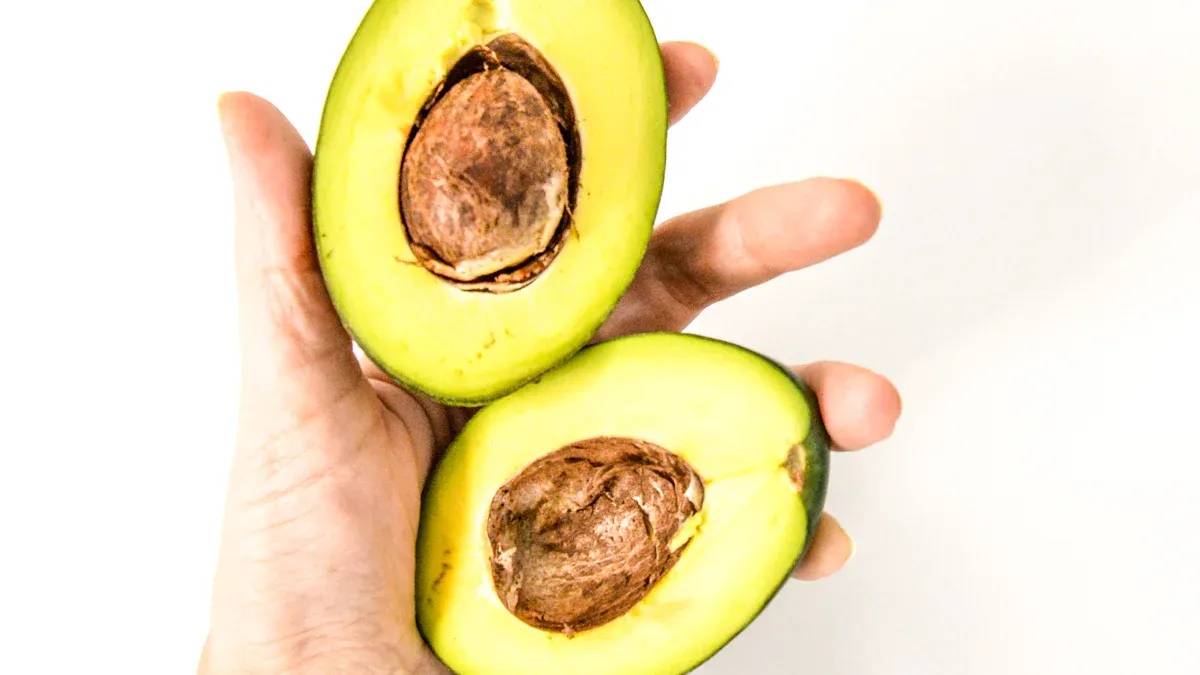
Yes, avocado oil is a very healthy choice for your kitchen. This oil, rich in beneficial fats, offers excellent Avocado Oil Nutrition. It comes from the pulp of ripe avocados. You see its growing popularity. People use it for many cooking tasks. You can use it in dressings or for high-heat cooking. This versatile oil is becoming a kitchen staple for many.
Key Takeaways
Avocado oil is very healthy. It has good fats that help your body.
You can cook with avocado oil in many ways. It is good for high heat and for salad dressings.
Avocado oil helps your heart, skin, and eyes stay healthy.
Choose good avocado oil and store it well. This keeps it fresh and full of good things.
Avocado Oil Nutrition: Key Components
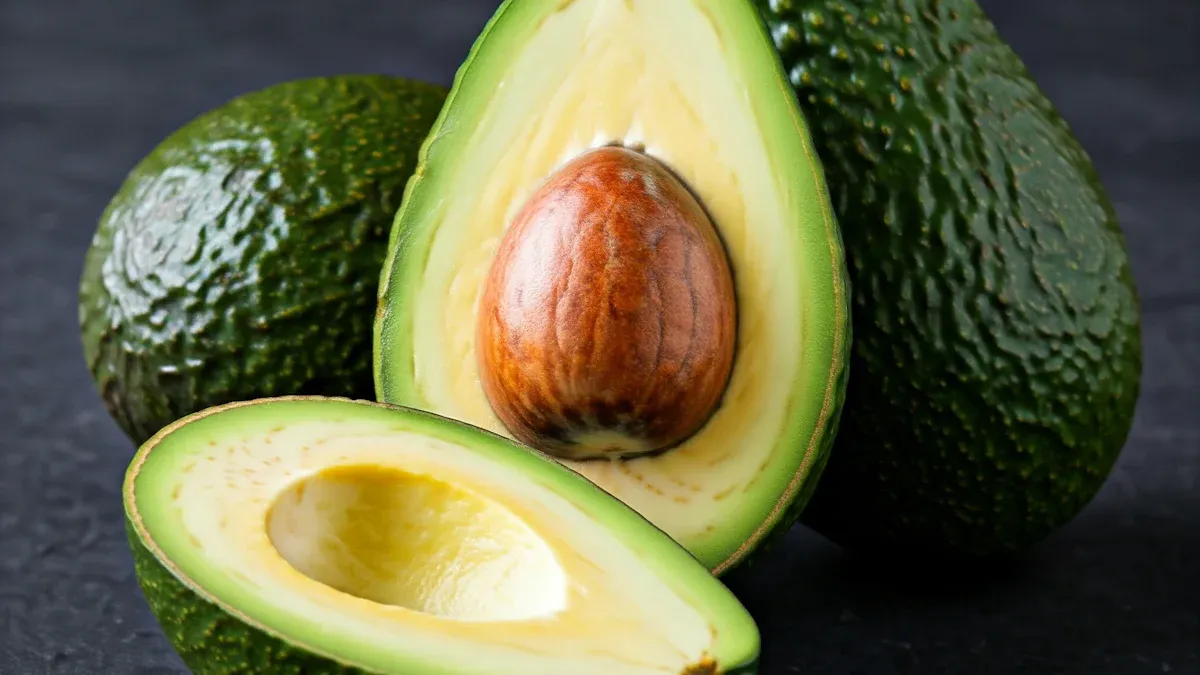
You want to understand what makes avocado oil so healthy. Let’s look at its nutritional makeup. A single serving, about one tablespoon, gives you 124 calories. It contains a healthy fat profile. You get 10 grams of monounsaturated fat. It also has 2 grams of polyunsaturated fat and 2 grams of saturated fat. This balance contributes to its excellent Avocado Oil Nutrition.
Monounsaturated Fats
Monounsaturated fats are a cornerstone of avocado oil’s health benefits. This oil is especially rich in oleic acid. Oleic acid is a type of omega-9 monounsaturated fatty acid. It makes up a large part of the oil. More than 60% of avocado oil consists of monounsaturated fatty acids. Oleic acid often predominates at about 60.3%. Some varieties, like Reed, can have as much as 61.18% oleic acid. Other studies show ranges from 45.9% to 54.5%. Mediterranean avocado oil can even contain 65–80% oleic acid. This high content is important for your cell health. Oleic acid helps maintain the integrity of your cell membranes. These membranes are your cells’ first line of defense. They keep your cells healthy and functioning correctly. Oleic acid is crucial for the structural integrity and fluidity of these membranes. It promotes cellular health at a microscopic level.
Antioxidants and Compounds
Beyond healthy fats, avocado oil offers other beneficial compounds. It contains various antioxidants. These substances help protect your body’s cells from damage. You find compounds like lutein and beta-carotene in avocados. These contribute to the oil’s overall health profile. They work to neutralize harmful free radicals in your body.
Vitamins A, D, and E
While avocado oil itself does not provide significant amounts of Vitamins A, D, or E, its healthy fats play a vital role. The oil contains 0µg of Vitamin A and 0mcg of Vitamin D per serving. However, the monounsaturated fats in avocado oil are crucial for absorbing fat-soluble vitamins. These include Vitamins A, D, and E. When you consume avocado oil with foods rich in these vitamins, your body can absorb them more effectively. This means you get more benefit from the vitamins in your diet. This aspect is an important part of Avocado Oil Nutrition.
Cooking with Avocado Oil: Versatility

Avocado oil is a true workhorse in your kitchen. Its unique properties make it suitable for many cooking methods. You can use it for high-heat tasks or delicate preparations.
High-Heat Cooking
You will find avocado oil excellent for high-heat cooking. It has a very high smoke point. This means it can get very hot before it starts to burn and produce smoke. When oil smokes, it breaks down and can release harmful compounds. Refined avocado oil has a smoke point of about 270°C. Unrefined avocado oil has a smoke point around 250°C. This high tolerance to heat makes it perfect for many dishes.
Oil Type | Smoke Point |
|---|---|
Refined Avocado Oil | ~270°C |
Unrefined Avocado Oil | ~250°C |
You can use avocado oil for:
Baking
Roasting vegetables
Searing meats
General frying and sautéing
It performs well in these applications.
Dressings and Marinades
Avocado oil also shines in dressings and marinades. It has a mild, subtly nutty, and buttery taste. This flavor does not overpower other ingredients. It allows the other flavors in your dressing to be prominent. You will notice its smooth consistency and a slightly sweet flavor. This makes it a great base for vinaigrettes or meat marinades. It blends well with both acidic and sweet components.
Baking Applications
You can even use avocado oil in your baking. It can change the texture of baked goods. It makes them more tender. However, they might be less flaky than those made with solid fats like butter. This is because liquid fats do not create the same steam pockets as solid fats. These pockets are responsible for flakiness. Avocado oil is effective at locking in moisture. This results in soft and moist baked goods. Its healthy fats contribute to this. You can use it as a substitute for eggs or butter. It helps maintain the texture of muffins and cakes. It can even contribute to a fluffy and light consistency when combined with baking soda and water.
Avocado Oil vs. Other Oils
You often wonder how avocado oil stacks up against other common cooking oils. Each oil has unique properties. You will find differences in nutrition and cooking uses.
Compared to Olive Oil
You might use olive oil often. Avocado oil and olive oil share some similarities. Both are rich in monounsaturated fats. Look at their fatty acid profiles:
Fatty Acid Type | Avocado Oil | Extra Virgin Olive Oil |
|---|---|---|
Monounsaturated Fat | ~70% | ~73% |
Polyunsaturated Fat | ~12% | ~11% |
Saturated Fat | ~13% | ~14% |
You see similar fat compositions. However, extra virgin olive oil contains more antioxidant compounds overall. It has a higher concentration of total phenolic compounds. Extra virgin olive oil is especially rich in polyphenols like oleocanthal. Avocado oil contains antioxidants like vitamin E and carotenoids. Both oils offer powerful antioxidant compounds. Olive oil may contain slightly more vitamin E. One tablespoon of avocado oil gives you about 23% of the Daily Value (DV) of vitamin E. The same amount of olive oil provides 33% of the DV. Both oils are rich in lutein, good for your skin and eyes. Avocado oil has a much higher smoke point. This makes it better for high-heat cooking.
Compared to Coconut Oil
Coconut oil is another popular choice. You will find a big difference in saturated fat content.
Oil Type | Total Fat (grams) | Saturated Fat (grams) |
|---|---|---|
Coconut Oil | ~12 | 11 |
Avocado Oil | 14 | < 2 |
Coconut oil is almost entirely saturated fatty acids. These are medium-chain triglycerides (MCTs). Avocado oil is rich in monounsaturated fats. It has a much lower saturated fat content. You choose avocado oil for a fat profile higher in heart-healthy monounsaturated fats.
Compared to Vegetable Oils
“Vegetable oils” often refer to blends like soybean, corn, or canola oil. You find these oils are usually highly processed. They often contain more polyunsaturated fats. These fats can be less stable at high temperatures. Avocado oil offers a better choice. It has a higher smoke point. It also provides a healthier balance of fats. You get more monounsaturated fats. This makes avocado oil a superior option for both cooking and your health.
Health Benefits of Avocado Oil
You will find many health benefits from avocado oil. These benefits come from its rich nutritional profile. It supports various body systems.
Heart Health Support
You want a healthy heart. Avocado oil can support it. It helps manage your cholesterol. Studies show eating avocados can lower your low-density lipoprotein (LDL). People call this “bad” cholesterol. An animal study looked at avocado oil directly. It found avocado oil greatly reduced LDL levels in rats. Some rats saw a 26% drop. Others had a 23% reduction. This was compared to rats not given the oil. Other research agrees. A large review of studies found avocado intake lowered LDL-c. This happened in people with unhealthy lipid levels. You could see reductions from 9.4 to 17 mg/dL. These findings show avocado oil helps your heart.
Skin and Eye Health
Your skin and eyes also gain from avocado oil. It helps your skin stay healthy. Avocado oil offers mild UV protection. This comes from its antioxidants and vitamin E. It can help skin cells repair after sun exposure. Remember, it is not a sunscreen replacement. Eating avocados can make your skin firmer. It can also make it more elastic. One study showed women had better skin on their forehead. Their under-eye skin also improved. Avocado oil may help your body make more elastin. It can also boost collagen. These are key for strong skin. Avocado oil has healthy fats like oleic acid. It also contains lutein, zeaxanthin, and vitamins E and A. These compounds work together. Lutein and zeaxanthin are carotenoids. Your body absorbs them better with healthy fats. They then build up in your skin. This can make your skin more elastic. It can also increase hydration. You can find avocado oil in anti-wrinkle creams. These creams can boost skin elasticity. They can also reduce wrinkles.
For your eyes, avocado oil is good too. It has lutein and zeaxanthin. These are strong antioxidants. They collect in your macula. This part of your eye is vital for clear vision. They form macular pigment. This pigment acts like a natural filter. It blocks harmful blue light from the sun. It also blocks blue light from screens. It protects your eye cells from damage. Lutein and zeaxanthin improve your vision. They reduce glare. They also sharpen what you see. Eating avocados can increase this macular pigment. This can be more effective than some lutein supplements. The healthy fats in avocado oil help your body absorb these eye nutrients. This is a key part of Avocado Oil Nutrition.
Anti-Inflammatory Effects
Avocado oil can also calm inflammation in your body. Inflammation is your body’s way to heal. But too much can cause problems. Avocado pulp oil stops certain enzymes. These enzymes, COX 1 and COX 2, cause inflammation. Avocado oil has many helpful compounds. These include tocopherols, phytosterols, carotenoids, and polyphenols. All of them fight inflammation. Avocado seed oil has many phenolic and flavonoid compounds. These are powerful anti-inflammatory agents. Specific fatty acids in avocado oil also fight inflammation. These include oleic acid and others. You can see how avocado oil helps reduce inflammation. This contributes to its overall Avocado Oil Nutrition benefits.
Choosing and Storing Avocado Oil
You want to get the most from your avocado oil. You need to know how to choose a good one. You also need to store it correctly. This ensures you get all its health benefits.
Types of Avocado Oil
You will find different types of avocado oil. The main difference lies in how producers extract the oil.
Feature | Cold-Pressed Oils | Expeller-Pressed Oils |
|---|---|---|
Temperature | Cannot exceed 122°F during extraction | Can heat up to above 140°F |
Process | Pressed using bladder, hydraulic, or low resistance expeller pressing to stay below 122°F | Uses a pressure method of extraction |
Oil Quality | Natural enzymes stay intact; higher level of nutrients; natural color, smell/flavor variations | Not technically ‘cold processed’ due to higher temperatures |
Cold-pressed avocado oil is gently crushed and pressed. This happens at low temperatures, typically below 120°F (49°C). This method preserves the oil’s natural flavor, aroma, and nutrients. Expeller-pressed oils use mechanical pressure. This process may involve slightly higher temperatures. It still maintains many of the oil’s natural characteristics.
Selecting Quality Oil
You want to buy authentic avocado oil. Look for specific indicators. Scientists use biomarkers like fatty acids, sterols, and tocopherols to check authenticity. High-resolution NMR spectroscopy can also identify various fatty acids and minor compounds. These methods help confirm purity.
You can also look for these signs of quality:
Fatty Acid Profile: A pure oil has a specific balance of fatty acids and sterols.
Quality Indicators: Free fatty acidity (FFA) and peroxide value (PV) show the oil’s freshness.
Adulteration Signs: Elevated stearic acid or delta-7-stigmastenol can mean adulteration with seed oils. Low palmitoleic fatty acid content also suggests this.
Cost: A very low price might indicate adulteration. High cost does not always guarantee purity.
Labeling: Good labels provide clear purity and quality information.
Proper Storage
You must store avocado oil correctly. This prevents it from going bad.
Keep your avocado oil in a pantry or cupboard.
Store it away from direct sunlight and heat sources. A stable, low temperature helps maintain its flavor.
Always seal the bottle tightly after each use. This minimizes air exposure.
Choose dark or opaque containers. These protect the oil from light.
Refrigeration can extend the shelf life of unrefined avocado oil. It may thicken or solidify. Let it sit at room temperature for a few minutes before you use it.
You now understand the excellent Avocado Oil Nutrition. It provides healthy fats, antioxidants, and vitamins. You can use this oil for high-heat cooking, dressings, and baking. This oil supports your heart, skin, and eyes. Incorporate avocado oil into your daily diet. You will make a smart and delicious choice for better health.
FAQ
Is avocado oil good for daily use?
Yes, you can use avocado oil daily. It offers healthy monounsaturated fats. Its high smoke point makes it versatile for many cooking tasks. You get good nutrition with regular use.
What makes avocado oil healthy?
Avocado oil is healthy because it has many monounsaturated fats. These fats, like oleic acid, support cell health. It also contains antioxidants and helps you absorb fat-soluble vitamins.
Can you fry with avocado oil?
Yes, you can fry with avocado oil. It has a very high smoke point. This means it handles high heat well. You can use it for searing, roasting, and deep-frying without burning. 🔥
Is avocado oil better than olive oil?
Both oils are healthy. Avocado oil has a higher smoke point. This makes it better for high-heat cooking. Olive oil has more antioxidants. Your choice depends on your cooking needs.