

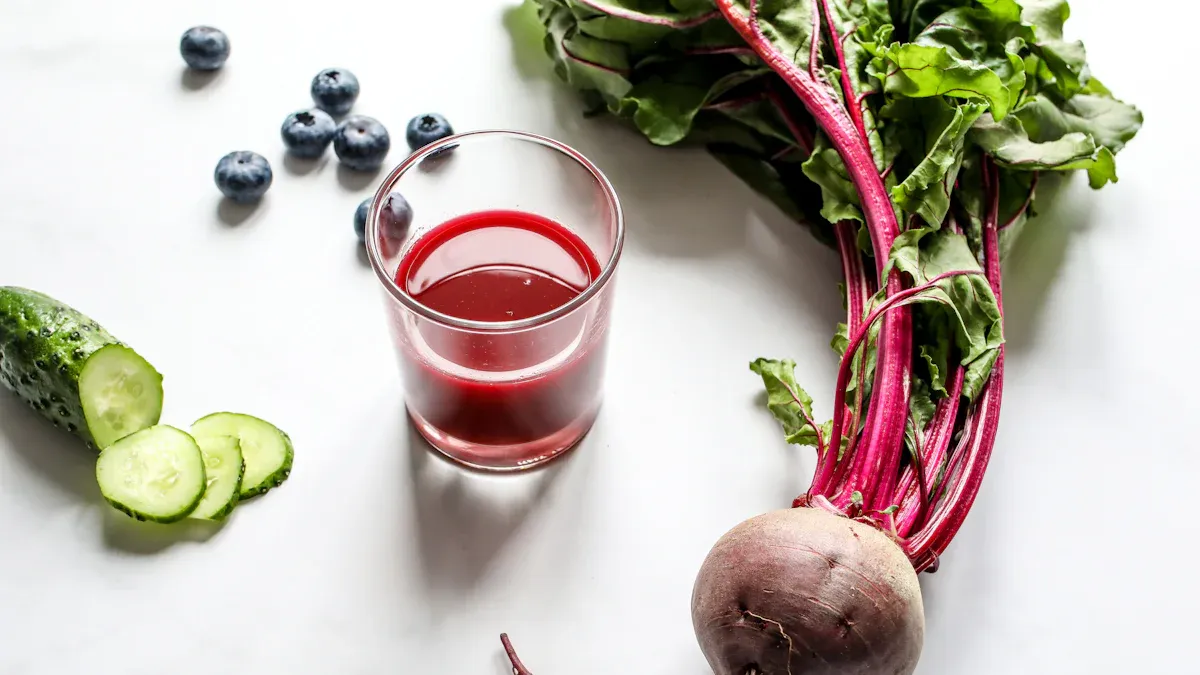
Don’t toss those leafy tops! Many people overlook the incredible value of beet greens. These aren’t just a byproduct of the beet root. Beet greens are a true nutrient powerhouse. They offer significant nutrition. In fact, beet greens boast a nutrient density score of 87.08, placing them among the top leafy greens, as shown below:
Vegetable | Nutrient Density Score |
|---|---|
Watercress | 100 |
Chinese Cabbage | 91.99 |
Swiss Chard | 89.27 |
Beet Greens | 87.08 |
Spinach | 86.43 |
Chicory | 73.36 |
They pack essential vitamins and minerals. You will find many health benefits in them. This blog explores the specific beet greens nutrition benefits. It also gives practical ways to enjoy this amazing beet component. You will discover how it supports your overall health.
Key Takeaways
Beet greens are the leafy tops of the beet plant. They are full of vitamins and minerals.
Eating beet greens helps your heart. They can lower blood pressure.
Beet greens are good for your digestion. They have fiber that helps your gut.
These greens protect your eyes. They contain nutrients that keep your vision healthy.
Beet greens help your bones and immune system. They have vitamins that make you strong.
H2: Beet Greens Nutrition Profile
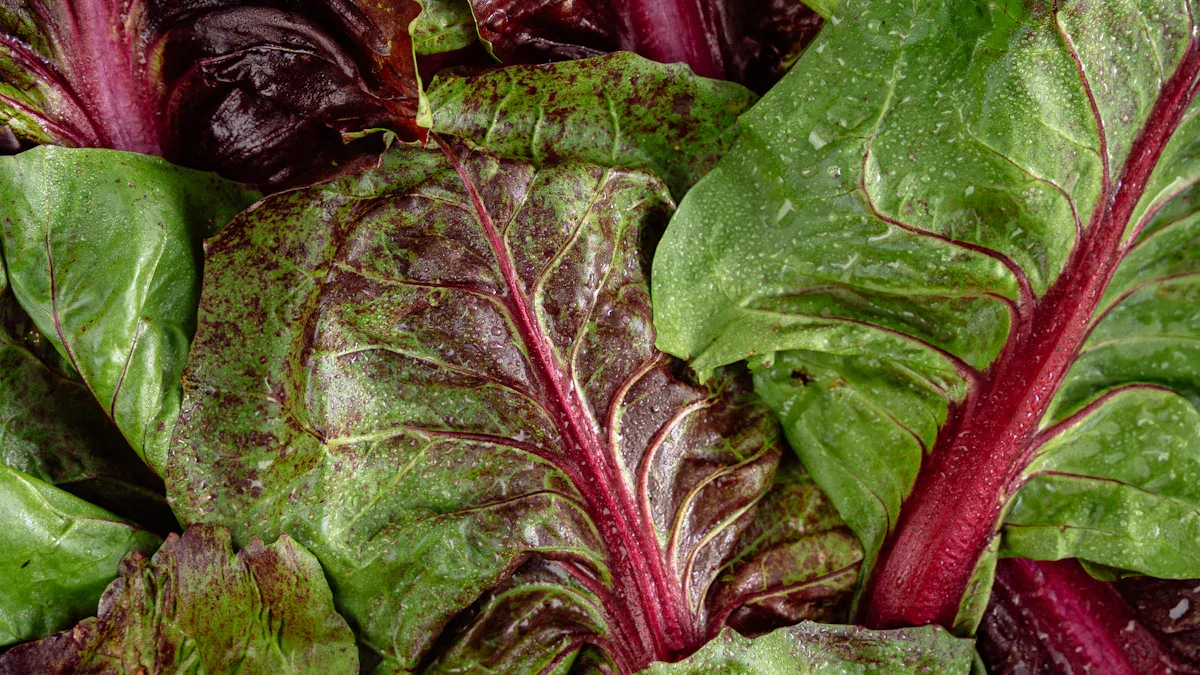
Beet greens offer you a great source of nutrition. They are truly a nutrient-dense food. You get many vitamins, minerals, fiber, and antioxidants from them. A typical serving of beet greens (about one cup, cooked) contains only around 22 calories. This makes them a powerful addition to your diet. You gain many beet greens nutrition benefits from this leafy vegetable.
Key Vitamins
Beet greens are packed with essential vitamins. You will find a wide array of these vital compounds.
Vitamin | Amount |
|---|---|
Folate (B9) | 6 μg |
Niacin | 0.2 mg |
Pantothenic acid | 0.1 mg |
Riboflavin (B2) | 0.1 mg |
Thiamine | 0 mg |
Vitamin A IU | 2404 IU |
Vitamin A | 120 μg |
Vitamin B12 | 0 μg |
Vitamin B6 | 0 mg |
Vitamin C | 11 mg |
Vitamin D IU | 0 IU |
Vitamin E | 1 mg |
Vitamin K | 152 μg |
You get a significant amount of Vitamin A from beet greens. This is due to their beta-carotene and lutein content. Lutein helps maintain eye health. It supports the well-being of your retina. Beet greens also provide Vitamin K. This vitamin is crucial for blood clotting. It helps prevent excessive bleeding. Vitamin K also plays a role in bone metabolism. It supports multiple cellular processes.
Essential Minerals
Beyond vitamins, beet greens supply you with important minerals. These minerals are vital for many body functions. Potassium is one such mineral. It helps maintain electrolyte balance. Potassium regulates fluid volume inside your cells. It also moves nutrients into and out of cells. This mineral supports proper nerve and muscle function. Potassium is an essential electrolyte. It activates various cell and nerve functions. It helps maintain normal fluid levels within cells. It also aids muscle contraction and normal blood pressure.
Phytonutrients and Antioxidants
Beet greens are rich in nutrients. They contain many phytonutrients and antioxidants. These compounds protect your body. You find carotenoid and flavonoid antioxidants in beet greens. Specific phytonutrients include:
Flavonoids
Beta-carotene
Lutein
Zeaxanthin
Beet greens contain phenolics. These are natural antioxidants. They act as free radical scavengers. Flavonoids, like Vitexin derivatives, support your body’s antioxidant defenses. Betalains are also present in beet greens. These are potent antioxidants. They help protect your cells from oxidative stress. Betalains prevent the production of reactive oxygen species. This helps preserve nitric oxide.
H2: Beet Greens Health Benefits
Beet greens offer many health benefits. You gain these advantages from their rich nutrition profile. These benefits support your overall well-being.
H3: Heart Health
Beet greens are good for your heart. They contain inorganic nitrate. This compound helps lower blood pressure. Studies show that nitrate-rich vegetables, like beet, significantly reduce both systolic and diastolic arterial pressure. Your body converts dietary nitrate into nitric oxide (NO). Nitric oxide is a potent vasodilator. It helps relax your blood vessels. This action largely mediates the beneficial effects of dietary nitrate on blood pressure. You get these important health benefits from eating beet greens.
H3: Digestive Wellness
You can improve your digestion with beet greens. They are an important source of dietary fiber. This fiber helps your gastrointestinal health. It modulates intestinal motility. It also improves stool consistency. Your gut microbiota partially ferments this fiber. This process creates short-chain fatty acids. Soluble fiber in beet greens also helps with osmotic balance. This improves fecal hydration. It makes defecation easier. Beet greens also contain compounds like dietary fiber, pectic-oligosaccharides, betalains, and phenolics. These compounds positively modulate your gut microbiota. They stimulate beneficial bacteria. They also increase the production of beneficial metabolites. This supports a diverse and healthy gut.
H3: Eye Health
Beet greens protect your eyes. They are an excellent source of lutein. Lutein is a powerful antioxidant. It benefits your eye health. It reduces the risk of age-related macular degeneration and cataracts. Lutein and zeaxanthin protect your ocular tissues. They do this through their antioxidant properties. They also absorb blue light. These carotenoids act as a natural filter. They absorb harmful blue visible light. They also quench singlet oxygen and lipid peroxy radicals. This protects your eyes from damage. Increasing your intake of fruits and vegetables high in lutein and zeaxanthin can slow age-related cataracts. It can also slow macular degeneration. These antioxidants accumulate in your retina. They protect your eyes from harmful free radicals.
H3: Bone and Immune Support
Beet greens strengthen your bones and immune system. They provide essential vitamins and minerals. Vitamin K supports bone metabolism. It also helps with blood clotting. Vitamin C is crucial for boosting immunity. It improves your immune response. It helps fight off infections. Vitamin C aids in the production of white blood cells. Magnesium acts as an anti-inflammatory mineral. It protects your body from chronic health problems. This supports your overall immune health. The beet greens nutrition benefits include these vital supports for your health.
H3: Anti-Inflammatory Effects
Beet greens have strong anti-inflammatory properties. They contain betalains, like betanin. These compounds interact with NF-κB. NF-κB regulates inflammatory responses. Betalains suppress its binding with DNA. This reduces the transcription of inflammatory cytokines. Betalains also inhibit LOX and COX enzymes. These enzymes produce pro-inflammatory mediators. Beet greens also contain the flavonoid vitexin. Vitexin and its derivatives contribute to these anti-inflammatory benefits. These antioxidants help your body fight inflammation. You gain these health benefits of eating beet greens regularly.
H2: Incorporating Beet Greens into Your Diet
You can easily add beet greens to your daily meals. These leafy greens offer great nutrition. You will find many ways to enjoy beet greens. They are versatile and delicious.
H3: Simple Preparation
First, wash your beet greens thoroughly. Remove any tough stems. You can reduce their natural bitterness. Try blanching them. Briefly cook the beet greens in boiling water. This helps remove some bitterness. You can also add acid like vinegar or citrus juice. A sprinkle of salt also mellows the bitter flavor. Slow-cooking methods, like braising, tenderize tough leaves. You can also add strongly flavored ingredients. Think of sweet or spicy elements. These include roasted squash or garlic.
H3: Delicious Recipe Ideas
Beet greens fit into many dishes. You can start your day with them. A popular breakfast option is Potato and Beet Green Hash. This dish is both yummy and nutritious. Another idea is Good Ole’ Fashioned Eggs, Beet Greens & Toast. For this, you chop beet greens into thin slices. Then, you sauté them with avocado oil and garlic salt. You can also enjoy beet greens for dinner. Try a Roasted Beet Salad. This recipe uses every part of your beet, including the leaves. Microwave Beets with Greens and Goat Cheese is another great dinner choice. It uses the beet greens as a key component. For a side dish, consider Superhero Sautéed Beet Greens. This recipe highlights their delicate texture. You can also make Roasted Beets and Beet Greens with Goat Cheese Crostini. Sautéed beet greens are simple to make. You just need olive oil, garlic, and seasonings. This makes a delicious and nutritious side for any meal.
H3: Selection and Storage
Choose fresh beet greens with vibrant, crisp leaves. Avoid any that look wilted or yellow. Store your beet greens in the refrigerator. Place them in a plastic bag. They will stay fresh for a few days. Adding these beet greens to your diet is simple. You gain many health benefits.
You now understand the incredible nutrition of beet greens. These leafy greens offer many health benefits. They are a truly nutrient-rich food. Beet greens support your heart health and digestion. They also boost your immune system. Make beet greens a regular part of your diet. You will gain great health benefits. Experiment with different beet recipes. Choose nutrient-rich foods to take charge of your health. Your body will thank you for these nutrient-rich beet greens. This simple beet addition improves your overall health. Embrace the full nutrition of the beet greens.
FAQ
What are beet greens?
Beet greens are the leafy tops of the beet plant. You get many vitamins and minerals from these beet greens. They are a nutritious part of the beet. You can eat these beet greens just like other leafy vegetables. This beet offers great nutrition.
How do beet greens help your digestion?
Beet greens are rich in fiber. This fiber helps your digestive system. It promotes regular bowel movements. Fiber also feeds good gut bacteria. Eating beet greens supports a healthy gut. This beet component is excellent for digestion.
What vitamins do beet greens contain?
Beet greens are packed with vitamins. You get Vitamin A, Vitamin K, and Vitamin C. These vitamins boost your immunity and bone health. Beet greens are a powerhouse of essential nutrients. Every part of the beet is good for you.
Can you eat raw beet greens?
Yes, you can eat raw beet greens. Add them to salads or smoothies. Raw beet greens have a slightly bitter taste. Cooking beet greens can make them milder. Enjoy your beet greens in many ways. This versatile beet part is delicious.