

At one year old, a cup becomes part of the daily rhythm at the high chair, in the stroller, and on the sofa. You need one that suits a newly developing grip, handles small spills, and gives your toddler a comfortable step toward drinking independently without adding another complicated routine.
The Choices Worth Comparing

GROSMIMI PPSU Stage 1 Straw Cup
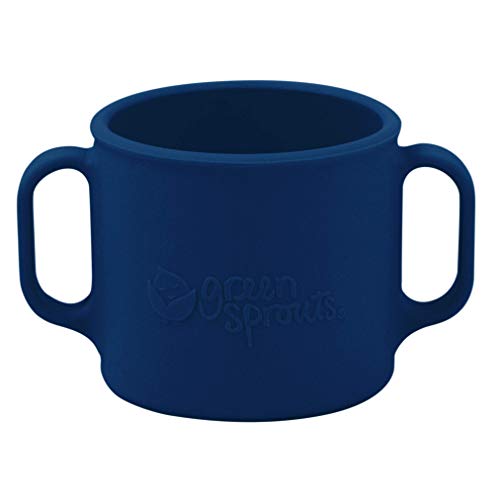
Green Sprouts Learning Cup

The First Years Bluey Insulated Sippy Cups 9 oz, 2-Pack

Sperric Silicone Training Cups 2-Pack

SAMiGO Silicone Baby Straw Cup
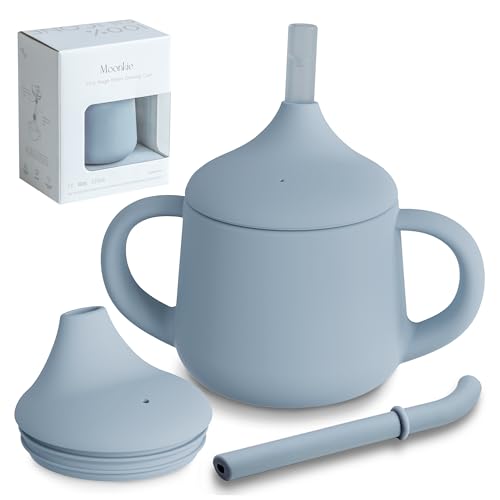
Moonkie 3-Stage Silicone Training Cup 4 oz
Taking A Closer Look At The Options
A first straw can feel awkward until your toddler understands where to place their lips. This cup reduces that uncertainty with a cross-cut straw that creates a controlled sip, while the 10-ounce size gives you room for milk, water, or diluted juice during a longer sitting.
PPSU is a heat-resistant plastic used in demanding drinkware, and this model combines it with silicone in the drinking path. Two rotating handles follow your toddler’s hands, making the GROSMIMI PPSU Stage 1 Straw Cup a practical fit for children around one year who are still learning to steer a cup.
Everyday Wins
- The soft Stage 1 straw suits tender gums and early sipping.
- Rotating handles reduce awkward wrist positions.
- Full disassembly supports thorough everyday cleaning.
- Microwave and dishwasher use keeps cleanup straightforward.
Trade Offs
- The 10-ounce capacity may feel generous for a child still taking small sips.
- A firmer Stage 2 straw becomes necessary once chewing becomes common.
Key Specs
Who It Suits Best
Parents of babies around one year who want a durable straw cup with a gentle first-stage drinking tip.
Consider Something Else When
Choose the Green Sprouts Learning Cup for a handle-and-base design that emphasizes open drinking practice rather than a straw.
A toddler who has outgrown a bottle often needs a cup that feels stable before it needs to be sophisticated. The Green Sprouts Learning Cup gives little hands two gripping points, while the broad base helps the cup remain planted on a tray or table.
Its silicone construction is flexible, heat-resistant, and less likely to break than a hard cup in a busy dining area. For your one-year-old, this simpler approach may be easier to introduce than a straw system, although it offers a different learning path from the GROSMIMI PPSU Stage 1 Straw Cup.
Useful Touches
- Two easy-grip handles support a developing grip.
- The wide base adds stability during first attempts.
- Silicone construction makes the cup flexible and heat-resistant.
- A slip-resistant finish helps limit sliding on smooth surfaces.
A Few Limitations
- The 12-month positioning suits a child ready for cup practice rather than a newborn’s first sips.
- Check the shape and handle spacing against your child’s grip before making it the only cup at meals.
Made For
Toddlers learning to grasp and drink from an open cup with steady adult support nearby.
Look Elsewhere When
The SAMiGO Silicone Baby Straw Cup offers a better route for a child ready to learn through a removable straw and lid.
Bluey graphics make a familiar cup feel more welcoming, which can help at the stage when your toddler has strong preferences. The double-wall construction adds insulation, meaning less outside warmth transfers through the cup during a car ride, picnic, or slow afternoon drink.
The shorter, bite-resistant spout introduces the sipping action used with an open cup without asking for an abrupt change. A protective bumper around the lid adds another layer of drop protection, and the two-cup pack is convenient for home, daycare, or a relative’s house.
Notable Upsides
- Double-wall construction helps maintain a cooler drink.
- Character artwork makes the cup easier to recognize.
- The short spout supports a gradual move toward open cups.
- Two cups reduce the need to move one between locations.
Where It May Fall Short
- The 9-ounce size may hold more than some first-time sippers need.
- The firmer spout offers a different feel from a soft silicone straw.
Feature Snapshot
Right Fit For
Families whose one-year-old is ready for a spout, likes familiar characters, and needs insulated drinkware for outings.
A Better Fit Elsewhere
The Sperric Silicone Training Cups 2-Pack may feel gentler for a child still adjusting to a soft drinking surface.
Early drinking practice calls for a small change in routine, not a flood of new textures. These red silicone cups use a smooth, soft spout designed for babies around 6 to 12 months, giving your child another route away from a bottle without introducing a hard drinking edge.
The flexible material also gives little hands something easy to squeeze. A non-slip grip helps steady the cup, and the two-cup pack gives you a backup at home or on a family outing. Compared with the insulated Bluey cups, this pair puts softness and simple handling first.
Where It Excels
- The soft spout offers a gentle starting point for new sippers.
- Flexible silicone gives small hands an easy hold.
- The two-pack covers separate cups for different locations.
- Dishwasher-safe construction reduces handwashing work.
Practical Considerations
- Open-cup practice can involve more splashing than straw drinking.
- Confirm that two similar cups suit your needs rather than separate developmental stages.
Quick Facts
Who Will Love This
Parents of babies around 6 to 12 months who are ready for a gentle, flexible introduction to cup drinking.
Not Your Match When
The GROSMIMI PPSU Stage 1 Straw Cup fits better when you want a defined straw and higher heat tolerance during repeated cleaning.
Knowing how much remains in a cup matters during diaper days and on longer outings. The clear window on the SAMiGO Silicone Baby Straw Cup includes milliliter and ounce markings, so you can check the level without removing the lid or guessing from the outside.
A built-in straw valve regulates the flow for a steadier sip, while the tight lid stays attached during casual movement. Remove the lid and the same cup becomes an open drinking option with a non-slip finish and two easy-grip handles, giving the design more range than the fixed-lid Sperric pair.
What Stands Out
- The transparent window makes drink levels easy to monitor.
- Metric and ounce markings support consistent servings.
- The valve helps maintain an even flow for beginners.
- Removing the lid creates a second drinking mode.
- Two handles and a non-slip finish improve grip.
Small Caveats
- The removable lid, straw, and valve create more parts to keep together during cleaning.
- Open-cup use can bring more splashing than the straw setup.
Technical Highlights
Built With In Mind
Families moving from bottles to straws who want to monitor portions and practice open drinking with the same cup.
Reach For A Different Pick When
The Moonkie 3-Stage Silicone Training Cup 4 oz suits you better when a compact multi-stage design matters more than visible measurements.
A smaller drink volume can make sense for a child who takes brief sips or is still building appetite. The Moonkie 3-Stage Silicone Training Cup 4 oz uses a compact silicone format designed to move from bottle feeding toward a sippy cup and then toward independent open-cup drinking.
That progression is the main appeal: you can follow your toddler’s changing skills without replacing the entire cup at every step. The 4-ounce size is modest enough for small servings, although it may call for another drink sooner than the 9-ounce or 10-ounce cups elsewhere in this group.
Useful Highlights
- Three stages support a gradual drinking transition.
- The compact 4-ounce capacity suits smaller servings.
- Silicone construction gives the cup a soft, flexible feel.
- The progression moves from bottle use toward open drinking.
Points To Note
- The 4-ounce capacity may require more frequent refills.
- A compact cup may be less practical for long journeys or substantial drinks.
Best Suited To
Parents of babies and toddlers who want a compact cup that follows several early drinking stages.
Swap It Out When
The SAMiGO Silicone Baby Straw Cup offers more capacity, visible measurements, and a removable straw for children already drinking through straws.
What Matters As Your Toddler Starts Drinking Independently
Start with the drinking method your child can comfortably manage. A straw suits a child ready to close lips around a narrow tube, a spout offers a familiar edge to pull on, and an open cup supports a gradual shift away from a sealed bottle. Your toddler’s willingness matters more than a calendar milestone.
Capacity should match normal serving size rather than the largest amount the cup can hold. A 4-ounce model may serve short drinks, while 9- and 10-ounce cups can accommodate more substantial portions. Choose a volume that fits the child’s routine and remains comfortable to lift.
Grip and stability deserve a hands-on check. Two handles, a wide base, rotating grips, and a non-slip surface each support a different type of grasp. Let your child hold the cup during a calm snack and notice whether the wrists stay relaxed or the child repeatedly tries to reposition it.
Cleaning fit is just as practical. Fully disassembling parts can make thorough rinsing easier, while dishwasher and microwave compatibility can reduce daily work. Match the stated cleaning methods to the equipment available in your home, especially during busy stretches when cleanup takes over the routine.
Common Pitfalls When Moving From Bottles to Cups
The most common mistake is choosing a drinking method before your toddler shows readiness. Watch how they handle a spoon, bring objects to their mouth, and maintain a grip, then introduce one cup style at a time.
Another trap is choosing the largest cup simply because it lasts longer between washes. A smaller serving can encourage your child to finish the amount they requested and may make the cup easier to control.
What Separates Premium From Basic
Higher-cost cups often add material flexibility, heat tolerance, insulation, measurement visibility, or a lid that converts into another drinking mode. These additions help when you need frequent cleaning, temperature control, or a longer developmental progression.
The extra spending makes sense only when your daily routine uses those features. A simple stable cup can be more useful than a complicated one your toddler resists or you rarely clean correctly.
Frequently Asked Questions
Are sippy cups better than open cups for a one-year-old?
A sippy cup offers a controlled way to practice sipping, while an open cup supports a more independent drinking style. Choose the format your toddler accepts and can use with steady support.
What size cup is best for a one-year-old?
Choose a capacity close to your child’s typical serving rather than the largest available option. Smaller 4-ounce cups suit brief drinks, while 9- and 10-ounce cups cover larger portions.
Are silicone cups easier to clean?
Fully detachable silicone parts can be easy to rinse and wash. Check the stated dishwasher guidance and confirm that your child can reach the straw, valve, lid, and handles during cleaning.
Should a one-year-old use a straw or an open cup?
A straw can work for a child ready to seal their lips around it, while an open cup suits a child practicing a more independent drinking motion. Introduce the format that feels easiest for your toddler to master.
How do I help my toddler drink from a cup?
Offer small amounts, keep the cup stable, and show a short sip rather than repeatedly directing the mouth. Regular low-pressure practice matters more than a quick change in drinking method.
Wrap Up
The right cup for a one-year-old fits a developing grip, matches your child’s current drinking skills, and fits the cleaning routine you can sustain. A gentle open cup, controlled straw, or familiar spout can all work, so begin with your toddler’s comfort and adjust as their abilities change.
