

By coincidence, you could reach for a can and find your dinner plans suddenly easier. You want a sauce that’s truly gluten free, tastes good, and won’t ruin a recipe. I’ll point out five reliable options, packaging observations, and what to watch on labels so you can pick the right jar or can for weeknight meals – and avoid surprises at the table.
| Amazon Grocery Tomato Sauce 8 oz |

| Reliable Everyday | Gluten-free status: Implied gluten-free (made from tomatoes; no gluten mentioned) | Primary ingredient: California-grown tomatoes | No artificial preservatives/colors/flavors: No change in formulation; no artificial preservatives noted | VIEW LATEST PRICE | Read Our Analysis |
| Hunt’s Tomato Sauce Perfect for Chili & Soups 15 oz. Can |

| Flavor Boost | Gluten-free status: Gluten-free (100% natural tomato sauce; non-GMO; no artificial ingredients) | Primary ingredient: Vine-ripened tomatoes | No artificial preservatives/colors/flavors: No artificial preservatives or ingredients | VIEW LATEST PRICE | Read Our Analysis |
| Botticelli Tomato Basil Italian Pasta Sauce (6-Pack) |

| Authentic Italian | Gluten-free status: Explicitly gluten-free | Primary ingredient: Fresh cultivated tomatoes (Product of Italy) | No artificial preservatives/colors/flavors: No artificial colors, flavors, or preservatives | VIEW LATEST PRICE | Read Our Analysis |
| Contadina Tomato Sauce 29 oz (Pack of 6 Cans) |

| Family-Sized Staple | Gluten-free status: Implied gluten-free (100% Roma tomatoes; no artificial flavors) | Primary ingredient: 100% Roma tomatoes | No artificial preservatives/colors/flavors: No artificial flavors | VIEW LATEST PRICE | Read Our Analysis |
| Hunt’s Tomato Sauce Perfect for Chili & Soups 8 oz. Can |
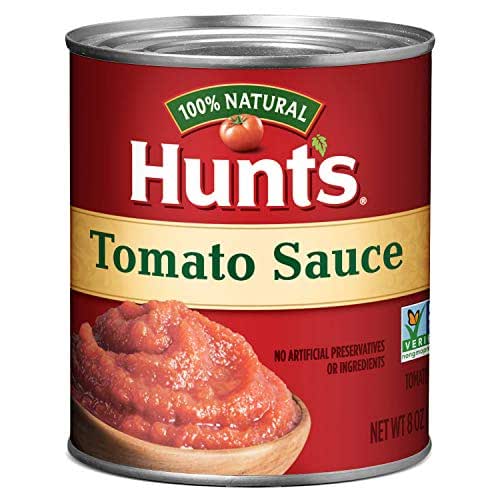
| Keto-Friendly Pick | Gluten-free status: Implied gluten-free (made from tomatoes; no added sugars or artificial preservatives) | Primary ingredient: Vine-ripened tomatoes | No artificial preservatives/colors/flavors: No artificial preservatives | VIEW LATEST PRICE | Read Our Analysis |
More Details on Our Top Picks
Amazon Grocery Tomato Sauce 8 oz
Supposing you want a simple, budget-friendly tomato sauce that’s gluten free and consistent, Amazon Grocery Tomato Sauce (8 oz) is a smart pick – it’s made from California‑grown tomatoes, sold in a single 8‑ounce can, and kept the same even as packaging shifts from Amazon Fresh to Amazon Grocery. You’ll get a straightforward sauce for everyday cooking and reliable flavor in pastas, stews, and sauces. Ingredients and formulation haven’t changed, so you don’t need to worry about substitutions during the branding changeover. Packaging could differ, but the product and Amazon Grocery’s promise of affordable essentials stay steady.
- Gluten-free status:Implied gluten-free (made from tomatoes; no gluten mentioned)
- Primary ingredient:California-grown tomatoes
- No artificial preservatives/colors/flavors:No change in formulation; no artificial preservatives noted
- Suitable uses / meal ideas:Everyday cooking and great-tasting meals
- Packaging type & size format:Single 8 oz can (packaging transition noted)
- No added sugar / sweeteners:No added sugar mentioned (formulation unchanged)
- Additional Feature:California-grown tomatoes
- Additional Feature:Transitioned packaging branding
- Additional Feature:Everyday budget-friendly staple
Hunt’s Tomato Sauce Perfect for Chili & Soups 15 oz. Can
Provided that you need a simple, reliable gluten-free tomato sauce for chili and soups, Hunt’s 15 oz. can is a great pick-it’s 100% natural, non‑GMO, and free of added sugars or artificial preservatives. You’ll get a vine‑ripened tomato flavor and rich, smooth texture that enhances chili, soups, spaghetti, pizza sauce, and meatballs. The sauce’s simple blend of salt, spices, and natural seasonings keeps recipes straightforward while offering 20 calories per serving. Tomatoes are picked at peak ripeness for consistent quality. Keep cans in your pantry for quick, dependable meal building without concealed sweeteners or additives.
- Gluten-free status:Gluten-free (100% natural tomato sauce; non-GMO; no artificial ingredients)
- Primary ingredient:Vine-ripened tomatoes
- No artificial preservatives/colors/flavors:No artificial preservatives or ingredients
- Suitable uses / meal ideas:Chili, soups, pizza, spaghetti, meatballs, other pastas
- Packaging type & size format:15 oz can
- No added sugar / sweeteners:No sugar, corn syrup, or other sweeteners
- Additional Feature:Non-GMO Project Verified
- Additional Feature:Simmered with spices
- Additional Feature:Vine-ripened tomato flavor
Botticelli Tomato Basil Italian Pasta Sauce (6-Pack)
Assuming you want an authentic-tasting, gluten-free pasta sauce that’s ready to go from pantry to plate, Botticelli’s Tomato Basil 6-pack is a smart pick. You get six 24 oz glass jars imported from Italy, sealed to lock in freshness and reduce breakage during shipping. The sauce blends fragrant tomato and basil with a slightly sweet, mild peppery nuance, based on traditional Italian recipes. It contains no added sugar, artificial colors, flavors, or preservatives, and is made from carefully cultivated ingredients. Use it on spaghetti, lasagna, soups, chicken, meatballs, or seafood-supported with a 100% money-back guarantee.
- Gluten-free status:Explicitly gluten-free
- Primary ingredient:Fresh cultivated tomatoes (Product of Italy)
- No artificial preservatives/colors/flavors:No artificial colors, flavors, or preservatives
- Suitable uses / meal ideas:Spaghetti, lasagna, soups, chicken, meatballs, seafood, comfort foods
- Packaging type & size format:24 oz glass jar (6-pack)
- No added sugar / sweeteners:No added sugar
- Additional Feature:Product of Italy
- Additional Feature:Glass jar packaging
- Additional Feature:100% money-back guarantee
Contadina Tomato Sauce 29 oz (Pack of 6 Cans)
In case you want a reliable, pantry-ready tomato sauce made from 100% Roma tomatoes, Contadina’s 29 oz cans (pack of 6) deliver a sturdy, authentic Italian base that’s ideal for busy families and home cooks. You’ll get six carefully packed cans stored easily in your pantry, non-GMO and free of artificial flavors. Roma tomatoes give a rich, low-seed texture that’s perfect for spaghetti, lasagna, pizza, or any pasta dish. With Contadina’s heritage since 1918, you can count on consistent flavor and convenience – just open a can and start cooking a family-style meal in minutes.
- Gluten-free status:Implied gluten-free (100% Roma tomatoes; no artificial flavors)
- Primary ingredient:100% Roma tomatoes
- No artificial preservatives/colors/flavors:No artificial flavors
- Suitable uses / meal ideas:Spaghetti, lasagna, pizza, pasta, other Italian dishes
- Packaging type & size format:29 oz cans (pack of 6)
- No added sugar / sweeteners:No artificial flavors (no explicit sweeteners listed)
- Additional Feature:Made from Roma tomatoes
- Additional Feature:Brand since 1918
- Additional Feature:Large family-size cans
Hunt’s Tomato Sauce Perfect for Chili & Soups 8 oz. Can
Choose Hunt’s 8 oz Tomato Sauce whenever you desire a simple, low-carb base that won’t overpower recipes-it’s made from vine-ripened tomatoes simmered with salt, spices, and natural seasonings, contains no added sugars or artificial preservatives, and delivers about 2 g net carbs and 20 calories per serving, making it a handy keto-friendly option for chili, soups, pastas, and year‑round cooking. You’ll appreciate its smooth, rich texture that enhances meatballs, stews, and sauces without masking other flavors. The 8 oz can is convenient for single recipes or small households, pantry-stable, and free of corn syrup or sweeteners.
- Gluten-free status:Implied gluten-free (made from tomatoes; no added sugars or artificial preservatives)
- Primary ingredient:Vine-ripened tomatoes
- No artificial preservatives/colors/flavors:No artificial preservatives
- Suitable uses / meal ideas:Pastas, meatballs, chili, soups, year‑round use
- Packaging type & size format:8 oz can
- No added sugar / sweeteners:0 g added sugar; no sweeteners
- Additional Feature:Keto friendly snack
- Additional Feature:2 g dietary fiber
- Additional Feature:Small single-serve can
Factors to Consider When Choosing Gluten Free Canned Tomato Sauces
As you pick a gluten-free canned tomato sauce, check the ingredient list for concealed grains and watch for added sugars and high sodium levels. You’ll also want to confirm gluten-free certification and ask about allergen cross-contact on the label or manufacturer site. These steps help you compare nutrition and safety promptly so you can choose a sauce that fits your needs.
Ingredient Transparency
Because labels don’t always tell the whole story, you should look for complete, specific ingredient lists and clear gluten-free or third-party certification statements before buying canned tomato sauce. Read labels that name each component-tomatoes, basil, salt, olive oil-instead of vague terms like “natural flavors” or “spices,” which can conceal gluten-containing additives. Check for explicit gluten-free badges and whether the maker discloses testing protocols or allergen control measures. Scan for undisclosed gluten sources such as wheat-based thickeners, malt vinegar, soy sauce, hydrolyzed wheat protein, or modified food starch with unspecified origin. Prefer products that state facility details-“gluten-free certified facility” or dedicated gluten-free lines. Should processing aids be vague, contact the manufacturer or check their website for clarification.
Allergen Cross-Contact
Although a gluten-free label helps, you should still check for cross-contact risks like “processed in a facility that also processes wheat” or shared-line warnings, since equipment, bulk storage, and shared utensils can transfer trace gluten into canned tomato sauce. Read allergen statements carefully and scan ingredient lists for concealed gluten sources such as malt, wheat-derived dextrin, or wheat-based thickeners. In the event labels raise questions, contact the manufacturer to ask whether they use dedicated gluten-free lines, their cleaning protocols between runs, and how often they test for residues (ELISA testing down to 20 ppm is common). Also weigh facility-level risks: multi-product plants, bulk ingredient storage, and documented segregation or labeling practices all affect cross-contact likelihood.
Gluten-Free Certification
In case you require reliable gluten avoidance, look for a trusted third-party gluten-free certification logo (for example, GFCO or NSF Gluten-Free) on the can – it shows the product has been tested and meets defined gluten thresholds. Certified products are typically tested to contain less than 20 ppm of gluten, the commonly adopted labeling cutoff. Certification programs also require documented supplier controls and manufacturing audits to reduce cross-contact risk during processing, storage, and packaging. Even with a logo, check the certificate scope or label notes to confirm coverage for that specific product batch or facility whenever lines are shared. Certifications are renewed periodically and rely on routine testing, so verify packaging dates or manufacturer statements should you need strict, current assurance.
Added Sugars Presence
As you’re scanning cans for truly sugar-free options, focus initially on the ingredient list and the Nutrition Facts “Added Sugars” line – any mention of sugar, high-fructose corn syrup, corn syrup, glucose, fructose, evaporated cane juice, or fruit concentrates means sugar was added. Also watch for sweeteners listed under alternate names like maltodextrin, dextrose, or cane juice solids; manufacturers sometimes hide sugars in less obvious terms. The “Added Sugars” entry shows grams and % DV – 0 g means no declared added sugars per serving. Keep in mind that tomatoes contribute natural sugars and can raise total and net carbs, so check carb counts if you follow low-carb or keto. Should labels be vague, consult the manufacturer’s ingredient statement or customer service to confirm no sugars were added.
Sodium And Nutrition
After checking for added sugars, also look closely at sodium and total nutrition-many canned tomato sauces pack 300–500 mg of sodium per half‑cup, a large share of the 2,300 mg daily guideline. Check the Nutrition Facts for sodium per serving and compare reduced‑sodium or low‑sodium options; low‑sodium means 140 mg or less per serving. Read ingredients for added salt and sodium-containing preservatives (sodium citrate, sodium benzoate), which elevate sodium even in the absence of sugar. Observe the label serving size-recipes and portions often exceed a half‑cup, so multiply sodium by the amount you’ll actually eat. Should you track other nutrients, also review calories, total carbs, fiber, and added sugars, since lower sodium versions can substitute other ingredients.
Flavor And Texture
At any time you’re choosing a gluten‑free canned tomato sauce, focus initially on flavor and texture because they determine how the sauce performs across dishes; simple ingredient lists (tomatoes, basil, garlic, salt) usually deliver a cleaner, fresher tomato taste, while added oil, sugar, or puréeing change richness and mouthfeel. You’ll want a smooth puree for silky soups and delicate sauces, and a chunky sauce with visible tomato pieces for pasta bakes or as a pizza base. Check acidity-moderate tartness brightens dishes, but too much overwhelms. Observe oil and sugar levels: more oil or natural sugars give a fuller, silkier coating; no‑added‑sugar variants taste lighter and sharper. Finally, assess seasoning balance and cooked versus fresh herb/garlic notes to match your recipe.
Packaging Materials Safety
Once you’ve settled on the flavor and texture that suit your recipe, check the packaging-because what holds the sauce can affect safety, taste, and shelf life. You should prioritize BPA-free cans or lids with epoxy-free alternatives to avoid bisphenol leaching into acidic tomato sauce. If possible, pick food-grade glass or cartons (Tetra Pak); non-metallic options eliminate metal corrosion risks and reduce chemical migration. Inspect packaging closely: no bulging, rust, deep dents, or compromised seals, since damage raises contamination and spoilage risks. Read storage and handling labels to confirm corrosion-resistant inner linings and recommended temperatures, preventing lining breakdown. Finally, consider recyclable, inert materials for long-term storage-glass is least reactive and preserves safety and flavor.
Serving Size Compatibility
Consider about how much sauce you actually use per person before you buy: check the serving size on the label (commonly 1/2 cup or 125 g) and compare it to your typical portions so you can track calories, carbs, and sodium accurately. Also compare servings per container – small cans often list 1–4 servings, jars 4–8 – so you know whether one package covers a meal or several without opening extras. In case you follow keto or low‑carb, verify net carbs and fiber per serving, not per container. For families, multiply household portions (e.g., 4 × 1/2 cup = 2 cups) to pick packaging that minimizes waste. For kids or sensitive eaters, reduce the listed serving size and recalculate nutrients and sodium.
