

Some routines call for a spoonful mixed into coffee, while others work better with capsules and no prep. This lineup covers mushroom powders, fruiting-body extracts, and closely related herbal options so you can compare format, concentration, and ingredient simplicity before making a choice. You’ll also find three products that contain other botanicals, which helps you avoid mistaking them for Lion’s Mane alternatives.
The Lineup, Simplified

Laird Superfood Organic Lion’s Mane Mushroom Powder

SMSHEALTHPRODUCTS 50% Lion’s Mane Powder Extract

Lumos Life Organic Lion’s Mane Capsules 40% Polysaccharides 60 Count

TERRA ELMNT Black Maca

TERRA ELMNT 16:1 Lion’s Mane Capsules with Ashwagandha and Rhodiola
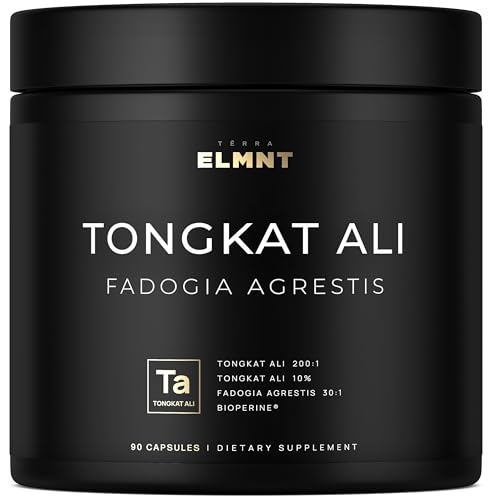
TERRA ELMNT 200x Tongkat Ali
The Picks, Examined More Closely
A smooth morning coffee can become a convenient place to add a mushroom powder without interrupting your routine. Laird Superfood uses organic Lion’s Mane mushroom powder with mycelium and fruiting-body components, offering a simple ingredient profile without fillers or preservatives.
The mild, neutral flavor and easy dissolution make this practical for coffee, tea, smoothies, or recipes. Compared with the concentrated SMSHEALTHPRODUCTS extract, it feels like the easier choice when you want recognizable mushroom powder rather than a tightly standardized extract.
The Practical Payoff
- Mixes readily into hot or cold drinks
- Uses organic mushroom material without fillers
- Supports flexible use in drinks and recipes
- Keeps the ingredient list focused on one mushroom
Trade Offs
- Your routine requires a mixing step rather than portable capsules
- A single-mushroom formula offers less variety than blended formulas
Key Specs
Made For
You benefit most from this powder when you already prepare drinks or smoothies and prefer a simple mushroom ingredient over a capsule or multi-herb formula.
Consider Something Else When
Lumos Life Organic Lion’s Mane Capsules suit you better when portability and no mixing matter more than powder versatility.
Concentration can matter when you want a Lion’s Mane product built around a defined polysaccharide level rather than an undifferentiated mushroom powder. Polysaccharides are carbohydrate components associated with mushroom structure, and this product lists them at 50%.
That makes it a narrower fit than Laird Superfood’s mild whole-mushroom powder. You may favor this approach for a concentrated powder routine, although the product name provides less context about mushrooms parts or accompanying ingredients.
Where It Delivers
- Clearly lists a 50% polysaccharide concentration
- Uses powder form for flexible recipe use
- Targets shoppers focused on extract standardization
Small Caveats
- The concentrated positioning may not suit shoppers seeking a simple whole-mushroom powder
- Brand and ingredient context is less specific than Laird Superfood’s presentation
Quick Facts
Right Fit For
You benefit most from this extract when powder format and a stated polysaccharide percentage matter more to your selection than a broader mushroom-part profile.
A Better Fit Elsewhere
Laird Superfood Organic Lion’s Mane Mushroom Powder suits you better when mild flavor, mushroom-part details, and straightforward mixing take priority.
A capsule format removes the measuring and mixing step, which makes this option easier to carry on a commute or keep beside a work bag. Lumos Life centers the formula on organic Lion’s Mane fruiting-body extract rather than a broad mushroom blend.
The 40% polysaccharide standardization gives you a concrete point of comparison with the 50% formulas elsewhere. Its 60-count bottle and vegetable capsules make it a practical middle ground between single-ingredient powder and multi-herb concentrates.
Notable Gains
- Removes the need to mix or prepare a drink
- Uses Lion’s Mane fruiting-body extract
- States a 40% polysaccharide level
- Comes in vegetable capsules with 60 capsules
- Made in the United States
Practical Considerations
- Capsules offer less flexibility for adjusting a recipe
- Its 40% standardization sits below the 50% figure used by some alternatives
Feature Snapshot
Who Will Love This
You benefit most from these capsules when you travel, split your routine between locations, or simply prefer a mushroom product that requires no preparation.
Where A Sibling Pick Shines
TERRA ELMNT 16:1 Lion’s Mane Capsules with Ashwagandha and Rhodiola suit you better when a multi-ingredient capsule formula is preferred over a mushroom-centered product.
This formula sits outside the Lion’s Mane category, so it serves a different purpose rather than competing directly with the mushroom powders. TERRA ELMNT pairs organic black maca root with ashwagandha root extract, creating a two-herb capsule formula for shoppers seeking a maca-centered routine.
The black maca material is described as a 40:1 extract, while the accompanying ashwagandha is presented at 15:1. You may find that combination more relevant to an adaptogen-based routine, but it offers no Lion’s Mane extract or mushroom polysaccharides.
Real-World Strengths
- Combines black maca with ashwagandha
- Uses organic Peruvian black maca root
- Capsule format avoids preparation
Where It May Fall Short
- It is not a Lion’s Mane product and cannot replace one
- Ashwagandha makes it unsuitable for a mushroom-only routine
- Its extract ratios are not comparable to polysaccharide percentages
Built With In Mind
You benefit most from this formula when black maca and ashwagandha are specifically the botanicals you want, rather than any mushroom-based option.
Swap It Out When
SMSHEALTHPRODUCTS 50% Lion’s Mane Powder Extract suits you better whenever Lion’s Mane and a stated polysaccharide concentration are the nonnegotiable features.
This capsule formula goes beyond a single mushroom, combining a 16:1 Lion’s Mane extract with ashwagandha and rhodiola. That broader design may suit you when you want several traditional wellness botanicals in one capsule rather than a separate mushroom-only product.
The Lion’s Mane material is standardized to 50% polysaccharides and made from fruiting bodies, giving you more specific concentration information than many powder listings. Concentration figures describe composition, though, so they shouldn’t be treated as a promise about how you’ll feel.
Features That Help
- Uses a 16:1 Lion’s Mane extract
- Standardizes polysaccharides to 50%
- Sources the mushroom from fruiting bodies
- Adds ashwagandha and rhodiola for a broader botanical profile
Points To Note
- The added botanicals reduce its appeal for a single-ingredient routine
- Extract concentration does not guarantee a particular personal outcome
- The 50% figure favors concentration-focused shoppers over whole-mushroom users
The Right Fit
You benefit most from this formula when you want concentrated Lion’s Mane in capsules and welcome ashwagandha and rhodiola as part of the same routine.
Reach For A Different Pick When
Lumos Life Organic Lion’s Mane Capsules 40% Polysaccharides 60 Count suit you better when a mushroom-centered capsule without added adaptogens fits your priorities.
Tongkat Ali is another category entirely, so this formula belongs beside the list as a botanical comparison rather than a Lion’s Mane choice. TERRA ELMNT uses a 200:1 Tongkat Ali extract and a 30:1 Fadogia Agrestis extract in a compact capsule format.
The Tongkat Ali component is standardized to 10% eurycomanone, a naturally occurring compound in the plant. That gives you a specific compositional marker, although you still need to consider whether this herbal profile matches your goals and the rest of your routine.
The Good Stuff
- Clearly states 10% eurycomanone standardization
- Combines concentrated Tongkat Ali and Fadogia Agrestis extracts
- Offers a simple capsule format
Some Limits To Know
- It contains no Lion’s Mane mushroom extract
- Its two-herb profile does not suit a mushroom-only preference
- Concentration figures cannot be compared directly with mushroom polysaccharide levels
Technical Highlights
Best Suited To
You benefit most from this formula when Tongkat Ali and Fadogia Agrestis are specifically the botanicals you want, not Lion’s Mane.
Another Choice May Suit
TERRA ELMNT Black Maca suits you better when a black maca and ashwagandha capsule formula fits your preferred botanical profile.
What Matters Before You Choose a Mushroom Extract
Powder or Capsules
Powder gives you control over texture and recipes, while capsules remove preparation and travel more easily. Your routine matters most here, since a convenient format you actually use is more useful than a versatile powder that ends up forgotten in a pantry.
Mushroom Parts and Concentrations
Fruiting body and mycelium are different parts of the mushroom’s life cycle. Comparing only the label name can be misleading, so check which part the product uses alongside any extraction ratio or polysaccharide percentage.
Single Ingredients or Botanical Blends
Single-mushroom formulas keep the ingredient list narrow, while blends add ingredients with their own considerations. A formula containing ashwagandha, rhodiola, Fadogia Agrestis, or black maca should be judged as a combined product rather than a Lion’s Mane substitute.
Reading the Label Clearly
An extract ratio describes concentration, and a polysaccharide percentage describes a particular mushroom component. Neither figure predicts a personal outcome, so use them to compare composition while paying attention to the complete ingredient list and serving instructions on the label.
Shopping Pitfalls and Premium Choices
Common Shopping Slip Ups
The biggest mix-up is treating every concentrated herbal capsule as a Lion’s Mane product. Check the mushroom name on the label, and don’t assume similar capsule packaging means similar ingredients.
What The Higher Tier Buys
Higher concentration usually means a more processed extract, stronger standardization, or added botanicals rather than a larger amount of plain mushroom. The extra spending fits your needs when those specific formulation details matter and your chosen product still matches the ingredients you want.
Frequently Asked Questions
Is Lion’s Mane powder better than capsules?
Powder is more flexible because you can add it to drinks or recipes, while capsules are easier to carry and require no preparation. Choose based on the format you can realistically use consistently.
What do polysaccharides mean on a Lion’s Mane label?
Polysaccharides are carbohydrate components found in mushroom structure. A stated percentage lets you compare extract concentration, but it does not guarantee a particular personal outcome.
Are fruiting bodies and mycelium the same?
No. Fruiting bodies are the mushroom’s visible reproductive structures, while mycelium is the underlying network of filaments, and a label may use one, both, or an extract made from them.
Is a blended Lion’s Mane formula different from a single-mushroom powder?
A blend adds other botanicals to the mushroom extract, which can make sense when you want a broader formula. A single-mushroom powder is usually the simpler choice when ingredient focus matters most.
Who should ask a healthcare professional before using one?
You should speak with a qualified healthcare professional before starting a supplement, particularly while pregnant, nursing, managing a medical condition, or using medication.
Final Verdict
Your best match depends on format and formula: Laird Superfood for smooth powder use, Lumos Life for convenient fruiting-body capsules, SMSHEALTHPRODUCTS for a stated 50% powder extract, and TERRA ELMNT for broader botanical combinations. The maca and Tongkat Ali entries are useful category references, but they are not Lion’s Mane substitutes. Read the label, confirm the ingredients, and choose the format that fits your routine.
