

School-night routines can make a daily vitamin feel like one more task. You may be comparing broad nutrient formulas with focused gummies, age-specific labels, and different formats while trying to find something a teenager will actually use consistently. The practical approach is to compare labels, formats, allergens, and intended use rather than assuming a more specialized formula belongs in every routine.
A Quick View Of The Lineup

Flintstones Complete Chewable Kids Vitamins with Iron, 300ct
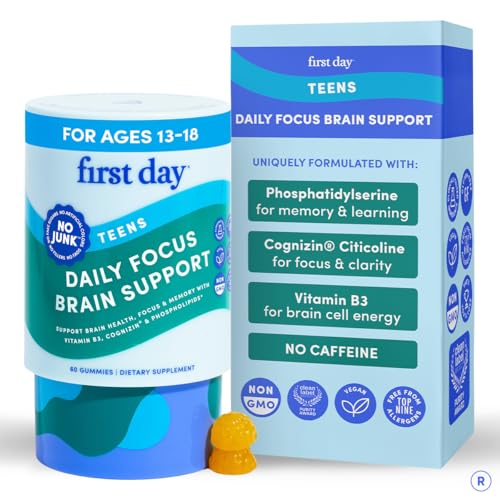
Teen Focus Gummies, Ages 13-18

Nature’s Nutrition Adult Multivitamin Gummies with Vitamins A, C, D, B12, 120ct

Nutricost Multivitamin with Probiotics 120 Vegetarian Capsules

FIRST DAY 3-in-1 Probiotic Gummies, 60ct

FIRST DAY Teen Multivitamin Gummies, 60ct
More Details On Our Top Picks
For a teenager who avoids pills, this fruit-flavored chewable offers a familiar format and a broad vitamin-and-mineral lineup. You can compare iron, calcium, vitamin C, vitamin D, zinc, and several B vitamins without moving to a specialized study formula.
The two-bottle pack works well for households that want a longer shelf supply, although you still need a cool, dry storage spot. Unlike the teen-focused gummy later in this list, Flintstones takes a broad approach rather than centering on school performance.
Benefits That Matter
- Chewable tablets remove the capsule-swallowing hurdle for teens who dislike pills.
- The label covers vitamins A, B6, B12, C, D, E, and K, plus several minerals.
- Iron, calcium, iodine, and zinc provide useful points for label comparison.
- The formula excludes listed artificial colors, artificial flavors, and several major allergens.
- Two 150-count bottles give you more flexibility for household storage.
Worth Noting
- Heat or direct sunlight can damage the tablets, so storage location matters.
- The formula contains iron, making the complete Supplement Facts panel worth checking for your needs.
Quick Facts
Made For
This format suits teens and older children in families seeking a broad chewable formula without artificial colors or flavors.
Where Another Pick Suits Better
Teens whose priority is a narrow study routine may find Teen Focus Gummies more closely aligned with that goal.
A teen juggling homework, exams, and extracurricular schedules may appreciate a formula designed around focus and study rather than general nutrition. This product uses Cognizin citicoline, a form of choline, along with phosphatidylserine, a compound involved in cell membranes, and vitamin B3.
Unlike Flintstones Complete Chewable Kids Vitamins, the 60-count gummy has an explicit ages 13-18 label and a narrower purpose. The caffeine-free positioning also makes it easier to compare with energy drinks, though the gummies remain a supplement rather than a substitute for sleep, meals, or study planning.
Useful Touches
- The age range directly addresses teenagers rather than a general family group.
- Cognizin citicoline provides a clearly named, branded form of choline.
- Phosphatidylserine and vitamin B3 create a more focused nutrient profile.
- Apple-flavored berry-shaped gummies may fit a daily preference for teens.
- The bottle contains 60 gummies, presented as a 30-day supply.
Small Caveats
- The listed formula centers on study-oriented ingredients rather than broad vitamin and mineral coverage.
- You should compare the Supplement Facts panel carefully against your priorities before adding it to a routine.
Right Fit For
This option fits teens aged 13 to 18 whose main interest is a caffeine-free, study-focused gummy format.
Another Choice May Suit
Teens seeking broad everyday nutrient coverage may prefer Flintstones Complete Chewable Kids Vitamins with Iron.
A shared household can find this adult gummy easier to manage when everyone prefers a chewy format. The label highlights vitamins A, C, D, and B12, with zinc also featured in the formula.
Compared with Teen Focus Gummies, this option is less oriented toward school concentration and more toward a general adult routine. You still need to check the full panel because the product is labeled for adults rather than teenagers, and that age distinction deserves careful attention.
Real-World Strengths
- The gummy format suits adults who prefer avoiding traditional pills.
- Vitamins A, C, D, and B12 create an easy set of label checkpoints.
- The 120-count version provides a larger container than the 90-count option.
Practical Considerations
- The adult positioning makes it a less direct match for a teen-specific routine.
- You can choose between 90-count and 120-count versions, so confirm the package quantity.
- A broad gummy format does not tell you everything, making the complete Supplement Facts panel important.
Feature Snapshot
Who Will Love This
This gummy fits adults sharing a household with a preference for simple, fruit-flavored daily chews.
A Better Fit Elsewhere
Teens needing an age-specific formula will find FIRST DAY Teen Multivitamin Gummies more directly targeted.
Capsules can make sense for a household comfortable with swallowing them, especially when the goal is a broad formula with probiotics included. This 120-capsule bottle combines vitamins, minerals, and probiotics, with 60 servings listed for each container.
Unlike the preceding adult gummy, this option takes a capsule format and adds probiotics. The vegetarian, GMO-free, soy-free, and gluten-free designations give you useful dietary filters, although the product is not presented as a teen-specific multivitamin.
Where It Excels
- One bottle covers vitamins, minerals, and probiotics in a capsule format.
- The vegetarian capsules suit shoppers avoiding animal-derived capsule materials.
- Gluten-free, soy-free, and GMO-free labels simplify several dietary checks.
- Single, two-pack, and three-pack options offer different household storage choices.
Factors To Consider
- Capsules may be less appealing to teens who strongly prefer gummies.
- The label does not position the formula specifically for teenagers, so age suitability deserves a professional check.
Core Details
The Right Fit
This bottle suits teens who handle capsules comfortably and want a capsule-based formula that also includes probiotics.
Look Elsewhere When
A teenager who strongly prefers gummies and age-specific labeling may find FIRST DAY Teen Multivitamin Gummies easier to consider.
Digestive wellness is a different decision from filling a broad vitamin gap. This 60-count gummy combines prebiotics, probiotics, and postbiotics, meaning it includes supportive fibers plus compounds produced during bacterial fermentation.
The teen-specific positioning makes it more relevant than a general adult probiotic, but it does not replace a multivitamin. Compared with FIRST DAY Teen Multivitamin Gummies, this choice answers a narrower digestive routine rather than covering a wide nutrient mix.
Notable Gains
- The three-part blend gives you a more interesting label than a single probiotic strain.
- The gummy format may blend more easily into a teen’s existing routine.
- The 60-count bottle is presented as a 30-day supply.
Possible Compromises
- This is a digestive supplement, not a comprehensive multivitamin.
- You should check the full label and speak with a qualified healthcare professional before adding it to a teen’s routine.
Who Should Grab It
This gummy fits a teen whose family is specifically looking for a broad prebiotic, probiotic, and postbiotic format.
Where A Sibling Pick Shines
Teens seeking everyday vitamin and mineral coverage will find FIRST DAY Teen Multivitamin Gummies more relevant.
This formula lands closer to the middle ground many teen households want: a broad multivitamin in a gummy format, with age-specific positioning. You get 12 listed nutrients, including vitamins A, B, C, D3, and E, along with magnesium, zinc, and K2.
The vegan formula and 30-day container make routine planning straightforward. Unlike Teen Focus Gummies, it does not center on school performance, and unlike Nutricost Multivitamin with Probiotics, it uses a teen-oriented label rather than a general adult capsule format.
Practical Pluses
- Twelve nutrients provide broader coverage than a single-purpose focus formula.
- The teenage label narrows the intended age group more clearly.
- Vitamin D3, magnesium, zinc, and K2 give you useful nutrient checkpoints.
- The vegan gummy format fits teens who prefer chews and plant-based formulas.
Areas To Watch
- You still need the Supplement Facts panel to compare nutrient amounts and avoid overlapping products.
- The gummy format may not suit a teen who dislikes flavored chews.
The Numbers That Matter
Best Suited To
This option fits teens who want broad daily nutrient coverage in a clearly age-labeled vegan gummy.
Swap It Out When
Families prioritizing a digestive routine may prefer FIRST DAY 3-in-1 Probiotic Gummies instead.
Matching a Teen Multivitamin to the Routine
Start With the Label
Begin with the Supplement Facts panel, not the front of the package. You need to know which nutrients are present, how much each serving provides, and whether your teen already takes another product with overlapping ingredients. Age wording also matters because a formula labeled for adults is not automatically designed for teenagers.
Compare the Nutrient Coverage
A broad multivitamin may work better for a simple everyday routine, while a focus formula concentrates on a narrower set of study-oriented ingredients. Digestive blends serve another purpose altogether, so don’t treat a probiotic gummy as a substitute for general vitamin and mineral coverage. Comparing the actual nutrient list keeps each choice honest.
Account for Format and Allergies
Gummies may suit a teen who dislikes swallowing pills, while capsules can suit someone comfortable with them. Chewables also need storage away from heat and direct sunlight, and they can create concerns around sticky packaging or accidental extra pieces. Read the allergen statement carefully, especially for families managing soy, dairy, egg, peanut, tree nut, or shellfish restrictions.
Get a Professional Perspective
A pediatrician or registered dietitian can help you evaluate a teen’s dietary pattern, existing supplements, and age-specific needs. That guidance is particularly helpful when a formula contains iron or several active ingredients. A professional check can prevent unnecessary duplication and help you decide whether a supplement belongs in the routine at all.
Before You Add Any Supplement
Common Shopping Slip Ups
Do not choose by gummy color, serving count, or front-of-package claims alone. Compare the full ingredient panel, age label, allergens, and overlap with other supplements. A broad label is not automatically more suitable, and a narrow formula is not automatically more valuable.
What Separates Premium From Basic
Cost may reflect serving count, distinctive nutrient forms, broader dietary exclusions, or a more specialized formula. The extra expense is worthwhile only when those differences match your teen’s needs. An affordable, age-appropriate label can serve a simple routine better than a pricier product that addresses a different goal.
Frequently Asked Questions
Are Multivitamin Gummies Easier for Teens to Take?
For teens who dislike swallowing pills, gummies can provide a more acceptable format. You still need to check the label, age guidance, and ingredients before choosing one.
Do Multivitamins Replace a Balanced Diet?
No, multivitamins do not replace varied meals or a balanced eating pattern. They may help fill a nutritional gap identified through dietary review and professional guidance.
How Do I Check Whether a Formula Contains Iron?
Read the Supplement Facts panel and look for iron along with its amount per serving. Because iron has specific age and dietary considerations, ask a qualified healthcare professional how it fits your teen’s routine.
Is a Teen-Specific Formula Better Than an Adult Multivitamin?
A teen-specific formula may be more closely matched by age, nutrient profile, and format. An adult product can still overlap with other supplements, so the full label matters more than the age wording alone.
Can Teens Take a Gummy Made for Adults?
You should not assume an adult gummy is appropriate for a teenager. Check the age guidance and complete nutrient panel, then consult a pediatrician or registered dietitian before adding it.
Final Thoughts
The most practical choice depends on what your teen will use consistently and which label matches the actual goal. Broad coverage, study-focused ingredients, digestive support, and capsule formats each serve different routines, while age labels, allergens, and nutrient amounts deserve close attention. A qualified healthcare professional can help you confirm that any supplement fits without unnecessary overlap.
