

Most people don’t know that palm sugar can swap 1:1 for brown sugar while cutting processed sugar’s harsh bite, and you may like how it deepens cookies, coffee, and sauces. You’ll find organic coconut, hardwood palm, and block-style varieties that each bring caramel, toffee, or molasses nuances. I’ll point out five top picks and clear buying tips so you can choose lighter crystals for subtle sweetness or darker blocks for rich flavor and ethical sourcing.
| Z Natural Foods Organic Coconut Sugar (3 lbs) |

| Best for Baking | Source: Coconut palm sap | Sweetener Type: Unrefined coconut sugar | Organic / Natural Claim: Organic, unrefined | VIEW LATEST PRICE | Read Our Analysis |
| Yupik Organic Coconut Palm Sugar (2.2 lb) |
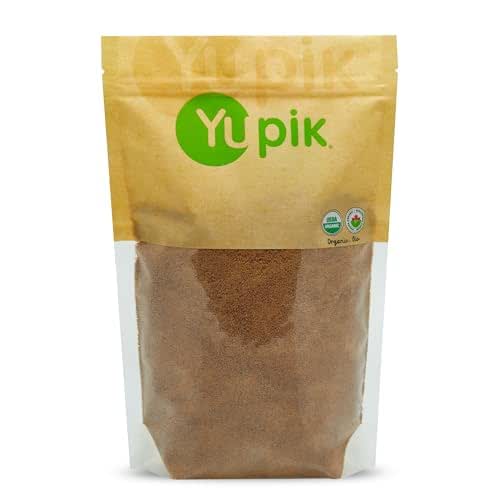
| Organic Choice | Source: Coconut palm sap | Sweetener Type: Unrefined coconut palm sugar | Organic / Natural Claim: USDA Organic, all-natural | VIEW LATEST PRICE | Read Our Analysis |
| Sweets Indeed Dye-Free Rainbow Nonpareils 6-Cell Set |

| Kid-Friendly Toppers | Source: (not applicable – candy sprinkles) – N/A | Sweetener Type: (not a sweetener) – N/A | Organic / Natural Claim: Dye-free (natural color claim for sprinkles) | VIEW LATEST PRICE | Read Our Analysis |
| NIPEOR Purple Rainbow Confetti Edible Sprinkles (100g) |

| Decorative Accent | Source: (not applicable – sprinkles) – N/A | Sweetener Type: (not a sweetener) – N/A | Organic / Natural Claim: Made from edible ingredients (natural/food-grade) | VIEW LATEST PRICE | Read Our Analysis |
| Jans Organic Coconut Sugar (3-Pack) |

| Bulk Family Pack | Source: Coconut palm sap | Sweetener Type: Unrefined coconut sugar | Organic / Natural Claim: Organic, pure, unrefined | VIEW LATEST PRICE | Read Our Analysis |
More Details on Our Top Picks
Z Natural Foods Organic Coconut Sugar (3 lbs)
Should you want a pantry staple that tastes warm and natural and fits clean-eating habits, Z Natural Foods Organic Coconut Sugar (3 lbs) is a smart pick. You’ll like that it comes from coconut palm sap, boiled into syrup and dried into granules without refining. It adds toasted coconut and caramel annotations, so your coffee, oatmeal, and baked goods feel cozy. You can swap it 1:1 for white sugar and keep recipes simple. It’s non-GMO, vegan, and gluten-free, with a glycemic index near 35. Also, palms grow well in poor soils, so farming stays more sustainable.
- Source:Coconut palm sap
- Sweetener Type:Unrefined coconut sugar
- Organic / Natural Claim:Organic, unrefined
- Dietary Attributes:Non-GMO, vegan, gluten-free
- Flavor Notes / Use in Cooking:Toasted coconut, caramel – for coffee, baking, desserts
- Packaging / Size:3 lb package
- Additional Feature:Low glycemic index (35)
- Additional Feature:Doubles sugar yield
- Additional Feature:Sustainable farming support
Yupik Organic Coconut Palm Sugar (2.2 lb)
Provided you want a pantry staple that’s gentle on diets and full of warm, caramel flavor, Yupik Organic Coconut Palm Sugar fits the bill. You’ll appreciate its USDA organic and non GMO certifications, and it’s vegan, gluten free, kosher, and sulfite free. It’s made from pure coconut palm sap, unrefined, with no artificial flavors. Use it in baking, sauces, dressings, or savory glazes where brown sugar would work, and expect subtle caramel and maple remarks. Store it cool and dry, and transfer to an airtight container after opening to keep texture and flavor fresh.
- Source:Coconut palm sap
- Sweetener Type:Unrefined coconut palm sugar
- Organic / Natural Claim:USDA Organic, all-natural
- Dietary Attributes:Non-GMO, vegan/vegetarian, gluten-free, kosher, sulfite-free
- Flavor Notes / Use in Cooking:Caramel/maple-like – for baking, sweet & savory dishes
- Packaging / Size:2.2 lb (35.2 oz) package
- Additional Feature:Kosher certified
- Additional Feature:Sulfite-free formulation
- Additional Feature:Airtight storage recommended
Sweets Indeed Dye-Free Rainbow Nonpareils 6-Cell Set
Should you care about using cleaner ingredients and still want bright, cheerful sprinkles, this Sweets Indeed Dye-Free Rainbow Nonpareils 6-Cell Set is a great pick for home bakers and parents who like to jazz up treats without artificial dyes. You’ll get six small tubs, each with a vivid color: red, yellow, green, blue, purple, and pink. They’re tiny nonpareils that top cupcakes, cookies, brownies, donuts, and even holiday treats like Easter nests. At 2.75 ounces total, the set fits several projects and stores easily. You can decorate confidently, aware you chose dye free, playful sprinkles.
- Source:(not applicable – candy sprinkles) – N/A
- Sweetener Type:(not a sweetener) – N/A
- Organic / Natural Claim:Dye-free (natural color claim for sprinkles)
- Dietary Attributes:Dye-free (suitable for those avoiding artificial dyes); (diet not specified)
- Flavor Notes / Use in Cooking:Sweet decorating sprinkles – adds color to desserts
- Packaging / Size:2.75 oz 6-cell set
- Additional Feature:Six color assortments
- Additional Feature:Dye-free formulation
- Additional Feature:2.75 oz total weight
NIPEOR Purple Rainbow Confetti Edible Sprinkles (100g)
Provided you love bright, joyful dessert toppers, NIPEOR Purple Rainbow Confetti Edible Sprinkles are an easy choice that’ll make your treats pop. You’ll enjoy round confetti pieces in a purple-themed rainbow mix that lifts cakes, cupcakes, ice cream, and candies. They’re made from edible ingredients so you can sprinkle freely without worry. The portable 100 g container fits your kitchen or party bag, and you can grab it for quick decorating on the go. You’ll find them simple to use at home, during celebrations, or whenever you want a cheerful finish on homemade confections.
- Source:(not applicable – sprinkles) – N/A
- Sweetener Type:(not a sweetener) – N/A
- Organic / Natural Claim:Made from edible ingredients (natural/food-grade)
- Dietary Attributes:Edible ingredients (diet not specified)
- Flavor Notes / Use in Cooking:Sweet confetti sprinkles – decorates cakes, ice cream
- Packaging / Size:100 g (3.53 oz) container
- Additional Feature:Portable storage container
- Additional Feature:100 g (3.53 oz)
- Additional Feature:Purple-themed confetti mix
Jans Organic Coconut Sugar (3-Pack)
Should you want a pantry staple that’s easy to use every day and kinder to your body than white sugar, Jans Organic Coconut Sugar (3-Pack) is a smart pick for busy homes and small kitchens. You get three jars of pure, unrefined coconut palm sugar that taste like caramel and melt into coffee, oatmeal, smoothies, or cookie dough. Because it’s organic, non GMO, vegan, and gluten free, you can feel good serving it to kids and guests. It swaps cup for cup with cane or brown sugar, keeps minerals intact, and suits baking, sauces, and savory marinades alike.
- Source:Coconut palm sap
- Sweetener Type:Unrefined coconut sugar
- Organic / Natural Claim:Organic, pure, unrefined
- Dietary Attributes:Organic, non-GMO, vegan, gluten-free
- Flavor Notes / Use in Cooking:Rich caramel-like – for baking, beverages, sauces
- Packaging / Size:Pack of 3 (bulk – total weight not specified per unit)
- Additional Feature:Bulk 3-pack value
- Additional Feature:Retains natural minerals
- Additional Feature:Equally swaps for brown sugar
Factors to Consider When Choosing Palm Sugars
When you choose a palm sugar, consider how it will taste and how that flavor will work with your recipes, since caramel, molasses, or subtle nuances can change a dish. Also check the glycemic impact and the nutrition label so you can balance sweetness with blood sugar goals and real nutrients, and look into how the sugar was processed and how pure it is to avoid unwanted additives. Finally, ask where it comes from and whether the producer follows sustainable practices so you can enjoy your food without worrying about environmental or ethical harm.
Taste And Flavor Profile
Whenever you want sugar that brings warm, cozy flavors to your dishes, palm sugar is a gentle, complex choice you’ll enjoy exploring. You’ll observe caramel, toffee, and toasted coconut reminders right away, and many people say it tastes like maple or brown sugar with a nuttier finish. Because unrefined palm sugar keeps minerals and molasses-like compounds, it gives deeper, richer flavor than white sugar. Color and texture tell you a lot. Lighter crystals are milder. Darker, moist blocks pack stronger caramel and molasses tones. Also pay attention to sap source and processing. Coconut sap often leans coconutty and sweet, while other palms add smoky or earthy hints. You can swap it 1:1 for brown or white sugar and expect warmer, more complex results.
Glycemic Impact
You’ve just learned how palm sugar lifts flavors with warm, caramel subtleties, and it helps to look at what that sweetness does inside your body. You’ll find that many palm sugars sit lower on the glycemic index than white sugar, often around GI 35 to 50. That lower GI can help slow blood sugar rises, especially when the sugar still has some fiber, inulin, and minerals. At the same time, palm sugar is still full of carbs, so it can raise glucose should you eat too much. Processing and particle size matter because finer or highly processed forms absorb faster and could act more like regular sugar. Your response might differ, so check your blood sugar after trying a type to see how it affects you.
Nutritional Content
Because palm sugars come in many forms, choosing one feels less like picking a single product and more like balancing a few trade-offs you can live with. You should know they pack about 15 to 20 kcal per teaspoon, so they match regular sugar on calories. Many are unrefined, so they keep tiny amounts of potassium, iron, zinc and some B vitamins, but those are trace and won’t replace real nutrient sources. You’ll also see small amounts of fructose and glucose alongside sucrose, so total carbs per serving stay comparable to other sweeteners and count toward daily limits. Glycemic response can be lower for some types, which might slow blood sugar rises. In short, enjoy moderate amounts and treat palm sugar as an added sweetener, not a health food.
Processing And Purity
In case you care about what’s actually in the jar, start at looking at how the sap was turned into sugar and what else could have been added. You’ll find unrefined palm sugar made through boiling fresh sap into syrup and drying it into granules or blocks. That method keeps more minerals and flavor than heavy refining. Check ingredient lists for single items or “100%” so you avoid fillers, sulfites, or artificial flavors. Processing matters too. Evaporation, low temperature drying, and crystallization change color, moisture, and taste. Look for cold pressed, low temperature dried, or minimally processed claims to keep trace minerals intact. Third party certifications or analytical guarantees help verify purity and absence of additives, so you can trust what you buy.
Sustainability And Sourcing
Whenever you pick a palm sugar, consider about where it came from and how the trees were treated, because those choices matter for people and the planet. You should choose sap-harvested sugar so trees stay standing and keep giving shade, habitat, and carbon storage. Also look for documented tapping methods like low-frequency work and trained harvesters to prevent stress and keep yields steady. Reflect about species and yield-per-area since some palms grow well on degraded land, which can spare forests. Check certifications and third-party audits for banned agrochemicals and worker protections. Finally favor transparent supply chains with traceability and farmer support programs that show fair pricing and training. That combination protects ecosystems and helps communities thrive.
