

You want your chicken to taste memorable, not just cooked. Pick the right poultry seasoning and you’ll convert weeknight breasts, roast birds, and grilled thighs with little fuss. I’ll compare blends that suit different diets, formats, and kitchens so you can match flavor, sodium, and storage to how you cook-plus a few pro tips that’ll alter how you use them.
| McCormick Gourmet Organic Poultry Seasoning 0.87 Oz |

| Pantry Staple | Primary Use: Poultry (turkey, roast chicken), stuffing, gravy | Form: Dried spice blend | Organic / Natural claims: Certified organic | VIEW LATEST PRICE | Read Our Analysis |
| Litehouse Freeze Dried Poultry Herb Blend (2-Pack) |

| Fresh Alternative | Primary Use: Poultry dishes (substitute for fresh poultry herb) | Form: Freeze-dried herbs (jar) | Organic / Natural claims: Organic (freeze-dried) | VIEW LATEST PRICE | Read Our Analysis |
| Watkins Salt-Free Organic Chicken Seasoning 2.6 oz 2-Pack |

| Salt-Free Choice | Primary Use: Chicken (grilling, kitchen and grill applications) | Form: Dried spice/herb blend | Organic / Natural claims: USDA Certified Organic | VIEW LATEST PRICE | Read Our Analysis |
| McCormick Culinary Poultry Seasoning 12 oz (Pack of 6) |
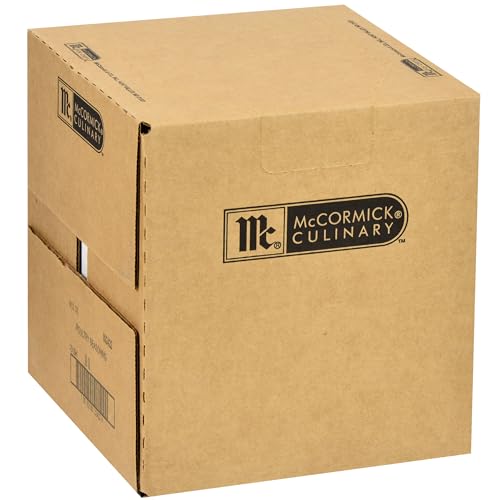
| Professional Grade | Primary Use: Poultry (chicken, turkey, duck), proteins, stuffing, sauces | Form: Dried spice/herb blend (bulk 12 oz) | Organic / Natural claims: (No explicit organic claim in summary) | VIEW LATEST PRICE | Read Our Analysis |
| Chicken Shit Poultry Seasoning |
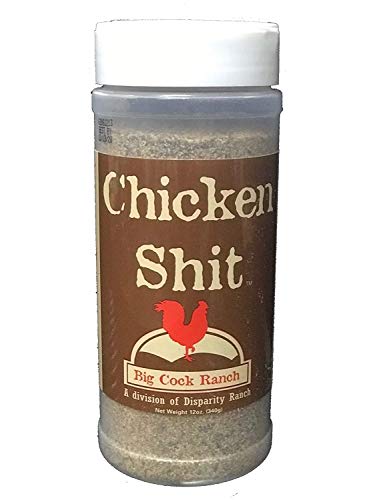
| Bold & Playful | Primary Use: Chicken (all preparation methods) | Form: Dried spice/herb blend | Organic / Natural claims: (No explicit organic claim in summary) | VIEW LATEST PRICE | Read Our Analysis |
More Details on Our Top Picks
McCormick Gourmet Organic Poultry Seasoning 0.87 Oz
In case you want an organic, ready-made blend that brings classic Thanksgiving flavors year-round, McCormick Gourmet Organic Poultry Seasoning is a smart pick – it’s certified organic, non-GMO, and combines thyme, sage, oregano, black pepper, and nutmeg in a compact 0.87 oz jar. You’ll reach for it to season roast turkey, chicken, stuffing, gravy, pot pie, or to rub pork and lamb. It lifts soups, vegetables, and roasted potatoes, and seasons baked chicken, meatloaf, and chicken salad. You can even use it in meatless dishes like burgers, beans, and grain bowls for savory, herbaceous depth.
- Primary Use:Poultry (turkey, roast chicken), stuffing, gravy
- Form:Dried spice blend
- Organic / Natural claims:Certified organic
- Typical Pairings / Applications:Roast turkey/chicken, stuffing, gravy, pot pie, vegetables
- Packaging Size / Format:0.87 oz bottle
- Dietary / Quality Notes:Non-GMO; contains no poultry/meat
- Additional Feature:Traditional herb blend
- Additional Feature:Certified organic & Non-GMO
- Additional Feature:Year-round Thanksgiving staple
Litehouse Freeze Dried Poultry Herb Blend (2-Pack)
Should you want a reliable, shelf-stable alternative to fresh herbs that still delivers bold aroma and color, Litehouse’s Freeze Dried Poultry Herb Blend (2-pack) is a smart pick for home cooks and meal-preppers alike. You’ll get two 0.46-ounce jars of organic, freeze-dried blend made from seven herbs harvested at peak freshness to preserve taste and lively color. It’s non-GMO, gluten-free, vegetarian and keto-friendly. Substitute it 1:1 for fresh poultry herb in recipes to add hearty flavor without chopping. Litehouse focuses on memorable meals and community impact, so you’re supporting ethical sourcing and employee-owners too.
- Primary Use:Poultry dishes (substitute for fresh poultry herb)
- Form:Freeze-dried herbs (jar)
- Organic / Natural claims:Organic (freeze-dried)
- Typical Pairings / Applications:Fresh-herb substitution in poultry recipes, adds aroma/color
- Packaging Size / Format:0.46 oz jar (2-pack)
- Dietary / Quality Notes:Non-GMO, gluten-free, vegetarian, keto-friendly
- Additional Feature:Freeze-dried freshness retained
- Additional Feature:Substitutes for fresh herbs
- Additional Feature:Strong aroma & color
Watkins Salt-Free Organic Chicken Seasoning 2.6 oz 2-Pack
Whenever you want a salt-free, organic seasoning that brings bold, Northwoods-of-Minnesota flavor to grilled or roasted chicken, Watkins Salt-Free Organic Chicken Seasoning is a great choice. You’ll get two 2.6-ounce bottles of a gourmet-grade, USDA Certified Organic blend made from organic spices and herbs. It’s designed for the grill or the kitchen, supplying savory depth without added salt so you can control sodium. The custom recyclable bottles make storage and refills simple, and the packaging reflects sustainability. In case you want high-quality, salt-free seasoning that complements chicken without overpowering it, this Watkins two-pack fits the bill.
- Primary Use:Chicken (grilling, kitchen and grill applications)
- Form:Dried spice/herb blend
- Organic / Natural claims:USDA Certified Organic
- Typical Pairings / Applications:Grilled chicken, general kitchen and grill uses
- Packaging Size / Format:2.6 oz container (2-pack)
- Dietary / Quality Notes:No added salt (salt-free); organic
- Additional Feature:Salt-free formulation
- Additional Feature:Northwoods-style boldness
- Additional Feature:Recyclable custom bottle
McCormick Culinary Poultry Seasoning 12 oz (Pack of 6)
Chefs who need a reliable, ready-to-use blend will appreciate McCormick Culinary Poultry Seasoning, a 12 oz container sold in a practical pack of six. You’ll get a savory herb mix with thyme, marjoram, nutmeg, and sage that lifts chicken, turkey, and duck without fuss. It’s built for back-of-house use, so you can season proteins, stuffings, and sauces consistently across services. The all-in-one jar saves prep time and helps you develop or standardize signature dishes. Kosher and made without added MSG, it’s a versatile staple that keeps your line moving and flavors predictable.
- Primary Use:Poultry (chicken, turkey, duck), proteins, stuffing, sauces
- Form:Dried spice/herb blend (bulk 12 oz)
- Organic / Natural claims:(No explicit organic claim in summary)
- Typical Pairings / Applications:Proteins, stuffing, sauces, professional recipes
- Packaging Size / Format:12 oz container (pack of 6)
- Dietary / Quality Notes:Kosher; no added MSG
- Additional Feature:Bulk/professional size
- Additional Feature:Kosher certified
- Additional Feature:No added MSG
Chicken Shit Poultry Seasoning
Whenever you want poultry that stays juicy and tastes unmistakably of chicken, Chicken Shit Poultry Seasoning is your go-to blend – made for home cooks and pros who prefer a bold, no-nonsense seasoning that brings out the bird’s natural succulence. You’ll use it before cooking to boost juiciness and texture across roasting, grilling, frying, or braising. This distinct mix isn’t another “fat man in the white suit” herb pile; it’s formulated specifically for chicken to elevate natural flavor. Expect a playful, confident voice on the jar and a reliably improved bird that’s simple to apply and hard to forget.
- Primary Use:Chicken (all preparation methods)
- Form:Dried spice/herb blend
- Organic / Natural claims:(No explicit organic claim in summary)
- Typical Pairings / Applications:Applied before cooking to enhance juiciness and flavor of chicken
- Packaging Size / Format:(Size not specified; single product packaging implied)
- Dietary / Quality Notes:(No specific dietary claims listed)
- Additional Feature:Playful bold branding
- Additional Feature:Enhances juiciness/succulence
- Additional Feature:Applied pre-cooking
Factors to Consider When Choosing Poultry Seasonings
Whenever you pick a poultry seasoning, consider about its flavor balance and how salt levels will affect the final dish. Decide whether you want fresh or dried herbs and whether organic or non‑GMO ingredients matter to you. Also consider how versatile the blend is across roasting, grilling, and pan‑searing.
Flavor Profile Balance
Although you want bold flavors, balance keeps herbs and spices from competing with the poultry’s natural taste. You should favor savory herbs like thyme, sage, and marjoram paired with warm spices such as nutmeg and black pepper so depth builds without any single nuance dominating. Aim for aromatic herbs to be the bulk-about 2–3 parts herbs to 1 part spice-for a fresh, green-forward profile. Add small amounts of bitter or astringent elements like bay leaf or rosemary sparingly to cut richness and prevent cloying sensations. Match intensity to method: roasting tolerates sturdy, concentrated blends; poaching needs lighter, delicate mixes. In case your blend already contains salt, reduce added salt in the recipe so the herbs can shine predictably.
Salt Content Needs
Because salt dramatically changes both flavor and health impact, check the seasoning label for sodium per serving before you buy or sprinkle it on poultry. Look for “0 mg sodium” provided you need true no‑salt, since “salt‑free” blends can hide sodium in MSG or seaweed. Supposing you follow a low‑sodium plan, choose blends with ≤115 mg sodium (≤5% DV) per serving and recollect a whole bird often uses many servings. Prefer rubs that include acid, herbs, spices, or umami‑rich dehydrated vegetables so you can skip extra table salt. Supposing you’re brining or injecting, use lower‑salt or salt‑free seasonings because brines add lots of sodium. Upon scaling recipes, multiply per‑serving sodium by servings to avoid exceeding your personal sodium limit.
Fresh Vs. Dried
Salt choices shape total seasoning, but the form of your aromatics-fresh, dried, or freeze‑dried-will determine how that flavor actually develops in the bird. Fresh herbs (thyme, sage, rosemary, parsley) bring brighter, more aromatic cues because of higher water content and volatile oils, but they lose potency fast and require larger volumes. Dried herbs are concentrated-plan on using roughly one‑third to one‑half the amount called for in fresh herb recipes-and they benefit from longer cooking so they can rehydrate and release flavor. Freeze‑dried offers a middle ground, retaining color and volatile compounds so it reconstitutes closer to fresh. Storage matters: fresh lasts days to weeks refrigerated or longer frozen, while properly stored dried herbs keep usable flavor about six to twelve months.
Organic And Non‑GMO
At the point you care about where your herbs and spices come from, choosing organic and non‑GMO poultry seasonings can cut your exposure to synthetic pesticides and confirm ingredients weren’t derived from genetically modified seeds. Look for third‑party seals like USDA Organic and the Non‑GMO Project to verify claims instead of trusting marketing copy. Keep in mind non‑GMO labeling alone doesn’t guarantee pesticide‑free growing practices, so check both labels provided that matters to you. Organic certification requires production and processing without synthetic pesticides, herbicides, or GMOs, reducing potential residues though levels vary by ingredient and supplier. Expect to pay a premium for organic and non‑GMO blends because of stricter practices and certification costs; weigh that against your budget and values as you select seasonings.
Culinary Versatility
After checking organic and non‑GMO seals, consider how a seasoning performs in the kitchen: you’ll want blends with a balanced herb-to-spice ratio that won’t overwhelm delicate preparations like poaching, yet can still stand up to roasting, grilling, and braising. Pick mixes that span savory, citrus, smoky, and sweet profiles so one jar seasons stuffing, gravies, marinades, and pan sauces without swapping bottles. Favor versatile textures-fine powders for even coating and sauces, plus coarser flakes for rubs and crisp skin. Choose salt-free or low-sodium options whenever you need control over final seasoning and dietary needs. Start with herb-forward blends you can tweak easily-add lemon zest, smoked paprika, or chili flakes to match regional or seasonal menus.
Packaging And Shelf Life
In choosing poultry seasonings, pay close attention to packaging and dates so you get the best flavor for as long as possible. Choose resealable, airtight containers-zip-top pouches or screw-top jars-to limit oxygen and moisture, which slows oxidation and flavor loss. Prefer light-blocking or opaque containers to prevent UV degradation that dulls aroma and color. If feasible, buy whole spices and dried herbs; they stay potent far longer (2–4 years) than finely ground blends (6–12 months). Check production or best-by dates to gauge remaining potency, and plan to use your most aromatic blends within 6–12 months of opening. Store seasonings in a cool, dry pantry (50–70°F); avoid humidity, heat, and direct sunlight, which shorten freshness.
Dietary Restrictions
Because your health needs and preferences shape what’s safe and tasty, read seasoning labels carefully before you buy or sprinkle them on poultry. Check for common allergens like gluten, soy, dairy, and tree nuts-blended spices and anti‑caking agents can hide them. Watch sodium: commercial blends often have 200–400 mg per teaspoon, so choose “salt‑free” or “low‑sodium” options should you need to cut salt. In case you prefer organic or non‑GMO, verify certifications and look for “no artificial colors/flavors.” In the event you avoid animal products, pick vegan/vegetarian blends free of dairy or meat extracts. For medical diets (low‑FODMAP, histamine issues), inspect lists for onion/garlic powders, fermented spices, or yeast extracts that can trigger symptoms.
