

Should you reach for a Campbell’s Condensed Tomato Soup on a chilly night, you’re choosing the classic that people still turn to. You want something quick, meat‑free, and satisfying, but also with decent ingredients and versatility. I’ll walk you through five top vegetarian options—each with a clear reason to pick it—so you can find the one that fits your pantry and meals.
| Campbell’s Condensed Tomato Soup 10.75 oz Can |
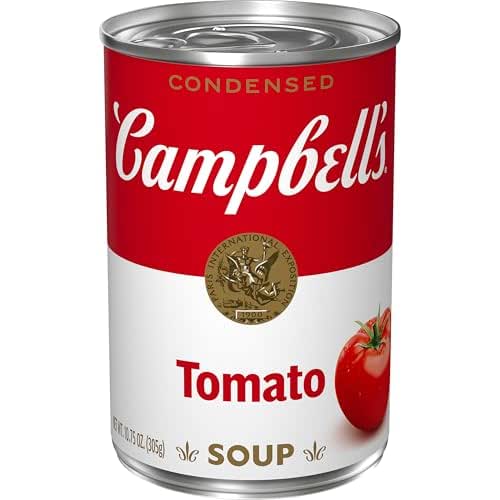
| Pantry Staple | Format: Canned condensed soup (10.75 oz can) | Tomato Base: Farm-grown tomatoes (6 per can) | Vegetarian Friendly: Vegetarian (condensed tomato soup) | VIEW LATEST PRICE | Read Our Analysis |
| Pacific Foods Organic Roasted Red Pepper Tomato Soup (32oz) |

| Flavorful Upgrade | Format: Resealable carton (32 oz) | Tomato Base: Vine-ripened tomatoes | Vegetarian Friendly: Vegetarian | VIEW LATEST PRICE | Read Our Analysis |
| Pacific Foods Organic Creamy Tomato Soup 32 oz Carton |

| Creamiest Choice | Format: Resealable carton (32 oz) | Tomato Base: Vine-ripened tomatoes | Vegetarian Friendly: Vegetarian | VIEW LATEST PRICE | Read Our Analysis |
| Amy’s Chunky Tomato Bisque Light Sodium (12-Pack) |

| Low-Sodium Pick | Format: Canned soup (14.5 oz can) | Tomato Base: Organic sun-ripened tomatoes | Vegetarian Friendly: Vegetarian (Amy’s vegetarian line) | VIEW LATEST PRICE | Read Our Analysis |
| Campbell’s Red & White Tomato Soup 10.75-Ounce Cans (Pack of 12) |

| Family Favorite | Format: Canned soup (10.75 oz can, pack of 12) | Tomato Base: Tomato-based soup (classic tomato flavor) | Vegetarian Friendly: Vegetarian-friendly (classic tomato soup) | VIEW LATEST PRICE | Read Our Analysis |
More Details on Our Top Picks
Campbell’s Condensed Tomato Soup 10.75 oz Can
In case you want a reliable, versatile pantry staple, Campbell’s Condensed Tomato Soup (10.75 oz) is a smart pick — it uses six farm-grown tomatoes per can and gives you a thick, flavorful base that’s easy to heat, customize, or stretch into multiple meals. You’ll appreciate the non‑BPA‑lined, recyclable can and straightforward, high‑quality ingredients cooked to perfection. One can yields about 2.5 servings; serve it warm with Goldfish crackers or pair it with a grilled cheese. Use it as a shortcut base for vegetarian taco skillets, butter-style sauces, or other recipes that need rich tomato flavor.
- Format:Canned condensed soup (10.75 oz can)
- Tomato Base:Farm-grown tomatoes (6 per can)
- Vegetarian Friendly:Vegetarian (condensed tomato soup)
- Ready-to-Heat / Ready-to-Eat:Requires reconstitution/heat (condensed; serve heated)
- Use as Meal Pairing or Base:Pairing: grilled cheese; also used as recipe base
- Allergen / Special-diet Notes:No specific allergen claims listed (contains typical soup ingredients)
- Additional Feature:Made with six tomatoes
- Additional Feature:Condensed, stretchable yield
- Additional Feature:Recyclable non‑BPA can
Pacific Foods Organic Roasted Red Pepper Tomato Soup (32oz)
Provided you want a ready-to-serve, smoky-sweet tomato soup that’s USDA Organic and vegetarian-friendly, Pacific Foods’ Organic Roasted Red Pepper and Tomato Soup is a great pick—its roasted red bell peppers and real cream give it a rich, balanced flavor while staying gluten-free and Non-GMO. You’ll get a 32 oz carton (sold in 12-packs) featuring vine-ripened tomatoes and organic ingredients. It delivers about 1/3 cup of vegetables per serving and works as a quick snack, paired with a salad or wrap, or as a flavorful base for sauces and side dishes whenever you need convenience without compromise.
- Format:Resealable carton (32 oz)
- Tomato Base:Vine-ripened tomatoes
- Vegetarian Friendly:Vegetarian
- Ready-to-Heat / Ready-to-Eat:Ready-to-eat; heat to serve
- Use as Meal Pairing or Base:Pair with salad/wrap; use as sauce/base
- Allergen / Special-diet Notes:USDA Organic, Non-GMO, Gluten free, Vegetarian
- Additional Feature:Roasted red pepper flavor
- Additional Feature:USDA Organic certified
- Additional Feature:Real cream included
Pacific Foods Organic Creamy Tomato Soup 32 oz Carton
In case you want a quick, reliably creamy tomato soup made from organic, non‑GMO ingredients, Pacific Foods Organic Creamy Tomato Soup is a great pick — its 32 oz resealable carton serves about four and blends vine‑ripened tomatoes with real cream, garlic, and onion for a low‑fat, gluten‑free, vegetarian option you can heat and enjoy or use as a sauce base. You’ll pour, heat until hot, stir, and serve solo or paired with a salad, sandwich, or wrap. It supplies 3/4 cup of vegetables per serving, lets you customize toppings, and fits Pacific Foods’ simply sourced lineup.
- Format:Resealable carton (32 oz)
- Tomato Base:Vine-ripened tomatoes
- Vegetarian Friendly:Vegetarian
- Ready-to-Heat / Ready-to-Eat:Pour and heat until hot
- Use as Meal Pairing or Base:Pair with sandwich/salad; use as base for sauces
- Allergen / Special-diet Notes:USDA Organic, Non-GMO, Gluten free, Low fat, Vegetarian
- Additional Feature:Resealable carton packaging
- Additional Feature:Provides 3/4 cup vegetables
- Additional Feature:Garlic and onion included
Amy’s Chunky Tomato Bisque Light Sodium (12-Pack)
In case you want a convenient, lower‑sodium canned tomato soup that still tastes rich, Amy’s Chunky Tomato Bisque Light Sodium is a smart pick—each 14.5‑oz can offers organic sun‑ripened tomatoes and a touch of organic cream, plus 5 g plant‑based protein and 4 g fiber. You’ll like that it’s non‑GMO, USDA‑Certified Organic, gluten‑ and soy‑free, and certified kosher. With 50% less sodium than Amy’s regular bisque, it’s an easier daily choice. Heat it in the microwave or on the stove for a quick, satisfying vegetarian meal from a brand focused on convenient, tasty options.
- Format:Canned soup (14.5 oz can)
- Tomato Base:Organic sun-ripened tomatoes
- Vegetarian Friendly:Vegetarian (Amy’s vegetarian line)
- Ready-to-Heat / Ready-to-Eat:Microwave or stove heat instructions (ready quickly)
- Use as Meal Pairing or Base:Quick vegetarian meal/lunch; ready-made entrée
- Allergen / Special-diet Notes:USDA Organic, Non-GMO, Gluten free, Soy free, Kosher
- Additional Feature:50% less sodium
- Additional Feature:5 g plant protein
- Additional Feature:Certified organic & kosher
Campbell’s Red & White Tomato Soup 10.75-Ounce Cans (Pack of 12)
Choose Campbell’s Red & White Tomato Soup provided you want a familiar, shelf-stable tomato soup that balances flavor and nutrition—each 10.75-ounce can delivers a good dose of vitamin C, an excellent source of potassium, and keeps cholesterol, fat, and saturated fat low. You’ll appreciate the recognizable tomato taste improved with naturally flavorful sea salt, which helps reduce total sodium without sacrificing flavor. The pack-of-12 format keeps your pantry stocked for quick meals, lunches, or recipes calling for canned tomato soup. Should you want convenience with a health-conscious formulation and consistent flavor, this Campbell’s option fits the bill.
- Format:Canned soup (10.75 oz can, pack of 12)
- Tomato Base:Tomato-based soup (classic tomato flavor)
- Vegetarian Friendly:Vegetarian-friendly (classic tomato soup)
- Ready-to-Heat / Ready-to-Eat:Ready-to-heat; shelf-stable can
- Use as Meal Pairing or Base:Classic pairing (e.g., grilled cheese); pantry meal staple
- Allergen / Special-diet Notes:Low cholesterol/fat; uses sea salt (health-positioned; no specific organic/GMO claim)
- Additional Feature:Multipack value pack
- Additional Feature:High potassium content
- Additional Feature:Sea salt–flavored formulation
Factors to Consider When Choosing Vegetarian Packaged Tomato Soups
As you pick a vegetarian packaged tomato soup, check ingredient transparency so you know exactly what’s in the can. Look for dietary certifications, compare sodium and overall nutrition, and consider about flavor and texture to match your preferences. Also consider packaging and shelf life for storage and environmental impact.
Ingredient Transparency
Because packaged soups can conceal surprises, you should always read the full ingredient list and nutrition panel to confirm a product really fits your vegetarian needs and dietary preferences. Look for recognizable items listed in descending order by weight—tomatoes, water, oil, salt, herbs—rather than vague terms like “natural flavors.” Check declarations for allergens and additives (dairy, soy, gluten, MSG) and for any explicit animal-derived ingredients. Prefer labels that specify tomato source and form (vine‑ripened, tomato puree, crushed) and observe added creams, broths, or flavorings. Watch for preservatives, stabilizers, or texturizers (carrageenan, guar gum, xanthan) when you’re sensitive or want minimal processing, and use the nutrition facts with ingredients to spot concealed sodium, sugar, or oil.
Dietary Certifications
Ingredient lists tell you what’s inside, but certifications confirm how products were made and screened. Whenever choosing vegetarian packaged tomato soup, look for USDA Organic (or equivalent) to avoid synthetic pesticides, GMOs, and most synthetic fertilizers. A Non‑GMO Project Verified label gives added assurance that ingredients were screened for genetic modification. In case you need gluten-free options, choose products with recognized gluten-free certification—those typically guarantee under 20 ppm for celiac safety. Want religious compliance? Kosher or Halal marks verify sourcing and processing met inspected standards. Finally, seek third‑party vegan or vegetarian certification to make certain no concealed animal-derived additives (gelatin, rennet) and that cross‑contamination controls were evaluated. Certifications save you time and reduce ingredient-guesswork.
Sodium And Nutrition
Should you’re watching your salt intake, check the Nutrition Facts for sodium per serving — packaged tomato soups can range from about 300 mg to over 800 mg per serving, so label-shopping matters. Compare serving size and servings per container, because a “per serving” amount can multiply when you eat a whole can. Use % Daily Value as a quick guide: ~5% DV (~115 mg) is low, 20% DV (~460 mg) is high; many aiming to limit salt target under 10–15% DV per serving. Inspect the full panel for potassium, fiber, protein and vitamin C — lower-sodium options that keep whole tomatoes, veggies or legumes often provide more nutrients. Prefer “reduced sodium” labels, scan ingredient lists for sodium additives, or dilute/pair to cut intake.
Flavor And Texture
Upon choosing a vegetarian packaged tomato soup, pay close attention to descriptors like “creamy,” “chunky,” “smooth,” or “bisque” and the ingredient order, since those cues tell you whether you’ll get a silky, brothy, or spoon‑stopping texture. You’ll want to note cream, coconut milk, or pureed vegetables for a richer, rounder mouthfeel; brothy or tomato‑juice bases will feel lighter and brighter. Roasted or fire‑roasted tomatoes and peppers add smoky, savory depth to balance acidity, while tomato paste or added sugar intensifies concentrated tomato flavor. Check for thickeners—high tomato paste, cream, flour, or potato ups viscosity; water or stock thins it. Finally, look for herbs, cracked pepper, croutons, or vegetable chunks should you prefer extra bite or complexity.
Packaging And Shelf Life
Because packaging strongly affects freshness and convenience, check the container type and seals before you buy vegetarian packaged tomato soup. Cartons with resealable caps, metal cans, and Tetra Pak cartons each protect against light, oxygen, and contamination differently, so pick what fits your storage and use habits. Confirm the printed best-by or expiration date—unopened shelf-stable soups typically last 12–18 months. Once opened, refrigerated cartons or cans should be used within 3–4 days. Inspect for BPA-free materials and fully sealed packaging; avoid damaged seams, bulging cans, or compromised seals as they signal spoilage risk. Take into account storage instructions—some require refrigeration after opening, others stay shelf-stable until opened. For multipacks, check each unit’s integrity and lot codes to simplify rotation.
Versatility For Recipes
Whenever you plan to use packaged vegetarian tomato soup as more than a quick bowl, check whether it’s condensed or ready-to-eat, scan the ingredient list for dominant flavors like cream, garlic, or roasted peppers, and observe sodium and fat levels so you can control seasoning and richness whenever adapting it into sauces, casseroles, or braises. Then match the soup’s concentration to your recipe: condensed ones stretch into sauces and skillet meals, while ready-to-eat cartons work as immediate simmered bases. Prefer simple ingredient lists (tomatoes, herbs, broth) should you choose to customize heavily, and avoid soups with strong added cream or roasted peppers that could clash. Finally, pick packaging size to match yield—single-serve for small dishes, multi-serve cartons for batch cooking—to minimize waste.
