

A vibration plate can turn a few minutes of standing into a low-impact movement routine, which makes it useful for busy mornings, compact apartments, and recovery-focused home workouts. The right model depends on the motion you want, the controls you can comfortably use, and how much space its frame occupies. Seven options below cover adjustable programs, varied vibration patterns, handrail support, and different power levels for at-home routines.
The Main Contenders

Lifepro Rumblex 4D Vibration Plate

Lifepro Waver Vibration Plate

Lifepro HexaPlate Magnetic Vibration Plate

VT007 Vibration Plate, 10-40 Hz

AXONFIT Vibration Platform

Viamotion Curved Vibration Plate
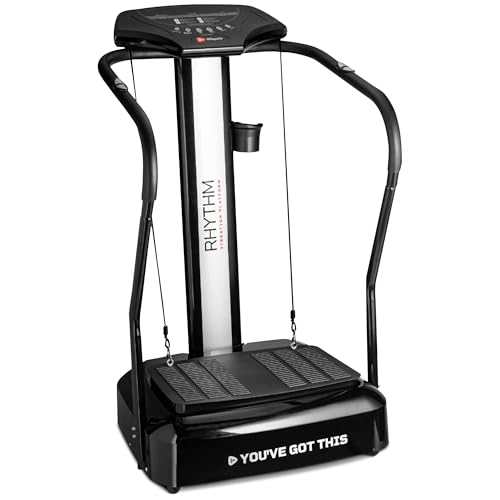
Lifepro Rhythm Vibration Plate
A Deeper Look At The Lineup
The Rumblex brings together three separate motors that produce oscillating, pulsating, and lateral movement. That combination makes it the most varied option here for anyone who wants a platform capable of changing the character of a session rather than simply raising or lowering the vibration.
Seven training modes and 60 speed levels give you room to progress gradually during a quiet morning routine. Compared with the simpler Lifepro Waver, this model adds directional movement, so it suits people who may tire of repetitive preset patterns. The honest read is that more motion options need more attention to balance.
Practical Pluses
- Three independent motors create a broader movement mix than a single-motor platform.
- Seven modes help separate walking, standing, and more active exercise patterns.
- Sixty speed levels support gradual adjustment rather than an all-or-nothing approach.
- The varied motion can make short home sessions less monotonous.
- Three operating modes are driven by separate motors, allowing different vibration patterns.
Trade Offs
- Multiple motion directions may feel more intense during early sessions.
- Positioning your feet and maintaining balance require more attention than a simple standing routine.
Feature Snapshot
Built With In Mind
You benefit most from this platform if varied motion and detailed speed adjustment matter more than a compact, minimal-control design.
A Better Fit Elsewhere
The Lifepro Rhythm suits you better when steady support from upright handrails takes priority over multi-directional vibration.
The Waver puts 99 speed settings, 10 preset programs, and manual control on a single platform. That gives beginners guided starting points while leaving enough range for people who already know how they want to adjust a vibration session.
Its stated user capacity reaches 330 pounds, making the support limit more useful to consider than a vague idea of sturdiness. Unlike the Rumblex 4D, the Waver emphasizes selection within a more straightforward platform, which may feel easier to manage in a compact home gym.
Noteworthy Benefits
- Ten presets reduce the need to design every session from scratch.
- Ninety-nine speeds offer finer control than a small preset-only selection.
- Manual mode gives experienced users direct control over the vibration level.
- The 330-pound capacity supports a wider range of adult users.
Practical Considerations
- Confirm that your body weight falls below the stated 330-pound limit.
- Many speeds and presets can feel excessive during your first session, so start conservatively.
- The platform takes up dedicated floor space in a home workout area.
Quick Facts
Made For
You will appreciate this model if you want a guided starting point now and more precise control as your routine becomes familiar.
Consider Something Else When
The Lifepro Rumblex 4D fits your needs better when several vibration directions matter more than a straightforward preset-led format.
The HexaPlate stands apart through its magnetic acupoint surface, adding a textured point of contact beneath your feet. It retains 99 speed levels and 10 preset programs, so you still get familiar control choices while using a different platform surface.
That design makes it interesting for standing routines that place texture under the feet rather than relying entirely on the motion setting. Compared with the Lifepro Waver, the controls are similar, but the magnetic surface is the defining difference. Your comfort with that texture will probably matter more than the extra program count.
Useful Strengths
- The magnetic surface adds texture and visual interest to an otherwise plain platform.
- Ten programs simplify the start of a home routine.
- Ninety-nine speeds support fine adjustments as your comfort and familiarity increase.
Points To Note
- Those sensitive to strong textures underfoot may prefer a smooth platform surface.
- The large selection of speeds and programs can feel complicated before you establish a routine.
The Right Fit
You suit this model if you want textured foot contact alongside the familiar convenience of multiple presets and speed levels.
Where A Sibling Pick Shines
The AXONFIT Vibration Platform is a better fit for you when motor power matters more than a magnetic acupoint surface.
The VT007 takes a precise approach with linear vibration across a 10-40 Hz frequency range. Frequency describes how quickly the platform oscillates, giving you a clearly defined adjustment range rather than a collection of vague intensity names.
Two amplitude settings and three programs make it suitable for a structured home routine, particularly for someone who values consistent movement more than multi-directional action. Compared with the Rumblex 4D, the VT007 trades movement variety for a more focused linear pattern and straightforward programming.
Real Benefits
- The 10-40 Hz range provides clearly defined frequency choices.
- Two amplitude settings let you adjust both movement strength and frequency.
- Three programs keep routine selection from becoming complicated.
- Its lightweight design is easier to move around than a bulky exercise setup.
Where It May Fall Short
- Linear vibration provides less movement variety than the Rumblex 4D.
- Three programs are fewer choices than the ten-program Waver and HexaPlate.
Technical Reference
Who Will Love This
You benefit most from the VT007 when precise frequency and amplitude choices matter more than the broadest collection of motion patterns.
Reach For A Different Pick When
The Lifepro Rumblex 4D suits you better when you want oscillating, pulsating, and lateral movement in the same platform.
The AXONFIT centers on a 200W motor and whole-body vibration, giving you a clear power figure to compare with other platforms. It makes sense for a home gym where you want a focused vibration surface rather than a multi-motor frame filled with different motion directions.
Its practical appeal is straightforward: standing movement, squats, or other bodyweight exercises can be added to a short daily routine in a dedicated space. Compared with the Lifepro models, the AXONFIT emphasizes motor output rather than an extensive program library. That narrower focus may feel refreshing.
The Value In It
- The 200W motor provides a clear performance specification for power-focused users.
- Whole-body vibration supports standing and bodyweight exercise routines at home.
Details To Watch
- Place the platform on a level surface and maintain a stable stance during stronger movements.
The Right Fit
You suit this platform if motor output is your main criterion for a compact, vibration-focused home workout.
Skip It When
The Lifepro Waver fits you better when preset programs, manual controls, and a stated user capacity matter more than motor wattage.
The curved foot platform gives the Viamotion a noticeably different stance from the flat surfaces used by several Lifepro models. A 150W motor supplies the oscillation, while nine preset modes keep daily programming manageable.
You can pair the platform with squats, lunges, calf raises, or stretching to build a varied routine without adding separate cardio equipment. Compared with the Lifepro Waver, the Viamotion offers fewer presets but adds a distinctive surface. For many short home sessions, that may be the more meaningful difference.
The Helpful Details
- The curved surface creates a more natural-looking stance during standing exercises.
- Nine modes provide enough choice for varied daily sessions.
- The 150W motor supports oscillating vibration for at-home routines.
- Squats, lunges, calf raises, and stretching make the platform useful beyond passive standing.
- Its straightforward preset count suits people who dislike complicated menus.
Some Limits To Know
- The curved shape can change how your feet settle, so allow time to adjust your stance.
- Nine modes offer less programming variety than the Lifepro Waver and HexaPlate.
Feature Facts
Made For
You benefit most from the Viamotion if a curved platform and a compact set of exercise-friendly modes suit your daily routine.
Another Choice May Suit
The Lifepro Waver suits you better when ten presets and manual control are more useful than a curved standing surface.
The Rhythm makes standing on a vibrating platform feel less precarious by adding an upright column and handrails. That support is the key difference from the flat, rail-free designs in this lineup, especially for older adults or anyone who wants a steady grip during a circulation-focused routine.
Ninety-nine speed levels provide fine adjustment without cluttering the platform with a large collection of modes. Compared with the Lifepro Waver, the Rhythm offers fewer program-style choices but adds meaningful physical support. You may find that trade worthwhile in a smaller or more stability-conscious setting.
A Few Highlights
- Full-height handrails provide a secure holding point during standing sessions.
- The upright support can make balance easier to manage in a home routine.
- Ninety-nine speed levels offer broad adjustment without requiring manual program setup.
Points To Keep In Mind
- The upright column occupies more floor space than a flat platform.
- The handrails add structure, so check the available footprint before choosing a location.
The Main Details
Built With In Mind
You benefit most from the Rhythm when dependable handrail support matters more than saving floor space.
Swap It Out When
The Viamotion Curved Vibration Plate fits you better when a flat exercise surface and nine preset modes suit your routine better than upright rails.
Match The Platform To Your Daily Routine
Start With The Motion Pattern
Linear vibration suits you when you want a consistent up-and-down platform with clearly adjustable frequency. Multi-directional models add pulsing and lateral movement for people who want more variation, while curved or textured surfaces change foot placement. Choose the pattern that feels comfortable and fits the exercises you already perform.
Look Beyond The Speed Count
A high speed total matters less than useful control. Presets help beginners move quickly into a routine, manual mode supports finer adjustments, and amplitude settings can change the platform’s movement. The VT007 illustrates the value of combining frequency with two amplitude choices.
Plan The Floor Space
Flat platforms need less room than models with upright columns and handrails. The Lifepro Rhythm adds stability but takes more floor space, while the Rumblex 4D uses a broader feature set that can appeal to people with a dedicated workout area. Measure the intended location before ordering.
Key Details Before You Choose
Mistakes Worth Dodging
Avoid choosing by program count alone, since a large menu does not guarantee a comfortable routine. Check your weight against the stated capacity, inspect the platform shape, and consider whether handrails are useful for your balance. A level floor and enough clearance around the machine matter for a steady session.
What Separates Premium From Basic
Higher-cost models may add multiple motors, handrails, broad frequency ranges, or more surface features. Those additions help when you want varied motion or greater stability, but a simpler platform can cover a basic standing routine. Pay for an attribute that changes your workout rather than for extra controls you will rarely use.
Frequently Asked Questions
How Often Should You Use a Vibration Plate?
Use it according to your comfort, activity level, and any instructions from your healthcare professional. Short, consistent sessions are easier for many people to maintain than an occasional long workout.
Do Vibration Plates Drain Lymphatic Fluid?
A vibration plate provides rhythmic movement but should not be treated as a lymphatic treatment. Its role in your routine is exercise and movement support, not medical therapy.
Which Vibration Plate Is Best for Balance?
The Lifepro Rhythm is the strongest fit for stability because it includes an upright column and handrails. Every platform still requires a level surface and steady footing.
Are More Speed Levels Always Better?
No. Useful presets, clear controls, and a comfortable range matter more than a large number alone. Manual control and amplitude settings can provide more practical value than extra preset programs.
Do I Need to Wear Shoes on a Vibration Plate?
Many routines are performed barefoot, but footwear can affect comfort, grip, and foot positioning. Choose clean, secure footwear or a barefoot surface that feels stable for you.
Final Verdict
The Lifepro Rumblex 4D offers the richest motion variety, while the Rhythm provides the strongest standing support. The Waver balances programs and speed controls, the VT007 emphasizes precise linear adjustment, and the Viamotion adds a curved surface. Pick the platform that matches your space and movement preferences, then begin with a comfortable setting and a steady stance.
