

You want bold, fresh heat without guessing which product will do the job, so here are five wasabis that balance real flavor and everyday use. Inglehoffer gives creamy, sandwich-friendly kick, Fundodai brings wasabi oil for searing and dressings, Kinjirushi offers authentic tube paste, Shizuoka supplies pure rhizome aroma for sashimi, and S&B delivers a reliable ready-use sauce. Each choice fits a different kitchen need, and you’ll want to test one next.
| Inglehoffer Hot Creamy Wasabi Horseradish Sauce 9.5 oz Squeeze Bottle |

| Best for Sandwiches | Form: Sauce (squeeze bottle) | Origin / Made in: Made in America (European quality) | Primary Flavoring Ingredient: Real wasabi + horseradish | VIEW LATEST PRICE | Read Our Analysis |
| Fundodai Wasabi Infused Oil 45g (Japan) |
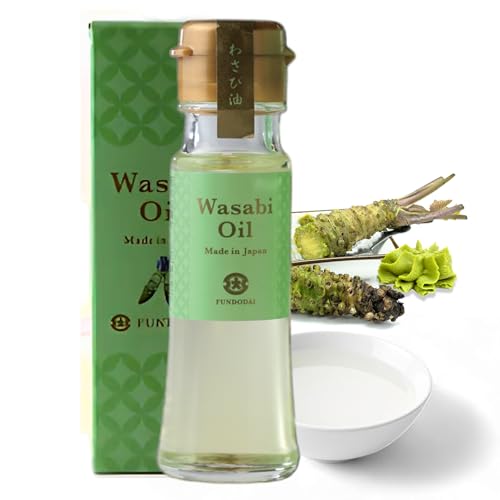
| Best for Cooking | Form: Infused oil | Origin / Made in: Made in Japan | Primary Flavoring Ingredient: Real wasabi components infused in canola oil | VIEW LATEST PRICE | Read Our Analysis |
| Kinjirushi Japanese Wasabi Paste (1.52 oz) |

| Best for Sushi | Form: Paste (tube) | Origin / Made in: Made in Japan | Primary Flavoring Ingredient: Real wasabi + horseradish | VIEW LATEST PRICE | Read Our Analysis |
| Authentic Japanese Shizuoka Wasabi Paste (Pack of 2) |

| Premium Authentic Pick | Form: Paste (tube) | Origin / Made in: Made in Shizuoka, Japan | Primary Flavoring Ingredient: Wasabi (Shizuoka-grown) | VIEW LATEST PRICE | Read Our Analysis |
| S and B Wasabi Sauce 5.3 Fl Oz (Pack of 6) |

| Best Value Pack | Form: Sauce (squeeze bottle) | Origin / Made in: Product of Japan | Primary Flavoring Ingredient: Prepared wasabi (Japanese horseradish) | VIEW LATEST PRICE | Read Our Analysis |
More Details on Our Top Picks
Inglehoffer Hot Creamy Wasabi Horseradish Sauce 9.5 oz Squeeze Bottle
Assuming you want a squeeze-bottle wasabi that turns everyday meals into bold bites, Inglehoffer Hot Creamy Wasabi Horseradish Sauce is a smart pick for home cooks and busy diners alike. You’ll get a 9.5 oz squeeze bottle that’s easy to use and fits your fridge door. It blends freshly grated wasabi and horseradish root into a hot, creamy formula that lifts sandwiches, sushi, crab cakes, beef, and fish. It’s gluten free and made in America with European quality, so you can trust the flavor and standards. You’ll like how it adds heat fast without fuss.
- Form:Sauce (squeeze bottle)
- Origin / Made in:Made in America (European quality)
- Primary Flavoring Ingredient:Real wasabi + horseradish
- Common Uses:Sandwich spread, dip, enhancer for beef/fish, sushi/crab
- Packaging Type / Format:9.5 oz squeeze bottle
- Gluten / Allergen Note:Gluten free
- Additional Feature:Freshly grated roots
- Additional Feature:Squeeze-bottle convenience
- Additional Feature:Hot creamy formulation
Fundodai Wasabi Infused Oil 45g (Japan)
Provided that you want a gentle wasabi lift that works in both hot pans and chilled plates, Fundodai Wasabi Oil is a smart pick for home cooks who crave real Japanese flavor without fuss. You’ll find a high quality canola base that stays neutral and heat resistant, so the wasabi scent and mild spice shine through whether you’re pan searing steak or drizzling over salad. It’s made in Japan with authentic wasabi compounds, and the smooth texture coats food evenly. You can experiment freely, pairing it with roast beef, carpaccio, sushi, or simple vegetables for an easy, confident lift.
- Form:Infused oil
- Origin / Made in:Made in Japan
- Primary Flavoring Ingredient:Real wasabi components infused in canola oil
- Common Uses:Cooking/dressing, roast beef/steak, carpaccio, salads, Japanese dishes
- Packaging Type / Format:45 g oil bottle
- Gluten / Allergen Note:(No gluten/allergen claim listed)
- Additional Feature:Canola oil base
- Additional Feature:Heat-resistant flavor
- Additional Feature:Mild authentic aroma
Kinjirushi Japanese Wasabi Paste (1.52 oz)
Should you want a handy, authentic-tasting wasabi that fits right in your fridge, Kinjirushi Japanese Wasabi Paste is a smart pick for home cooks who love sushi and bold flavors. You’ll observe spicy, aromatic cues from real wasabi root mixed with horseradish, and the tube keeps it fresh and easy to squeeze. Since it’s produced in Japan and gluten free, you can feel confident using it for sushi, sashimi, poke, noodles, or steak. Mix into mayonnaise for wasabi mayo, stir into ranch, blend into dressings, or smear on sandwiches. It’s versatile, reliable, and simple to use.
- Form:Paste (tube)
- Origin / Made in:Made in Japan
- Primary Flavoring Ingredient:Real wasabi + horseradish
- Common Uses:Sushi/sashimi, noodles, cooked fish, steak, dressings/dips
- Packaging Type / Format:1.52 oz tube
- Gluten / Allergen Note:Gluten free
- Additional Feature:Tube-dispensed paste
- Additional Feature:Mixes into sauces
- Additional Feature:Made in Japan
Authentic Japanese Shizuoka Wasabi Paste (Pack of 2)
Whenever you crave a true wasabi experience, this Authentic Japanese Shizuoka Wasabi Paste (Pack of 2) is for you. You get two 42 g tubes imported from Japan by Tamaruya, made in Shizuoka Prefecture where wasabi grows best. The paste is non-colored and fragrance-free, so you taste clean, sharp heat without additives. Ingredients include real wasabi, maltose, salt, oils, wheat fiber, sorbitol, starches, spice extract, and stabilizers. Take note it contains wheat in case you have allergies. Use it with sashimi, sushi, soba, steak, grilled meat, or ochazuke. It’s handy, authentic, and reliable for everyday meals.
- Form:Paste (tube)
- Origin / Made in:Made in Shizuoka, Japan
- Primary Flavoring Ingredient:Wasabi (Shizuoka-grown)
- Common Uses:Sushi/sashimi, soba, steak, grilled meat, ochazuke
- Packaging Type / Format:42 g tubes (pack of 2)
- Gluten / Allergen Note:Contains wheat (allergen)
- Additional Feature:Shizuoka-grown wasabi
- Additional Feature:Contains wheat allergen
- Additional Feature:Pack of two tubes
S and B Wasabi Sauce 5.3 Fl Oz (Pack of 6)
Should you want a reliable, ready-to-use wasabi that’s perfect for home cooks and sushi lovers, S and B Wasabi Sauce in the 5.3 fl oz squeeze bottles (sold in a pack of six) is a smart pick that won’t let you down. You’ll find a creamy texture and a clean, spicy kick that wakes your palate without overwhelming it. Because it’s prepared in Japan with no added color, you can trust its straightforward flavor. Use it on sushi, sashimi, grilled fish, steak, sandwiches, dips, or as a marinade base. The squeeze bottle keeps application tidy and easy.
- Form:Sauce (squeeze bottle)
- Origin / Made in:Product of Japan
- Primary Flavoring Ingredient:Prepared wasabi (Japanese horseradish)
- Common Uses:Sushi/sashimi, grilled fish, steak, dipping, sandwich spread
- Packaging Type / Format:5.3 fl oz squeeze bottles (pack of 6)
- Gluten / Allergen Note:(No gluten/allergen claim listed)
- Additional Feature:No color added
- Additional Feature:Creamy squeeze bottle
- Additional Feature:Pack of six
Factors to Consider When Choosing Wasabis
When you select a wasabi, consider about where it comes from and whether it’s the real root or a blend, because authenticity shapes flavor and quality. Also pay attention to how strong it gets, the texture, and what’s listed on the label so you can control heat and match the wasabi to different dishes. These factors work together to help you choose a versatile wasabi that fits your taste, cooking style, and the meals you love.
Origin And Authenticity
Because terroir shapes flavor, you’ll notice a real wasabi’s character change with where and how it was grown. You want genuine Wasabia japonica because its bright, complex heat and sweet aroma come from the rhizome. Look for clear botanical names like Wasabia japonica or Eutrema japonicum on labels and region certifications that prove origin. Provided the ingredients list horseradish, mustard, or artificial flavors initially, that product is mostly imitation and won’t give the fresh experience you crave. Freshly grated rhizome loses its peak volatile compounds in 15 to 20 minutes, so prioritize short supply chains and sellers who prepare rhizomes nearby. These steps help you find authentic wasabi that connects you to place and care.
Heat Level Control
You’ve learned how origin shapes real wasabi, and that matters because it also affects how hot the paste feels. You want predictable heat, so choose freshly grated wasabi whenever you crave a sharp, immediate kick. Keep in mind that the volatile allyl isothiocyanate compounds peak right after grating and fade within 10 to 15 minutes, so timing matters. Should you prefer steadier warmth, pick powdered blends or tube pastes since processing stabilizes and lowers heat. Fat changes everything, so oil or cream based mixes will soften the initial sting and extend warmth on your palate. To fine tune spice, dilute with neutral ingredients like mayo, yogurt, or oil at known ratios, for example one part wasabi to four parts mayo. Store opened jars refrigerated to preserve whatever punch remains.
Texture And Consistency
In case you care about how wasabi feels as much as how it tastes, texture and consistency decide a lot of the eating experience. You’ll notice paste wasabis are smooth and spreadable, so they blend into sauces and sit nicely on sushi. Powdered wasabi can be pasty or a bit grainy after you mix it, depending how much water you add, and that changes the bite. Thin oil or liquid wasabi pours and suits dressings and marinades, but it won’t cling like a paste. Texture also shifts heat: fine uniform pastes give quick clean heat, while grittier mixes mute spice and make it linger. Consider viscosity and mouthfeel. Thicker pastes stay put; low viscosity runs off. Check whether stabilizers or oils make it creamy, oily, or gelatinous.
Ingredient Transparency
Texture tells you how wasabi will act in your mouth, but the ingredient list tells you what it actually is, and that matters just as much. When you read labels, look for wasabi or wasabia japonica named clearly. Should the label say wasabi flavor or spice extract, expect imitation. Also check the order of ingredients to see whether real wasabi or horseradish comes first, and watch for fillers like oils, starches, or sweeteners that dilute heat and aroma. Pay attention to processing notes such as dried, reconstituted, paste, or oil infusion because processing changes the scent and bite. Lastly, watch for allergens, preservatives, colorants, and country of origin plus percentage of key ingredients so you can pick something safe and honest.
Culinary Versatility
While choosing wasabi, consider about how you’ll use it so the flavor and texture do the work you want, not the other way around. Reflect on texture initially, since paste, oil, creamy sauce, or grated forms behave differently whenever mixed into dressings, marinades, or used as a finishing touch. Also pay attention to heat profile and volatility because fresh wasabi gives a sharp, quick nasal hit that lifts raw fish, while horseradish-based versions leave a longer, mouth-centered burn that suits cooked meats. Match concentration to purpose: milder oil-based blends work for salads and warm dishes, concentrated pastes suit sushi or bold sauces. Consider solubility too, as oils carry aroma through cooking and water-based pastes perform best added cold. Mixability with creams or acidic dressings changes texture and brightness.
Packaging And Shelf Life
Because packaging controls how long wasabi keeps its bright kick, you should pick containers that match how and at which times you’ll use it. Tubes and paste packaging keep volatile aromatics safe by limiting air and light, so they hold peak flavor for weeks after opening. Squeeze bottles and flip tops make portioning easy, but they can draw in air with each use, so refrigerate right away and follow the maker’s 2 to 4 week guidance. Oil or emulsified wasabi in sealed bottles lasts long unopened, yet you must chill and finish it within the label timeframe after opening. Powders and instant packets sit longest whenever dry, but once rehydrated treat them like fresh paste. Always check dates, avoid cross contamination, and toss any product that smells or looks off.
Dietary Restrictions Compatibility
Should you have dietary restrictions, check the label closely before you buy wasabi so you don’t get surprised at the table. Read ingredient lists for common allergens like wheat, soy, dairy, and concealed gluten from thickeners. In case you need gluten-free options, pick products labeled gluten free or certified gluten free, since real wasabi is safe but mixes often are not. Also check whether the jar contains real wasabi or a horseradish blend in case you react to certain botanicals. For vegans and vegetarians, watch for fish flavorings, gelatin, or dairy emulsifiers. In case you limit sodium or additives, compare nutrition facts for salt and scan for preservatives, artificial colorings, sugar, or maltose. These steps keep meals safe and let you enjoy wasabi without worry.
