

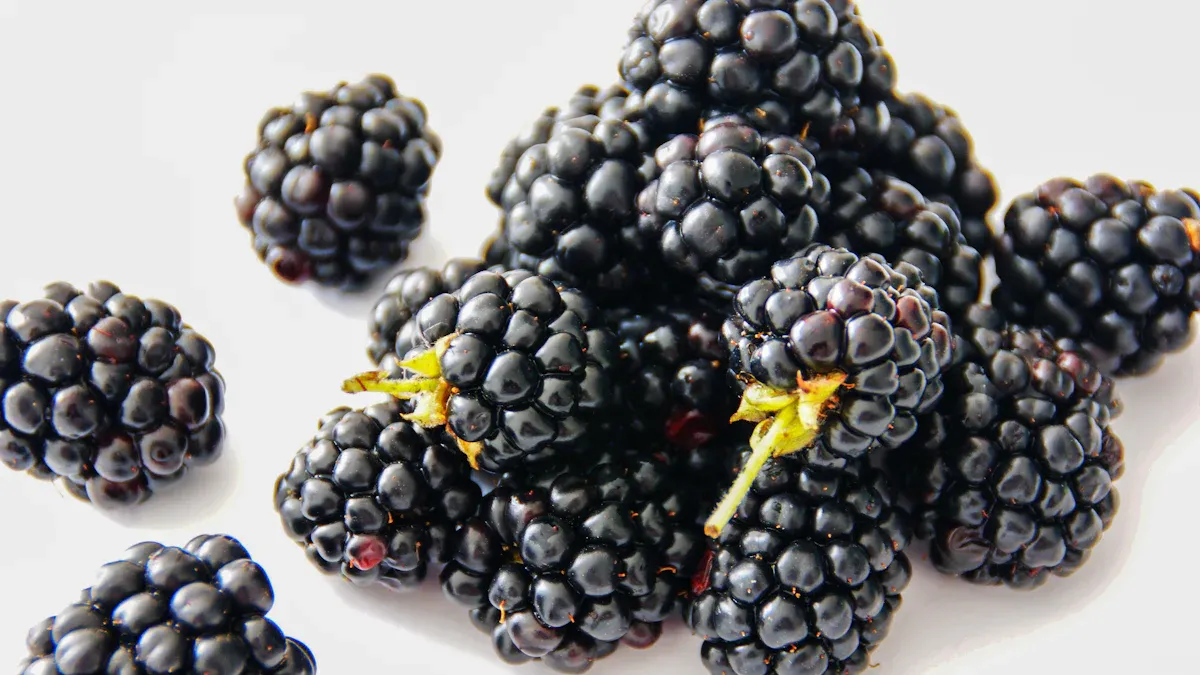
Blackberries are a delicious, often underestimated superfood. You discover significant health benefits, especially from their high in fiber content. Their delightful taste makes healthy eating enjoyable. Blackberries offer excellent blackberries nutrition. You can enjoy them guilt-free. They are low in calories, carbs, and fat. Many people struggle to get enough fiber. In fact, over 90% of U.S. adults consume less than the recommended daily fiber intake. This fruit helps you meet your fiber needs. Fiber provides many essential health benefits.
Key Takeaways
Blackberries are high in fiber. This helps your digestion and keeps your gut healthy.
Blackberries have many vitamins and minerals. They give you vitamin C for immunity and vitamin K for strong bones.
Blackberries are full of antioxidants. These protect your body from damage.
Blackberries taste good. You can eat them fresh or frozen in many different meals.
Blackberries: High in Fiber for Digestive Health
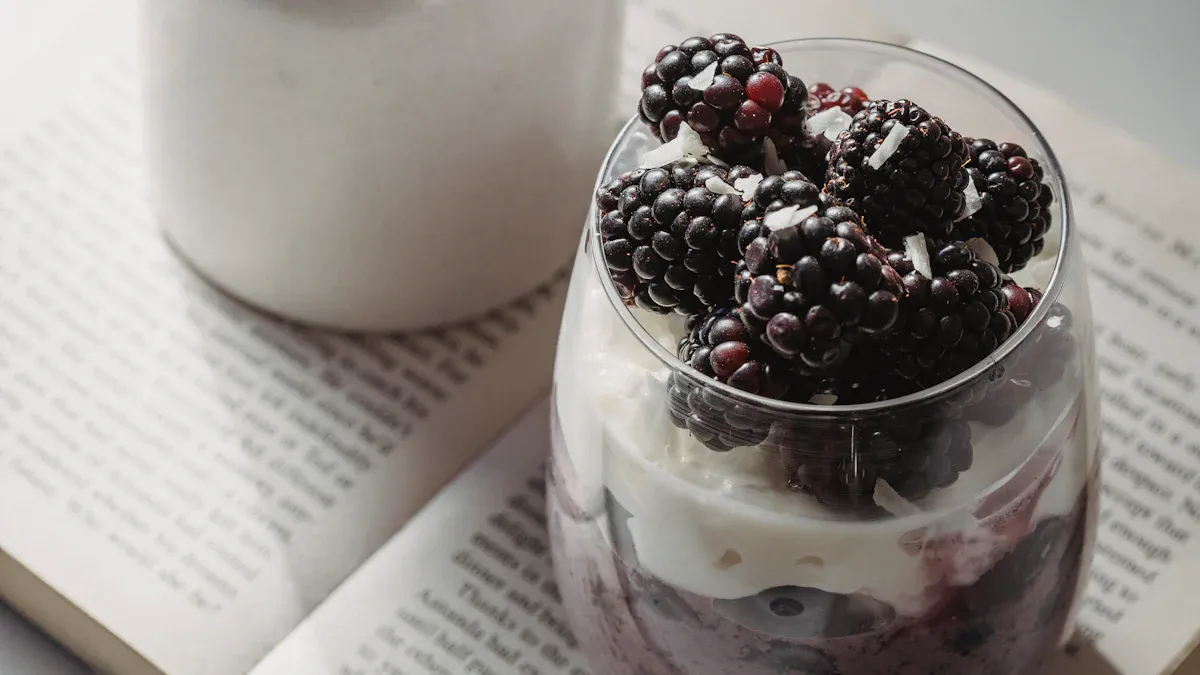
Blackberries are truly a champion when it comes to your digestive health. You get a significant amount of fiber from these berries. This fiber profoundly impacts how well your digestive system works.
Soluble and Insoluble Fiber Explained
Your body needs two main types of fiber: soluble and insoluble. Blackberries provide both. Soluble fiber dissolves in water. It forms a gel-like substance in your gut. This gel slows down digestion. This helps prevent your blood sugar from rising too quickly after you eat.
It also helps you feel full longer. Soluble fiber can also lower your blood cholesterol. It binds to bile acids in your gut. Your liver then uses cholesterol from your blood to make new bile acids. This process effectively lowers your cholesterol levels. For example, pectins, a type of soluble fiber found in blackberries, have gelling properties that slow digestion and help normalize blood sugar and cholesterol. Other soluble fibers like beta-glucans and guar gum also help normalize blood glucose and cholesterol.
Insoluble fiber does not dissolve in water. It adds bulk to your stool. This helps food move through your digestive system more easily. Think of it as a natural broom for your gut. Both types of dietary fiber are essential for a healthy digestive system.
Impressive Fiber Content Per Serving
Blackberries are truly high in fiber. You get a lot of fiber in just one serving. A single cup of fresh blackberries contains about 7 to 7.6 grams of dietary fiber. This is a significant amount. Adults should aim for 24 to 30 grams of fiber each day. So, one cup of blackberries gives you about 25% of your daily recommended fiber intake. This makes blackberries an excellent choice to boost your fiber consumption. For every 100 grams of dry weight, blackberries offer about 2.8 grams of soluble fiber and 33.4 grams of insoluble fiber. This balance helps your digestive system in many ways.
Promoting Regularity and Gut Health
Eating blackberries regularly helps keep your digestive system running smoothly. The insoluble fiber in blackberries adds bulk to your stool. This promotes regular bowel movements. It helps prevent constipation. Large, coarse insoluble fiber can also stimulate your colon to secrete water and mucus. This makes stool elimination easier. Soluble fiber also helps. It makes your stool softer and easier to pass.
Beyond regularity, dietary fiber feeds the good bacteria in your gut. This is called a “prebiotic” effect. When these bacteria ferment the fiber, they produce beneficial compounds called short-chain fatty acids (SCFAs). These SCFAs are vital for the health of your colon cells. They also help maintain a healthy gut microbiome. A high fiber diet, like one including plenty of blackberries, supports a diverse and healthy gut. This can reduce inflammation and improve overall gut health. Low-fiber diets can harm your gut microbiome. A high fiber diet, however, can improve your health outcomes.
Fiber’s Role in Satiety and Blood Sugar Control
The fiber in blackberries does more than just aid digestion. It also plays a big role in how full you feel. Dietary fiber increases the bulk of your food. It also delays how quickly your stomach empties. This means you feel fuller for longer after eating. This can help you eat less at your next meal. It also reduces snacking. This is one of the great benefits of a high fiber diet. Studies show that people feel fuller and have less appetite after increasing their fiber intake.
Fiber also helps manage your blood sugar levels. Soluble fiber slows down how fast your body digests and absorbs carbohydrates. This leads to a more gradual release of glucose into your bloodstream. This means you avoid sharp spikes in blood sugar. This also results in a lower insulin response. Both soluble and insoluble fiber can improve insulin sensitivity. This is important for preventing and managing conditions like type 2 diabetes. Eating more fiber, like the fiber found in blackberries, can significantly reduce fasting blood glucose and improve insulin sensitivity.
Beyond Fiber: Comprehensive Blackberries Nutrition
Blackberries offer much more than just fiber. They provide a rich array of essential vitamins and minerals. This solidifies their status as a true superfood. You gain many health benefits from their comprehensive nutrition information.
Antioxidant Powerhouse
Blackberries are an antioxidant powerhouse. They contain a rich amount of anthocyanins and other powerful antioxidants. These compounds help reduce oxidative stress and inflammation in your body. You find several types of antioxidants in blackberries. These include:
Flavonoids:
Anthocyanins: Primarily cyanidin-3-O-glucoside and cyanidin-3-O-rutinoside.
Flavan-3-ols: Epicatechin, epicatechin gallate, and epigallocatechin gallate.
Phenolic Acids: Gallic acid, vanillic acid, coumaric acid, ferulic acid, caffeic acid, and sinapic acid.
Terpenoids: These make up almost 90% of the total bioactive fraction. Hydroxytormentic acid is the most abundant. It regulates antioxidant-related genes. It also scavenges reactive oxygen species. Tormentic acid helps with metabolic regulation. It reduces diabetic and dyslipidemic changes. It also shows cardioprotective and antitumor activity.
Studies show that berries, including blackberries, have strong antioxidant properties. They can reduce oxidative stress. For example, consuming Korean blackberry reduced oxidized LDL-C levels in adults. This reduction ranged from 9% to 34%. This shows a significant decrease in oxidative stress in human subjects. Blackberry extract also protects liver cells from damage. It inhibits reactive oxygen species accumulation. It prevents mitochondrial membrane potential decrease. It also reduces mitochondrial membrane oxidation. Blackberry extract enhances antioxidant enzymes. It acts as a scavenger of reactive oxygen species. This reduces oxidative stress in human liver cells. You get these benefits from the powerful antioxidants in berry fruits.
Vitamin C for Immunity and Skin
Blackberries are an excellent source of vitamin C. One cup of fresh, raw blackberries contains 30.2 mg of vitamin C. This amount gives you about one-third of the recommended daily value for vitamin C. This vitamin is crucial for your immune system. Vitamin C stimulates the production and function of white blood cells. These include neutrophils, lymphocytes, and phagocytes. It enhances their movement and ability to fight germs.
Vitamin C protects these cells from oxidative damage. It also increases interferon production. It improves the killing capacity of neutrophils. It stimulates the growth of B- and T-lymphocytes. Vitamin C supports your immune defense. It helps your body fight off pathogens. It also promotes the skin’s barrier function.
Vitamin C also plays a vital role in skin health. It is essential for collagen production. Collagen is a protein that keeps your skin firm and elastic. Vitamin C helps convert amino acids into collagen. It also acts as a powerful antioxidant. It protects your cells from damage caused by free radicals. These free radicals can harm collagen. Vitamin C stimulates cells that produce collagen. This encourages your body to make more collagen. It also helps heal wounds. It promotes new, healthy collagen. Without enough vitamin C, your body cannot produce strong, stable collagen. This can lead to weakened skin structure.
Bone Health with Vitamin K and Manganese
Blackberries contribute to strong bones. They provide important nutrients like vitamin K and manganese. One cup of fresh blackberries contains 29 micrograms of vitamin K. Vitamin K helps calcium get into your bones. It is necessary for osteocalcin. This is an important bone protein. It functions during bone formation. Vitamin K also helps maintain bone strength. It regulates genes that control bone cell formation. It can also decrease bone breakdown.
Blackberries are also a good source of manganese. A one-cup serving provides about 0.9 milligrams of manganese. Manganese is crucial for energy production. It also supports bone health. It acts as a cofactor for enzymes. These enzymes are involved in bone development. Manganese helps form cartilage. It contributes to collagen synthesis. It also supports bone mineralization. This ensures your bones are hard and strong. A deficiency in manganese can impair bone formation. It can also reduce bone mineral density.
Essential Vitamins and Minerals in Blackberry Nutrition
Beyond these key nutrients, blackberries offer other essential vitamins and minerals. You get other B vitamins, though in smaller amounts. For example, one cup provides 36 micrograms of folate. This is 9% of your daily value. It also gives you 0.397 milligrams of pantothenic acid. Blackberries are a good source of vitamin E. One cup provides 10% of the daily recommended value. Vitamin E acts as an antioxidant. It protects your body from free radical damage. It boosts your immune system. It also benefits skin health.
You also find important minerals in blackberries. These include calcium, magnesium, and potassium. They also contain significant amounts of copper. All these nutrients contribute to your overall health. Blackberries are also low in calories. A half-cup serving of raw blackberries contains only 40 calories. It has zero fat. This makes them a smart choice for your daily nutrition information. You can enjoy these delicious berries. They provide many health benefits without adding many calories.
Delicious Blackberries: Taste and Versatility

Blackberries offer a delightful experience for your palate. Their unique flavor makes them a favorite for many. You can easily add them to your diet.
Sweet, Tart, and Flavorful Profile
Blackberries have a distinct taste. They offer a perfect balance of sweetness and tartness. This makes them incredibly refreshing. Their juicy texture adds to their appeal. You can enjoy their natural flavor on its own. This unique taste also makes them versatile for cooking.
Culinary Uses: From Snacks to Dishes
You can incorporate blackberries into many meals. They work well in both sweet and savory dishes. For main courses, consider adding them to a Crispy grilled cheese sandwich. You can also use them in salads with a blackberry vinaigrette. Many people enjoy blackberry chutney as a condiment for meat or cheese. They also make great barbecue sauce for grilled meats like pork tenderloin or chicken. You can even find recipes for Roasted Chicken with Blackberry Gravy or Blackberry Chicken Skewers. For a more adventurous meal, try Breast of Duck with Blackberry Demi-Glace.
Blackberries also shine in desserts and beverages. You can bake a classic Blackberry Crisp or a Blackberry Upside-Down Cake. Try Lemon Cupcakes with Blackberry Buttercream. Sweet Blackberry and Brandy Sauce tastes great over ice cream or pancakes. You can also make Blackberry Cheesecake Brownies or a Peach and Blackberry Cobbler. For drinks, a Blackberry Margarita is a popular choice. These many uses show the versatility of blackberries.
Fresh vs. Frozen: Nutrition and Convenience
You might wonder if fresh or frozen blackberries are better. Both forms offer great nutritional benefits. Frozen berries often contain the same nutrients as freshly harvested ones. Growers typically flash-freeze berries on the day they pick them. This process locks in their natural nutrients and antioxidants. Studies from John Hopkins University confirm this. Frozen berries maintain optimal nutrition levels for months.
Fresh, local, in-season blackberries are excellent. They are picked at peak ripeness. You consume them quickly. This gives them a nutritional advantage. However, frozen blackberries are available year-round. They consistently retain most of their nutrients from harvest day.
This is true regardless of the season. The FDA states that frozen fruits provide the same essential nutrients as fresh ones. Modern flash-freezing ensures no significant difference in nutrient levels. Frozen blackberries are convenient and long-lasting. They are a healthy option even when fresh berries are out of season. You can use them in baking and cooking. They retain most of their vitamins and minerals. This makes them a smart choice for your health.
Blackberries are a true nutritional powerhouse. You get rich blackberries nutrition, including abundant dietary fiber and many essential vitamins and minerals.
Their delicious taste makes them an easy, enjoyable addition to any diet. Incorporate more blackberries for improved digestion. The dietary fiber promotes regular bowel movements and balances gut bacteria. This dietary fiber, along with antioxidants and Vitamin C, supports your gut health. Blackberries also enhance your immunity. Vitamin C stimulates white blood cells, and polyphenols boost immune cell activity. These berries offer many health benefits for your overall well-being, supporting heart health and brainpower. Enjoy the numerous benefits of this superfood.
FAQ
How much fiber do blackberries contain?
Blackberries are rich in fiber. One cup provides about 7 to 7.6 grams. This helps you meet your daily fiber needs. It supports healthy digestion.
What antioxidants do blackberries offer?
Blackberries are full of antioxidants. They contain anthocyanins, flavonoids, and phenolic acids. These compounds help protect your body’s cells. They reduce oxidative stress.
Are fresh or frozen blackberries more nutritious?
Both fresh and frozen blackberries are nutritious. Growers flash-freeze berries at peak ripeness. This locks in their nutrients. Frozen berries offer convenience year-round.
How many calories are in blackberries?
Blackberries are low in calories. A half-cup serving of raw blackberries contains only about 40 calories. They have zero fat. This makes them a healthy snack.
How can you add blackberries to your diet?
You can easily add blackberries to your diet. Enjoy them in smoothies, salads, or desserts. You can also eat them as a simple snack. They boost your nutrient intake.