


Beyond a refreshing crunch, cucumbers offer more than meets the eye. These versatile vegetables are a hydration powerhouse, consisting of 95% to 96% water. This high water content contributes to their many health benefits. Cucumbers provide essential nutrition that supports overall health. This blog explores cucumber nutrition facts, detailing their nutritional profile, significant hydration benefits, and versatile uses for cucumbers.
Key Takeaways
Cucumbers are mostly water. They help your body stay hydrated.
Cucumbers have important vitamins and minerals. These include Vitamin K, magnesium, and potassium.
Cucumbers are low in calories. They can help you manage your weight.
Cucumbers have special compounds. These compounds can help your body fight inflammation and may protect against some cancers.
Cucumber Nutrition Facts: A Detailed Look
Calories and Macronutrients
Cucumbers offer excellent nutritional value while remaining very low in calories. A half-cup of sliced cucumber contains minimal calories, making it an ideal snack for weight management. This vegetable provides essential macronutrients in small amounts.
Serving Size | Calories |
|---|---|
1/2 cup slices | 8 |
The macronutrient breakdown further highlights the light nature of cucumbers.
Macronutrient | Value (per half-cup sliced cucumber) |
|---|---|
Protein | 0.3g |
Carbohydrates | 1.9g |
Fat | 0.1g |
This cucumber nutrition profile shows it is a light food. It contributes to daily energy needs without adding significant caloric intake.
Key Vitamins and Minerals
Cucumbers are nutrient-rich, providing several important vitamins and minerals. These micronutrients support various bodily functions.
Key vitamins found in cucumbers include:
Vitamin K
Vitamin B
Vitamin C
Vitamin K is particularly important. It plays a crucial role in blood clotting and wound healing. It also supports healthy bone development.
Cucumbers also contain vital minerals:
Magnesium
Molybdenum
Potassium
These minerals contribute to overall health. They support nerve function, muscle contraction, and fluid balance. The nutrition from cucumbers helps maintain these essential processes.
Antioxidants and Phytonutrients
Cucumbers are rich in antioxidants and various beneficial phytonutrients. These compounds protect the body from damage caused by free radicals. This protection contributes to the nutritional benefits of cucumber.
Specific antioxidants identified in cucumbers include:
Lutein (a primary carotenoid)
Flavonoids (produced through gene activation)
Cucumbers contain a wide array of phytonutrients. Researchers have identified 73 different phenolic compounds in this vegetable. The primary categories of phytonutrients found in cucumbers include:
Flavonoids: apigenin, diosmetin, fisetin, luleolin, quercetin, kaempferol, luteolin, naringenin, theaflavanoside I, vicenin.
Lignans: pinoresinol, lariciresinol, secoisolariciresinol.
Triterpenes: cucurbitacin A, cucurbitacin B, cucurbitacin C, cucurbitacin D.
Lignans are polyphenols also present in cruciferous and allium vegetables. They link to a reduced risk of cardiovascular disease and certain cancers. Cucumbers are also a rich source of cucurbitacins. Research suggests cucurbitacins can block cancer cell growth. Other phytonutrients in cucumbers offer antioxidant and anti-inflammatory benefits. These compounds scavenge free radicals. Free radicals can damage DNA and contribute to aging. This comprehensive nutritional value makes cucumbers a powerful addition to any diet.
Hydration Benefits of Cucumber

High Water Content for Fluid Needs
Cucumbers are approximately 96% water. This makes them highly effective in promoting hydration. They assist individuals in meeting daily fluid requirements. While beverages meet most fluid needs, up to 40% of daily water intake can come from food. Fruits and vegetables like cucumbers are excellent sources. Cucumbers possess the highest water content among solid foods.
Drinking cucumber water contributes to a person’s daily water intake. The added flavor from cucumber can be particularly beneficial. It helps individuals who find plain water unappealing. This encourages increased fluid consumption and aids in hydration. This high water content significantly increases hydration.
Electrolyte Support
Cucumbers are a natural source of electrolytes. They particularly provide potassium and magnesium. These electrolytes are vital for various bodily functions. They include muscle contractions, nerve function, and maintaining fluid balance. Potassium helps regulate thirst levels. It balances electrolytes. It maintains proper fluid levels in cells. This supports overall fluid balance.
Potassium also helps regulate blood pressure and supports heart health. Consuming cucumber can aid in replenishing potassium levels. This is especially true after sweating from exercise or heat exposure. Magnesium is crucial for muscle function and energy production. Magnesium helps prevent cramping. It supports overall physical performance. These benefits contribute to overall health.
Skin Health and Radiance
The hydrating properties of cucumbers also benefit skin health. Well-hydrated skin appears more supple and radiant. The high water content helps flush out toxins. This contributes to a clearer complexion. Regular consumption of cucumbers can support a healthy glow. This helps benefit skin health.
Digestive Regularity
Cucumbers contribute to digestive regularity. Historically, traditional systems like Ayurveda used this vegetable for its digestive benefits. It is considered a ‘cooling’ food. It is often recommended for soothing gastrointestinal discomfort. Its high water content and mild fiber content hydrate the digestive tract. This promotes gentle bowel movements. This can alleviate mild constipation or indigestion.
This vegetable is rich in water. This is crucial to prevent dehydration. Dehydration is a significant factor in constipation. Staying well-hydrated improves stool consistency. It helps maintain regularity. Additionally, cucumber contains fiber, particularly pectin. Pectin is a soluble fiber. Pectin increases the frequency of bowel movements. It speeds up intestinal muscle contractions. It nourishes beneficial gut bacteria. Both actions improve digestive well-being. These hydrating foods help relieve dehydration. This promotes hydration.
Beyond Hydration: Health Benefits of Cucumbers
Cucumbers offer many health benefits beyond their hydrating properties. These benefits contribute to overall well-being. They support various bodily systems.
Bone Strength and Development
Cucumbers play a role in maintaining strong bones. They provide essential nutrients for bone health.
Vitamin K: This vitamin supports bone health and formation.
Calcium: It helps prevent osteoporosis.
Phosphorus: This mineral is essential for healthy bone formation.
Potassium: It strengthens bones.
One cucumber with the peel on provides over 41% of the recommended Daily Value for vitamin K. Insufficient vitamin K negatively impacts bone health. It links to osteoporosis and an increased fracture risk. According to the United States Department of Agriculture (USDA), 100 grams of unpeeled, raw cucumber provides 24 micrograms (mcg) of vitamin K. Cucumbers also provide vitamins C and A. These antioxidants support immune function and bone growth.
Blood Sugar Management
Cucumbers can help manage blood sugar levels. Their unique composition contributes to this benefit.
Their high water content, about 95%, aids hydration. Hydration is crucial for managing blood sugar and kidney function. The modest fiber content slows down sugar absorption.
This helps stabilize blood sugar after meals. Cucumbers are rich in antioxidants like vitamin C, vitamin E, and beta-carotene. These compounds reduce oxidative stress and may improve insulin sensitivity. Cucumbers are also low in calories, with 16 calories per 100 grams. This supports weight management, which indirectly improves insulin sensitivity and blood glucose regulation.
Animal studies suggest that cucumber extracts may lower blood glucose levels. A 2011 study showed a decrease in blood sugars in diabetic rats after a nine-day diet of cucumber seed extract. A 2012 study linked cucumber’s phytonutrients to blood sugar-lowering effects in diabetic rats. A 2014 research paper indicated that cucumber pulp could be effective for diabetes treatment and management in rats. These studies used cucumber extracts. More research is needed to confirm similar benefits from whole cucumbers. Cucumbers have a low glycemic index (GI) of 15. This indicates a minimal impact on blood glucose levels. They are low in carbohydrates, with a 100-gram serving containing 3.63 grams. Cucumbers do not cause significant spikes in blood sugar or insulin levels. This improves blood sugar control.
Anti-Inflammatory Effects
Cucumbers contain compounds with anti-inflammatory properties. These compounds help reduce inflammation in the body.
They include:
Phenolics
Flavonoids
Saponins
Polysaccharides
Gums
Polyphenols
These phytonutrients work to combat inflammation. They protect cells from damage. This contributes to the overall health benefits of cucumbers.
Gut Health and Fiber
Cucumbers promote gut health through their water and fiber content. The water assists in breaking down food and nutrient absorption. The fiber helps regulate bowel movements. This prevents constipation. Drinking water infused with cucumber slices supports healthy digestion. The water helps maintain a smooth-running digestive system. It moves food through the intestines and prevents constipation. It also aids in waste elimination.
Cucumbers provide approximately 1.5 to 2 grams of dietary fiber. This fiber is crucial for overall gut health and maintaining regular bowel movements. Furthermore, pickling cucumbers can enhance gut health. They introduce probiotic properties. Fermented pickles contain beneficial bacteria. These bacteria inhibit the growth of harmful bacteria in the gut.
Weight Management Support
Cucumbers are an excellent food choice for weight management. They are low in calories and high in water content. This makes them a healthy addition to a balanced diet. Weight loss results from overall calorie balance and lifestyle factors.
Cucumbers are beneficial for weight loss when incorporated into a healthy, calorie-restricted diet alongside regular exercise. They are low in calories. They contain a good amount of water and soluble fiber. This combination helps in reducing appetite. It promotes hydration and a feeling of fullness. This assists in weight management. While they offer some nutrients like potassium, vitamin C, and vitamin K, their primary role to aid in weight loss stems from their low-calorie and high-water content.
Potential Cancer Protection
Cucumbers contain compounds that may offer protection against certain cancers. This suggests they may reduce cancer risk.
Cucurbitacin B, a natural compound found in cucumbers, significantly and specifically inhibits the growth of prostate cancer cells. Beta-carotene, abundant in cucumbers, is a pro-vitamin A carotenoid. A meta-analysis indicated an inverse association between dietary or circulating beta-carotene and the risk of all-cause mortality. This suggests its potential to extend human lifespan. An extract derived from Cucumis sativus (cucumber) flowers demonstrated anticancer potential against liver cancer HepG2 cell lines. It induced apoptosis with an LD50 of 103.7 µg/mL. These findings highlight the potential nutritional benefits of cucumber in cancer prevention.
Incorporating Cucumbers into Your Diet
Fresh Snack and Salad Ideas
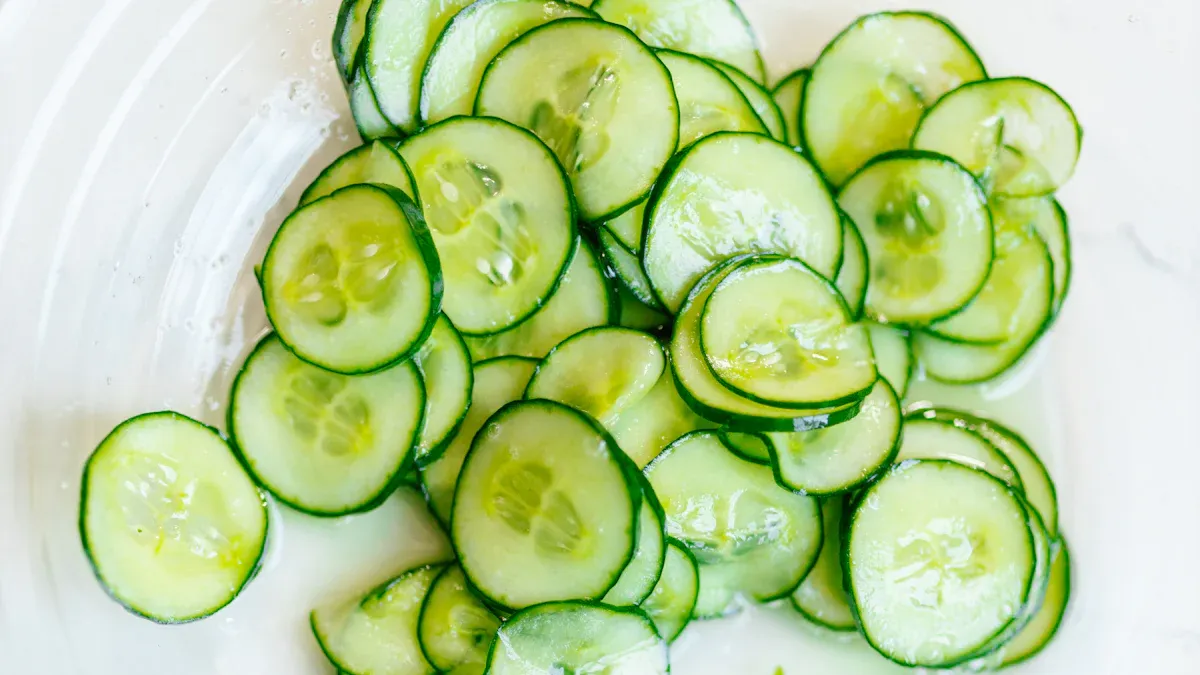
Cucumbers offer many fresh snack options. People enjoy them in various forms. Some popular choices include Fresh Cucumber Salsa or Cucumber Pico de Gallo. Others like Tzatziki Sauce or Cucumber Dill Dip. For a quick bite, consider Salt & Vinegar Cucumber Chips or Fresh Vegan Spring Rolls.
Stuffed cups are also popular. Examples include Cucumber Sushi Rolls, Taco Cream Cheese Bites, or Smoked Salmon Rose Cups. Vegan Hummus Bites also make a good snack. Classic Tea Sandwiches are another option.
Many delicious salads feature this vegetable. The Smashed Cucumber Salad, with feta-dill dressing, offers big flavor. A Peach Salad includes herbs and avocado. The Avocado Salad combines sumac-marinated shallots and fresh dill. For a protein boost, try Edamame Salad with sesame-ginger dressing. Creamy Cucumber Salad is a popular Eastern European style dish. Ensaladang Pipino at Kamatis is a simple Filipino side salad. Smashed Chinese Salad absorbs an umami-rich dressing. These salads showcase the versatility of cucumbers.
Refreshing Drinks and Smoothies
Cucumbers also make excellent additions to drinks and smoothies. A Refreshing Cucumber Smoothie is perfect for hot days. It often includes the vegetable, milk, citrus, and Greek yogurt. People can add spinach or honey for extra nutrition and taste. Variations include a mint smoothie or a mango smoothie. A Creamy Smoothie is dairy-free and vegan. It uses non-dairy milk, the vegetable, greens, and nuts or seeds. An Easy Smoothie is fruity and refreshing. It combines the vegetable, banana, frozen pineapple, and spinach. These drinks are low in calories and provide great hydration.
Cooking and Pickling Versatility
Cucumbers are very versatile in cooking. They appear in many salads, like Kimchi Cucumber Salad or Middle Eastern Salad Shirazi. People also use them to make Tzatziki Sauce, a creamy dip with Greek yogurt and herbs. For appetizers, consider Cucumber Wraps with Green Goddess Dressing. Beyond fresh uses, cucumbers are excellent for pickling. Common pickled forms include bread and butter pickles or sweet pickles. People can pickle them as slices, pickle spears, or sandwich slabs.
Storage for Optimal Freshness
Proper storage keeps cucumbers fresh longer. Store whole cucumbers in the refrigerator’s crisper drawer. This helps maintain their crispness. If you cut a cucumber, wrap the remaining portion tightly in plastic wrap. This prevents it from drying out. Use cut cucumber within a few days for the best quality.
Potential Considerations
Allergic Reactions
While generally safe, some individuals may experience allergic reactions to cucumbers. These reactions are uncommon. Symptoms can vary from mild to severe and may appear immediately or hours after exposure. Mild symptoms often include itching or tingling in the mouth. Skin rashes or stomach discomfort can also appear. More serious symptoms involve swelling of the face, lips, tongue, or throat. Difficulty breathing, wheezing, or a runny nose are also possible. Anaphylaxis is a rare but severe allergic reaction. It presents with symptoms like a rapid, weak pulse, skin rash, nausea, or vomiting, requiring immediate medical attention. Oral Allergy Syndrome (OAS) can cause itching or swelling in the mouth, face, lip, tongue, and throat immediately after eating raw cucumber.
Pesticide Concerns
Pesticide residues can be a concern with cucumbers. Chemicals like Ethion and Imidacloprid might remain on the produce. These can pose risks to human health if they exceed Maximum Residue Levels (MRLs). Ethion, an organophosphate, inhibits acetylcholinesterase. This can lead to symptoms like nausea, vomiting, and anxiety. In severe cases, it can cause respiratory failure. Imidacloprid, a systemic pesticide, affects the central nervous system. It has links to liver and thyroid gland toxicity in chronic studies. Pesticides also negatively impact bee pollination. This can lead to deformed or undersized cucumbers. They can also cause brown leaf edges and tan blotches on cucumber leaves.
Digestive Sensitivities
Cucumbers can sometimes cause digestive issues. These include gas and bloating. A chemical compound called cucurbitacin causes these problems. This compound is often found in the cucumber skin. Courtney Cary, a registered dietitian, states that cucurbitacin causes burping and gas production. It can also make the cucumber taste bitter. This biochemical compound is also prominent in other gourds like squashes and pumpkin. Some companies have developed “burpless” cucumbers. These varieties contain no cucurbitacin. Other digestive discomforts can include stomach or intestinal pain, constipation, or diarrhea.
Cucumbers offer significant nutritional value and extensive health benefits. Their high water content makes cucumbers excellent for hydration. This cucumber provides essential vitamins, minerals, and antioxidants. These compounds contribute to overall health. The comprehensive cucumber nutrition profile supports well-being. Incorporating cucumbers into a balanced diet is a smart choice. Enjoy these refreshing cucumbers for their taste and numerous benefits. These versatile cucumbers provide great nutrition.
FAQ
Are cucumbers good for weight loss?
Yes, these vegetables are low in calories and high in water. They help you feel full. This supports weight management when part of a balanced diet.
Do cucumbers provide important vitamins?
Yes, cucumbers offer key vitamins. They contain Vitamin K, which helps with blood clotting and bone health. They also provide some B and C vitamins.
Can these vegetables help with hydration?
Absolutely. They are about 96% water. They are excellent for meeting daily fluid needs. They also provide electrolytes like potassium and magnesium for good health.
What are the main health benefits of eating them?
Cucumbers offer many health benefits. They support bone strength, help manage blood sugar, and have anti-inflammatory effects. They also aid gut health and provide antioxidants.