


You face so much information about eating healthy. It can feel confusing. A survey found that 80 percent of people are confused about nutrition. This guide gives you simple, easy-to-understand advice for healthy food choices. You do not need big changes for a healthy diet. Instead, make informed, simple decisions. Understanding proper nutrition helps. This blog offers practical tips for sustainable healthy eating.
Key Takeaways
Focus on whole foods. Eat a variety of fruits, vegetables, lean proteins, and whole grains. This helps you get all the nutrients you need.
Build balanced meals using the ‘Healthy Eating Plate’ guide. Fill half your plate with fruits and vegetables. Add lean protein and whole grains to the rest.
Drink enough water every day. Water is very important for your body to work well. It helps with many body functions.
Make small, healthy changes often. This includes planning meals, controlling portion sizes, and reading food labels. These small steps lead to big health improvements.
Limit processed foods, sugary drinks, and unhealthy fats. These foods can harm your health. Choose healthier options instead.
Foundations of Healthy Eating
Building a strong foundation for healthy eating starts with understanding basic principles. You should focus on whole, unprocessed foods. These foods are the cornerstone of a good diet. A healthy diet also means balancing the calories you eat with the energy you use. This helps you maintain a healthy weight.
To ensure a nutritionally adequate diet, you need variety. Eat diverse, nutritious foods from different groups. Prioritize minimally processed options. Balance helps reduce the risk of diet-related diseases. Moderation is also key. Eat when you are hungry and stop when you are full. This helps you avoid excessive portions. Your diet should include safe drinking water and limit ultra-processed foods. Emphasize fruits, vegetables, legumes, nuts, and whole grains. Aim for at least 400g of fruits and vegetables daily.
Macronutrients Explained
Macronutrients are the main components of your food. They provide energy. These include carbohydrates, proteins, and fats.
Carbohydrates: Your body’s main fuel source. They give you immediate energy for muscles and your central nervous system.
Proteins: Essential for building and repairing tissues. They form muscles, skin, and organs. Proteins also help break down toxins. They make you feel full longer than carbohydrates.
Fats: Crucial for energy reserves. They insulate your body and protect organs. Fats also help absorb fat-soluble vitamins.
Micronutrients: Vitamins and Minerals
Vitamins and minerals are micronutrients. They are vital for your body’s normal functions. Your body does not produce them, so you must get them from food. Vitamins are organic substances. They are either fat-soluble (like A, D, E, K) or water-soluble (like C and B-complex). Fat-soluble vitamins store in your body. Water-soluble vitamins dissolve in water and your body excretes unused amounts. Minerals are inorganic elements from soil and water. Plants absorb them, or animals consume them. Common minerals include calcium, sodium, and potassium. Trace minerals like copper and zinc are needed in smaller amounts.
For example, Vitamin A supports vision. Vitamin C boosts your immune system. Calcium builds strong bones. Iron helps transport oxygen in your blood. These nutrients are vital for overall nutrition and diet quality.
Hydration: Essential for Health
Drinking enough water is essential for your health. There is no single perfect amount of water for everyone. Your water needs depend on your metabolism, environment, body size, gender, and physical activity.
Regular hydration benefits your health greatly. Good hydration levels can decrease falls and delirium, especially in older adults. It improves overall condition and promotes independence. Thirst is your body’s signal for fluid intake. Maintaining fluid balance prevents decreases in blood volume. It also stops an increase in salt and minerals in your blood. Proper hydration supports kidney function.
Here is a general guide for fluid intake:
Sex | Age | Estimated Energy Requirement (Kcals/d) | AI for fluid intake (ml/d) | Ratio AI ml/d: EER Kcal/d |
|---|---|---|---|---|
Child | 2–3 | 1000–1400 | 1300 | 0.93 |
Female | 4–8 | 1400–1600 | 1700 | 1.06 |
9–13 | 1600–2000 | 2100 | 1.05 | |
14–18 | 2000 | 2300 | 1.15 | |
19–30 | 2000–2200 | 2700 | 1.23 | |
31–50 | 2000 | 2700 | 1.35 | |
50+ | 1800 | 2700 | 1.5 | |
Male | 4–8 | 1400–1600 | 1700 | 1.06 |
9–13 | 1800–2000 | 2400 | 1.20 | |
14–18 | 2400–2800 | 3300 | 1.18 | |
19–30 | 2600–2800 | 3700 | 1.32 |
You can see how fluid intake varies by age and sex. Always remember to drink water throughout the day. This helps your body function at its best. Think about what goes on your plate and how much you drink. A balanced plate and good hydration are key to healthy eating.
Your Balanced Diet Plate
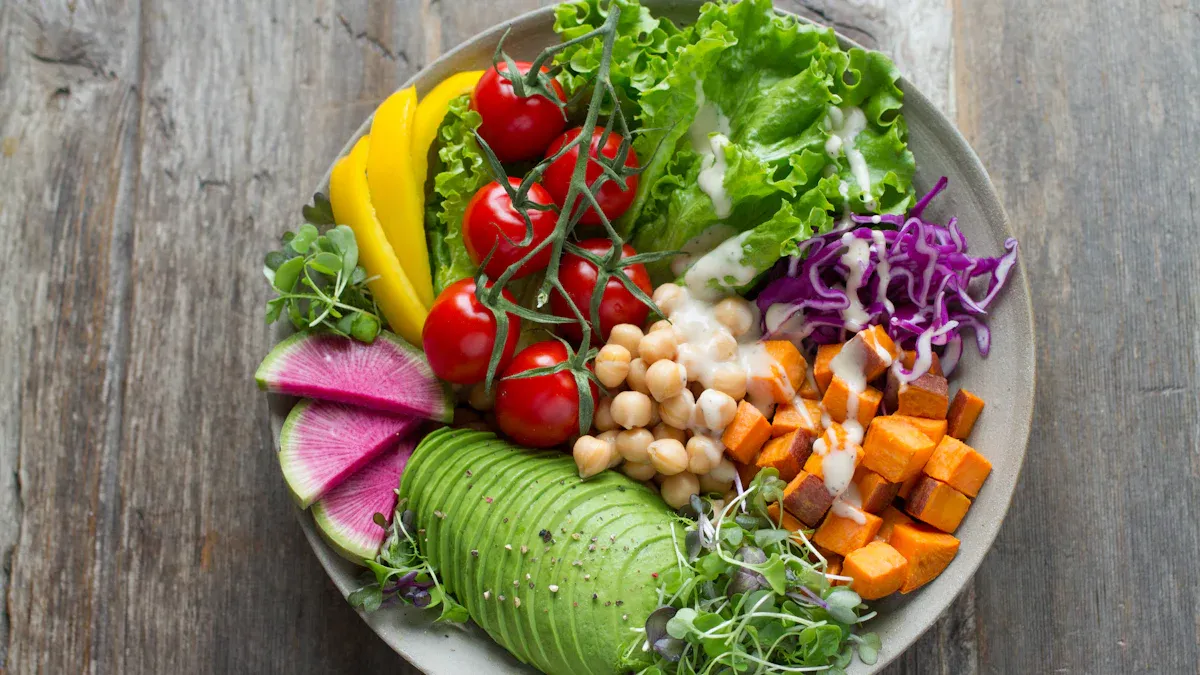
You want to build balanced meals. This section guides you on how to structure your meals. You will use the ‘Healthy Eating Plate’ concept. This plate shows you how to make healthy food choices. It helps you understand different food groups. You can make your plate full of good nutrition. The Healthy Eating Plate indicates approximate relative proportions for each food group. It does not specify a certain number of calories or servings. Your individual needs vary. Age, gender, body size, and activity level all play a role. You might remember the healthy eating pyramid. The healthy eating plate offers a clear visual guide. It helps you create balanced meals. This healthy eating plate makes healthy eating simple. You can use this healthy eating plate for every meal. Think of your plate as a guide for healthy eating. The healthy eating plate helps you get good nutrition. This healthy eating plate is a tool for better eating. You can achieve healthy eating with this plate. The healthy eating pyramid also aimed to guide you. The healthy eating plate is a modern approach. It helps you with your diet. The healthy eating pyramid was a good start. The healthy eating plate is even better. It helps you with your diet. You can make balanced meals easily. This healthy eating plate is your friend for healthy eating. You can use this plate to plan your meals. This plate helps you visualize your food. The healthy eating pyramid was a good concept, but the healthy eating plate is more intuitive. You can fill your plate with healthy options. This plate helps you make healthy choices.
Fruits and Vegetables
Fruits and vegetables should make up just over a third of the food you eat each day. You should aim for a colorful meal vegetables and fruits plate. The 2020–2025 Dietary Guidelines for Americans recommend that adults consume 1.5–2 cup-equivalents of fruits daily. You also need 2–3 cup-equivalents of vegetables daily. The American Heart Association suggests daily goals based on a 2,000-calorie/day eating pattern. You should aim for 2 cups of fruits per day. You also need 2 1/2 cups of vegetables per day.
Examples of 1 cup-equivalent serving sizes include:
Fruits: 1 medium apple, 1 large banana, 22 grapes, 8 large strawberries.
Vegetables: 1 large bell pepper, 12 baby carrots, 1 large ear of corn, 2 cups raw leafy greens, 1 medium potato.
Dr. Cheryl Marsland, a U.S. Space Force consultant dietitian, highlights that fruits and vegetables are rich in essential nutrients like vitamins, minerals, fiber, and antioxidants. These are crucial for your bodily functions. They protect you from disease and support overall well-being. A study in the International Journal of Epidemiology showed that people eating about six servings of fruits and vegetables daily had a 16% lower risk of death from coronary heart disease. This was compared to those eating less than 1.5 ounces daily.
Regular consumption of diverse fruits and vegetables can:
Enhance immune function. They have high levels of vitamins C and A.
Improve digestion. They provide dietary fiber, which prevents constipation. This supports a healthy gut.
Reduce the risk of chronic diseases. These include heart disease, cancer, and diabetes. Antioxidants and phytochemicals decrease inflammation.
Aid in weight management. They are low in calories but high in volume. This promotes fullness.
Dr. Marsland advises you to consume a variety of foods with different colors. You should ‘eat the rainbow.’ This ensures a broad intake of different essential compounds. These are essential for various aspects of your health. No single fruit or vegetable offers all necessary elements. Always choose fresh foods when possible.
Lean Proteins
You need lean protein for your body. It helps build and repair tissues. It also keeps you feeling full. You should include healthy protein sources in your eating plan.
Lean Protein Source | Protein per serving | Fat per serving | Calories per serving |
|---|---|---|---|
White-fleshed fish (3.5 oz/100g cooked) | 20-25 g | < 3 g | 85-130 |
Plain Greek yogurt (3.5 oz/100g) | ~9 g | Varies (nonfat < 2g) | Varies |
Tofu (3 oz/85g) | 9 g | 3.5 g | 71 |
Lean beef (4 oz/113g, 95% lean ground) | 24 g | 5.6 g | 155 |
Powdered peanut butter (3.5 oz/100g) | 33 g | 8 g | 375 |
Quinoa (1 cooked cup) | 8 g | 2.5 g | Varies |
Your recommended protein intake varies. It depends on your goals.
Goal | Recommended Protein Intake (per kg of body weight) | Example for 150 lb (68.2 kg) individual |
|---|---|---|
Average person | 0.8 grams | ~55 grams per day |
Person with diabetes | 0.8 grams | ~55 grams per day |
Build muscle | 1-1.5 grams | 69-102 grams per day |
Weight loss | 1-1.2 grams | 68-82 grams per day |
You can choose from many healthy protein options. These include plant-based options like beans and legumes. You can also eat nuts. Fat-free or low-fat dairy or fortified soy alternatives also provide good amounts. Remember to include beans in your meals. You can also get this from nuts. Beans are a great source. Nuts offer healthy fats and this essential nutrient. You need to make sure your food intake includes enough protein. This helps you maintain a healthy body.
Whole Grains
Whole grains should make up just over a third of the food you eat. They are a vital part of your healthy eating plate. Whole grains are high in nutrients and fiber. They provide this, B vitamins (niacin, thiamine, folate), and minerals (zinc, iron, magnesium, manganese). You also get amino acids, antioxidants, and plant compounds from them.
Whole grains offer many healthy benefits:
Reduced risk of stroke.
Reduced risk of type 2 diabetes.
Reduced risk of heart disease.
Better weight maintenance.
Less inflammation.
Lower risk of colorectal cancer.
They lower the risk of heart disease. For example, three 1-ounce servings daily may reduce risk by 22%. A 10-year study showed a 47% lower risk for those with the highest whole grain intake. Common whole grain varieties include oatmeal, popcorn, millet, quinoa, brown rice, whole rye, wild rice, wheat berry, bulgur, buckwheat, freekeh, barley, and sorghum. Products like certain breads, pasta, and breakfast cereals made from these are also considered whole grain. You can choose oats, corn tortillas, or pre-cooked brown rice. These are all good options. Make sure you include them in your eating plan.
Healthy Fats: Essential Nutrients
You need good fats. They are essential nutrients for your body. These fats are crucial for brain functioning and mood. They help absorb fat-soluble vitamins (A, D, E, K). They provide energy. They regulate hormones and genes. These fats protect organs and support cell growth. They also enhance food flavor and promote fullness.
Unsaturated fats are beneficial. They can improve blood cholesterol levels. They ease inflammation. They stabilize heart rhythms. They lower the risk of premature death among older adults. This is specifically true for higher blood omega-3 fats. They decrease harmful LDL cholesterol. They increase protective HDL cholesterol when you eat them instead of carbohydrates.
Benefits of good fats include:
Lowering the risk of heart disease and stroke.
Reducing the risk of high blood pressure by preventing plaque buildup.
Lowering bad cholesterol (LDL) and increasing good cholesterol (HDL).
Stabilizing blood sugar when consumed with whole grain carbohydrates and lean protein in non-diabetic or type 2 diabetic individuals.
You can find these fats in various sources:
Type of Healthy Fat | Dietary Sources |
|---|---|
Monounsaturated Fats | Olive, peanut, and canola oils; avocados; nuts (almonds, pecans); seeds (pumpkin, sesame) |
Polyunsaturated Fats | Sunflower, corn, soybean, and flaxseed oils; walnuts; flax seeds; fish |
Omega-3 Fats (a type of polyunsaturated fat) | Fattier fish (salmon, trout, sardines); flax seeds; chia seeds; canola oil; soybean oil; walnuts |
Remember to include these fats in your eating plan. They are a key part of your healthy eating plate. You make smart choices when you choose good fats.
Making Healthy Food Choices Daily
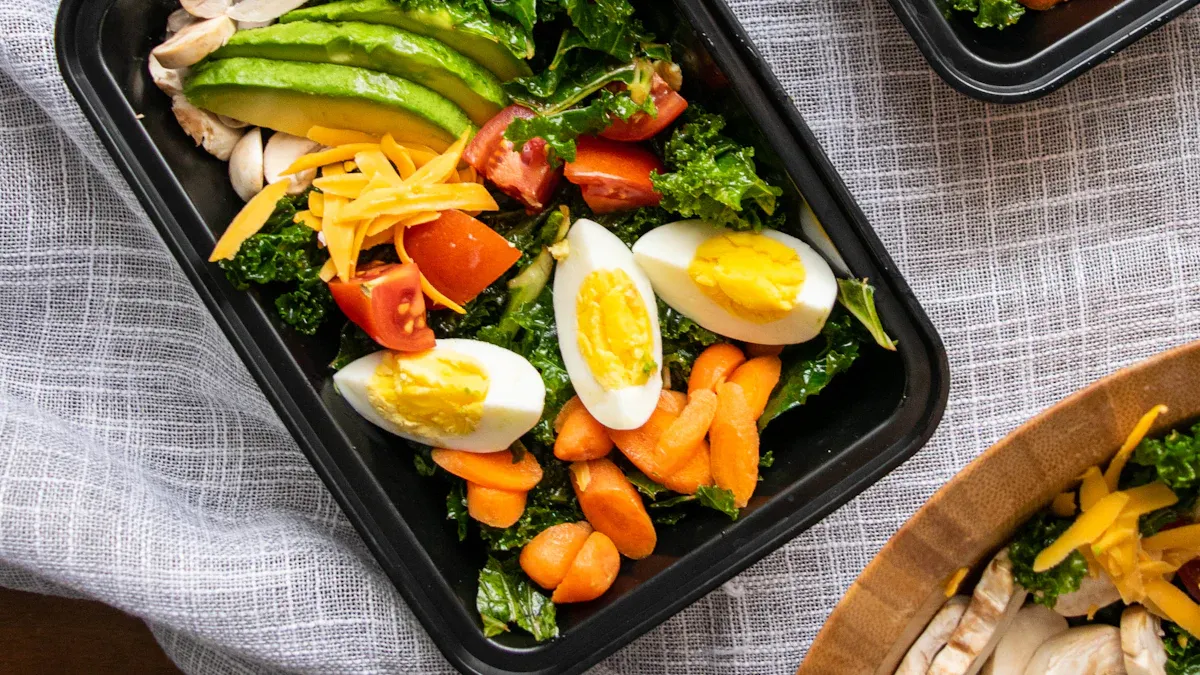
You can make healthy food choices every day. This section offers practical strategies. You can incorporate healthy eating into your daily life. You do not need big changes. Small, consistent steps lead to lasting habits. The American Heart Association offers guides to help you establish sustainable healthy eating practices. You can start with an easy change. Add a vegetable to dinner. Choose brown rice instead of white. Focus on adding healthy foods. Have fruit with breakfast. This is better than only restricting unhealthy ones. Reduce portion sizes of your favorite foods. This helps manage sugar or saturated fat intake. Drink water regularly. Thirst can often feel like hunger. Eat at a table. Avoid distractions. Focus on your food and hunger cues. Find healthy replacements for habitual eating. Choose fruit for dessert. Take a walk during cravings. Prioritize sleep and stress management. Fatigue and stress can lead to unhealthy food choices. Remember your motivation for healthier habits. Increased energy is a good example. Keep it visible. Seek support from loved ones. Share your goals with them. Accept that imperfections will happen. A single indulgence does not negate overall progress.
Meal Planning Simplified
Meal planning helps you make healthy food choices. It saves you time and reduces stress. You can simplify your meal planning. Cook in one pot. Use appliances like an Instant Pot. This shortens cooking time. Find your favorite sauce. Use versatile sauces. You can add them individually to meals. This caters to different tastes. You do not need to cook multiple dishes. Eat the same thing every day for certain meals. This simplifies decisions. It saves time and money. Design themed dinners. Involve your family. Choose themed meals for specific days. This makes meal planning fun. Plan for four to five cooked meals each week. This reduces the burden of meal planning. Focus on simple, go-to recipes.
You can also batch cook. Prepare larger quantities of food in advance. This saves time and effort during the week. Try a challenge. Limit ingredients. This helps simplify food choices. You might discover health benefits. Choose recipes with 10 or fewer ingredients. This means you keep less on hand. It simplifies cooking. Eat to thrive. Prioritize whole foods. They promote well-being. Avoid processed “convenience food.” It can complicate your health. Choose “always foods.” Create a list of healthy snack options. Keep them always available. This simplifies snack and meal times.
You can create a capsule pantry. Stock it with versatile ingredients. They mix and match. This reduces clutter and waste. Think in “recipe building blocks.” Focus on essential components. These include sauces, protein, cooked veggies, raw veggies, grains/bases, and toppings. This simplifies planning and cooking. Meal map instead of rigid meal planning. Select meal types for each day. This allows for flexibility. You do not need specific recipes. Streamline processes. Develop a cohesive system for your capsule pantry and recipe building blocks. This saves time. It reduces decision-making.
Cook large batches of staples. Prepare a big pot of beans weekly. Use them in various dishes. Chili or burritos are good examples. Plan around sales. Base weekly meal plans on discounted proteins. Check your supermarket. Utilize leftovers creatively. Repurpose leftover spaghetti noodles into a pie crust. Use pot roast in a beef and noodles recipe. Bulk cook and freeze. Cook meat in large quantities when on sale. Freeze it in portions for future recipes. Prep vegetables in advance. Cut up celery and onions ahead of time. This prepares them for the entire week. Create a master recipe list. Organize recipes by category in a notebook. This helps you easily plan meals. Base them on available ingredients or sales.
Cycle meals for variety. Plan meals over a set period. A month is a good example. This ensures a mix of foods. You avoid constant decision-making. Repurpose leftovers. Use technology and online resources. Find creative ways to transform leftovers into new dishes. Avoid overcomplication. Stick to simple, nutritious, and easy-to-prepare recipes. This prevents frustration. Be realistic about your time. Choose quick and easy dishes if your schedule is packed. Do not choose elaborate recipes. Prepare for cravings. Keep healthy alternatives on hand. This helps you stay on track. Be flexible. Adapt your meal plan as needed. Unexpected events or routine changes happen. Be creative. Experiment with new ingredients and recipes. This keeps meals exciting. It prevents dietary ruts.
Mindful Portion Control
Mindful portion control helps you manage your eating. It supports your healthy diet. Eat slowly. Savor each bite. Focus on taste, texture, and aroma. This helps you recognize satisfaction. It helps you avoid overeating. Listen to your body’s hunger and fullness cues. Develop a deeper connection with your needs. This prevents overeating. Utilize smaller plates. This visually manages serving sizes. It naturally inclines you towards smaller portions. Measure food portions. This promotes awareness of calorie intake. It aligns with your dietary goals. Plan and prepare meals in advance. This ensures nutritious options are available. It prevents overeating during main meals. Avoid eating directly from the package. Transfer food to a plate or bowl. This makes you more conscious of what and how much you are eating.
Eliminate distractions during meals. Turn off the TV or put away your phone. This prevents mindless eating. It helps you better recognize fullness. Use smaller plates. This creates the illusion of a fuller portion. It aids satisfaction. It prevents overeating. Understand standard serving sizes. Familiarize yourself with guidelines. This helps you make informed healthy food choices. Measure your portions. Use measuring cups or food scales. Pre-portion snacks. This helps you avoid extra calories. Employ visual portion control cues. Compare food portions to everyday objects. A tennis ball is like a fruit portion. A deck of cards is like carbohydrates and proteins. A pair of dice is like fats. This helps you visualize your healthy eating plate.
Reading Food Labels
Food labels are valuable tools. They help you identify product attributes. You can verify things like whether chicken was raised without antibiotics. You must accurately interpret these labels. This helps you make truly informed healthy food choices. Consumers may not fully grasp a label’s meaning. They might associate labels with unverified perceptions. For example, they might believe a sustainable farming label implies increased food safety. This may not be scientifically accurate.
You should look for key information on food labels.
Serving Size and Calories: These are prominently displayed. They show the calories per serving. A package might contain multiple servings. You need to note this.
Added Sugars: This new addition helps you distinguish between naturally occurring sugars and those added during processing. Added sugars often link to negative health outcomes.
% Daily Value (%DV): This percentage shows how much a nutrient in one serving contributes to your daily requirement. A %DV of 5% or less is low. This is good for saturated fat, cholesterol, sodium, and added sugars. A %DV of 20% or more is high. This is good for nutrients like calcium and vitamin D. It helps you compare similar products.
Consumers should also be aware of Front-of-Package (FOP) labels. These are often voluntary. They can highlight favorable nutritional aspects. They might omit less favorable ones. These can be misleading. Always cross-reference them with the Nutrition Facts panel. Health claims are FDA-reviewed statements. They suggest a food may reduce disease risk. A food with a health claim is not necessarily healthy overall. A cereal high in fiber but also high in added sugars is an example. Nutrient content claims describe a nutrient’s level in a food. “Low fat” is an example.
Prior nutrition knowledge helps you. It enables you to focus on crucial information on food labels. You can disregard marketing claims that lack nutritional value. This reduces information overload. Existing nutrition knowledge helps you comprehend and recall nutritional information from food labels. You understand if 700mg of sodium is a significant amount. Nutrition knowledge supports the practical application of understood and remembered information. This helps you make informed healthy food choices.
Studies show individuals with nutrition expertise use ingredient lists. They evaluate product quality. Novices tend to rely on general claims like “all natural.” Increased knowledge about specific nutrients, like trans fatty acids, helps. Nutrition education provides this. It links to improved comprehension of ingredient lists. It leads to healthier purchasing decisions. You buy foods lower in trans fatty acids. Self-reported nutrition knowledge correlates with accurate use of various food label information. This includes ingredient lists, nutrient information, and nutrient claims.
You can use resources like MyPlate.gov. The Start Simple with MyPlate app also offers further guidance. These tools help you build a balanced plate and make healthy food choices.
Avoiding Common Pitfalls
You want to eat well. Sometimes, certain food choices can make this hard. You should know about common dietary traps. Limiting these foods helps you achieve better health.
Processed Foods to Limit
You often find ultra-processed foods in stores. These foods can harm your health. They often have high energy density. They taste very good. This can make you overeat. Eating many ultra-processed foods increases your intake of sugars, fats, and sodium. This raises your risk of diet-related diseases. Your overall diet quality suffers. These foods are often low in fiber. They are high in calories. This links to obesity, high blood pressure, and certain cancers. They can also contain harmful additives.
You should limit many items. These include sugary drinks, potato chips, and candies. Avoid bakery products like muffins and cakes. Fast foods such as French fries and burgers are also ultra-processed. Frozen entrées like pizzas and processed meats like sausages fall into this group. You should also watch out for packaged snacks and many breakfast cereals. Keeping these unhealthy foods within reach makes it harder to avoid them.
Sugary Drinks: The Hidden Danger
Sugary drinks are a big problem. They cause blood sugar spikes. They offer little nutrition. Regular consumption leads to weight gain. It can cause insulin resistance. This links to type 2 diabetes and heart disease. These are leading causes of death. One sugary drink daily can increase your risk of heart attack. It can also raise your risk of gout.
Many drinks hide sugar. A can of soft drink has about seven teaspoons of sugar. Energy drinks often contain 25 grams of sugar per serving. Pre-sweetened iced teas can have 32 grams of sugar per bottle. You should choose water instead.
Unhealthy Fats: What to Know
Some fats are bad for you. Saturated fat and trans fat increase blood cholesterol. This raises your risk of heart disease. Trans fats are especially harmful. They increase bad cholesterol (LDL) and reduce good cholesterol (HDL). They cause inflammation. This links to heart disease, stroke, and diabetes.
You find saturated fat in red meat and full-fat dairy. Coconut oil also contains it. Trans fats form when liquid oil becomes solid. You used to find them in margarines, pastries, and fast-food fries. Many countries now ban artificial trans fats. You should avoid these fats. However, do not avoid healthy fats like those in avocados or olive oil. They provide essential nutrients.
Building Sustainable Healthy Habits
You can build lasting healthy habits. This section focuses on long-term strategies. You will learn to maintain a healthy lifestyle. It emphasizes mindful eating, listening to your body, and making gradual changes.
Mindful Eating Practices
Mindful eating helps you connect with your food. You eat intentionally. Understand your reasons for eating. Is it hunger, emotion, or boredom? Appreciate your meal. Acknowledge the effort and resources involved. Eat slowly and chew thoroughly. This helps your brain register fullness. It also improves digestion. Turn off distractions. Avoid eating while watching TV or using your phone. This prevents overeating. It enhances your eating experience. Finish eating when you feel satisfied. Recognize your body’s hunger and fullness cues. Be present with your food. Engage all your senses. Experience the textures, flavors, and aromas. Aim to eat three meals each day. Honor your hunger signals. This helps you avoid extreme hunger and poor food choices. You can actively incorporate these concepts into your mealtimes. This enhances your awareness.
Listening to Your Body
You can learn to interpret your body’s signals. Pay attention to your eating. Remove distractions. Practice mindful eating. This makes you aware of the eating process. It also makes you aware of your body sensations. Start to identify physical hunger signals. Ask yourself, “How hungry am I?” or “How do I know I am hungry?” Recognize signs like stomach rumbling, light-headedness, or headaches. Identify other types of hunger. These include urges to eat that are not physical. Environmental or mental hunger cannot be satisfied by food. You should begin eating when your hunger is around a 3. This means you are moderately hungry. Stop eating when you feel about a 6 or 7. This means you are comfortably full or satisfied. When you explore satiety, ask yourself: How does my stomach feel? Does it feel full or content? How does the food taste? Where are you on the hunger and fullness scale? You might feel a subtle stomach fullness. You might feel satisfied and content. Thoughts of food might subside.
Small Changes, Big Impact
Small changes can lead to big health improvements. Prioritize plant-based foods. Diets rich in plant-based foods benefit your health. They also help the environment. Try incorporating plant-based meals. You can participate in ‘Meatless Monday.’ This does not require a full vegetarian diet. Plan your meals and prepare them. This helps reduce food waste. You buy only necessary items. Prepare foods and use perishable items first. Freeze leftovers. Compost food scraps. This reduces waste. It also provides garden fertilizer. Increase your fiber intake. Replace low-fiber foods with fiber-rich choices. Eat vegetables, fruits, whole grains, beans, and nuts. This lowers your risk of diabetes and heart disease. It also helps with weight loss. Skip sugary drinks. Gradually reduce or eliminate sodas and sweetened teas. Replace them with water or unsweetened options. Swap refined carbs for whole grains. Choose whole-grain bread or quinoa. These provide more fiber and sustained satisfaction.
Adopting a healthy diet is a continuous journey. It involves learning and adapting, not following a strict set of rules. You can start your journey by implementing one or two new habits from this guide. Remember, consistency matters more than perfection. Be kind to yourself during this process. Your informed healthy food choices will positively impact your overall well-being and energy.
FAQ
What is the main difference between the healthy eating plate and the healthy eating pyramid?
The healthy eating plate offers a clearer visual guide. It shows you how to build balanced meals. The healthy eating pyramid was an older guide. The plate is more intuitive for daily meal planning. You can easily see your food groups on the plate.
What should my plate look like for a balanced meal?
Your plate should have plenty of fruits and vegetables. Fill half your plate with them. Add lean protein to a quarter of your plate. Include whole grains in the remaining quarter. This balanced plate helps you get good nutrition.
What are some simple ways to make my plate healthier?
You can start by adding more vegetables to your plate. Choose whole grains instead of refined ones. Pick lean proteins. Drink water instead of sugary drinks. These small changes make your plate much healthier.
What is the healthy eating pyramid, and why did the healthy eating plate replace it?
The healthy eating pyramid was an early guide for healthy eating. It showed food groups in layers. The healthy eating plate replaced it. The plate gives you a simpler, more direct visual. It helps you understand portion sizes better. You can easily apply the plate concept to your meals.
What are the benefits of using the healthy eating plate?
The healthy eating plate helps you visualize balanced meals. It makes healthy eating simple. You can easily see what food groups to include. This plate guides you to better nutrition. It helps you make informed choices for your plate.