

Is monk fruit sweetener a healthy sugar alternative? Many people want a natural sugar swap. This natural sweetener is a zero-calorie option derived from monk fruit. You might be looking for better low-calorie sweeteners. Many consumers actively seek natural sugar substitutes like monk fruit sweeteners. In fact, 44% prefer natural no-calorie sweeteners over artificial ones. You may also be interested in trying novel zero-calorie sweeteners, as seven out of ten consumers are. Monk fruit sweeteners are gaining popularity among various low-calorie sweeteners. We will explore the health implications, safety, and practical uses of these monk fruit sweeteners as a natural alternative.
Key Takeaways
Monk fruit sweetener is a natural, zero-calorie option. It comes from monk fruit and contains sweet compounds called mogrosides.
The FDA considers monk fruit sweetener safe for everyone. This includes pregnant women and children. It has no known side effects.
Monk fruit sweetener helps manage weight. It does not raise blood sugar. It is safe for people with diabetes.
Monk fruit sweetener has antioxidants. It also supports good gut health. It protects your teeth from cavities.
You can use monk fruit sweetener in cooking and baking. Adjust recipes because it is much sweeter than sugar.
What Is Monk Fruit Sweetener?
Origin and History
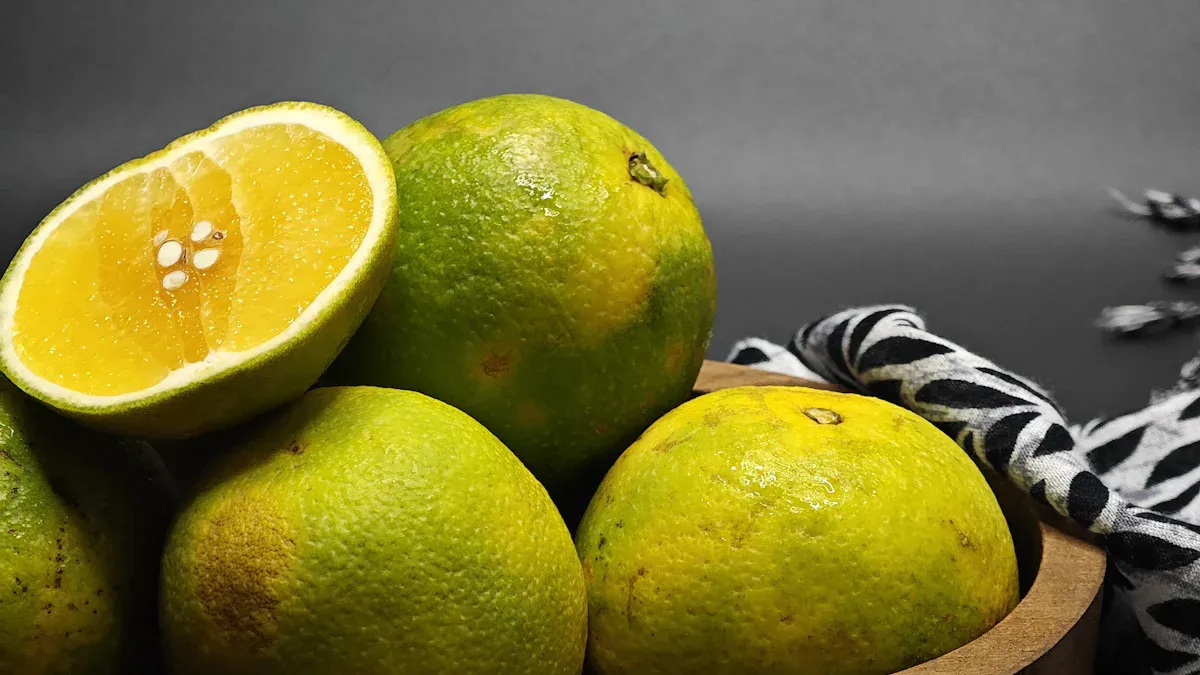
Monk fruit sweetener comes from the monk fruit, also known as Siraitia grosvenorii. This small, round fruit grows in Southeast Asia. You find it mainly in the mountainous regions of southern China and northern Thailand. People have used monk fruit for centuries. In Traditional Chinese Medicine, monk fruit has a long history. Monk communities used it to improve ‘chi’ and restore balance in life. They cultivated it for healing infusions. You can also find it used as a low-calorie functional beverage. People across Asia have used it as a sugar-free sweetener. Many believe it helps with longevity in Chinese herbal healing. It also soothes coughs and sore throats. Early Western records show its use in ‘cooling drinks’ for fever, heat exhaustion, and inflammation.
Production Process
To make monk fruit sweetener, manufacturers process the fresh monk fruit. First, they crush the fruit. Then, they infuse the crushed fruit in hot water. This process releases the sweet compounds. Next, they filter the liquid to remove the pulp and seeds. After filtering, they further process the liquid. This step removes any unwanted flavors. The final product is a concentrated monk fruit extract. This extract contains the powerful sweet compounds. You can find this monk fruit extract in many low-calorie sweeteners.
Key Sweetening Compounds
The sweetness in monk fruit extract comes from natural antioxidants called mogrosides. These compounds are unique to the monk fruit. Among these, Mogroside V is a primary type. It is hundreds of times sweeter than sugar. Mogroside V has the highest content among mogrosides in Siraitia grosvenorii fruit. Other sweet mogrosides include M4, M5, and M6. These form as the fruit matures. Mogrosides are known for their high-sweetness profile. They boast 200 times the sweetness of sugar. Mogroside V escalates sweetness to an impressive 300 times that of sugar. These powerful compounds make monk fruit sweeteners a popular choice among low-calorie sweeteners. You will find monk fruit extract in many products today.
Safety Profile of Monk Fruit Sweetener
You might wonder about the overall safety of monk fruit sweeteners. Many people prioritize safety when choosing food additives. You can feel confident about using monk fruit sweeteners. They have a strong safety record.
FDA GRAS Status
The U.S. Food and Drug Administration (FDA) has thoroughly reviewed monk fruit extract. They responded favorably to the initial Generally Recognized As Safe (GRAS) notice for monk fruit extract in 2010. This was a big step. It confirmed that experts agree on its safety for its intended uses. This GRAS designation means that qualified experts consider monk fruit extract safe for general use in food. This applies to everyone, including pregnant individuals and children.
Many other global regulatory bodies also approve monk fruit sweeteners.
United States: The FDA classifies Monk Fruit Extract (MFE) as GRAS. This allows its widespread use in food products.
China: The National Health Commission (NHC) permits MFE as a food additive. You can find it in various food categories there.
European Union: The European Commission authorized a specific aqueous MFE as a novel food. This followed a positive opinion from the European Food Safety Authority (EFSA).
United Kingdom: Certain aqueous monk fruit decoctions are recognized as non-novel foods. This means you can use them without special authorization based on historical consumption.
These approvals highlight the broad acceptance and safety of monk fruit sweeteners worldwide.
Potential Side Effects
Monk fruit sweeteners themselves have no known side effects. You generally tolerate them well. However, you might experience allergic reactions if you are sensitive to other gourds. These reactions are rare. Symptoms of an allergic reaction may include:
Hives or rash
Difficulty breathing
Rapid or weak pulse
Dizziness
Swollen tongue
Stomach pain or vomiting
Wheezing
It is important to distinguish monk fruit from other low-calorie sweeteners. Some other sweeteners have associated adverse effects. For example, erythritol has links to cardiovascular issues. Dextrose can raise blood glucose levels. Monk fruit sweetener does not carry these specific risks.
Monk fruit is a relatively new addition to the mass market. Therefore, scientific studies on the effects of its long-term use are not yet available. Animal studies up to 90 days have not found long-term side effects. However, human research on the long-term safety of monk fruit products is currently lacking. You should keep this in mind when considering long-term low-calorie sweetener consumption.
For Specific Populations
You can generally consider monk fruit sweeteners safe for most people. This includes specific groups like pregnant individuals and children.
While the U.S. FDA and international food safety authorities recognize monk fruit extract as GRAS, specific clinical trials on pregnant women consuming monk fruit are scarce. This means some questions remain unanswered regarding its safety for this demographic. You should always consume it in moderation. Adhere to acceptable daily intake standards set by regulatory agencies. Remember, some products blend monk fruit with other sugar-free sweeteners. Always check the label.
For children, monk fruit is a good option in moderation.
It is a “best option in moderation” for toddlers when pure and without additives.
The FDA generally recognizes it as safe (GRAS) for toddlers and kids. Use it in moderation and in its pure form.
It works best for baking, homemade snacks, and sweetening drinks.
You should watch out for monk fruit blends that contain artificial additives.
You should use monk fruit sweetener only occasionally for children, similar to sugar. Whole fruit is a healthier choice. It can be hydrating, filling, and satisfying. Be aware that consuming foods with nonnutritive sweeteners like monk fruit may cause children to prefer sweeter foods. This can impact their long-term health, wellness, and weight.
Digestive Impact
You might wonder how monk fruit sweeteners affect your gut. Research shows monk fruit extract can positively influence your gut microbiome.
After in vitro incubation with Mogroside V, a major component of monk fruit, for 24 hours, human gut microbiota diversity changed.
You see an enrichment of genera such as Bacteroides, Lactobacillus, Prevotella, Megasphaera, and Olsenella.
Inhibition of Clostridium XlVa, Dorea, and Desulfovibrio was observed.
The gut microbiota increased the synthesis of short-chain fatty acids. These include acetate, propionate, and butyrate.
In in vitro studies using human fecal matter, monk fruit sweetener promoted the growth of helpful gut bacteria. This includes Bifidobacterium, Enterococcus, Bacteroides, and Clostridium coccoides. Monk fruit extract has also shown to boost beneficial bacteria like Akkermansia in mice.
Monk fruit extract may improve the balance of healthy gut bacteria. It may encourage the production of short-chain fatty acids (SCFAs) like butyrate. SCFAs benefit gut health by regulating the immune system and strengthening the gut lining. Gut bacteria that digest monk fruit extract may produce other beneficial compounds with antioxidant properties. This suggests a positive impact on your digestive health from monk fruit sweeteners.
Health Benefits of Monk Fruit Sweetener
You want to know the health benefits of monk fruit sweetener. This natural option offers several advantages. It can support your overall nutrition goals. Understanding the health benefits of monk fruit sweetener helps you make informed choices. You can see why many people choose monk fruit sweeteners for better health.
Weight Management Aid
Monk fruit sweetener can help you manage your weight. It contains zero calories. This means you can enjoy sweet flavors without adding extra calories to your diet. Replacing high-calorie sugars with monk fruit sweeteners helps you reduce your total calorie intake. This can be a key step if you want to lose weight. Substituting sugar with low-calorie sweeteners or no-calorie sweeteners can assist with weight management. You can enjoy your favorite foods and drinks with less guilt. This makes it easier to stick to a healthy eating plan.
However, direct clinical trials specifically examining monk fruit’s impact on weight loss are limited. While it helps you lose weight by reducing calorie intake, more high-quality, long-term studies are needed to confirm direct weight loss benefits of monk fruit. Researchers also need to expand studies to diverse populations. This will improve the generalizability of findings. Long-term safety data and larger sample sizes are also needed to assess the sustained effects of Monk Fruit Extract (MFE) on metabolic health. You should consider monk fruit sweetener as a tool to reduce calories, not a magic solution for weight loss.
Blood Sugar Control: Safe for Diabetes
Monk fruit sweetener is an excellent choice if you need to manage your blood sugar. It is safe for diabetes. Mogrosides, the sweet compounds in monk fruit, are not metabolized by your body as carbohydrates or sugar. This means they do not raise your blood glucose levels. Monk fruit has a minimal effect on blood sugar levels. It rates zero on the glycemic index. This prevents an insulin response. This makes monk fruit sweeteners a healthy option for individuals with diabetes.
A study comparing monk fruit to sucrose, aspartame, and stevia found no significant differences in the total area under the curve for glucose and insulin over 3 hours between the four test beverages. However, the sucrose-sweetened beverage led to large spikes in blood glucose and insulin responses within the first hour. These responses were higher for all three non-nutritive sweeteners, including monk fruit, following a test lunch. Another study indicated that monk fruit-sweetened yogurt did not show a relationship between insulin resistance and reinforcing value, unlike sugar-sweetened yogurt. Overall, monk fruit sugar does not affect blood sugar levels and can improve glycemic control.
Mogroside V, a key compound in monk fruit, significantly decreased blood glucose levels. It also improved blood glucose, liver damage, and insulin resistance in rats with type 2 diabetes. Mogroside V increased glycogen synthesis through a specific signaling pathway. It also up-regulated the expression of certain proteins involved in glucose metabolism. This shows its potential for supporting healthy blood sugar levels.
Antioxidant Properties
Monk fruit sweeteners offer more than just sweetness. They also contain natural antioxidants. Antioxidants protect your cells from damage caused by free radicals. Free radicals are unstable molecules that can harm your body. Mogrosides, the sweet compounds in monk fruit, exhibit antioxidant properties. These mogrosides belong to the triterpenoid family. They possess remarkable antioxidant capabilities. They are potential compounds for neutralizing harmful free radicals.
You also find other beneficial compounds in monk fruit. Flavonoids are significant compounds in monk fruit that demonstrate antioxidant effects. For example, kaempferol, a flavonoid, possesses antioxidant effects. Mogroside I-V are antioxidants that inhibit oxidative damage. These properties contribute to your overall nutrition and well-being.
Dental Health
You can protect your teeth by choosing monk fruit sweeteners. Monk fruit sweetener is considered non-cariogenic. This means it does not cause cavities. Oral bacteria cannot metabolize its key compounds, mogrosides, into acids. These acids damage tooth enamel. Unlike traditional sugar, which feeds cavity-causing bacteria like Streptococcus mutans, monk fruit does not contribute to tooth decay.
Some studies also indicate that monk fruit extract may possess antibacterial properties. These properties help inhibit harmful oral bacteria such as Porphyromonas gingivalis and Candida albicans. This further protects your oral health. You can enjoy sweet tastes without worrying about harming your teeth.
Other Potential Claims
Beyond its role in weight management and blood sugar control, monk fruit offers other potential health benefits. Its bioactive components act as both anti-inflammatory and antioxidant agents. Mogrosides in monk fruit possess antioxidant properties. These antioxidants protect cells from damage caused by free radicals. Damage from free radicals is a primary cause of inflammation. Therefore, monk fruit exhibits anti-inflammatory properties. This means it may help reduce inflammation in your body. This contributes to better overall nutrition and health.
Monk fruit sweeteners are a valuable addition to your diet. They provide sweetness without the drawbacks of sugar. You gain several health advantages by choosing them.
How to Use Monk Fruit Sweeteners

You can easily incorporate monk fruit sweeteners into your daily routine. Many people find these low-calorie sweeteners versatile. Understanding how to use monk fruit helps you enjoy its benefits.
Cooking and Baking
Monk fruit sweeteners are excellent for cooking and baking. However, you need to adjust your recipes. Monk fruit is much sweeter than sugar. You typically use about 1/3 to 1/2 cup of monk fruit sweetener for every cup of sugar. Remember, sugar adds bulk to recipes. When you use less monk fruit, you might need to add ingredients like applesauce, yogurt, or extra flour to compensate. Monk fruit does not caramelize like sugar. This impacts browning and texture in baked goods. Sugar also retains moisture. Monk fruit does not, so you may need to adjust liquids.
For cookies, reduce the sweetener by 50-60% compared to sugar. Add an extra egg yolk for binding and moisture. For cakes, increase liquid ingredients slightly, about 2 tablespoons per cup of flour. Add 1/4 teaspoon of baking soda per cup of flour for better texture. When making pies, use about 1/3 to 1/2 the amount of monk fruit sweetener for fruit fillings. Add a thickener like cornstarch. If you notice an aftertaste, mask it with flavors like vanilla or cinnamon. If cookies spread less, slightly flatten the dough before baking. For dryness, add moisture-rich ingredients such as applesauce or Greek yogurt. These ways to use monk fruit ensure delicious results.
Forms and Concentrations
Monk fruit sweeteners come in various forms. You can find them as liquids, granules, or powders. The sweetness level varies greatly. Mogroside V, the main sweetening compound, is approximately 250 times sweeter than sucrose. Different monk fruit sweeteners have varying concentrations of mogroside V. For example, NOW Real Food® Monk Fruit Extract Organic Powder is 200 times sweeter than sugar. This high sweetness means you need very little product. Always check the product label for specific conversion ratios. Some brands, like Lakanto, offer classic (1:1 sugar ratio) and golden (1:2 sugar ratio) options.
In Beverages and Foods
You can use monk fruit sweeteners in many beverages and foods. They are perfect for sweetening your coffee, tea, or hot chocolate. You can also add them to juices, lemonade, or sparkling water. Monk fruit sweeteners work well in yogurts, sauces, and marinades. Many people use them in jams and salad dressings. Their stability at high temperatures makes them suitable for baked goods, desserts, and candies. You can find monk fruit sweeteners in soft drinks and dairy products too. This makes them versatile low-calorie sweeteners for almost any application.
Substitution Tips
When you substitute sugar with monk fruit sweeteners, start small. Begin by replacing only a portion of the sugar. This helps you assess the taste and texture impact. You might need to increase liquid slightly to offset the loss of sugar’s moisture-retaining properties. Use bulking agents like applesauce where sugar provides significant volume. Monitor baking time, as monk fruit recipes often cook faster. For a golden-brown color, use an egg wash on baked goods. Consider using a blend of monk fruit and sugar, gradually increasing the monk fruit proportion. For monk fruit recipes, ensure the sweetener dissolves completely. Blending it into a powder or adding it during a liquid step helps. If a cooling effect persists, reduce the amount of monk fruit sweetener by 25%. These tips help you master how to use monk fruit effectively.
Monk Fruit vs. Other Sweeteners
You have many choices when you look for alternatives to sugar. Monk fruit sweeteners stand out among these options. Let’s compare monk fruit with other common low-calorie sweeteners. This helps you understand their differences.
Monk Fruit vs. Stevia
Monk fruit and stevia are both natural, no-calorie sweeteners. They come from plants. You might notice taste differences between them. Stevia often has a slightly bitter aftertaste. Some people describe its flavor as licorice-like. Monk fruit sweetener, however, tends to have a subtle, somewhat fruity taste. It offers a warm, slightly sweet flavor.
Their production processes also differ. To make monk fruit sweetener, manufacturers crush the fruit. They use hot water to extract the sweet compounds called mogrosides. Then they purify and dry this extract. Stevia processing focuses on different methods. These include selective breeding of stevia plants for better-tasting compounds. Manufacturers also use advanced filtration, enzyme modification, or fermentation to get steviol glycosides. Both result in powerful low-calorie sweeteners.
Monk Fruit vs. Artificial Sweeteners
Artificial sweeteners include aspartame, sucralose, and acesulfame K. These are synthetic compounds. Monk fruit sweetener comes from a natural source. The FDA gives monk fruit extract a “Generally Recognized As Safe” (GRAS) status. This means experts agree it is safe for use. For many artificial sweeteners, the FDA sets an Acceptable Daily Intake (ADI). This ADI comes from a full review process. It ensures safety at specific consumption levels. Monk fruit sweeteners do not have an ADI specified by the FDA. This is because evidence shows safety at levels well above typical use. You can feel confident about the safety of monk fruit sweetener.
Monk Fruit vs. Sugar Alcohols
Sugar alcohols like erythritol, xylitol, and sorbitol are also low-calorie sweeteners. They occur naturally in some fruits and vegetables. Pure monk fruit extract contains zero calories. It does not affect your blood sugar. However, many commercial monk fruit sweeteners often contain erythritol. This is a sugar alcohol. This blending can change the product’s overall caloric and digestive impact. You should always read labels carefully. This helps you know if your monk fruit sweetener contains added sugar alcohols. Pure monk fruit is a great choice for no-calorie sweeteners.
You now understand the health benefits, safety, and versatility of monk fruit sweeteners. This natural monk fruit sweetener is a healthy option for lowering sugar intake. These low-calorie sweeteners aid weight management and blood sugar control. Their strong safety profile, with FDA GRAS status, ensures reliability. You should use monk fruit in moderation. Consider your individual nutrition needs. Monk fruit sweeteners are a valuable tool for reducing sugar. They promote a healthier lifestyle. This makes them a great choice among low-calorie sweeteners for your low-calorie sweetener consumption. Their overall safety and positive nutrition make this monk fruit sweetener a preferred option. You can trust the safety of these low-calorie sweeteners.
FAQ
Is monk fruit sweetener truly natural?
Yes, monk fruit sweetener comes from the monk fruit. This fruit grows in Southeast Asia. Manufacturers extract sweet compounds, called mogrosides, from the fruit. This process makes it a natural sweetener.
Can monk fruit sweetener cause an upset stomach?
Pure monk fruit sweetener usually does not cause digestive issues. Some products blend monk fruit with sugar alcohols like erythritol. These blends can sometimes cause stomach upset in sensitive individuals. Always check the label for ingredients.
Does monk fruit sweetener have an aftertaste?
Most people find monk fruit sweetener has no aftertaste. Some individuals might detect a subtle, slightly fruity flavor. This differs from the bitter aftertaste some people notice with stevia.
Is monk fruit sweetener safe for everyone?
The FDA recognizes monk fruit extract as “Generally Recognized As Safe” (GRAS). This means it is safe for most people, including children and pregnant individuals. Always use it in moderation. Consult your doctor if you have specific health concerns.