


Beverages play a critical role in your low-carb or keto lifestyle. They can either support your dietary goals or completely derail them. You must choose low carb drinks wisely. This guide focuses on three pillars: maintaining hydration, satisfying your taste, and ensuring keto-friendliness. You will discover the best keto-friendly drinks and those to avoid on a keto diet. Make informed choices for your keto journey.
Key Takeaways
Drink water, plain coffee, and unsweetened teas often. These drinks help you stay hydrated without adding carbs.
Choose unsweetened plant-based milks and keto electrolyte drinks. They offer good alternatives to plain water.
Avoid sugary drinks, fruit juices, and most energy drinks. These have too much sugar and can stop your keto progress.
Read nutrition labels carefully. Look for hidden sugars and carbs in drinks, even those labeled “sugar-free.”
Make your own low-carb drinks at home. This helps you control what goes into them and keeps them keto-friendly.
Essential Low Carb Drinks for Hydration

You must prioritize hydration on a low-carb or keto diet. Certain foundational drinks are crucial for maintaining your body’s balance. These choices provide essential fluids without adding unwanted carbohydrates.
Water The Ultimate Zero Carb
Water is the most fundamental and best choice for hydration. It contains zero carbohydrates, calories, or artificial ingredients. Your body needs water for every function.
A common guideline suggests dividing your body weight in half. Then, consume that many ounces of water daily. For instance, a 160-pound individual would aim for 80 ounces. The National Library of Medicine recommends adults drink between 2.7 to 3.7 liters of water per day. The British Nutrition Foundation advises consuming 6-8 glasses (approximately 1.2 liters) of fluid daily. Another guideline suggests drinking 1 milliliter of fluid for every calorie consumed per day. This typically translates to 9 cups for women and 12 cups for men.
Your optimal daily water intake on a ketogenic diet is highly individual. It depends on your body type, age, overall health, and activity levels. The climate you live in also plays a role. Drink when you feel thirsty. Thirst is a reliable indicator of your body’s hydration needs. Monitor your urine color. Aim for colorless or light yellow. Infrequent thirst also signals adequate hydration.
Plain Coffee Without Additives
Plain black coffee is another excellent choice. It offers a boost of energy without carbs.
Simple black coffee contains very few carbohydrates. One cup of brewed black coffee (240g) with no cream or sugar added provides 0 grams of carbohydrates. Some sources report approximately 2 grams per cup, or less than 1 gram per 8-oz serving.
Coffee offers several benefits for those on a keto diet. It contains Chlorogenic acid. This acid may improve glucose metabolism. It blocks carbohydrate uptake. This supports ketosis. Coffee also promotes metabolic health. It acts similarly to intermittent fasting. Regular consumption links to reduced risks of metabolic syndrome. This includes inflammation, high blood pressure, obesity, and hormonal imbalances. It also reduces risks of type II diabetes. For your brain, coffee supports ketosis. This promotes brain-boosting hormones like BDNF-1. This improves memory, creativity, and focus. Coffee also has anti-aging benefits. It associates with reduced risks and slower progression of neurodegenerative diseases. These include Parkinson’s and Alzheimer’s. A 2010 study found that 3-5 cups of coffee per day in midlife linked to a 65% decreased risk of dementia in late life. When you combine coffee with intermittent fasting, it promotes autophagy. This is a cellular clearing process. It protects your brain and reduces cognitive decline.
Unsweetened Teas Herbal And Green
Unsweetened herbal and green teas are excellent low carb drinks. They offer flavor without added sugars or carbs. Most herbal teas contain minimal carbohydrates.
Item | Total Carbs | Net Carbs |
|---|---|---|
Leaf Tea (1 mug or 8 fl oz) | 0.71 g | 0.71 g |
Unsweetened Herbal Tea (8 fl oz) | 0 grams | 0 grams |
Unsweetened Herbal Tea (12 fl oz) | 0.7 g | 0.7 g |
Green tea is especially beneficial. It is a healthy drink due to its low-calorie content. It has many antioxidants. Catechins and theanine are unique components. Catechins have antimicrobial properties. They reduce oxidative damage to cells from free radicals. EGCG, a beneficial extract, links to anticancer benefits. It inhibits the digestion of starchy foods. This helps suppress blood glucose spikes. This is crucial for managing blood sugar on a keto diet. Chlorophyll in green tea may have anticancer properties. It assists in detoxification. Matcha, a form of green tea, offers higher antioxidant consumption. You consume the whole leaf. Research shows it improves heart health. It reduces skin damage from the sun. Green tea shows antioxidant, anti-inflammatory, anticancer, and antimicrobial activities. It associates with reduced body weight and slowed aging. These effects come from catechins, especially epigallocatechin-3-gallate (EGCG). Green tea contains polyphenols. These may protect against cancer, diabetes, and heart disease. They also link to a reduced risk of cognitive decline.
Sparkling Water And Seltzer
Sparkling water and seltzer offer a refreshing, carb-free alternative to plain water. They provide fizz without sugar. However, consider their effect on dental health.
Beverage Type | pH Level (Approx.) | Erosive Potential | Notes |
|---|---|---|---|
Regular Water | 7 | Neutral | Safest for teeth |
Plain Sparkling Water | 5 or higher | Minimally erosive | Generally safe, less erosive than other beverages |
Lemon Flavored Sparkling Water | 3 | Erosive | Can erode enamel and damage teeth over time |
A Journal of the American Dental Association study found most sparkling carbonated waters to be “minimally erosive.” This compares to “extremely erosive” sports drinks. Beverages with a pH lower than 4 can wear away enamel. This happens if you consume them often and in large volumes. This is according to the National Institute of Health.
Beverage Type | pH Level (Approx.) | Effect on Enamel |
|---|---|---|
Plain Water | 6-7 | Neutral, safe |
Sparkling Water | 4.5-5.5 | Slightly acidic, can wear away enamel over time |
Sparkling Water with Citrus | Lower than 4.5 | Increased acidity, greater risk of enamel damage |
Sparkling water’s fizz comes from carbonic acid. This acid interacts with minerals in enamel. This leads to wear over time. Demineralization of teeth can begin at a pH of around 5.5. Dr. Gene Romo, a Chicago-based dentist, states sparkling water is more acidic than plain water. This can lead to dental erosion. Frequent sipping of acidic drinks is the most dangerous behavior for tooth wear. This is especially true if you swish them around your mouth. Adding citrus like lime or lemon further increases acidity. For frequent sipping throughout the day, still water is the safest option for your teeth. 🦷
Exploring Keto-Friendly Drink Alternatives
You have many options beyond water, coffee, and tea. These alternatives help you maintain hydration and enjoy variety on your keto journey.
Unsweetened Plant Based Milks
Unsweetened plant-based milks are great additions to your low carb drinks. You can use them in coffee, smoothies, or as a standalone beverage.
Milk Type | Carbohydrates (g) |
|---|---|
Almond milk | 3.43 |
Coconut milk | 1 |
Soy milk | 8 |
Unsweetened almond milk is keto-friendly. It is lighter and smoother than heavy cream. Coconut milk offers a lighter option with minimal sugar. Cashew milk is also low-carb and keto-friendly. It is the second creamiest nut milk after coconut. For coffee, consider pea protein-based milks or flax seed-based milks. Ripple’s Unsweetened Original, a pea protein-based milk, works well.
Keto Electrolyte Drinks
Your body needs essential electrolytes on a keto diet. These help with hydration and energy. When you reduce carbs, your body flushes out more water and minerals.
Essential electrolytes include:
Sodium
Potassium
Magnesium
Calcium
Chloride
Phosphorus
An imbalance can cause problems. You might experience fatigue, muscle cramps, or brain fog. Headaches, nausea, and weakness can also occur. Potassium deficiency can lead to hypertension or heart palpitations. Magnesium imbalance may cause leg cramps or neuromuscular disorders. Keto-specific electrolyte drinks help you replenish these vital minerals.
Diet Sodas And Sugar Free Options
Diet sodas and other sugar-free drinks seem like good choices. They contain no sugar or calories. However, artificial sweeteners can have long-term health implications.
Note: Artificial sweeteners may increase your risk of metabolic disorders. They can also lead to insulin resistance and weight gain. Some studies link them to cardiovascular diseases and certain cancers. They can disrupt your gut health.
Artificial sweeteners can elevate blood glucose and insulin levels. This can hinder your keto diet goals. Your body anticipates glucose from sweet tastes. This can increase carbohydrate cravings. Aspartame, a common artificial sweetener, can also affect metabolism.
Low Carb Alcoholic Beverages
You can enjoy some alcoholic beverages in moderation. Pure spirits contain zero carbohydrates. These include vodka, rum, tequila, whiskey, and gin.
For wines, carbohydrate content varies. Dry wine varieties are generally lower in carbs. These include brut champagne, Sauvignon Blanc, Pinot Grigio, Cabernet Sauvignon, and Merlot. They can have 0-4 grams per glass. Wines with higher alcohol content often have fewer carbohydrates.
Alcohol affects ketosis. Alcohol metabolism competes with ketone bodies as fuel. This can temporarily increase your blood ketone levels. However, excessive alcohol can contribute to ketoacidosis.
Bone Broth And Keto Shakes
Bone broth is a nutrient-dense option. It helps you quickly replenish nutrients. It also helps you feel fuller. Bone broth is high in electrolytes and glycine. This helps balance electrolytes during the initial phase of a keto diet. It can alleviate symptoms like headaches and brain fog.
Bone broth promotes joint health and mobility. It contains collagen, glycosaminoglycans, chondroitin, and glucosamine. These support healthy joints and cartilage. It also boosts skin, hair, and nail health. Bone broth supports gut healing and digestive health. It aids in fasting and appetite control. Keto shakes offer a convenient way to get nutrients. They provide a quick meal replacement or snack.
Drinks to Avoid on Low Carb
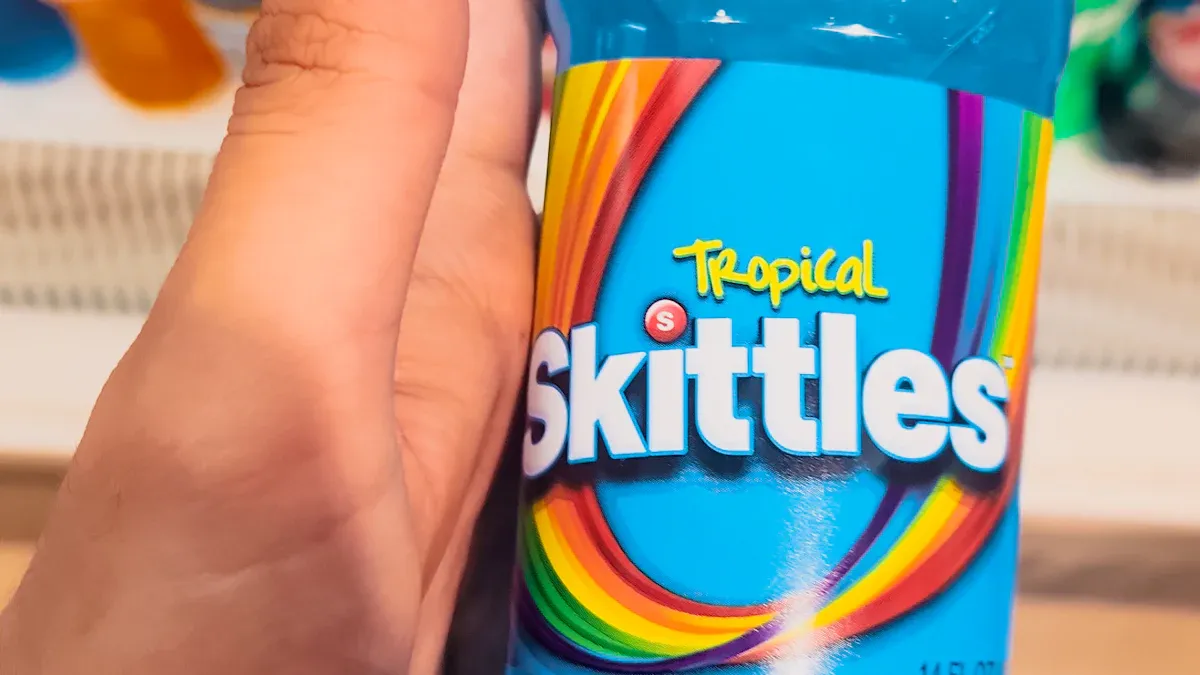
You must understand which drinks can sabotage your progress on a low-carb diet. Many beverages contain hidden sugars and carbohydrates. These can quickly push you out of ketosis.
Sugary Beverages And Juices
Sugary drinks and fruit juices are major culprits. They pack a high amount of sugar. This sugar causes rapid spikes in your blood glucose. This is detrimental to your low-carb goals.
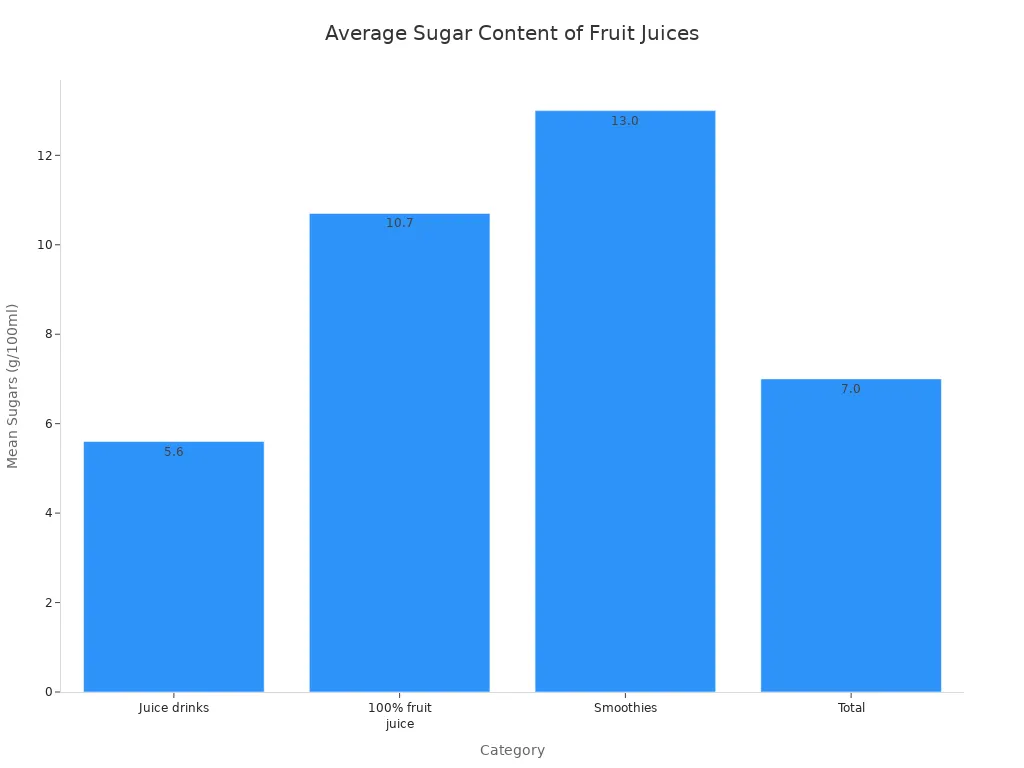
Consider the sugar content in common fruit juices:
Category | Mean sugars (g/100ml) |
|---|---|
Juice drinks | 5.6 |
100% fruit juice | 10.7 |
Smoothies | 13.0 |
Total | 7.0 |
For a standard 200ml serving, many fruit juices receive a ‘red’ color-coded label for sugars. This indicates a high sugar content. The average sugar content across surveyed drinks ranges from 0-16 g/100 ml. The overall average is 7 g/100 ml. Specifically, 100% pure fruit juices average 10.7 g/100 ml. Smoothies average 13 g/100 ml. These figures come from a survey of 203 products. Each product had a standardized serving size of 200 ml.
You should avoid these drinks. They contribute excessive sugar without providing much nutritional value.
High Carb Energy Drinks
Energy drinks often contain very high levels of carbohydrates and sugar. They also have stimulants like caffeine. These ingredients can have serious adverse health effects.
Some energy drinks are specifically designed to deliver large amounts of carbohydrates:
Carbs Fuel Sports Drink Mix: 75g carbohydrates per serving.
Maurten Drink Mix 320: 80g carbohydrates per packet.
The carbohydrate content in sports drinks can vary from 20 to 100g. ‘Supercarb mixes’ contain 80g or more of carbohydrates per bottle. These amounts are far too high for a low-carb diet.
Beyond carbs, the combination of high sugar and caffeine in energy drinks poses significant health risks:
Cardiovascular Issues: You risk arrhythmias, coronary events, and increased heart rate and blood pressure. These drinks can even lead to cardiomyopathy and sudden cardiac death in young, healthy individuals.
Metabolic Problems: High sugar content increases your risk of obesity and type 2 diabetes. Caffeine decreases insulin sensitivity. This can disrupt your gut microbiome.
Neurological and Psychiatric Effects: You might experience anxiety, insomnia, headaches, and even hallucinations with high caffeine intake. Caffeine intoxication can cause restlessness, muscle twitching, and periods of inexhaustibility.
Renal and Dental Damage: Energy drinks can cause acute renal injury. Their low pH and high sugar content strongly link to dental erosion and dentin hypersensitivity.
Dehydration and Electrolyte Imbalance: Caffeine enhances fluid loss. This makes energy drinks unsuitable for hydration, especially during exercise. They also promote sodium loss.
Warning: Excessive consumption of energy drinks can lead to severe health complications. These include cardiac arrest, seizures, and liver injury. Children are especially vulnerable to caffeine toxicity.
Sweetened Teas And Coffees
Even seemingly healthy options like tea and coffee become problematic when sweetened. Many commercially prepared iced teas and specialty coffees are loaded with sugar.
Most commercially prepared iced teas typically contain around 35 grams of sugar per 12-ounce (340-mL) serving. This amount is comparable to the sugar content in a bottle of Coke.
Look at the sugar content in popular sweetened iced teas:
Brand | Sugar Content (g) | Serving Size |
|---|---|---|
Pure Leaf Honey Green Tea | 25 | 18.5 oz |
Milo’s Famous Sweet Tea | 26 | 12 oz |
Subtle Tea Craft Subtly Sweet Organic Tea | 27 | 16 oz |
Snapple Lemon Tea | 27 | 12 oz |
Snapple Peach Tea | 30 | 12 oz |
Moonshine Original Sweet Tea | 30 | 16 oz |
Turkey Hill Lemon Iced Tea | 30 | 12 oz |
Great Value Sweet Brewed Iced Tea | 30 | 12 oz |
Gold Peak Sweet Tea | 32 | 12 oz |
Just Ice Tea Half Tea & Half Lemonade | 23 | 16 oz |
Turkey Hill Green Tea | 23 | 12 oz |
Lipton Iced Tea Lemon | 24 | 16.9 oz |
Red Diamond Southern Sweet Tea | 24 | 12 oz |

You should always choose unsweetened versions. Add your own keto-friendly sweeteners if you need them.
Hidden Carbs In Labels
Manufacturers sometimes use misleading terms on labels. You must read nutrition labels carefully. Terms like “sugar-free” or “low-carb” do not always mean zero carbs or sugars.
Here are some guidelines for label claims:
For ‘sugar-free’ claims, a food must contain less than 0.5 grams of sugars per serving.
If a ‘sugar-free’ food contains an ingredient generally understood to contain sugars, its listing must include an asterisk. This asterisk refers to a statement like “adds a trivial amount of sugar.”
Foods labeled ‘sugar-free’ should be low in calories. If not, the label must state “not a reduced calorie food” or “not for weight control.”
For alcoholic beverages:
‘Low-carb’ claims mean the product has no more than 7 grams of carbohydrates per serving.
‘Sugar-free’ claims mean a serving contains less than 0.5 grams of sugar.
Labels for these claims must include a statement of average analysis or a Serving Facts statement.
Terms like “net carbohydrates” and “effective carbohydrates” are considered misleading.
You must scrutinize ingredient lists. Look for hidden sugars under different names. These include dextrose, maltodextrin, corn syrup, and fruit juice concentrate. These ingredients can quickly add up and impact your carb count.
Smart Low Carb Drink Choices
You can make smart choices for your beverages. These choices support your low carb lifestyle. You will stay hydrated and enjoy tasty options.
Reading Nutrition Labels
You must read nutrition labels carefully. This helps you identify hidden carbs. Look at the “Total Carbohydrate” value. This number includes fiber, sugars, and complex carbohydrates. “Dietary Fiber” is part of total carbs. Your body does not digest or absorb fiber. It is important for your health. Check “Sugars” to see natural and added sugars. The ingredients list helps you find added sugars. These can appear under many names. “Added Sugars” are sugars put in during processing. High amounts of added sugars make it hard to meet your nutrient needs.
Natural Flavor Enhancers
You can enhance your drinks naturally. These options add flavor without carbs. Lemon and lime juices are low in carbs. They add a bright taste to your beverages. Unsweetened water enhancers are also available. You can find them in liquid or powder form. True Lemon is an unsweetened option. Some flavored waters are keto-friendly. They use small amounts of real fruit juice. This gives natural flavor and sweetness. They keep carb counts low, usually 1–5 grams net carbs per serving. Natural extracts like vanilla and almond work well. Use them to flavor smoothies. Sparkling water, seltzer, and club soda add fizz. Brands like LaCroix and Perrier offer subtle fruit flavors. They have no calories. Polar Seltzer and Vintage Seltzer also provide many zero-calorie flavors. Club soda adds a bubbly element without flavor.
Hydration Strategies For Keto
Staying hydrated is key on a keto diet. Your body flushes out more water when you reduce carbs. Drink water consistently throughout the day. Do not wait until you feel thirsty. Carry a water bottle with you. This reminds you to drink more. Add a pinch of sea salt to your water. This helps replenish electrolytes. You can also drink bone broth. It provides both fluids and minerals.
DIY Keto Beverages
You can make your own low carb drinks. This gives you control over ingredients. Mix unsweetened almond milk with coffee. Add a keto-friendly sweetener if you like. Blend unsweetened plant-based milk with ice and a natural extract. This makes a simple shake. Infuse water with cucumber slices or mint leaves. This adds a refreshing taste. You can also make your own electrolyte drink. Mix water with lemon juice, a pinch of salt, and a magnesium supplement.
Mindful beverage choices are fundamental to your success on a low-carb or keto diet. You learned about essential low carb drinks like water, coffee, and unsweetened teas. You also explored keto-friendly alternatives such as plant-based milks and electrolyte drinks. Remember to avoid sugary options and hidden carbs. Experiment with different choices to find what suits your taste. Informed drink choices contribute to better health, sustained energy, and successful keto adherence.
FAQ
What is the best drink for hydration on a keto diet?
Water is the best drink for hydration. It has zero carbs and calories. Your body needs it for all functions. Drink water consistently throughout the day. 💧
What plant-based milks are keto-friendly?
Unsweetened almond milk, coconut milk, and cashew milk are keto-friendly. They have low carb counts. You can use them in coffee or smoothies. Pea protein-based milks also work well.
What are hidden carbs in drinks?
Hidden carbs are sugars in drinks. Manufacturers use different names for them. Look for dextrose, maltodextrin, and corn syrup. These ingredients add to your carb count. Always read nutrition labels carefully.
What are the risks of diet sodas on keto?
Diet sodas have artificial sweeteners. These can increase your risk of metabolic disorders. They may also cause insulin resistance. Some studies link them to weight gain. They can disrupt your gut health.
What alcoholic drinks can you have on keto?
Pure spirits like vodka, rum, and tequila have zero carbs. Dry wines are also low in carbs. They usually have 0-4 grams per glass. Drink alcohol in moderation. 🥂