

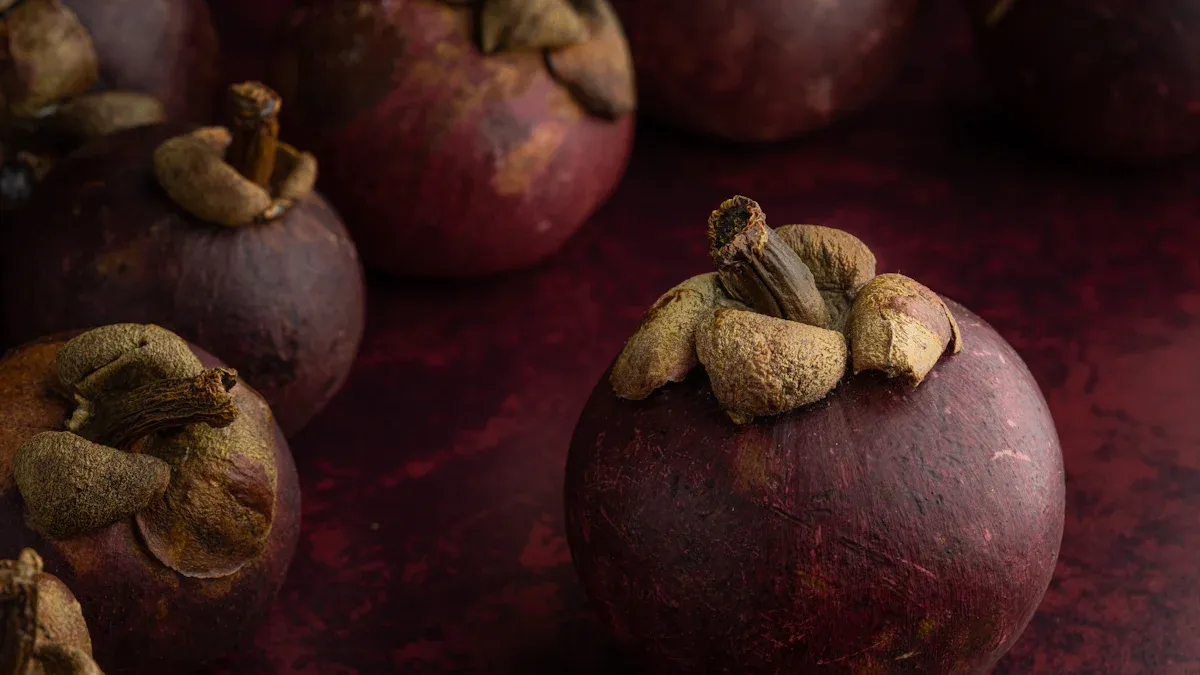
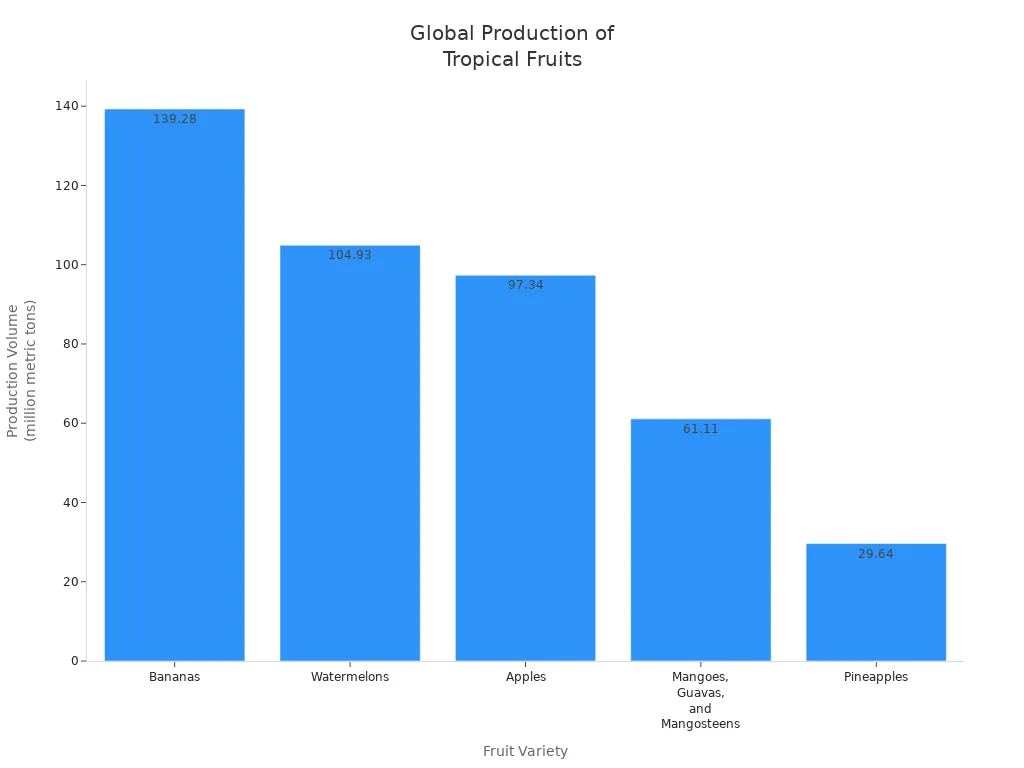
Mangosteen is often celebrated as the “Queen of Fruits,” and for good reason! This tropical delight boasts a unique flavor that perfectly balances sweetness and tartness, making it a favorite among fruit lovers. Packed with essential nutrients, it offers a wealth of health benefits that can enhance your overall well-being. With the global mangosteen market reaching an impressive USD 2.38 billion in 2024, it’s clear that more people are recognizing the value of this remarkable fruit.
Key Takeaways
Mangosteen is rich in nutrients, including fiber, vitamins, and minerals, making it a great addition to your diet for overall health.
The antioxidants in mangosteen, especially xanthones, help reduce inflammation and protect your body from damage.
Incorporating mangosteen into your meals may support cancer prevention by inhibiting the growth of cancer cells.
Using mangosteen in skincare products can improve skin health, providing hydration and protection against aging.
Enjoy mangosteen in various forms, such as fresh fruit, juice, or dried snacks, to reap its health benefits while satisfying your taste buds.
Health Benefits of Mangosteen
Nutritional Profile
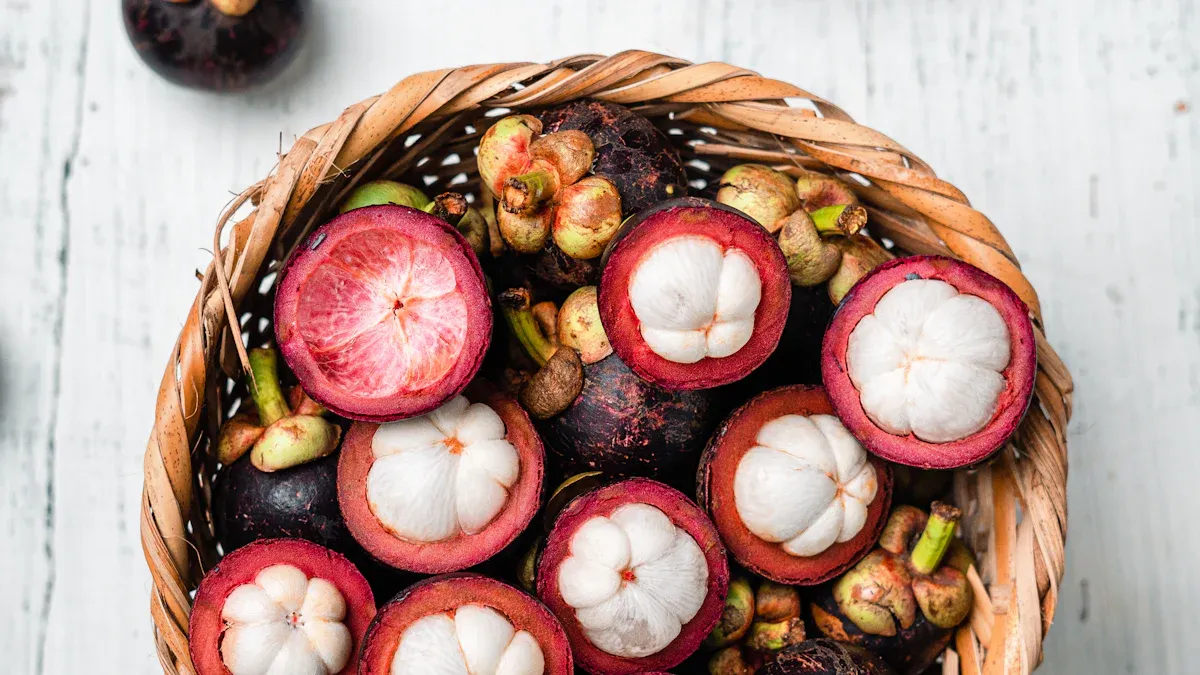
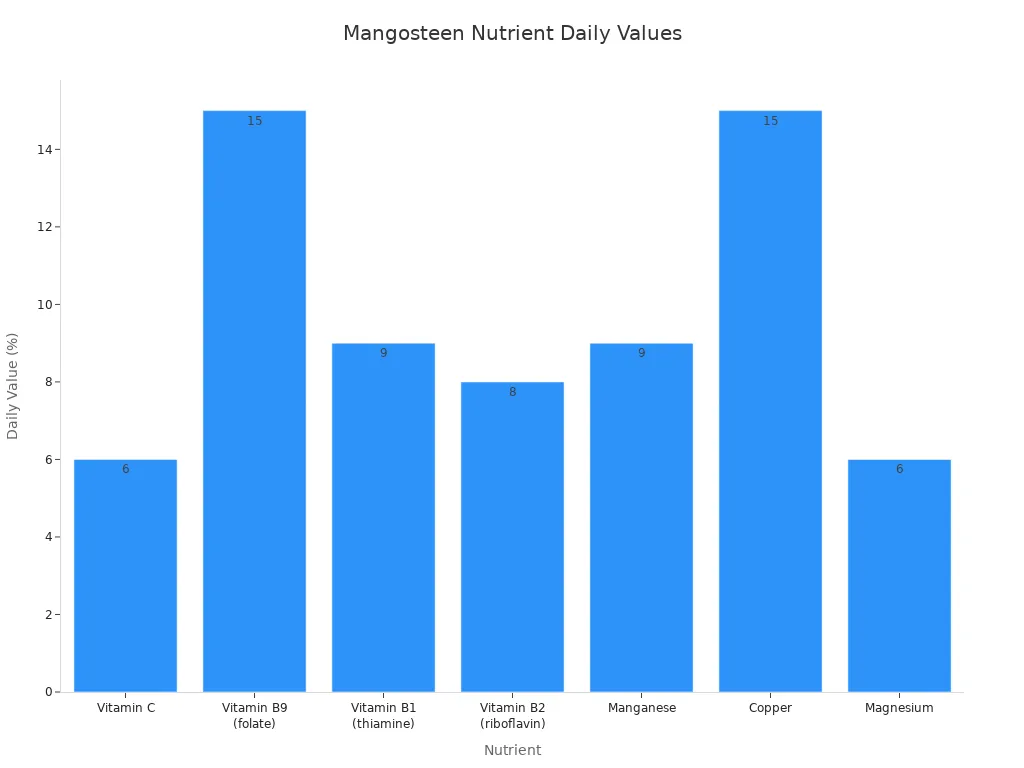
Mangosteen is not just a delicious fruit; it’s also packed with nutrients that can support your health. When you look at its nutritional profile, you’ll find that it contains a variety of vitamins and minerals. Here’s a quick breakdown of what you get in every 100 grams of this tropical delight:
Nutrient | Amount per 100g | Daily Value (%) |
|---|---|---|
Calories | 143 | N/A |
Carbohydrates | 35 grams | N/A |
Fiber | 3.5 grams | N/A |
Fat | 1 gram | N/A |
Protein | 1 gram | N/A |
Vitamin C | 6% | 6% |
Vitamin B9 (folate) | 15% | 15% |
Vitamin B1 (thiamine) | 9% | 9% |
Vitamin B2 (riboflavin) | 8% | 8% |
Manganese | 9% | 9% |
Copper | 15% | 15% |
Magnesium | 6% | 6% |
Mangosteen is particularly rich in fiber, which promotes digestive health by helping you maintain regular bowel movements and preventing constipation. With about 1.8 grams of fiber per serving, it’s a great addition to your diet if you’re looking to boost your fiber intake.
Antioxidant and Anti-Inflammatory Effects
One of the standout features of mangosteen is its high concentration of xanthones, which are powerful antioxidants. These compounds help combat oxidative stress in your body, protecting your cells from damage. Studies show that xanthones can significantly reduce inflammation, which is linked to various chronic diseases.
Here are some key points about the anti-inflammatory effects of mangosteen:
A study found that participants who consumed mangosteen experienced a 46% decrease in C-reactive protein levels, a marker of inflammation.
The xanthones in mangosteen have shown promise in reducing inflammation in both test-tube and animal studies.
Extracts from this fruit have been found to inhibit pro-allergy prostaglandin more effectively than certain anti-allergy medications.
These properties make mangosteen an excellent choice for those looking to bolster their immune system and protect against heart attacks.
Fighting Cancer with Mangosteen
When it comes to fighting cancer, mangosteen has garnered attention for its potential benefits. While no clinical trials have specifically investigated its anti-cancer properties, research suggests that the xanthones in mangosteen may play a role in inhibiting cancer cell growth. Here’s how:
Mechanism | Effect |
|---|---|
Down-regulation of cyclin B, cyclin D, and cyclin E | Inhibits cell proliferation |
Induction of apoptosis via down-regulation of FLIP and survivin | Promotes cell death |
Decreased expression of TRAIL-R1 | Increases apoptosis in SiHa cells |
These mechanisms indicate that incorporating mangosteen into your diet could be a smart move if you’re looking to include cancer-fighting foods in your meals.
Skin Benefits of the Queen of Fruits
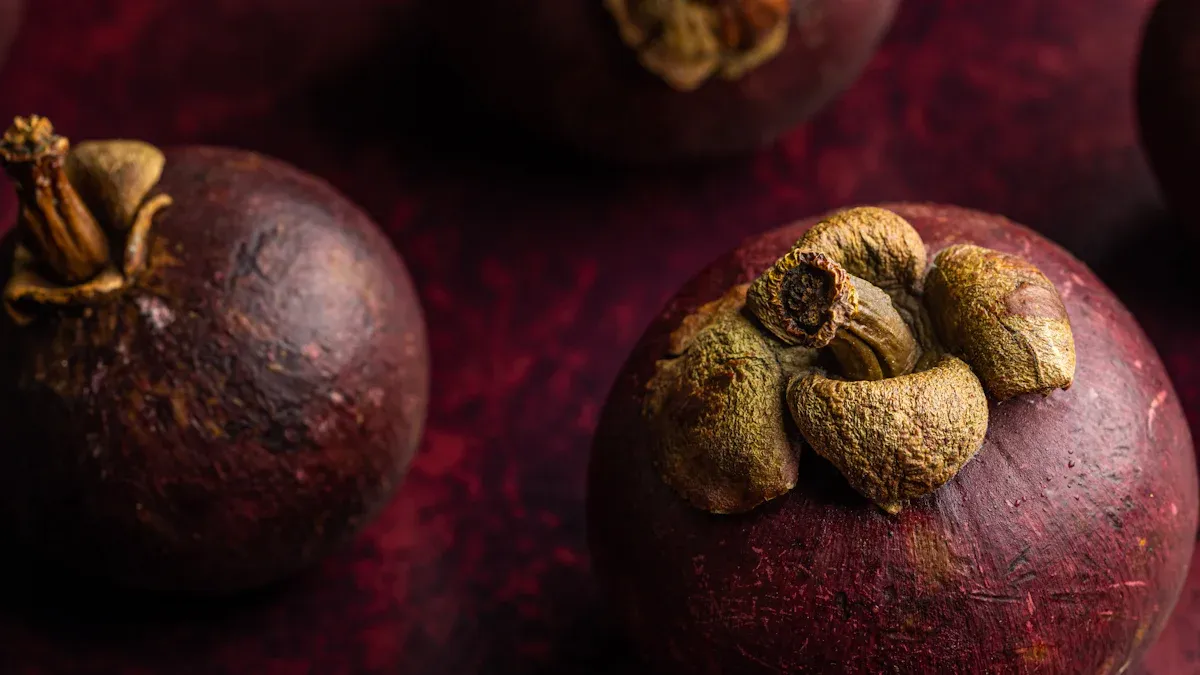
Natural Skin Care
Mangosteen isn’t just a delicious treat; it also offers fantastic benefits for your skin. This fruit is rich in antioxidants, particularly xanthones, which are biologically active compounds that help protect your skin from environmental damage. Here are some key points about how mangosteen contributes to natural skin care:
High Antioxidant Content: Mangosteen contains high concentrations of antioxidants that help revitalize the skin and improve its vitality.
Photoprotective Activity: Studies show that mangosteen pericarp extract has antioxidant and anti-inflammatory effects, which contribute to its ability to absorb UV light. This suggests that it could serve as a natural sunscreen, protecting your skin from harmful rays.
If you’re looking for a way to enhance your skincare routine, consider using products that contain mangosteen. A mangosteen gel moisturizer can be a great addition, providing hydration while harnessing the fruit’s protective properties.
Anti-Aging Properties
As you age, maintaining skin elasticity and hydration becomes crucial. Mangosteen can help with that! The peel extract of this fruit exhibits significant antioxidant activity, which is essential for combating skin aging. Here’s how mangosteen works its magic:
Collagen Preservation: Alpha-mangostin, a compound found in mangosteen, demonstrates potent anti-collagenase activity. This means it helps maintain skin elasticity, keeping your skin looking youthful.
Hydration and Pigmentation Control: Gamma-mangostin shows strong anti-hyaluronidase and anti-tyrosinase activities, which contribute to skin hydration and pigmentation control.
Clinical studies have shown promising results regarding mangosteen’s impact on skin elasticity. For instance, oral administration of mangosteen extract resulted in improved skin conditions, such as elasticity and moisture content, after just four weeks.
Evidence Description | Result |
|---|---|
Oral administration of WEM at 100 mg/day for 3 months | Reduced serum pentosidine contents and improved skin elasticity and moisture content. |
Skin elasticity measured by a viscoelasticity analyzer | Demonstrated improvement in skin conditions, such as elasticity and moisture content, at 4 weeks. |
Incorporating mangosteen into your diet or skincare routine can be a smart move if you’re looking to combat the signs of aging. With its powerful properties, this “queen of fruits” can help you maintain a youthful glow.
A Brief History of Mangosteen
Origins and Cultural Significance
Mangosteen has a rich history that dates back centuries. This tropical fruit, often called the “Queen of Fruits,” has its roots in Southeast Asia. Historical records show that mangosteen cultivation began in this region, particularly in countries like Malaysia, Indonesia, and Thailand. Here’s a quick look at some key moments in its history:
Year | Source | Description |
|---|---|---|
1563 | de Orta et al. | Mentioned mangosteen in Malacca, indicating early cultivation. |
1580s | van Linschoten | Documented the presence of mangosteen in Portuguese India. |
1639 | de Mandelslo | Recorded mangosteen growing in Java. |
1692 | de Beze | Provided a fuller description of mangosteen trees in Malacca. |
1741 | Rumphius | Catalogued plants in Ambon, noting mangosteen’s natural range. |
1753 | Linnaeus | Established the binomial name for mangosteen, indicating its distribution. |
1416 | Gong | Indicated mangosteen was sold in Majapahit marketplaces. |
1434 | Ma | Noted mangosteen in Samudera-Pasai, Aceh, Sumatra. |
In Southeast Asia, mangosteen is more than just a fruit; it holds cultural significance. People often regard it as a symbol of royalty and purity. In fact, it’s celebrated alongside durian, known as the “King of Fruits.” This pairing highlights its esteemed status in food therapy, where mangosteen is considered a “cooling” fruit that balances the “heaty” nature of durian.
Traditional Uses
Mangosteen has also found its place in traditional medicine. For centuries, people in Southeast Asia have used it to treat various ailments. Here are some common traditional uses:
Inflammation and Digestive Issues: Mangosteen has been used to treat inflammation, diarrhea, and even cholera.
Skin Conditions: The rind serves as an antibacterial agent, helping with wounds and skin disorders like eczema and psoriasis.
Medicinal Decoctions: Decoctions from the peels and seeds are known for their anti-pyretic and anti-infective properties, particularly for gastrointestinal and urinary tract infections.
These traditional uses showcase how mangosteen has been valued not only for its taste but also for its health benefits. As you explore the world of mangosteen, you’ll discover a fruit steeped in history and cultural significance.
Product Recommendations for Mangosteen
If you’re excited about incorporating mangosteen into your diet, you have plenty of options! Here are some popular products that can help you enjoy the benefits of this amazing fruit.
Mangosteen Juice
Mangosteen juice is a delicious way to enjoy the fruit’s health benefits. Many brands offer this refreshing drink, each claiming unique advantages. Here’s a quick look at some popular mangosteen juice brands and their claims:
Brand | Claims/Benefits | Sales Figures |
|---|---|---|
XanGo | Promotes as an immunity booster | $1 billion sold |
Tahitian Noni | Sold $2 billion in first 10 years | $2 billion by 2006 |
MonaVie | Bottles acai juice blend | N/A |
Pure Fruit | Underprices XanGo | N/A |
You can easily find these juices in health food stores or online. Just remember to check the labels for added sugars or preservatives!
Dried Mangosteen Snacks
Dried mangosteen snacks are another tasty option. The freeze-drying process preserves the nutrients and bioactive compounds, making them even more concentrated than fresh mangosteen. This method minimizes nutrient degradation, so you get maximum benefits.
The freeze-dried mangosteen market is projected to grow from $282.1 million in 2025 to $500 million by 2035.
Increasing health consciousness among consumers is driving demand for nutritious snacks, particularly in North America and Europe.
These snacks are perfect for on-the-go munching or as a healthy addition to your trail mix!
Mangosteen truly deserves its title as the “Queen of Fruits.” This tropical gem offers a range of health benefits, including:
Health Benefit | Description |
|---|---|
Anticancer | Xanthones in mangosteen show potential anticancer and antitumor activity in laboratory settings. |
Antimicrobial | Mangosteen extracts may treat bacterial infections and work against drug-resistant pathogens. |
Antidiabetic | Xanthones may support blood glucose management and improve insulin sensitivity in type 2 diabetes. |
Antioxidant | The rind of mangosteen exhibits strong antioxidant activity, potentially protecting against oxidative stress. |
Dental Health | Anti-inflammatory properties may help with gingivitis and periodontitis, common gum inflammation issues. |
To enjoy these benefits, consider adding two to three medium-sized mangosteens to your daily diet. This amount provides beneficial antioxidants and fiber while keeping your natural sugar intake in check. Just remember, moderation is key!
Try different mangosteen products like juice, supplements, or dried snacks for a flavorful experience. Your health will thank you!