


Nature offers powerful, concentrated sources of nutrition you might overlook. Beyond just flavor, certain nutrient rich herbs are packed with essential nutrients. They act as miniature nutritional powerhouses for your health. Over 50% of people globally lack vital nutrients. Approximately one-third suffer from a micronutrient deficiency. These nutrient rich herbs can fill these gaps. They support your overall well-being, helping prevent heart disease and reduce cancer risk. Discover which nutrient rich herbs stand out. Learn how to easily integrate these high in nutrients plants into your daily life.
Key Takeaways
Moringa is a “Miracle Tree.” It has more Vitamin C than oranges and more calcium than milk.
Nettle is a “Stinging Superfood.” It has many minerals like potassium, calcium, and iron.
Parsley is more than a garnish. It has a lot of Vitamin C, Vitamin A, and Vitamin K.
Dandelion greens are a powerful edible. They have a lot of Vitamin K and can help your liver.
Cilantro helps remove bad metals from your body. It also has many vitamins and minerals.
Moringa: The Miracle Herb

Moringa oleifera, often called the “Miracle Tree,” offers incredible nutrition. You will find its leaves packed with essential vitamins and minerals. This makes Moringa an exceptionally nutrient-dense plant.
Moringa Nutrient Profile
Moringa leaves are a powerhouse of vitamins. They contain seven times more Vitamin C than oranges. This makes Moringa a superior choice for boosting your daily intake. Just half a cup of fresh Moringa leaves can meet or exceed your daily recommended amount of Vitamin C. Moringa also provides more calcium than milk. For example, 100 grams of Moringa leaves can offer 1000 mg of calcium. In comparison, 8 ounces of milk typically provides 300-400 mg.
Moringa Health Benefits
Moringa offers many health benefits. Research shows its strong anti-inflammatory properties. Studies reveal that Moringa seed extract can stop protein denaturation, a process linked to inflammation. Compounds like flavonoids and phenolic acids in Moringa seeds contribute to these effects. Moringa also helps regulate blood sugar. Many animal and human studies show that Moringa can decrease blood glucose levels. However, more human research is needed to fully understand its use for diabetes.
Using Moringa
You can easily add Moringa to your diet. Try adding fresh or powdered Moringa leaves to your smoothies. You can also brew Moringa tea. Sprinkle dried Moringa powder into soups, stews, or sauces. You can even use it in baked goods. Moringa offers a simple way to boost your daily nutrient intake.
Nettle: Stinging Superfood
You might know nettle for its sting, but it offers much more. This plant is a powerhouse of nutrients. It provides many essential vitamins and minerals.
Nettle’s Rich Nutrients
Nettle is exceptionally rich in minerals. It contains significant bulk elements. These include:
Potassium (K)
Sodium (Na)
Calcium (Ca)
Magnesium (Mg)
You also get important trace elements from nettle. These are:
Iron (Fe)
Zinc (Zn)
Beyond these, nettle leaves provide phosphorus, silicon, sulfur, chlorine, titanium, manganese, and copper. This makes nettle a truly nutrient-dense plant.
Nettle Health Advantages
Nettle offers many impressive health benefits. It can help you manage seasonal allergies. Some small studies show that freeze-dried nettle can modestly improve allergy symptoms. These include a runny nose and sneezing. One study even found a significant decrease in allergic rhinitis symptoms over a short period. However, researchers need to conduct larger studies to confirm these effects fully.
Beyond allergies, nettle also supports your urinary tract health. Herbal therapy uses stinging nettle to treat urinary tract infections. It acts as a diuretic, helping to clear toxins. This is especially helpful for women who are more prone to UTIs. Doctors approve nettle leaf as a supportive therapy for lower urinary tract infections. It can also prevent and treat urinary stones. Nettle has shown good results for difficult urination. When combined with other herbs, it helps with benign prostatic hyperplasia (BPH), reducing nighttime urination.
Incorporating Nettle
You can enjoy nettle in many ways. Always cook fresh nettle to remove its sting. You can steam it like spinach or add it to soups and stews. Nettle tea is also popular. You can find dried nettle leaf for teas or powdered nettle to add to smoothies. Consider adding this superfood to your diet for its amazing nutrients.
Parsley: Beyond Garnish
You might think of parsley as just a plate decoration. However, this common herb is a powerhouse of nutrients. It offers superior micronutrient density and a wide range of essential compounds. Parsley is truly a nutrient-dense micro herb. It can boost your energy levels.
Parsley’s Nutritional Value
Parsley packs a punch with its vitamins and minerals. In just 100 grams of fresh parsley, you get an impressive amount of nutrients. You receive 133mg of Vitamin C, which is 148% of your daily value. It also provides 421µg of Vitamin A, meeting 47% of your daily needs. For bone health, you get 138mg of calcium. Parsley is also rich in iron, offering 6.2mg, which is 78% of your daily value. Other important minerals include 554mg of potassium, 50mg of magnesium, and 1.1mg of zinc. You also find copper, manganese, sodium, and phosphorus. Beyond these, parsley contains chlorophyll, cobalt, riboflavin, silicon, sulfur, and thiamine.
Parsley Health Benefits
Parsley offers many health benefits due to its rich composition. It acts as a strong antioxidant. Research shows parsley contains flavonoids like apigenin, luteolin, and quercetin. These compounds have potent antioxidant and anti-inflammatory properties. Apigenin, for example, helps fight oxidative stress. Parsley also contains essential oils like myristicin and apiol, which add to its antioxidant power. Furthermore, parsley is excellent for your bones. It is rich in vitamin K, a vital nutrient for strong bones. A small amount, about 1/2 cup (30 grams), gives you an impressive 547% of the recommended daily intake for vitamin K. This vitamin helps build bone cells and improves bone mineral density. Parsley is also a good source of calcium, which is crucial for bone health.
Culinary Uses for Parsley
It is easy to add parsley to your daily meals. Chop fresh parsley and sprinkle it over salads, soups, or roasted vegetables. You can blend it into smoothies or use it in marinades for meats and fish. Parsley also makes a great addition to homemade dressings or sauces. Try making a fresh tabbouleh salad, where parsley is the main ingredient. This simple herb can elevate your dishes and boost your nutrient intake.
Dandelion Greens: Potent Edible
You might see dandelions as common weeds. However, these greens are a powerful edible. They offer a surprising amount of nutrition. You can easily add them to your diet for a health boost.
Dandelion’s Nutrient Power
Dandelion greens are packed with essential vitamins and minerals. They contain high levels of iron and other important minerals. You get a huge amount of Vitamin K from dandelion greens. For example, one cup of raw dandelion greens gives you 428.1mcg of Vitamin K. This is 357% of your daily recommended amount. If you cook them, one cup provides 579mcg of Vitamin K, which is 482% of the daily value. Every 100g of dandelion greens offers 778µg of Vitamin K, an impressive 649% of the daily value. Dandelion greens also provide potassium. See how they compare to bananas:
Food Item | Potassium Content (mg) |
|---|---|
Banana (medium) | 451 |
Dandelion greens (1/2 cup, cooked) | 121 |
Dandelion Health Benefits
Dandelion greens offer many health benefits. They can help your liver. Studies show dandelion prevents liver damage in rats. It reduces inflammation and oxidative stress. Dandelion leaf extract can also help with fatty liver caused by a high-fat diet. Its strong antioxidant activity comes from phenolic compounds. These compounds protect your liver by fighting harmful free radicals. Dandelion also acts as a diuretic. This means it helps you urinate more. A study found that people who took dandelion extract urinated more often within hours. This diuretic effect may help with high blood pressure. It could also lower your risk of heart disease.
Enjoying Dandelion Greens
You can easily add dandelion greens to your meals. Use young, tender leaves in salads for a slightly bitter, peppery taste. You can also cook them like spinach. Sauté them with garlic and olive oil. Add them to soups, stews, or stir-fries. You can even blend them into smoothies. Dandelion greens are a simple way to boost your nutrient intake.
Cilantro: Detoxifying Herb
Cilantro is more than just a flavorful garnish. This herb is a nutrient-dense micro herb that can help boost energy levels. You will find it packed with essential vitamins and minerals.
Cilantro Nutrient Breakdown
Cilantro offers a rich profile of vitamins and minerals. You get important vitamins like Vitamin C, Provitamin A, Vitamin K, and Folate. It also provides key minerals such as Potassium and Manganese. Other beneficial compounds include Choline, Beta-carotene, Beta-cryptoxanthin, Lutein, and Zeaxanthin. You also find trace levels of iron and Vitamin B2.
Here is a detailed look at some of the nutrients in one cup of raw cilantro:
Mineral/Vitamin | Amount (per 1 cup raw cilantro) |
|---|---|
Potassium | 20.84 mg |
Sodium | 1.84 mg |
Calcium | 2.68 mg |
Iron | 0.07 mg |
Vitamin A (IU) | 269.92 IU |
Vitamin C | 1.08 mg |
Vitamin K | 12.4 mcg |
Folate (total) | 2.48 mcg |
Cilantro Health Benefits
Cilantro provides many health benefits. It acts as a powerful antioxidant. Raw cilantro leaves have an ORAC value of 5,141 µmol TE/100g. This shows its strong ability to fight free radicals. Cilantro also helps your body remove heavy metals. Research indicates that cilantro can mobilize heavy metals like lead and mercury from your tissues. It moves them into your bloodstream for excretion. Compounds like flavonoids and phenolic acids in cilantro help bind to these metals. A study using cilantro tincture showed a significant decrease in various metals in post-urine and feces tests.
Cilantro may also help reduce anxiety. Studies directly investigate cilantro’s anti-anxiety effects. Researchers have explored its anxiolytic properties in different models. Reviews highlight the sedative and anti-anxiety properties of cilantro and its components. Some studies show effects comparable to diazepam, a common anti-anxiety medication.
Adding Cilantro to Meals
You can easily add cilantro to your daily diet. Sprinkle fresh, chopped cilantro over tacos, salads, or soups. Blend it into your smoothies for a fresh kick. You can also use it in homemade salsas, guacamole, or chutneys. Cilantro pesto is another delicious option. This versatile herb enhances flavor and boosts your nutrient intake.
Basil: Aromatic & Nutritious
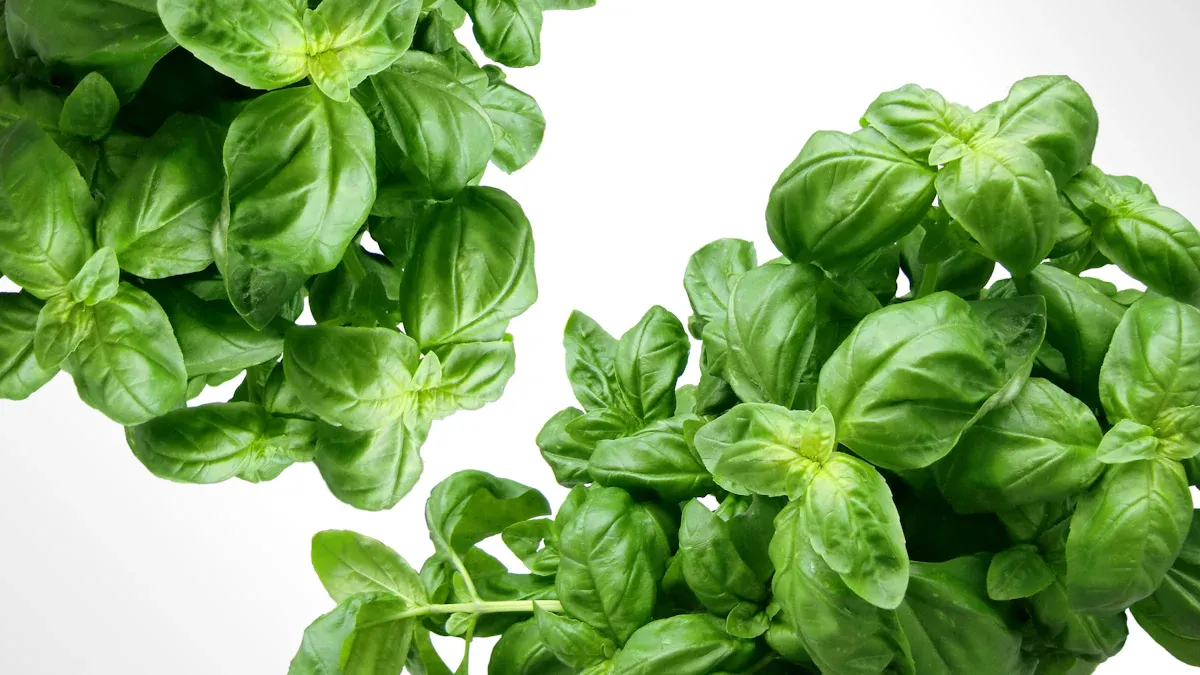
You might know basil for its delightful aroma and flavor. However, this popular herb is also a nutrient-dense micro herb. It offers a surprising array of vitamins and minerals. Basil can help you boost energy levels and support your overall health.
Basil’s Essential Nutrients
Basil provides many important nutrients. It is a significant source of Vitamin K, especially in its dried form. Vitamin K helps strengthen your bones and plays a vital role in blood clotting. Just one 2.6-gram tablespoon of basil gives you these nutrients:
Nutrient | Amount in one 2.6-gram tablespoon of basil |
|---|---|
Calcium (mg) | 4.6 |
Vitamin A (mcg, RAE) | 6.9 |
Beta carotene (mcg) | 81.7 |
Beta cryptoxanthin (mcg) | 1.2 |
Lutein and zeaxanthin (mcg) | 147.0 |
Vitamin K (mcg) | 10.8 |
Various B vitamins | Traces |
Iron and other minerals | Traces |
Basil Health Benefits
Basil offers many health advantages. It contains eugenol, a compound with several beneficial properties. The amount of eugenol in basil changes based on factors like the plant type, growing conditions, and how people process it. Eugenol provides:
Antimicrobial properties
Anti-inflammatory effects
Analgesic (pain-relieving) qualities
Antioxidant activity
Basil essential oils show strong antimicrobial activity. They work against many types of bacteria, yeast, and mold. Specific basil types, like the Dino and Moonlight cultivars, are very effective against microorganisms. Basil also has antifungal effects against C. albicans.
Beyond these, holy basil, or Ocimum tenuiflorum, acts as an adaptogen. This means it helps your body handle stress. It assists your mind in coping with chemical, physical, infectious, and emotional stress. Research shows holy basil can reduce stress and improve sleep quality. It contains nutrients like vitamins A and C, calcium, iron, and zinc.
Basil Culinary Uses
You can easily add basil to your meals. Sprinkle fresh basil leaves over pizzas, pasta dishes, or salads. You can blend it into pesto or add it to sandwiches. Basil also enhances the flavor of soups and stews. Grow your own basil plant for a fresh supply.
Rosemary: Antioxidant Powerhouse
You know rosemary for its fragrant aroma. This herb is also a powerful source of nutrients. It offers many health benefits.
Rosemary’s Key Nutrients
Rosemary gives you important vitamins and minerals. It is a good source of calcium, iron, and vitamin B6. Look at the amounts of calcium and iron you get from 100 grams of rosemary:
Nutrient | Amount per 100g | Daily Value (%) |
|---|---|---|
Calcium | 317mg | 32% |
Iron | 6.7mg | 83% |
Rosemary also contains many compounds that fight damage in your body. These include:
Phenols
Flavonoids
Terpenoids
More specifically, you find:
Cyclic diterpene diphenols: carnosolic acid, carnosol
Other diterpenoids: epirosmanol, rosmanol, methylcarnosate, isorosmanol
Phenolic acids: rosmarinic acid, hydroxyhydrocaffeic acid
Flavonoids: diosmin, hesperidin
Rosemary Health Advantages
Rosemary offers many health advantages. It acts as a strong antioxidant. Compounds like carnosic acid and carnosol help reduce inflammation. They work by changing how your body’s cells signal. Rosmarinic acid also fights inflammation and allergies. It can help with seasonal allergic reactions.
Rosemary can also boost your brain power. Inhaling rosemary oil can improve your mood and thinking skills. Studies show it helps students perform better on exams. It increases good chemicals in your body and lowers stress hormones. One study found that 750 mg of rosemary powder improved memory speed in older adults.
Using Rosemary
You can easily add rosemary to your meals. Sprinkle fresh or dried rosemary on roasted vegetables, chicken, or fish. You can also add it to soups, stews, or bread. Try making rosemary-infused olive oil. You can also brew rosemary tea. This simple herb adds flavor and powerful nutrients to your diet.
Exploring Nutrient-Dense Herbs: Integration Tips
You can easily incorporate these powerful plants into your daily routine. They offer incredible health benefits. You will find many simple ways to enjoy them.
Easy Herb Incorporation
You can easily boost your meals with nutrient rich herbs. Sprinkle fresh or dried herbs into your daily cooking. Add them to salads, soups, or smoothies for an instant nutritional upgrade. You will find that even a small amount adds flavor and powerful nutrients. Consider making herb-infused oils or vinegars. These simple additions enhance your diet. You can also blend herbs into sauces or dressings. This makes it easy to get more vitamins and minerals.
Growing Your Own Herbs
Growing your own herbs is a rewarding experience. You get fresh, organic herbs right from your garden or windowsill. This ensures you have a constant supply of nutrient-dense micro herbs. You control the growing conditions, avoiding pesticides. You also save money. Fresh herbs often have higher nutrient content. You will experience the full health benefits of consuming micro herbs when they are at their peak freshness. Start with easy-to-grow varieties like basil or parsley.
Herb Consumption Considerations
While beneficial, consume herbs in moderation. Some herbs can interact with medications. Always research specific herbs before adding them to your diet regularly. If you have existing health conditions or take medicine, consult a healthcare professional. They can advise you on the health benefits of consuming micro herbs safely. You want to maximize the health benefits of consuming micro herbs without any risks. Listen to your body and introduce new herbs gradually.
You now see the profound impact of nutrient rich herbs. They offer enhanced nutrient intake, improved immunity, and support for many bodily functions. These nutrient rich herbs provide enhanced immune function. Experiment with these nutrient-rich herbs. Discover your favorite ways to enjoy them. Take charge of your health through natural, plant-based nutrition. Always consult a healthcare professional before making big diet changes, especially if you have health conditions or take medicine.
FAQ
Why are these herbs called “nutrient-dense”?
These herbs pack many vitamins and minerals into a small serving. They offer high nutritional value for their size. This helps you get more essential nutrients without consuming many calories.
How can I easily add these herbs to my daily meals?
You can sprinkle fresh or dried herbs on salads, soups, or main dishes. Blend them into smoothies or make herb-infused oils. Growing your own herbs also provides a fresh supply.
Are there any precautions when consuming these herbs?
Yes, some herbs can interact with medications. Always research specific herbs. Consult a healthcare professional before making big dietary changes, especially if you have existing health conditions.
Which herb is best for boosting my immunity?
Moringa is excellent for immunity. It contains seven times more Vitamin C than oranges. Parsley also offers a high amount of Vitamin C. Both help strengthen your body’s defenses.
Can I grow these nutrient-rich herbs at home?
Absolutely! Many of these herbs, like basil, parsley, and rosemary, grow well in pots or gardens. Growing your own ensures a fresh, organic supply. You get the best flavor and nutrients.