

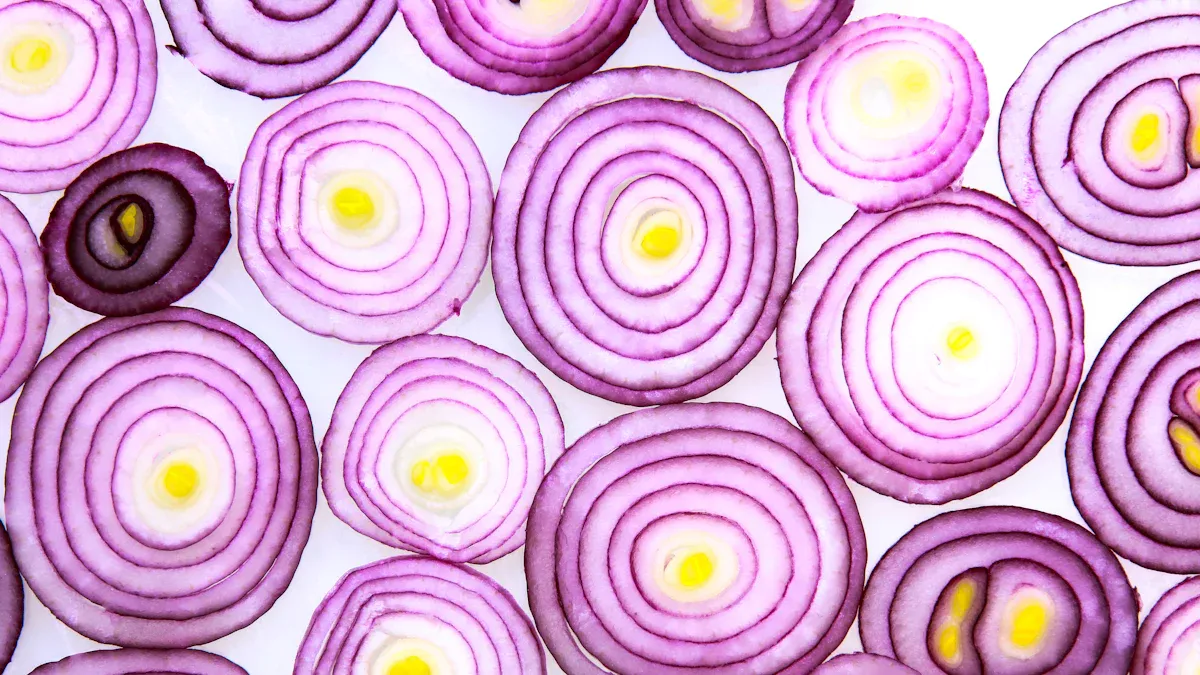
The humble onion is a true culinary staple in kitchens worldwide. Many underestimate its power in everyday cooking. Beyond adding flavor, the onion offers significant onion nutrition. This vegetable is a nutritional powerhouse. It provides many health benefits. This article explores key nutrition facts. It also details amazing onion health benefits and practical uses. Incorporating nutrient-dense foods like the onion supports a healthy diet.
Key Takeaways
Onions are full of good things like vitamins, minerals, and plant compounds. These help your body stay healthy.
Eating onions can make your immune system stronger. They help your body fight off sickness.
Onions are good for your heart and can help control blood sugar. They also help your stomach work better.
Onions may help protect your body from some cancers. They have special compounds that fight bad cells.
You can use onions in many ways when you cook. They add flavor and health benefits to your meals.
Onion Nutrition: Key Facts
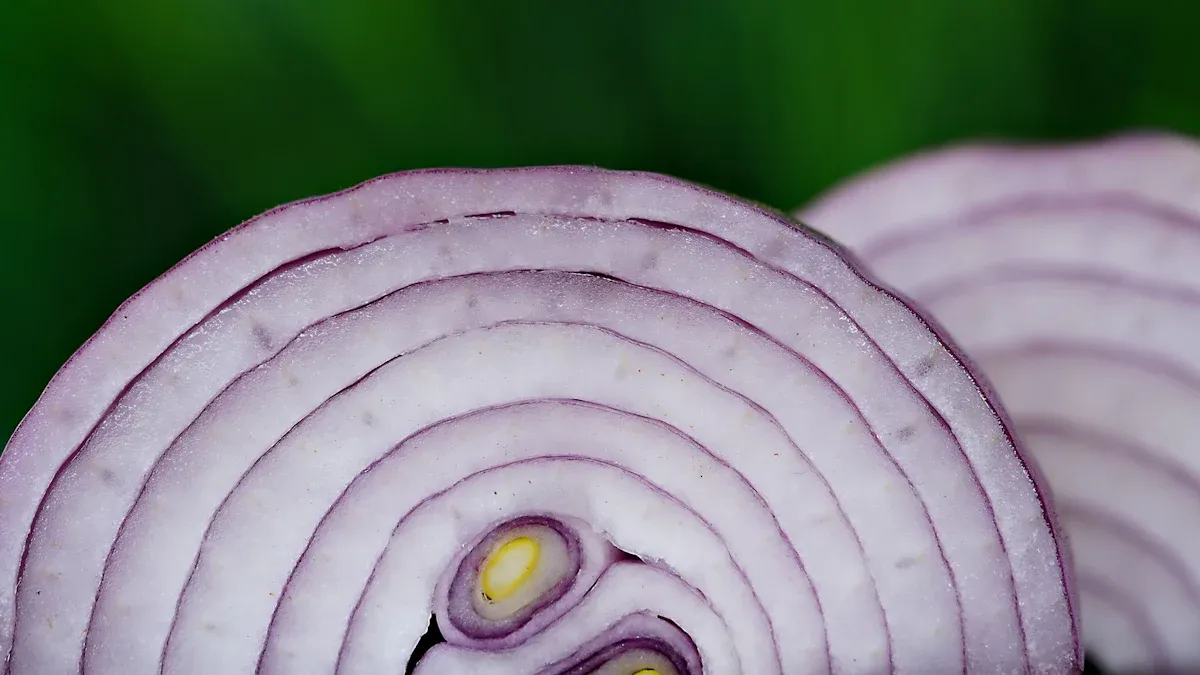
Onions are more than just a flavor base. They offer significant onion nutrition. This section details the specific nutritional components of this common vegetable. Understanding these nutrition facts reveals why the onion is a valuable addition to any diet.
Core Vitamins and Minerals
Onions contain many essential vitamins and minerals. These key nutrients in onions support various bodily functions. For example, a 100-gram serving of onion provides 7.4 mg of Vitamin C. This amount contributes about 9% of the daily recommended intake. Vitamin C is an antioxidant. It plays a crucial role in immune function. It also supports collagen production, iron absorption, and the health of skin and hair.
Onions also provide essential B vitamins. These include Folate (B9) and Vitamin B6. Folate is vital for cell growth and metabolism. It is especially important during pregnancy. Vitamin B6 helps form red blood cells. A 100-gram serving offers about 5% of the daily recommended intake for Vitamin B6 and 4% for Folic Acid. The onion also contains Vitamin K, though in smaller amounts.
Beyond vitamins, onions supply important minerals. They contain manganese, copper, and potassium. Potassium is an essential mineral. It helps lower blood pressure and supports heart health. Calcium, iron, magnesium, phosphorus, and zinc are also present in smaller quantities.
Vitamin | RDI Percentage |
|---|---|
Vitamin C | 9% |
Vitamin B6 | 5% |
Folic Acid | 4% |
Antioxidants and Plant Compounds
Onions are rich in beneficial plant compounds. These compounds contribute significantly to the onion’s health benefits. They include various phytochemicals, particularly polyphenols and flavonoids. Yellow onions have the highest total flavonoid content. This is significantly more than white onions. Red onions are rich in anthocyanin pigments. These pigments give red onions their distinct color. At least 25 different anthocyanin compounds have been identified in red onions. They account for 10% of their total flavonoid content.
Key antioxidant compounds in onions include:
Phenolic compounds (e.g., rutin, quercetin, quercetin glucosides)
Organosulfur compounds (e.g., onionin A, cysteine sulfoxides)
Anthocyanins
Flavonols
Quercetin is a notable flavonoid. It acts as a powerful antioxidant. It may help lower blood pressure and improve heart health. Sulfur compounds, such as allicin, are also present. These compounds may protect against certain cancers. Thiosulfinates, another type of sulfur compound, may inhibit the growth of harmful microorganisms. Tropea red onion seeds contain steroidal saponins glycosides. These molecules have pharmacological properties. They include cholesterol-lowering and antidiabetic effects.
Macronutrient Overview
The macronutrient profile of an onion shows it is mostly water. Most onion cultivars are approximately 89% water. They contain about 9% carbohydrates. This includes 4% sugar and 2% dietary fiber. Onions also have about 1% protein and negligible fat. A 100-gram serving of onion has an energy value of 166 kJ, which is about 40 kilocalories.
Here is a detailed breakdown of the macronutrients per 100 grams:
Component | Quantity per 100 g |
|---|---|
Energy | 166 kJ (40 kcal) |
Carbohydrates | 9.34 g |
Sugars | 4.24 g |
Dietary fibre | 1.7 g |
Fat | 0.1 g |
Protein | 1.1 g |
Water | 89.11 g |
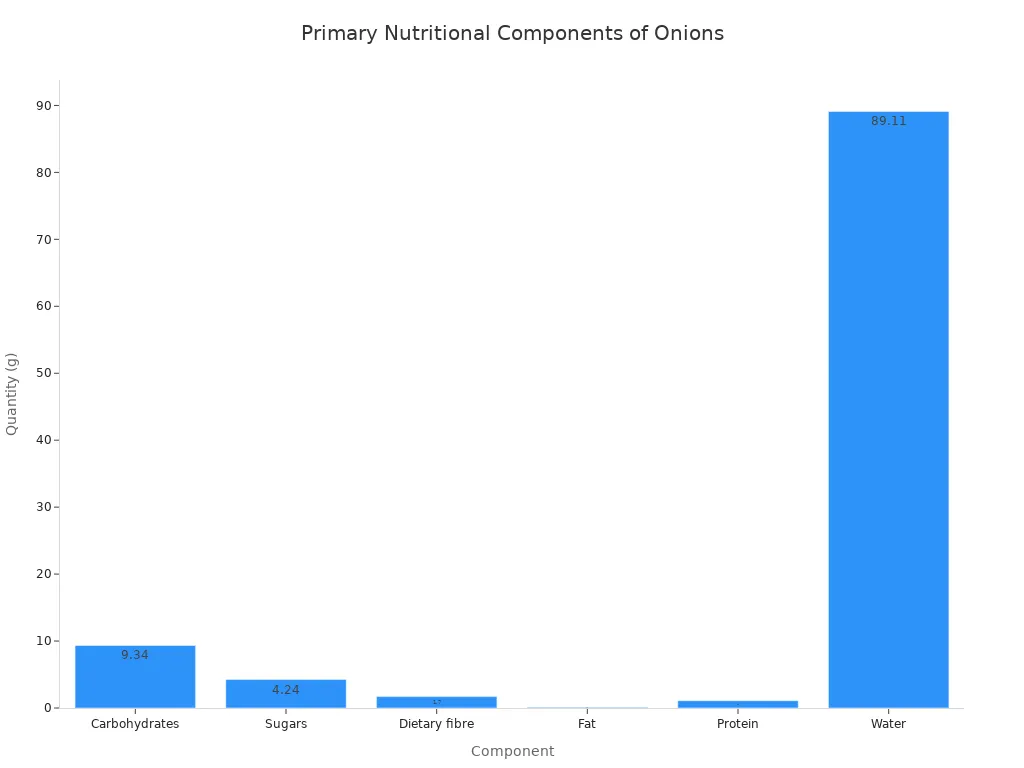
This chart visually represents the primary nutritional components. It highlights the high water and carbohydrate content. The fiber content also contributes to digestive health.
Onion Health Benefits: Immune & More
Onions offer many health benefits. Their rich nutritional profile translates into specific advantages for the body. These benefits range from boosting the immune system to supporting heart health.
Immune System Boost
Onions significantly contribute to a healthy immune system. They contain compounds that help the body fight off illness. A review of scientific literature shows that onions have anti-inflammatory, antioxidant, and immunomodulatory effects. These effects suggest their potential in managing conditions related to oxidative stress, inflammation, and immune dysregulation.
Onions contain quercetin, a natural compound with anti-inflammatory properties. This compound can support immune function. Onions also provide selenium, which helps decrease inflammation and starts immune responses. Soluble fiber in onions supports a healthy gut microbiome. A large part of immune cells lives in the gut, so this promotes healthy immune function. Onions also provide vitamin C and various flavonoids. These offer antioxidant and immunomodulatory effects.
Studies have looked into the effects of A. cepa (onion) and its parts on the immune system. Immunomodulators are chemicals that can change the immune system’s response to an infection. They can either stimulate or suppress it. This prepares the immune system for possible threats.
Onions, especially red onions, are a good source of vitamin C. Vitamin C strengthens the immune system. It supports the production and function of white blood cells. These cells fight off harmful bacteria and viruses. Sulfur compounds in onions have improved immune function in people with colorectal cancer. Lab studies show that onion compounds, like quercetin, have antibacterial properties. They prevent the growth of bacteria such as E. coli, Staphylococcus aureus, and Helicobacter pylori. Onions contain prebiotics like inulin and fructooligosaccharides. These support gut health and link to improved immune function. Dehydrated onion products are a good source of antiviral and anti-inflammatory substances. These include quercetin, which acts as an immune booster against viral infections.
Anti-Inflammatory Power
Onions possess strong anti-inflammatory properties. Flavonoids and sulfur compounds are responsible for these effects. Onion skins are a rich source of flavonoids, especially quercetin. Quercetin is a powerful anti-inflammatory compound. Other anti-inflammatory compounds in onions include inhibitors of leukotriene, prostaglandins, and thromboxane B biosynthesis. Thiosulfinates and Cepaenes suppress histamine release, leukotriene biosynthesis, and thromboxane biosynthesis. Organosulfur compounds also contribute to onions’ anti-inflammatory effects.
Onions reduce vascular inflammation. They decrease NAD(P)H oxidase activity and lipid-peroxidation. They also increase eNOS activity. This anti-inflammatory effect is also seen in a reduction of VCAM-1 protein expression. Quercetin, a main flavonoid in onions, improves inflammatory status. In studies, high doses of quercetin reduced TNF-alpha production and decreased fat iNOS expression. It also improved eNOS expression in visceral adipose tissue.
Quercetin inhibits inflammation-causing substances like leukotrienes, prostaglandins, and histamines. This action has been observed in studies related to osteoarthritis and rheumatoid arthritis. Onions are rich in flavonoids. These antioxidants neutralize free radicals in the body’s cells. This prevents them from causing harm. Antioxidants in onions stabilize these unstable molecules. They help the body’s systems work more smoothly. This prevents cellular harm that can lead to inflammation. Quercetin helps reduce inflammation and fights oxidative stress. This contributes to overall health.
Heart Health Support
Onions contribute to heart health in several ways. They help lower the risk of heart disease. Onions and their active parts help cardiovascular health. They reduce fatty acids and triglycerides biosynthesis. They also have antioxidant and anti-inflammatory activity. Onions elevate adiponectin and energy expenditure. They decrease plasma resistin and insulin resistance. They prevent white adipocyte differentiation and brown-like remodeling of adipose tissue. Onions inhibit ACE (Angiotensin-Converting Enzyme), which helps reduce blood pressure. They decrease heart rate, increase endothelial nitric oxide, block calcium channels, and induce vasodilation. Their anti-glycating potential and free radical scavenging capacity are good for managing diabetes, a risk factor for heart disease.
Research shows that pungent onions have strong anti-platelet activity. Organosulfur compounds cause this effect. These compounds also give the onion its distinct taste and smell. They have anti-inflammatory and anti-thrombotic properties. Platelet aggregation is a known factor in atherosclerosis, cardiovascular disease, heart attacks, and strokes. Onion consumption may help lower the risk of these conditions.
Onion administration improved plasma HDL, TC, and LDL levels. However, it did not reduce plasma TG levels. Onion intake showed a greater benefit in reducing TC and LDL for people with dyslipidemia. Flavonoids and dietary fiber in onions cause these beneficial effects. Onion supplementation improved systolic blood pressure (SBP) and blood lipid profiles. These included low-density lipoprotein-cholesterol (LDL-c), total cholesterol (TC), and high-density lipoprotein-cholesterol (HDL-c). No significant effect was seen on diastolic blood pressure (DBP) or blood triglyceride (TG) levels in the crude analysis. Interventions lasting over 12 weeks or dosages over 300 mg/day of onion supplementation could significantly improve SBP and DBP, as well as LDL-c, HDL-c, and TC.
Blood Sugar Regulation
Onions can help regulate blood sugar. Onion skin extract (EOS) lowers blood glucose. It has a high content of quercetin antioxidant. This can reduce high blood sugar and oxidative stress-induced diabetic problems. These results show positive effects of EOS against blood sugar spikes after meals. It delays glucose absorption by stopping sucrase in the intestinal tract.
Quercetin helps lower blood glucose by inhibiting α-glucosidase. Other active compounds in onion skin also help manage type 2 diabetes.
Onion provides a hypoglycemic effect. It regulates enzymes involved in carbohydrate metabolism. These include hexokinase, glucose 6-phosphatase, and hydroxy 3-methyl glutaryl coenzyme reductase. It increases insulin secretion and sensitivity. It also enhances NADP+ and NADPH activities. This is due to its organosulfur compounds and flavonoids like quercetin. Quercetin also stops the enzyme α-glucosidase. This prevents D-glucose formation from oligosaccharides and disaccharides. It delays glucose absorption from the intestine. Studies found that lyophilized onion powder lowered plasma glucose levels. This matches earlier research on fasting blood glucose levels.
Onion Type | Glycemic Index (GI) |
|---|---|
Raw Onion | 10-15 (Low) |
Cooked Onion | 35-45 (Low to Medium) |
Eating 3.5 ounces (100 grams) of fresh red onion lowered fasting blood sugar levels by about 40 mg/dl in 42 people with type 2 diabetes after four hours. In an animal study, diabetic rats given 5% onion extract for 28 days showed lower fasting blood sugar and body fat. Onion components like quercetin and sulfur compounds have anti-diabetic properties.
Onions and garlic have been used to regulate blood sugar in Asia, Europe, and the Middle East. They contain sulfur compounds like allicin and allyl propyl disulfide. These are thought to reduce blood sugar because their chemical structures resemble insulin. Onion consumption improves fasting high blood sugar. It does this by increasing insulin sensitivity. This may happen through α-glucosidase inhibition. It also promotes insulin signaling in db/db mice.
Quercetin has improved insulin signaling and insulin sensitizing activity in IR-induced rats. Studies show that both onion and quercetin can increase insulin receptor (INSR) and glucose transporter-4 (GLUT4) genes in peripheral tissues. Quercetin strongly influences AMP-activated protein kinase (AMPK). This is an energy sensor related to the insulin receptor.
Onion extract can regulate liver enzymes like hexokinase and glucose-6-phosphate. This helps with hypoglycemic effects. Sulfur compounds like Allyl propyl disulfide (APDS) may stop the liver from breaking down insulin. They may also make the pancreas produce more insulin. This leads to more insulin and reduced blood sugar, especially in people with diabetes. Flavonoids, like quercetin, link to a lower risk of Type 2 diabetes with higher intake.
Digestive Wellness
Onions support digestive wellness. They are a significant source of dietary fibers, mainly oligosaccharides. They also contain bioactive compounds like phenolic and organosulfur compounds. High-Pressure Processed (HPP) onion helps a balanced microbiota.
It increases Bifidobacterium spp. and Lactobacillus spp. HPP-treated onion tended to decrease levels of Enterobacteria, total coliforms, and Clostridium spp. Phenolic compounds from food, including onions, and their gut bacteria metabolites can have selective prebiotic effects. They also have antimicrobial activities against bad gut bacteria. The increase in Bifidobacterium spp. and Lactobacillus spp. after eating HPP-treated onion links to quercetin glycosides metabolites. The high amount of non-digestible dietary fiber in HPP-treated onion reaching the colon is important. It helps change gut microbial growth.
Onions contain prebiotic fiber. This feeds good bacteria in the digestive system. A healthy gut, supported by the onion, leads to better digestion. Onions help improve nutrient absorption. They also help strengthen the immune system.
Food Item | Prebiotic Content (mg/g) |
|---|---|
Dandelion Greens | 100-240 |
Jerusalem Artichoke | 100-240 |
Garlic | 100-240 |
Leeks | 100-240 |
Onions | 100-240 |
Onion Rings | 50-60 |
Creamed Onions | 50-60 |
Cowpeas | 50-60 |
Asparagus | 50-60 |
Kellogg’s All-Bran | 50-60 |
Onions are among the top five foods richest in prebiotics. They contain about 100-240 milligrams of prebiotics per gram. This high amount, along with many forms of prebiotics in onions, makes them a big help for gut health. Eating about half of a small (4-ounce) onion can provide 5 grams of prebiotics. Prebiotics, like those in onions, feed gut bacteria. They help these bacteria grow and keep a healthy balance in the gut microbiome. This balance is vital for overall health, including immune function and protection against chronic diseases. Eating a plant-based diet rich in fiber, including onions, helps good probiotic bacteria. It also rebalances the microbiome, which processed foods, antibiotics, and environmental factors can disrupt.
Cancer and Disease Protection
Onions may offer protection against various cancers and diseases. They help lower risk of cancer. Studies have looked at the anti-proliferative, anti-migratory, and cytotoxic activities of onion extracts. These were tested against triple negative breast cancer cell lines (MDA-MB-231) and ER+ breast cancer cell lines (MCF-7). Research has shown the effectiveness of certain onion varieties against liver cancer cells and colon cancer cells. Studies have also looked at the link between onion intake and the risk of several common cancers. These include oral cavity and pharynx cancer, esophageal cancer, colorectal cancer, laryngeal cancer, breast cancer, ovarian cancer, prostate cancer, and renal cell cancer.
Quercetin, a flavonoid in onions, has antiproliferative properties. This means it can block cell growth. Chemicals from onions killed colon and breast cancer cells by causing apoptosis (cell death). Onion extracts also stopped the growth of these cancer cell types. Allicin, flavonoids, and organosulfur compounds (OSCs) in alliums have anticancer properties. These compounds affect apoptosis induction, cell cycle arrest, and inhibition of tumor growth. Organosulfur compounds like DATS, DADS, DAS, SAC, and ajoene, from garlic and onions, have worked against cancer in animal models. Water extracts of onion have decreased nitrosamine formation, which links to cancer prevention.
Potential Downsides and Considerations
While onions offer many health benefits, some people may experience negative reactions. It is important to understand these potential downsides.
Allergic Reactions
Some individuals can have an allergic reaction to onions. These reactions can range from mild to severe. Mild symptoms include itching or swelling around the mouth, lips, or throat. People might also see hives or rashes on their skin. Moderate symptoms can involve stomach pain, nausea, vomiting, or diarrhea. Respiratory issues like a runny nose, sneezing, or wheezing may also occur.
In rare cases, a severe reaction called anaphylaxis can happen. This involves difficulty breathing, swelling of the face or throat, a rapid pulse, and a drop in blood pressure. The protein All c 3, a thermostable allergen, can trigger these reactions. This means it can cause problems even after the onion is cooked. Alliin lyase is another common allergen found in onions.
Digestive Sensitivities
Onions can cause digestive discomfort for sensitive individuals. This is especially true for those with Irritable Bowel Syndrome (IBS). Symptoms often include bloating, gas, stomach pain, or cramps. Nausea can also occur. The main reason for these issues is fructans.
Fructans are a type of FODMAP (Fermentable Oligo-, Di-, Mono-saccharides, and Polyols). The small intestine does not absorb fructans well. They travel to the large intestine where gut bacteria ferment them. This process produces gas. Sulfur compounds in the onion also contribute to digestive problems for some people. Even small amounts of raw or cooked onion can cause these issues.
Eye and Skin Irritation
Cutting an onion often causes watery eyes. This happens because of specific compounds released into the air. When an onion is cut, enzymes convert amino acid sulfoxides into sulfenic acids. These acids quickly rearrange to form syn-propanethial-S-oxide. This chemical directly triggers tears when it reaches the eyes. Propyl sulfoxide is another sulfur compound released. When it mixes with moisture in the air, it forms sulfuric acid. This acid causes a stinging sensation in the eyes.
Uses and Culinary Integration

Selecting and Storing Onions
When selecting this vegetable, choose firm bulbs. They should feel heavy in your hand. The skin should be dry and papery. Avoid those with soft spots or sprouts. Fresh ones with green tops should look crisp. Their tops help develop flavor. Store whole, raw bulbs in a cool, dark, and well-ventilated place. A pantry or cellar works well. The ideal temperature is 40 to 60°F (4.4 to 15.6°C). Keep humidity around 65-70%. This allows yellow, red, and white varieties to last for months.
Use mesh bags or baskets for air circulation. Green onions need refrigeration. Wrap their roots in a damp paper towel. Place them in a plastic bag. Sweet varieties have more water. Wrap each one in a paper towel. Store them in a single layer in a cool, dry place. Cut or peeled bulbs need refrigeration in an airtight container. Use them within a week. Cooked bulbs last up to four days in the fridge. For longer storage, chopped raw bulbs can freeze for up to eight months.
Cooking Methods and Flavor
Cooking changes the flavor of an onion significantly. Raw bulbs offer a sharp, pungent taste. This comes from compounds like phenethyl isothiocyanate. Cooking increases natural sweeteners like perillartine. This makes the vegetable taste milder and sweeter.
Sautéing them until caramelized brings out their sweetness. Roasting them creates a deeper, richer flavor. The heat transforms their chemical makeup. This enhances their savory notes. For example, DL-glutamine decreases after cooking, while L-pyroglutamic acid increases, contributing to the altered taste.
Everyday Recipe Ideas
The onion is a versatile culinary staple. It fits into many dishes. Try making roasted onion wedges. Toss large pieces with olive oil and balsamic vinegar. Roast them until they caramelize. Sautéed bulbs with herbs make a simple side dish. Cook thinly sliced pieces in butter until soft. Add fresh thyme or rosemary. Fritters offer a crispy treat. Mix chopped bulbs into a batter and fry them. Pickled ones add a tangy crunch to salads or tacos. An onion and potato hash makes a hearty breakfast.
The onion is truly a nutritional powerhouse, offering impressive onion nutrition. It provides a rich array of vitamins, minerals, and powerful plant compounds. These contribute to many health benefits. The onion boosts immune function, supports heart health, and aids digestion. It also helps regulate blood sugar and may protect against certain cancers. Embrace this versatile vegetable. Incorporate it into your daily meals. Experiment with different onion varieties and recipes to unlock its full potential for a healthier diet.