


Polysaccharides are large molecules made from many sugar units linked together. You find polysaccharides in nutrition every day, especially from plant foods. These molecules give your body energy and support good health. Starch and fiber, both types of polysaccharides, appear in foods like grains, beans, and vegetables. Experts recommend that carbohydrates, mostly from complex sources, make up 40% to 65% of your daily calories. Polysaccharides Functions include energy storage and support for your body’s cells.
Key Takeaways
Polysaccharides are large molecules made of sugar units. They provide energy and support health through foods like grains, beans, and vegetables.
Eating polysaccharides helps control blood sugar levels. Soluble fiber slows sugar absorption, reducing the risk of diabetes.
Polysaccharides support digestion by acting as fiber. They help maintain gut health and regular bowel movements.
Including more fiber-rich foods in your diet can help with weight management. Fiber makes you feel full and reduces snacking.
Common sources of polysaccharides include whole grains, legumes, fruits, and vegetables. These foods are essential for a balanced diet.
What Are Polysaccharides?
Polysaccharides are large molecules that play a key role in living things. You find them in plants, fungi, and algae. Scientists define polysaccharides as macromolecular polymers made up of many sugar units called monosaccharides. These units link together by glycosidic bonds. Polysaccharides belong to the four main classes of macromolecules, along with proteins, lipids, and nucleic acids. You rely on them for energy, structure, and health.
Structure
Polysaccharides stand out from other carbohydrates because of their size and shape. You can see the main differences in the table below:
Feature | Description |
|---|---|
Monosaccharide Composition | Homopolysaccharides contain one type of monosaccharide, while heteropolysaccharides have two or more types. |
Structure Type | Polysaccharides can be linear or branched, with branched forms being more common. |
Examples | Cellulose (linear), Glycogen and Starch (branched). |
Solubility | Generally, polysaccharides are not sweet and are not soluble in water. |
Glycosidic Bonds | Monomeric units are linked by glycosidic bonds, similar to disaccharides. |
Biological Importance | Starch, glycogen, and cellulose are key polysaccharides with distinct structural properties. |
You notice that polysaccharides are much larger than simple sugars. They do not taste sweet and do not dissolve in water easily. The structure can be straight, like cellulose, or branched, like starch and glycogen. The way the sugar units connect affects how the molecule works in your body.
Types
You find two main types of polysaccharides: homopolysaccharides and heteropolysaccharides. Homopolysaccharides have only one kind of sugar unit. Heteropolysaccharides have two or more kinds. Here are some common examples:
Cellulose: The main part of plant cell walls. It gives plants strength and is made of glucose units.
Starch: A storage form of energy in plants. You get it from foods like potatoes and grains.
Chitin: Found in fungi and some plants. It also makes up the shells of insects and crustaceans.
Pectins: Present in the cell walls of fruits and vegetables.
Algal polysaccharides: Extracted from seaweeds and often have health benefits.
Plant-derived polysaccharides, such as those from grains and vegetables, are most important in your diet. For example, polysaccharides from whole grains and medicinal plants can help with weight control and blood sugar management. You also benefit from complex carbohydrates, which include many polysaccharides. The role of polysaccharides in your daily nutrition supports energy, digestion, and overall health.
Polysaccharides Functions

Polysaccharides functions play a major role in your body and in the world around you. These large carbohydrate molecules help store energy, build cell structures, support digestion, and even boost your immune system. You can find them in many foods, and they are essential for good health and nutrition.
Energy Storage
Polysaccharides functions include storing energy for both plants and animals. In plants, starch acts as a main energy reserve. Plants make starch during photosynthesis and use it when sunlight is low or during growth. When you eat foods like potatoes or rice, your body breaks down starch into sugars for energy. In animals, glycogen serves as the main energy storage molecule. Your liver and muscles store glycogen, and your body quickly converts it to glucose when you need energy, such as during exercise or fasting.
Carbohydrates can make up to 80% of total caloric intake in some diets.
In East Asia and Africa, starch may account for up to 80% of total carbohydrate intake.
In a typical Western diet, 33-50% of calories come from carbohydrates, with starch representing 17-25%.
Polysaccharides functions in energy storage help you maintain steady blood sugar and support metabolic regulation. This process also plays a part in weight management by providing lasting energy and reducing sudden hunger.
Cell Structure
Polysaccharides functions also include building and supporting cell walls. In plants, cellulose, hemicellulose, and pectin give strength and shape to cells. Cellulose is the main component that helps plants stand tall and resist wind or rain. The structure of cellulose, with its strong bonds, makes plant cell walls tough and flexible.
Aspect | Description |
|---|---|
Composition | Cellulose is a key component of plant cell walls, contributing to their structure and integrity. |
Mechanical Strength | Cellulose microfibrils are the main load-bearing elements, providing high mechanical strength. |
Structural Features | The paracrystalline structure of cellulose enhances its strength through hydrogen bonding and forces. |
Functionality | Cell walls protect cells, define their shape, and allow communication between different plant parts. |
You can see the results of these polysaccharides functions in the strength of trees and the crispness of fresh vegetables. In fungi, cell walls also change during growth, helping the organism survive and spread.
Digestion and Fiber
Polysaccharides functions in digestion are vital for your gut health. Many polysaccharides, such as cellulose and pectin, act as fiber in your diet. Your body cannot digest these fibers, but they still play a big role. Soluble fiber, like galactomannans and xyloglucans, forms gels in your digestive tract. Insoluble fiber, such as cellulose, adds bulk to stool and helps food move through your intestines.
Tip: Eating more soluble fiber can help you feel full longer and keep your digestion regular.
Soluble fiber also feeds the good bacteria in your gut. These bacteria break down fiber and produce short-chain fatty acids, which help keep your colon healthy. More fiber in your diet means better stool consistency, more regular bowel movements, and a lower risk of bowel problems.
Evidence Type | Description |
|---|---|
SCFAs Production | Short-chain fatty acids (SCFAs) are produced by the fermentation of fiber by gut microbiota, which can influence gut motility and health. |
Gut Microbiota | Fiber-rich polysaccharides modulate gut microbiota, leading to increased SCFA production. |
Transit Time | Soluble fiber increases intestinal transit time, while insoluble fiber decreases it, affecting gut regularity. |
Polysaccharides functions in digestion support weight management by helping you feel satisfied after meals and by regulating how quickly food moves through your system.
Immune Support
Polysaccharides functions extend to your immune system. Some types, such as β-glucans and pectins, interact with your immune cells. These molecules can activate pathways that help your body fight off germs and reduce inflammation. For example, β-glucans trigger immune cells to release helpful proteins, while pectins can lower the production of substances that cause swelling.
β-Glucans interact with immune cell receptors and promote the release of protective proteins.
Arabinogalactan and pectins can influence immune pathways and help control inflammation.
Sulfated polysaccharides regulate the activity of important immune cells.
Polysaccharide Source | Effect on Immune Response | Mechanism of Action |
|---|---|---|
α-glucans from microbial sources | Enhance macrophage phagocytosis and innate immune responses | Induction through Toll-like receptor 2 (TLR2) pathways |
Polysaccharides from Radix Aconiti | Immunostimulatory effects, enhancing host immune response | Potential biological response modifiers |
Polysaccharides from Tinospora cordifolia | Increase macrophage activity | |
Bupleurum polysaccharides | Reduce inflammation | |
Mycelium of PhomaherbarumYS4108 | Stimulate T cells | Via TLR2/4, improving immunological function |
Polysaccharides from Ganoderma lucidum | Activate B cells, increasing immunoglobulin synthesis | |
Fucoidan | Reduces neuroinflammation | Blocks proinflammatory response of microglia |
You benefit from these polysaccharides functions because they help your body defend itself and recover from illness. Soluble fiber, found in many plant foods, also supports immune health by feeding the good bacteria in your gut.
Health Benefits
Polysaccharides and fiber offer many health benefits that support your body in different ways. You can find these benefits in everyday foods, making them an important part of your diet and nutrition.
Blood Sugar Control
You can use dietary fiber from polysaccharides to help regulate your blood sugar after meals. Soluble fibers slow down the absorption of sugar, which helps keep your blood sugar steady. This effect is important for blood sugar regulation and can lower your risk of diabetes.
Soluble Fiber Type | Effect on Glycemic Response |
|---|---|
Resistant Maltodextrin | Can reduce glycemic response despite low viscosity, facilitating its use in various products. |
β-glucans | Extensive research shows positive effects in reducing postprandial glycemic response. |
Guar Gum | Achieved promising results in glycemic response reduction, with some fibers showing greater efficacy. |
Pullulan | High molecular weight contributes to glycemic response reduction even with low viscosity. |
Soluble Corn Fiber | Showed significant reduction in glycemic and insulin response compared to glucose beverages. |
Calcium Alginate | Reduced peak blood glucose levels by 11% and 15% in meals containing alginate. |
Arabinoxylan | Significant reduction in blood glucose and peak plasma glucose observed in studies with arabinoxylan-rich fiber. |
You can see that adding more fiber to your diet helps you manage your blood sugar. This benefit is especially important if you want to lower your risk of chronic diseases.
Gut Health
Polysaccharides play a big role in digestive health. You support a healthy microbiome when you eat foods rich in dietary fiber. These fibers act as prebiotics, feeding the good bacteria in your gut and helping them grow. A healthy microbiome can protect you from harmful bacteria and improve your overall health.
Polysaccharides influence gut microbiota by increasing beneficial microbes and reducing harmful ones. This change helps your digestive health and can lower your risk of obesity and type 2 diabetes.
Tip: Eating more fiber-rich foods can help you feel full and keep your digestion regular.
You also benefit from prebiotic polysaccharides that improve digestive health and nutrient absorption. Here are some findings:
Findings | Description |
|---|---|
Modulation of Gut Microbiota | P. cocos polysaccharide increased Firmicutes and decreased Proteobacteria and Desulfobacterota, promoting beneficial bacteria and suppressing harmful taxa. |
SCFA Production | Enhanced production of SCFAs like acetic and propionic acids, which lower intestinal pH and support intestinal health. |
Metabolite Enrichment | Increased beneficial metabolites (e.g., L-cystine) while reducing harmful ones (e.g., xanthine). |
Prebiotics can improve conditions like cancer, obesity, and mental disorders.
They enhance gut health by supporting beneficial metabolites.
Heart Health
You can protect your heart by eating more dietary fiber and polysaccharides. These nutrients help lower cholesterol and reduce your risk of heart disease. Plant polysaccharides show antioxidant and anti-atherosclerosis effects, which support heart health.
Bioactive polysaccharides help manage risk factors like high cholesterol, high blood pressure, oxidative stress, and inflammation.
Plant polysaccharides have antioxidant properties that help prevent heart disease.
You can lower your cholesterol by eating more fiber. Polysaccharides bind to bile salts, which helps remove cholesterol from your body. They also increase the thickness of your intestinal contents, making it harder for cholesterol to reach your bloodstream. When your gut bacteria ferment these fibers, they produce short-chain fatty acids that block cholesterol production.
Polysaccharides help lower cholesterol by binding bile salts and increasing intestinal viscosity.
Fermentation by gut bacteria produces SCFAs that interfere with cholesterol biosynthesis.
Weight Management
You can use dietary fiber and polysaccharides to help manage your weight. These nutrients increase satiety, making you feel full after meals and reducing your urge to snack. Fiber slows down digestion, which helps you control your appetite and maintain a healthy weight.
Study Design | Participants | Intervention | Results | Conclusions |
|---|---|---|---|---|
Randomised, double-blind, placebo-controlled clinical trial | 56 overweight and obese adults (BMI 25-35 kg/m²) | BGCC (3 g/d) vs. placebo for 12 weeks | Placebo group: weight increased (ITT: +1.0 kg, P < 0.001); BGCC group: weight slightly decreased (ITT: -0.8 kg, P = 0.210) | Daily supplementation of BGCC may help improve body weight and waist circumference without significant adverse effects. |
Non-digestible polysaccharides also help regulate your metabolism and fat storage. Here are some ways they work:
Mechanism | Description |
|---|---|
Modulation of Gut Microbiota | Non-digestible polysaccharides act as prebiotics, selectively stimulating beneficial bacteria in the colon, which can improve metabolic health. |
Production of Short-Chain Fatty Acids (SCFAs) | SCFAs produced by gut bacteria from polysaccharides can enhance GLP-1 production, reducing obesity and diabetes risk. |
Regulation of Appetite and Satiety | Gut microbiome metabolites can decrease ghrelin levels, leading to reduced food intake and influencing the gut-brain axis. |
Impact on Fat Storage | Dietary fibers/polysaccharides can alter gene expression in adipose tissue, decreasing fat storage and increasing metabolic response to hormones like leptin. |
You can see that fiber and polysaccharides help you feel full, support digestive health, and improve your metabolism. These health benefits make them a key part of a balanced diet.
Note: Including more fiber-rich foods in your diet supports your immune system and overall wellness.
Food Sources of Polysaccharides
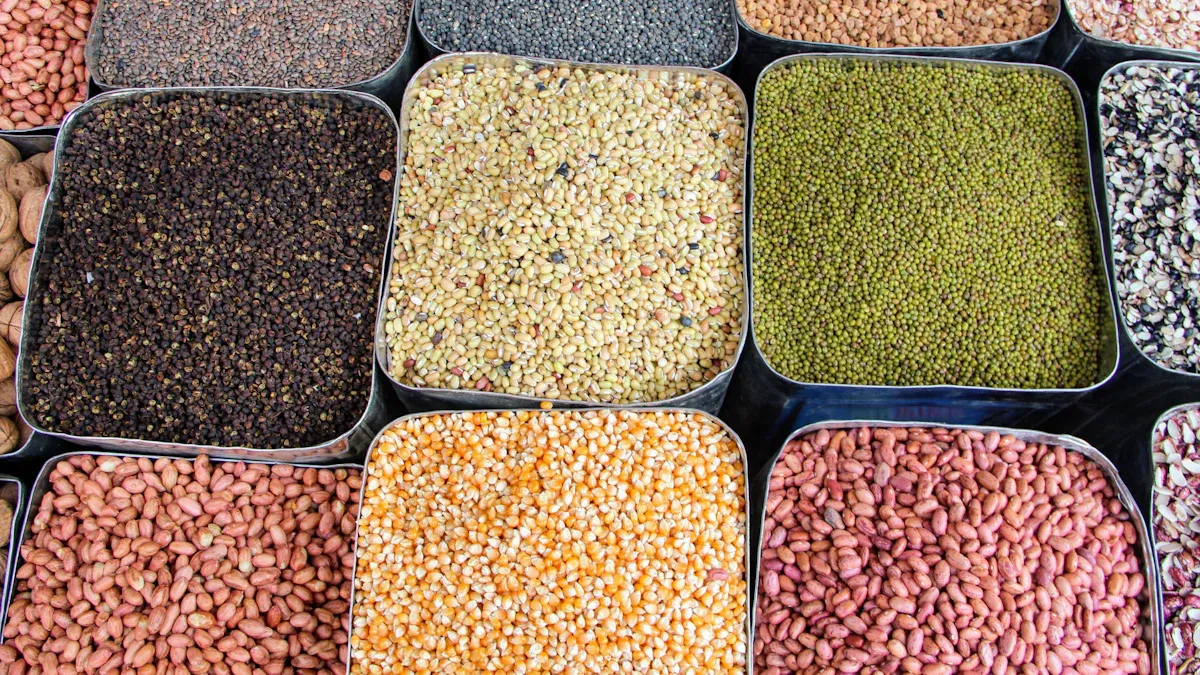
You can find polysaccharides in many foods you eat every day. These foods help you meet your fiber needs and support good nutrition. Learning about the main sources of polysaccharides helps you make better choices for your diet.
Whole Grains
Whole grains are some of the best sources of polysaccharides and fiber. You get both starch and dietary fiber from grains like oats, barley, and brown rice. These grains help you feel full and give you lasting energy. The table below shows the fiber content in common whole grains per 16-gram serving:
Grain | Fiber Content (per 16g serving) |
|---|---|
Barley | 2.8 grams |
Brown Rice | 0.6 grams |
Oats | 1.7 grams |
Eating whole grains at breakfast or as a side dish adds more polysaccharides to your meals.
Legumes and Beans
Legumes and beans are high fiber foods and excellent sources of polysaccharides. You can choose from many types, each with different fiber content:
Kidney beans: 5.7 grams of fiber per ½ cup cooked
Pinto beans: 7.7 grams per serving
Navy beans: 9.5 grams per serving
Adding beans to soups, salads, or rice dishes boosts your intake of polysaccharides and supports your health.
Fruits and Vegetables
Fruits and vegetables give you a wide range of polysaccharides and fiber. You can see the fiber content in some popular choices:
Food Item | Fiber Content (g) | Serving Size |
|---|---|---|
Strawberries | 2 | 1/2 cup sliced |
Apples | 3 to 4 | 1 medium |
Raspberries | 3.3 | 1 cup |
Bananas | 1.1 | 1/2 small |
Avocado | 10 | 1 medium |
Carrots | 2.3 | 1/2 cup cooked |
Beets | 2 | 100 g |
Broccoli | 2.5 | 1/2 cup cooked |
Artichoke | 9.6 | 1 cup cooked |
Brussels sprouts | 6.4 | 1 cup cooked |
Sweet potatoes | 6.4 | 1 cup cooked |
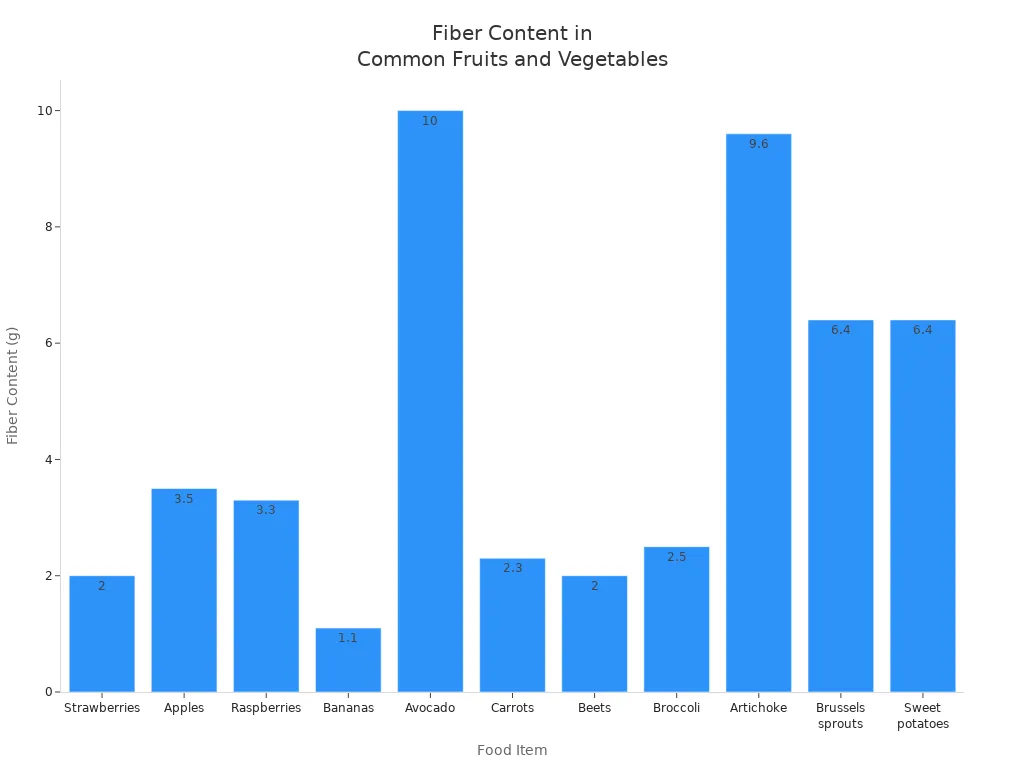
You can snack on fruits or add vegetables to every meal to increase your fiber and polysaccharide intake.
Adding Fiber to Your Diet
You can meet your daily fiber needs by choosing a mix of whole grains, legumes, and fruits and vegetables. Health experts recommend different amounts of fiber based on age and gender:
Age (years) | Dietary Fiber DRI (g/d) |
|---|---|
Children 1-3 | 19 |
Children 4-8 | 25 |
Female 9-13 | 26 |
Female 14-18 | 26 |
Female 19-50 | 25 |
Female 50+ | 21 |
Male 9-13 | 31 |
Male 14-18 | 38 |
Male 19-50 | 38 |
Male 50+ | 30 |
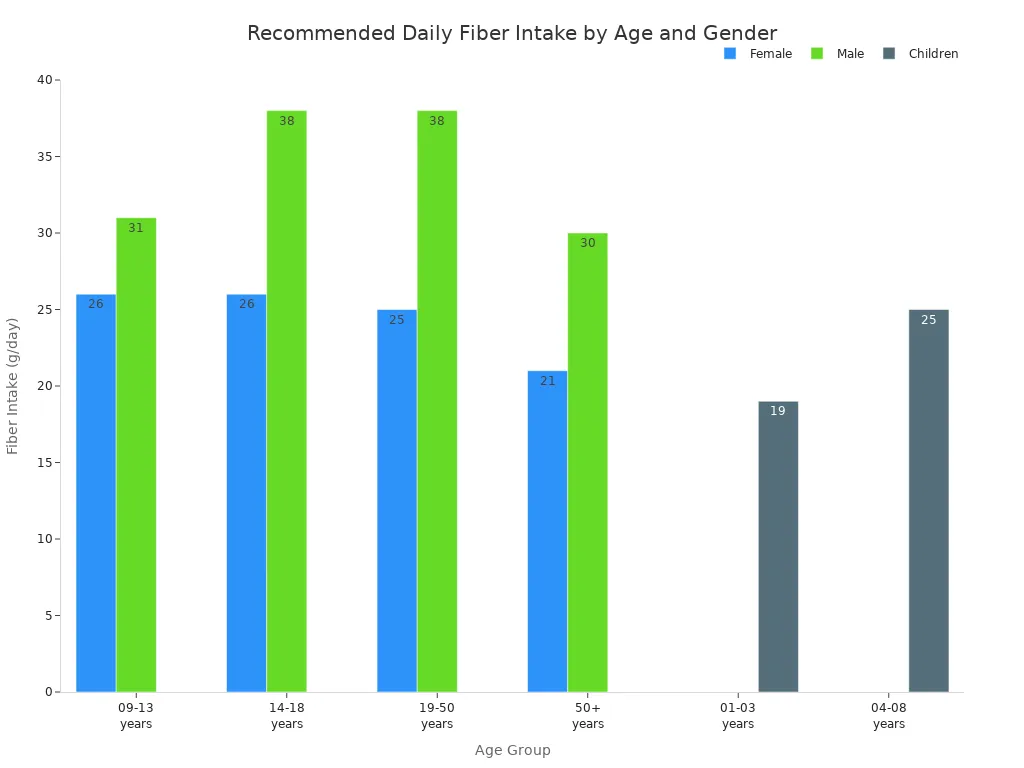
Tip: Start your day with oatmeal, add beans to your lunch, and enjoy a variety of fruits and vegetables at dinner. These simple steps help you reach your fiber goals and enjoy the benefits of polysaccharides.
Polysaccharides give your body energy, support your cells, and help your digestion. You find them in whole grains, beans, fruits, and vegetables. Eating more fiber-rich foods helps you control blood sugar, protect your heart, and manage your weight.
Remember: Choosing foods high in polysaccharides supports your health every day.
Make smart choices at each meal to enjoy the benefits of these important nutrients.
FAQ
What are the main types of polysaccharides you find in food?
You find starch, cellulose, and pectin in many foods. Starch gives you energy. Cellulose and pectin act as fiber. These types come from plants like grains, beans, fruits, and vegetables.
What happens if you do not eat enough polysaccharides?
You may feel tired and hungry more often. Your digestion may slow down. You might also miss out on important fiber that helps your gut and heart stay healthy.
What foods give you the most polysaccharides?
Whole grains, beans, lentils, fruits, and vegetables give you the most polysaccharides. Oats, brown rice, barley, apples, and carrots are great choices for your meals.
What is the difference between soluble and insoluble fiber?
Soluble fiber dissolves in water and forms a gel. It helps control blood sugar and cholesterol. Insoluble fiber does not dissolve. It adds bulk to your stool and helps you stay regular.