

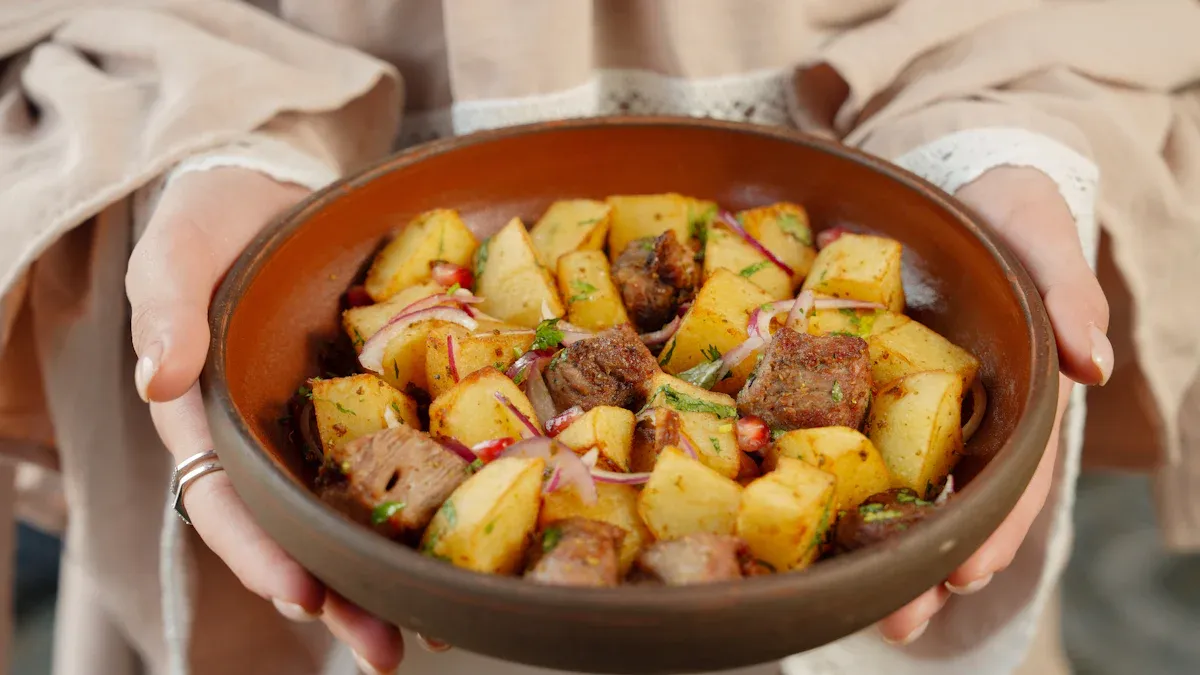
Many people consider potatoes merely a starchy side dish. This common belief about potatoes often overshadows their true value. Are potatoes healthy? The answer is a resounding yes! This article uncovers the facts about potato nutrition, powerful benefits, and versatile uses of potatoes. A potato is more than just a simple carb; it is a nutrient-dense food. Indeed, the humble potato is a truly versatile root vegetable. These potatoes offer many health advantages, proving the potato is a valuable dietary staple. Every potato provides essential nutrients.
Key Takeaways
Potatoes are a healthy food. They have many important vitamins and minerals. These include vitamin C, vitamin B6, and potassium.
Potatoes give you energy. They have complex carbohydrates. These carbs help you feel full for a long time.
Potatoes help your body in many ways. They support digestion, keep blood pressure healthy, and boost your immune system.
Both white and sweet potatoes are good for you. Sweet potatoes have more vitamin A. White potatoes have more potassium and protein.
How you cook potatoes matters. Baking or steaming them is best. This keeps them healthy and full of nutrients.
Potato Nutrition: Key Facts
Potatoes offer a surprising array of nutrients. Many people do not realize the full extent of potato nutrition. A single potato provides many essential vitamins and minerals. This makes the potato a valuable part of a healthy diet.
Here is a quick look at the nutritional content of a typical 5.3-ounce potato:
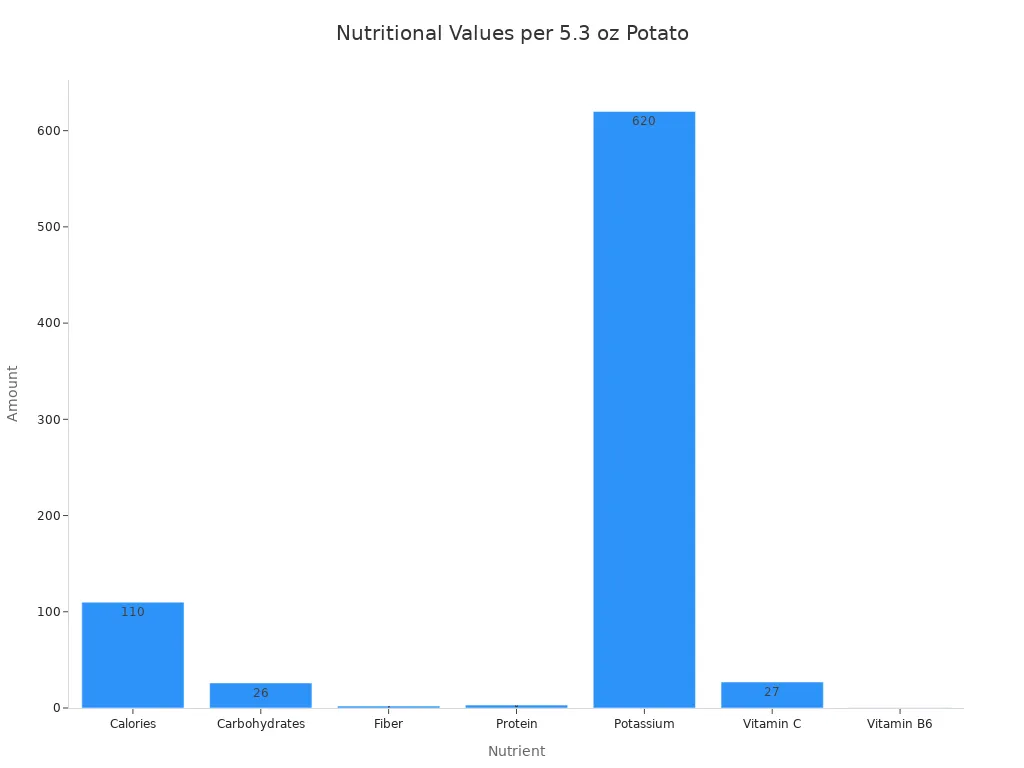
Nutrient | Amount per 5.3 oz potato |
|---|---|
Calories | 110 |
Carbohydrates | 26g |
Fiber | 2g |
Protein | 3g |
Potassium | 620mg |
Vitamin C | 27mg |
Vitamin B6 | 0.2mg |
Potatoes are naturally fat-free, sodium-free, and cholesterol-free. This makes them a healthy choice for many meals.
Macronutrients: Energy & Fiber
Carbohydrates are the main macronutrient in potatoes. They provide the body with energy. These carbohydrates are mostly starch, a complex form of sugar. This starch consists of amylopectin and amylose. They typically appear in a 3:1 ratio. Potatoes are a great source of energy. They provide nutrient-dense complex carbohydrates. These carbohydrates fuel your body throughout the day.
A 5.3-ounce potato contains 26 grams of carbohydrates. It also offers 2 grams of fiber. Fiber is important for digestive health. It helps you feel full. The potato also provides 3 grams of protein. This protein contributes to muscle repair and growth.
Essential Vitamins in Potatoes
Potatoes are an excellent source of vitamin C. A medium potato provides 45% of the Daily Value (DV) for vitamin C. This vitamin helps your immune system. It also aids in skin health. Potatoes also contain vitamin B6. A 5.3-ounce potato offers 0.2 milligrams of vitamin B6. This amount is about 10% of the daily recommended value. Vitamin B6 helps with brain development and function. It also helps the body make hormones. Other essential vitamins in potatoes include folate.
Key Minerals: Potassium & More
Potassium is a vital mineral found in potatoes. A 5.3-ounce potato contains 620 milligrams of potassium. This makes potatoes a good source of potassium. Potassium helps maintain healthy blood pressure. It also supports proper nerve and muscle function. Potatoes also provide magnesium. This mineral is important for bone health and energy production.
Antioxidants & Phytonutrients
Potatoes are a nutritional powerhouse. They contain various antioxidants and phytonutrients. These compounds protect your body’s cells from damage.
Carotenoids: These are plant compounds found in many potato varieties. They include zeaxanthin and lutein. Carotenoids help protect your eyes.
Phenolic Acids: Chlorogenic acid is a major type of phenolic acid in potatoes. It has strong antioxidant activity. It helps protect against diseases like diabetes and cancer. Phenolic acids also guard against tissue damage.
Polyphenols: These micronutrients protect cells from free radicals. They act as antioxidants.
Quercetin: This flavonoid is more common in red and russet potatoes. It has antioxidant and anti-inflammatory properties.
Anthocyanins: These pigments give purple and red potatoes their color. They have strong antioxidant effects. They also show potential anti-cancer activity.
Glycoalkaloids: These compounds, like α-chaconine and α-solanine, act as natural defenses for the potato. They also offer health benefits. These include lowering cholesterol and fighting inflammation. Some even show anti-cancer properties.
Powerful Potato Benefits
Potatoes offer many powerful benefits for your body. These nutritional benefits of potatoes make them a valuable addition to a balanced diet. Understanding these benefits helps you appreciate the role potatoes play in promoting overall health.
Sustained Energy & Satiety
Potatoes are a great source of energy. They provide complex carbohydrates that fuel your body throughout the day. These carbohydrates release slowly, preventing sudden sugar spikes and crashes. This steady release gives you sustained energy. Athletes often rely on potatoes for this long-lasting fuel. For example, a baked Russet potato provides excellent energy for physical activity.
The fiber in potatoes also helps you feel full longer. This feeling of fullness, or satiety, can help manage appetite. Potatoes contribute to reducing the energy density of the diet. This promotes weight loss without affecting appetite. Components like water and dietary fiber add volume to food without adding many calories. A study showed that replacing some meat or fish with potatoes made people feel full.
They also ate fewer calories without trying. Cooked and cooled potatoes contain resistant starch. This starch delays digestion and carbohydrate absorption. It leads to a prolonged feeling of fullness. This resistant starch also acts as a prebiotic. It helps stabilize blood sugar levels. These benefits highlight how potatoes support your energy needs and help with satiety.
Digestive Health & Gut Support
Potatoes significantly improve digestive health. The fiber in potatoes, especially resistant starch, acts as a prebiotic. It nourishes beneficial gut bacteria. This supports a balanced gut microbiome. A healthy gut microbiome is crucial for good digestion and nutrient absorption. Fiber also adds bulk to stool. This promotes regular bowel movements. Potato consumption can change gut microbiota composition. It can increase butyrate-producing bacteria. Butyrate is a fatty acid that supports gut health. Potatoes also contain anti-inflammatory compounds. Nutrients like vitamin C and potassium help heal gut tissue. These elements work together to improve digestive health.
Blood Pressure Support
Potassium in potatoes plays a key role in blood pressure regulation. A 5.3-ounce potato contains 620 milligrams of potassium. This mineral helps balance sodium levels in the body. This balance is essential for maintaining healthy blood pressure. Some studies show specific benefits. For instance, consuming purple potatoes can significantly reduce blood pressure. Researchers suggest phytochemicals in potatoes contribute to this effect. These compounds act similarly to ACE-inhibitors. Microwaving potatoes best preserves these beneficial compounds.
However, the way you prepare potatoes matters. Higher long-term intake of baked, boiled, or mashed potatoes was associated with an increased risk of hypertension in women. This was independent of other dietary factors. Increased consumption of French fries was also linked to incident hypertension. This association may be due to the high glycemic load of potatoes.
This can lead to post-meal high blood sugar. It can also cause endothelial dysfunction, oxidative stress, and inflammation. These factors contribute to hypertension development and cardiovascular disease. Yet, other research shows including baked or boiled potatoes in a typical American diet reduced sodium retention. It also led to a greater reduction in systolic blood pressure. This suggests the potassium-to-sodium ratio within the potato is crucial. It helps prevent cardiovascular disease.
Immune System Health
Potatoes are rich in nutrients that support a strong immune system. They contain a significant amount of vitamin C. A medium potato provides 45% of the Daily Value for vitamin C. This vitamin protects immune cells from damage. It is also essential for collagen synthesis. Collagen forms a primary barrier against pathogens. Potatoes also provide vitamin B6. Vitamin B6 helps immune cells multiply effectively. This allows them to defend against foreign pathogens. Iron is another vital mineral in potatoes. It is necessary for immune system operation. Potatoes’ vitamin C content enhances iron absorption from plant foods. Polyphenols and anthocyanins, especially in colored potatoes, act as antioxidants. They may improve immune function. Dietary fiber in potatoes also contributes to a healthier gut microbiome. This indirectly supports immune health and helps prevent cardiovascular disease.
Bone & Muscle Health
Potatoes contribute to strong bones and healthy muscles. They contain potassium, which is vital for muscle function. Potassium helps with muscle contractions and nerve signals. Magnesium, another mineral in potatoes, is important for bone health. It helps regulate calcium and vitamin D levels. These are crucial for bone density. Potatoes also provide protein. Protein is essential for muscle repair and growth. The combination of these nutrients helps maintain overall bone and muscle integrity. This supports your physical well-being and contributes to potatoes and your health.
White vs. Sweet Potatoes: A Nutritional Look
Calorie & Carb Comparison
Many people wonder about the nutritional differences between white and sweet potatoes. Both types of potatoes offer valuable nutrients and energy. Let’s compare their calorie and carbohydrate content.
Nutrition per 100 grams | Sweet Potato | White Potato |
|---|---|---|
Calories | 86 calories | 77 calories |
Carbohydrates | 20.1 grams | 17.5 grams |
Sweet potatoes contain slightly more calories and carbohydrates than white potatoes. A 100-gram serving of sweet potatoes has 86 calories and 20.1 grams of carbohydrates. White potatoes have 77 calories and 17.5 grams of carbohydrates. Both regular and sweet potatoes are comparable in their calorie and carb content. Each potato provides essential energy.
Vitamin & Mineral Differences
Both white and sweet potatoes are rich in fiber, carbohydrates, and potassium. They also provide similar amounts of vitamin B6 and vitamin C. However, some key differences exist.
Nutrient | White Potatoes | Sweet Potatoes |
|---|---|---|
Beta Carotene | Low/Absent | High |
Vitamin A | Low/Absent | High (from Beta Carotene conversion) |
Sweet potatoes contain high levels of beta-carotene. The body converts beta-carotene into significant levels of vitamin A. This makes sweet potatoes a slightly better option for vitamin A. White potatoes, however, contain more potassium, magnesium, and protein. Both types of potatoes are healthy and nutritious.
Understanding Glycemic Index
The glycemic index (GI) measures how quickly a food raises blood sugar. Potatoes often receive criticism for their high GI. However, many factors influence a potato’s impact on blood sugar. These include cooking method, portion size, and accompanying foods. Pairing potatoes with protein, fiber, and healthy fats can help manage blood sugar levels. Keeping the skin on a potato also helps.
This approach can improve blood sugar control. It is important for individuals managing diabetes or at risk for type 2 diabetes. People with type 2 diabetes can include potatoes in their diet. They just need to consider preparation and portion size. This helps prevent spikes in blood sugar. Understanding these impacts on blood sugar is crucial for managing diabetes. Potatoes can fit into a diet for diabetes management. This helps individuals with diabetes maintain stable blood sugar.
Debunking Potato Myths
Many myths surround potatoes and their nutritional value. One myth suggests potatoes are fattening. Potatoes are not inherently fattening when consumed in moderation. Another myth claims potatoes lack nutritional value. This is false. Potatoes are a good source of vitamins, minerals, and antioxidants.
Some people believe sweet potatoes are significantly more nutritious than white potatoes. While sweet potatoes are rich in beta-carotene and vitamin A, white potatoes offer comparable amounts of vitamin C, vitamin B6, and iron. White potatoes also contain more potassium, magnesium, and protein. They are lower in sugar. Both types are nutritious.
Another myth states that potatoes spike blood sugar. While potatoes have a high glycemic index, their overall impact on blood sugar depends on several factors. These include cooking method, portion size, and accompanying foods. This is especially important for people with diabetes or those at risk for type 2 diabetes. This can improve blood sugar control. For individuals with type 2 diabetes, careful meal planning is key. They can still enjoy potatoes. This helps manage their diabetes effectively.
Healthy Potato Preparation & Uses
Potatoes are low in calories, fat, and cholesterol. This is especially true when people prepare them healthily. The way people cook a potato greatly affects its nutritional value.
Best Cooking Methods
Choosing the right cooking method helps keep potatoes healthy. Baking is a top choice. People should bake a potato with its skin on. This preserves nutrients and keeps calories low because it uses no oil. Steaming is another healthy method. It keeps the potato’s flavor.
After steaming, people can add extra-virgin olive oil and fresh herbs. Air frying makes crispy potatoes with little oil. This reduces calories and fat. It also lowers the amount of acrylamide, a harmful compound. Boiling is often the healthiest method. It uses no fat during cooking. Boiling potatoes with their skins on reduces nutrient loss. People should avoid overcooking them. For mashed potatoes, use Russets or Yukon Golds. Replace cream and butter with Greek yogurt or cottage cheese. This lowers fat and calories. Always keep the skin on a potato. Most of its nutrition is in the skin.
Healthy Recipe Ideas
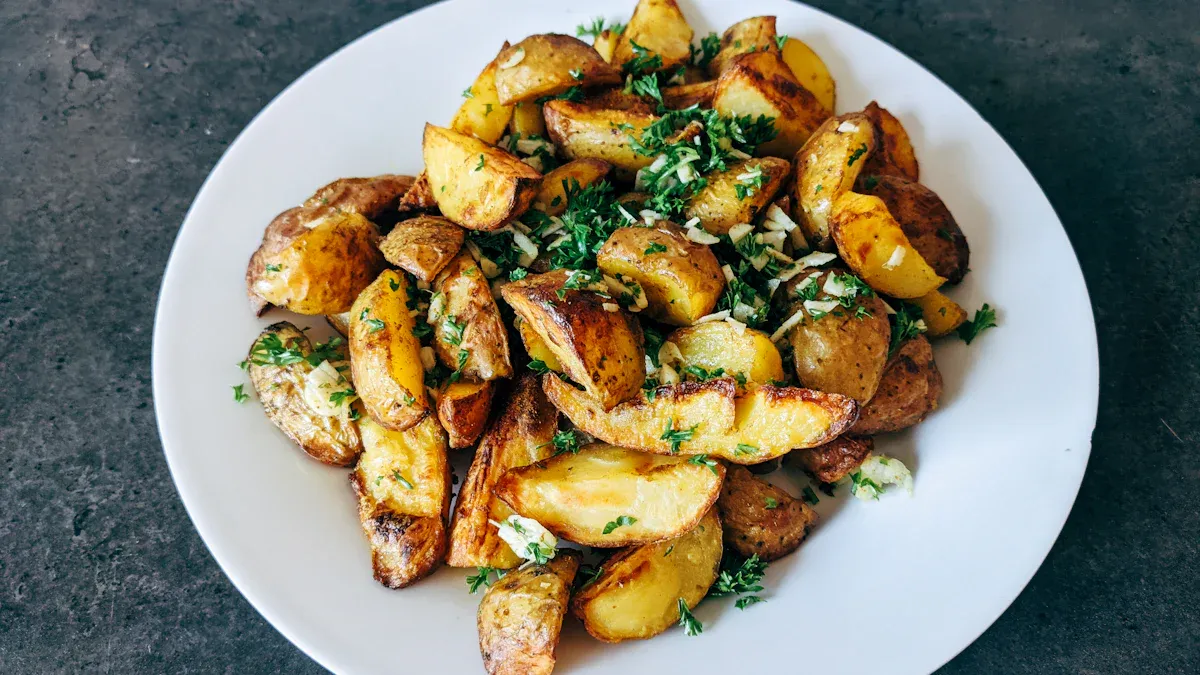
Many delicious and healthy recipes use potatoes. Healthy Roasted Garlic Baby Potatoes are simple to make. They use garlic, olive oil, salt, pepper, and fresh herbs. People bake them until they are crisp. This recipe is heart-smart and budget-friendly. Dill Potato Salad is another healthy side dish. Greek Yogurt Mashed Potatoes offer a healthier twist on a classic. People can add herbs like rosemary or thyme. Spices like paprika or cayenne also work well. Lemon juice gives a Greek-style flavor. Leftover roasted potatoes can become a breakfast hash. They also work well in soups or omelets.
Smart Toppings & Pairings
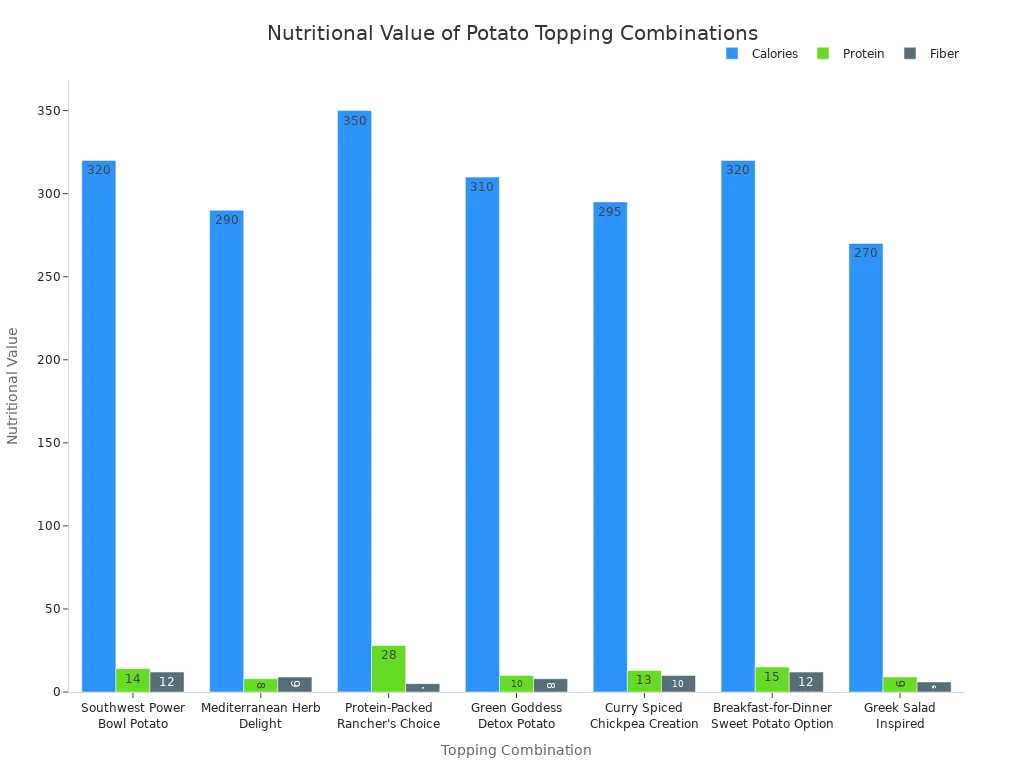
Smart toppings and pairings boost a potato’s nutrition. Registered dietitians suggest adding lean protein, colorful vegetables, and healthy fats. Eating the potato skin provides fiber and nutrients. Pair vitamin C-rich toppings, like tomatoes, with iron-rich ones, like beans. This helps the body absorb iron better. Add healthy fats last to protect heat-sensitive nutrients. Let potatoes cool slightly before adding toppings. This helps preserve resistant starch. Use herbs instead of salt for flavor and beneficial plant compounds.
Topping Combination | Key Ingredients | Nutrition (Calories, Protein, Fiber) |
|---|---|---|
Southwest Power Bowl Potato | Black beans, avocado, salsa, Greek yogurt, cilantro, lime | 320 calories, 14g protein, 12g fiber |
Mediterranean Herb Delight | Hummus, cucumber, cherry tomatoes, Kalamata olives, dill, lemon juice | 290 calories, 8g protein, 9g fiber |
Protein-Packed Rancher’s Choice | Grilled chicken, light ranch dressing, corn, green onions | 350 calories, 28g protein, 5g fiber |
Green Goddess Detox Potato | Pesto (with walnuts), steamed broccoli, pumpkin seeds, lemon zest | 310 calories, 10g protein, 8g fiber |
Curry Spiced Chickpea Creation | Curried chickpeas, plain Greek yogurt, cilantro, turmeric | 295 calories, 13g protein, 10g fiber |
Breakfast-for-Dinner Sweet Potato Option | Poached egg, avocado, everything bagel seasoning, microgreens | 320 calories, 15g protein, 12g fiber |
Greek Salad Inspired | Cucumber, cherry tomatoes, Kalamata olives, feta cheese, red wine vinegar, oregano | 270 calories, 9g protein, 6g fiber |
Portion Control & Balance
Portion control is important for a balanced diet. A medium potato is a good serving size. Different countries have different recommendations for potato consumption.
Country | Portion size |
|---|---|
Ireland | 2 medium or 4 small potatoes |
Greece | 120-150 g (1 medium potato) |
Spain | 150-200 g. Example: a large potato or two small ones. |
Italy | 2 small potatoes (200g) |
Cyprus | 90 g |
Latvia | A medium-sized potato |
Luxembourg | A portion is equivalent to the amount represented by one hand, i.e. 2 handfuls of potatoes |
Malta | 80 g potato |
Netherlands | Medium potato: 70 g |
Austria | 1 portion of potatoes is the size of 2 fists |
Portugal | 1.5 medium-sized potatoes (125 g). |
Romania | Max. 3 potatoes/week. |
Switzerland | 1 portion corresponds to 200-300 grams of potatoes |
Germany | 250 g |
Estonia | 100 g boiled potatoes, 70 g boiled sweet potato, 100 g mashed potatoes, 100 g french fries, 100 g oven french fries, 100 g potatoes (fried in pan or baked potatoes) (low fat). 1 portion ≈ 75 kcal. |
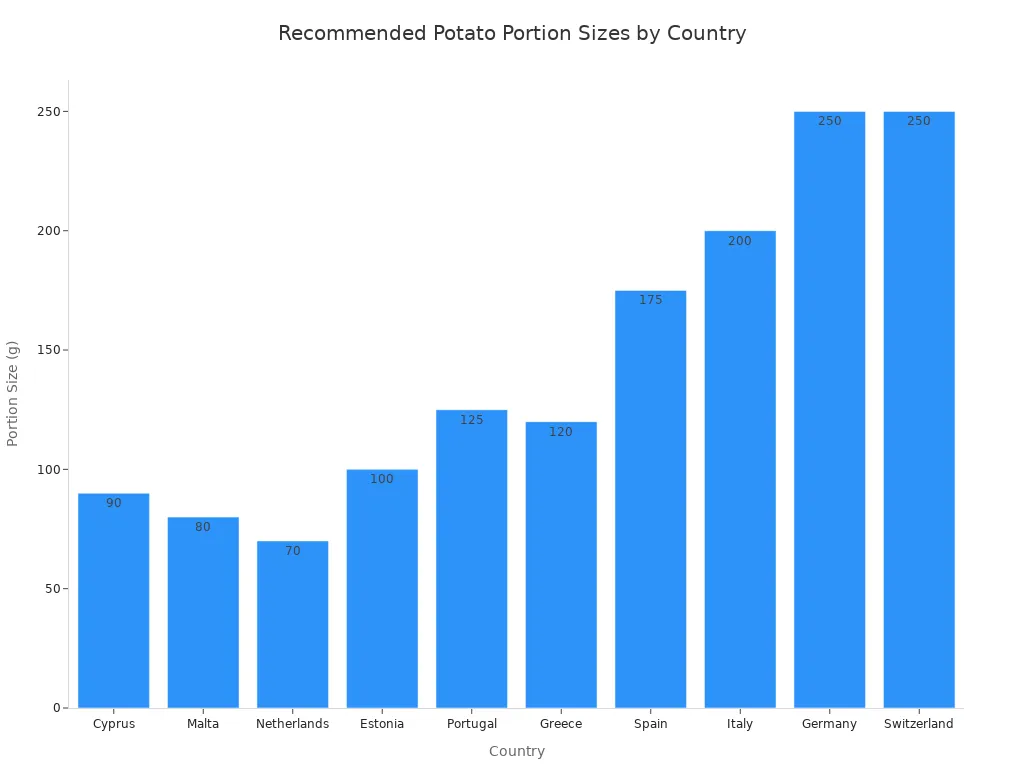
For example, Ireland suggests 2 medium potatoes. Greece recommends 120-150 grams. This shows that a potato can fit into many healthy eating patterns. Including potatoes in your diet offers many benefits. Thoughtful potato consumption helps maintain good health.
Potatoes are a nutritional powerhouse, delivering essential vitamins, minerals, and fiber. This excellent potato nutrition supports body functions. A potato provides sustained energy. Potatoes also aid digestion, regulate blood pressure, and boost immunity.
They contribute to strong bones and muscles. A potato is truly a versatile and beneficial food. When prepared healthily, this potato enhances any meal. They contribute positively to potatoes and your health. Readers should re-evaluate their view of this humble potato. Debunk common myths about the potato. Incorporate potatoes into a balanced diet. Choose potatoes wisely for optimal well-being. Make informed food choices about every potato. Embrace the value of these amazing potatoes.
FAQ
Are potatoes good for weight loss?
Potatoes are low in calories and fat when people prepare them healthily. Their fiber content helps people feel full longer. This satiety can support weight management. Healthy potato consumption contributes to a balanced diet.
Can people with diabetes eat potatoes?
Yes, people with diabetes can eat potatoes. They should consider preparation methods and portion sizes. Pairing potatoes with protein and fiber helps manage blood sugar. This approach allows individuals with diabetes to include potatoes in their diet. Managing diabetes involves careful food choices.
Do potatoes provide good energy?
Potatoes offer complex carbohydrates. These carbohydrates provide sustained energy for the body. This makes potatoes an excellent food source for fueling daily activities.
Is it better to eat white or sweet potatoes?
Both white and sweet potatoes are nutritious. Sweet potatoes have more vitamin A. White potatoes offer more potassium and protein. Both types of potatoes contribute to a healthy diet.