


Do you seek gourmet seafood that also nourishes your body? Scallops offer a perfect solution. Consumers increasingly look for high-quality seafood with clear nutritional value, and scallops deliver. These delicate morsels are a true nutritional powerhouse. They provide excellent protein and remain low in fat. This blog explores scallops nutrition, the many health benefits of scallops, and important considerations for enjoying these delicious scallops in your diet.
Key Takeaways
Scallops are a healthy food choice. They have a lot of protein and very little fat. This helps you feel full and supports muscle growth.
Scallops give you important vitamins and minerals. These include Vitamin B12, selenium, and zinc. These help your brain, heart, and immune system work well.
Eating scallops can help your heart and brain. They have good fats called omega-3s. These fats keep your heart healthy and improve how your brain works.
Scallops are good for managing your weight. They are low in calories and high in protein. This helps you feel full and can help you lose weight.
Always buy scallops from good sources. This helps protect the ocean. If you have allergies or gout, talk to your doctor before eating scallops.
Scallops Nutrition Profile

You want to understand what makes scallops a healthy choice. This section details the specific nutritional content of scallops. It covers their macronutrients and key micronutrients. Scallops are truly a nutrient-rich food. Many consider them one of the healthiest seafoods available. They offer an impressive scallops nutrition profile.
Key Scallop Nutrition Facts
Scallops are a powerhouse of essential nutrients. They are rich in protein and low in fat. This combination helps you feel full for longer. A typical serving of scallops provides a significant amount of protein with very few calories. This makes them an excellent addition to your diet.
Protein Content
Scallops are famous for their high protein content. They provide a high quality protein source. This protein is essential for building and repairing your body’s tissues. It also supports muscle growth. Raw scallops contain 12 grams of protein per 100 grams. This amount gives you 24% of the daily recommended value for protein. A larger serving, like 4 to 5 ounces, can easily provide 20-25 grams of protein. This makes scallops a fantastic option for meeting your daily protein needs.
Low-Fat Nature
You will find scallops are naturally low in fat. This makes them a heart-healthy choice. A 100-gram serving of raw scallops contains less than a gram of total fat.
Total Fat: 0.76g
Saturated Fat: 0.079g
Polyunsaturated Fat: 0.261g
Monounsaturated Fat: 0.037g
This minimal fat content contributes to the overall healthy scallops nutrition profile.
Calorie Count
Scallops are also low in calories. This makes them ideal if you manage your weight. The calorie count can vary slightly based on how you prepare them.
Type of Scallops | Serving Size | Calories |
|---|---|---|
Steamed Scallops | 3 oz (85g) | 94 |
Type of Scallops | Serving Size | Calories |
|---|---|---|
Seared Scallops | 4 ounce | 100 |
Type of Scallops | Serving Size | Calories |
|---|---|---|
Raw Scallops | 170g | 110 |
These scallop nutrition facts show you can enjoy a satisfying meal without consuming many calories.
Carbohydrates
Scallops contain a very small amount of carbohydrates. This makes them suitable for low-carb diets.
Nutrient | Value per 100g |
|---|---|
Carbs | 5.4g |
Total Carbohydrate | 5.4g |
Another analysis shows:
Nutrient | Value per 200g | Value per 100g (calculated) |
|---|---|---|
Carbohydrate | 8.6g | 4.3g |
This low carbohydrate content further enhances the appeal of scallops for various dietary plans.
Essential Vitamins and Minerals
Scallops offer more than just protein. They also provide vital trace minerals and vitamins. These nutrients play specific roles in keeping your body healthy.
Vitamin B12 Benefits
Scallops are rich in vitamin B12. This vitamin is crucial for your health. A 3oz serving of scallops provides 76% of your Daily Value (DV) for vitamin B12.
Vitamin | Quantity |
|---|---|
Vitamin A | 1μg |
Vitamin B12 | 1μg |
Vitamin D IU | 1IU |
Vitamin D3 | 0μg |
Vitamin B12 helps maintain healthy nerves. It also ensures you have steady energy levels. This vitamin supports healthy cognitive function. It helps reduce homocysteine levels. High homocysteine can damage blood vessels. This damage could lead to a stroke.
Selenium Benefits
You get selenium, an essential trace mineral, from scallops. Selenium acts as a powerful antioxidant. It helps reduce cancer risk. This mineral is vital for proper thyroid function. It also supports a healthy immune system. Selenium helps detoxify mercury. It binds to mercury, forming a substance your body removes.
Zinc Benefits
Scallops contain zinc. This immune-enhancing mineral boosts your body’s defenses. Zinc helps fight against bacteria and viruses. It can also ease common cold symptoms. It does this by reducing inflammation and stopping viral replication.
Magnesium Benefits
You will find magnesium in scallops. This mineral helps soothe tired muscles. It reduces muscle cramps. Magnesium aids in repairing muscle tissue. It supports muscle relaxation. Regular consumption of scallops can improve athletic performance.
Phosphorus Benefits
Scallops provide phosphorus. This mineral is a key part of your bones and teeth. It gives them strength and structure. Phosphorus also helps regulate other minerals like calcium. It is necessary for producing and storing energy in your body.
Omega-3 Fatty Acids
Scallops also contain beneficial omega-3 fatty acids. These healthy fats are important for many body functions. They contribute to overall health.
Health Benefits of Scallops
You gain many health advantages when you eat scallops. These benefits come from their rich nutritional components. Scallops are a rich, lean, protein-packed seafood. They promote heart health and brain health. You will find scallops an excellent choice for your overall well-being.
Heart Health Support
Scallops offer significant support for your heart health. They contain beneficial omega-3 fatty acids. These fats help regulate your heartbeat. They also balance cholesterol levels. This reduces your risk of heart disease. A scientific study found that eating cod and scallops significantly reduces plaque buildup in arteries. This suggests a potential cardiovascular benefit. The high magnesium content in scallops also helps your heart. Magnesium relaxes blood vessels. It lowers blood pressure. It improves circulation. One study showed people with low magnesium levels had a 54% greater risk of dying from heart disease. The fatty acids in scallops improve blood flow. They reduce clots. This can prevent strokes. Research shows eating fish rich in omega-3 fatty acids two to four times a week can lower stroke risk by up to 48%. Scallops also contain Vitamin B12. This vitamin reduces homocysteine levels. High homocysteine can damage blood vessels. This damage can lead to a stroke. Scallops are low in cholesterol and saturated fats. This means they do not increase your cholesterol levels. Incorporating scallops into your diet can improve blood cholesterol levels. It reduces the risk of heart disease, plaque buildup, and blood clot formation. You can enjoy these health benefits and reduce lifestyle-disease risk.
Brain Function
Scallops also support your brain function. They contain omega-3 fatty acids, especially DHA. These are essential for your brain cell structure and function. They enhance cognitive performance. They reduce brain inflammation. Vitamin B12 in scallops maintains the myelin sheath. This is crucial for good communication between brain cells. Choline is also present. It is important for proper brain development. It helps produce acetylcholine. This neurotransmitter is vital for memory, mood, and nerve signaling. A pilot study showed that Hokkaido Scallop Oil Plasmalogen (HSOP) may help older adults with cognitive issues. It improved cognitive function and depressive symptoms. This suggests HSOP could be a natural option for age-associated memory problems. Plasmalogens are abundant in the brain. They protect cell membranes. A study in Japan used plasmalogen-rich scallop oil. It showed significant improvement in cognitive function for people with Alzheimer’s disease, mild cognitive impairment, and Parkinson’s disease. Research links increased consumption of shellfish, including scallops, to a reduced risk of cognitive decline. It also links it to lower mortality related to Alzheimer’s disease. Scallop-derived plasmalogens enhanced memory and learning in mice. They increased BDNF expression. This regulates neural development. They also activated memory-related proteins.
Weight Management
Scallops are an excellent food choice for managing your weight. They are low in calories and rich in protein. This combination helps you feel full for longer. This may aid in weight loss. Dietary scallop protein has been shown to prevent high-fat, high-sucrose-induced obesity. It maintains lean body mass. It improves plasma lipid profiles. Scallop-fed mice gained less body and fat mass than mice on other protein diets. They also showed reduced energy intake. Scallops are rich in taurine and glycine. These compounds negatively correlate with body mass gain and total fat mass. They positively correlate with improved plasma lipid profiles. The high taurine content in scallop protein contributes to reduced energy intake. It enhances the feeling of fullness. Scallops are an excellent food choice for losing body fat and increasing muscle mass. This is due to their impressive nutritional profile.
Immune Support
You can boost your immune system with scallops. They contain zinc. This mineral enhances your body’s defenses. Zinc helps fight against bacteria and viruses. It can also ease common cold symptoms. It reduces inflammation. It stops viral replication. Scallops also provide selenium. This antioxidant supports a healthy immune system.
Bone Health
Scallops contribute to strong bones. Zinc plays a crucial role in bone health. It reduces the activity of cells that cause bone loss. It stimulates cells that build new bone. Scallops are a good source of zinc. Phosphorus is another mineral in scallops. It is essential for maintaining bone density and strength. It works with calcium to build strong bones and teeth. Scallops are rich in phosphorus.
Thyroid Health
Scallops support healthy thyroid function. They provide a good amount of selenium. This antioxidant plays a role in supporting your thyroid. Scallops are rich in both selenium and iodine. These nutrients are vital for proper thyroid function. Adequate intake of selenium promotes proper thyroid function.
Enjoying Scallops in Your Diet

You can easily incorporate scallops into your meals. They offer versatility and delicious flavor. You will find many ways to prepare them. You can also pair them with other healthy foods. Always consider sustainable sourcing when you buy scallops.
Cooking Methods
You can prepare scallops in many healthy ways. Choose cooking methods that avoid adding excess fat. For example, you can steam your scallops. Baking is another excellent option. Grilling gives scallops a smoky flavor. Broiling also works well. These methods help preserve the natural goodness of scallops. You will enjoy the delicate taste of wild maine scallops. These methods highlight the natural sweetness of wild maine scallops. You can quickly cook wild maine scallops this way.
Healthy Pairings
Pairing scallops with certain foods enhances their nutritional benefits. Consider these combinations:
Turmeric and Black Pepper: Marinate your scallops with turmeric and black pepper. This boosts curcumin absorption. You get anti-inflammatory benefits.
Nutritional Yeast: Sprinkle nutritional yeast on cooked scallops. This adds B vitamins. It complements the high Vitamin B12 in scallops. You get more energy and nerve health support.
Seaweed: Combine scallops with seaweed salad. This enriches the meal’s mineral profile. You add iodine and other trace minerals.
Lentils: Serve scallops with lentils. This creates a powerful combination. You get lean protein and fiber. This promotes fullness and stable blood sugar.
Sweet Potatoes: Pair scallops with roasted sweet potatoes. You get protein for muscle repair from the scallops. You also get complex carbohydrates for energy. Sweet potatoes provide potassium for electrolyte balance.
Cucumber: Add cucumber to a scallop ceviche. This provides hydration. You can enjoy wild maine scallops in a refreshing dish.
Sustainable Sourcing
You should choose sustainably sourced scallops. This helps protect marine ecosystems. Look for specific labels when you buy scallops. The Marine Stewardship Council (MSC) label indicates sustainably sourced scallops. For example, MSC-labelled scallops from the Clearwater brand come from the Eastern Canada offshore scallop fishery. Other certifications also show sustainable practices. These include:
Aquaculture Stewardship Council (ASC)
Global Aquaculture Alliance Best Aquaculture Practice (GAA BAP)
GlobalG.A.P. (GG)
Friend of the Sea (FoS)
These labels help you make responsible choices. You can enjoy your wild maine scallops knowing they come from well-managed sources. Always ask your fishmonger about the origin of their wild maine scallops. This ensures you support sustainable fishing practices for wild maine scallops.
Considerations for Consumption
You should understand certain factors before you enjoy scallops. These considerations help you make informed dietary choices.
Shellfish Allergies
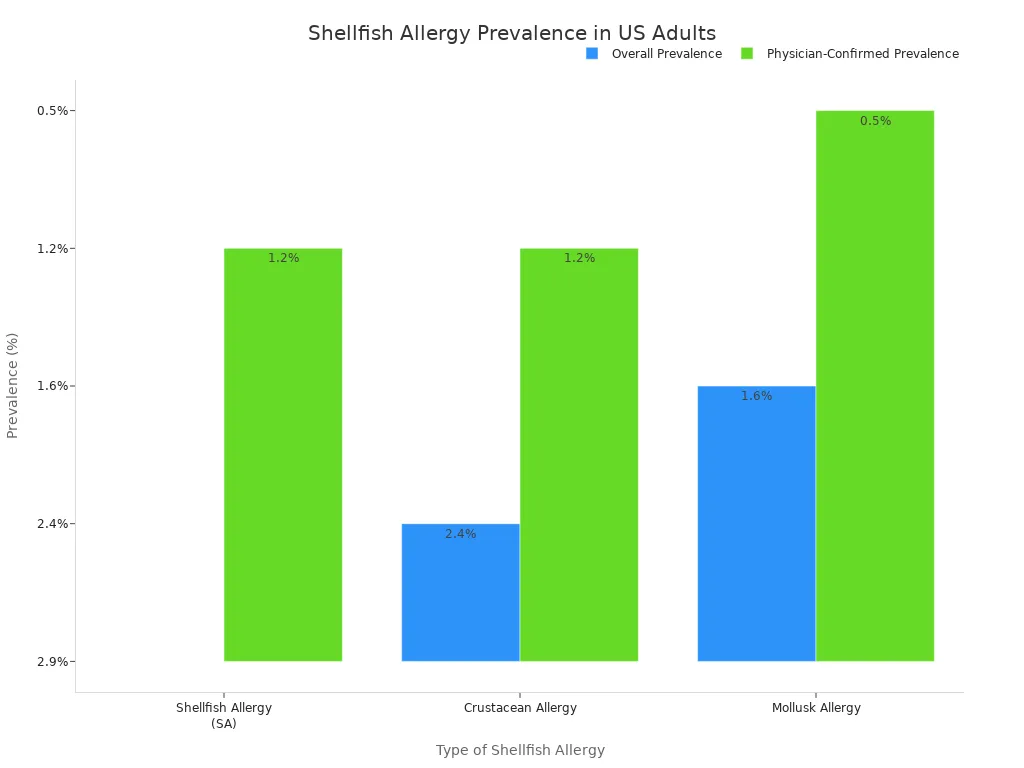
You need to know about potential allergies. Shellfish allergies are common. They can cause serious reactions. Self-reported shellfish allergy ranges from 0.5% to 2.5% in the general population. Food-challenge confirmed allergy is lower, from 0% to 0.9%. In US adults, 2.9% report a shellfish allergy. Physicians confirm 1.2% of these cases. Crustacean allergies are 2.4% overall, 1.2% confirmed. Mollusk allergies are 1.6% overall, 0.5% confirmed. You can see the breakdown here:
If you have a shellfish allergy, avoid scallops. This includes wild maine scallops. Always check food labels. Even small amounts of wild maine scallops can trigger a reaction.
Heavy Metal Concerns
You might worry about heavy metals in seafood. Scallops can contain trace amounts of metals like cadmium. Levels vary by region. For example, scallops from Central Italy show an average cadmium level of 0.117 mg/kg. Scallops from Haikou, China, can have cadmium levels from non-detectable up to 4.79 mg/kg. Some areas show higher concerns. In the Bohai Sea and Yellow Sea, 96% of scallop samples exceeded cadmium limits. Cadmium bioaccumulates significantly in scallops. This means scallops absorb and store it. You should choose scallops from reputable sources. This helps ensure lower heavy metal exposure. Enjoying wild maine scallops from well-managed fisheries is a good choice. These wild maine scallops often come from cleaner waters.
Purine Content
You should also consider purine content. Scallops are a significant source of purines. Your body breaks down purines into uric acid. High uric acid levels can cause gout. If you have gout, scallops are among the “worst offenders.” Consuming scallops can elevate your uric acid levels. This can worsen your gout symptoms. You should limit your intake of wild maine scallops if you have gout. Even a small serving of wild maine scallops can impact uric acid levels. Talk to your doctor about your diet.
Food Safety
You must handle scallops safely. Always buy fresh scallops from trusted suppliers. Keep them refrigerated. Cook scallops thoroughly. This kills harmful bacteria. You can cook wild maine scallops until they are opaque. This ensures they are safe to eat. Proper food handling prevents illness.
In conclusion, scallops offer excellent scallops nutrition. They are a highly nutritious, protein-rich, and low-fat seafood option. You gain significant health benefits, including improved heart health, brain function, immune support, and stronger bones. These benefits reinforce their value as a lean protein source. Always consume mindfully and choose sustainably sourced scallops. Incorporate this delicious and nutritious seafood into your diet for its unique nutritional advantages. Enjoy the great taste and superior scallops nutrition provides.
FAQ
Are scallops good for weight loss?
Yes, scallops are excellent for weight loss. They are low in calories and high in protein. This combination helps you feel full longer. It reduces overall food intake. Scallops also help maintain lean muscle mass.
Can you eat scallops if you have allergies?
You should avoid scallops if you have a shellfish allergy. Shellfish allergies are common. They can cause serious reactions. Always check food labels carefully. Consult your doctor if you are unsure.
What makes scallops a healthy protein?
Scallops provide high-quality protein. This protein is essential for muscle repair and growth. They are also very low in fat. Scallops offer many essential vitamins and minerals. These include B12, selenium, and zinc.
Do scallops contain mercury?
Scallops generally have very low levels of mercury. They are a safe seafood choice. You can enjoy them regularly. This is especially true compared to larger predatory fish. Choose scallops from reputable sources.