

Sea moss is quickly becoming a star in the world of superfoods. This marine vegetable is gaining massive popularity. The global sea moss market was an estimated $2.63 billion in 2024. Experts predict it will grow significantly, reaching $3.92 billion by 2029. You might know it as Irish moss or irish sea moss (Chondrus crispus). This Irish moss provides amazing nutrition. It is also a vegan and gluten-free source of nutrients. This guide will give you all the sea moss benefits, nutrition, and usage details. You will learn what sea moss is, what it offers, and how you can safely make it part of your health supplements routine. Discover the many benefits this powerful marine plant provides.
Key Takeaways
Sea moss is a superfood. It offers many vitamins and minerals.
Iodine in sea moss helps your thyroid. Too much iodine can be harmful.
Sea moss has fiber. This fiber helps your gut health and digestion.
You can use sea moss for skin and hair. It helps with moisture.
Always clean and soak sea moss. Then, blend it into a gel.
Start with a small amount of sea moss. Increase it slowly.
Check for heavy metals in sea moss. Buy from trusted sources.
Talk to a doctor before using sea moss. This is important if you have health issues or take medicine.
What is Sea Moss?
Definition and Origin
Irish Moss (Chondrus Crispus)
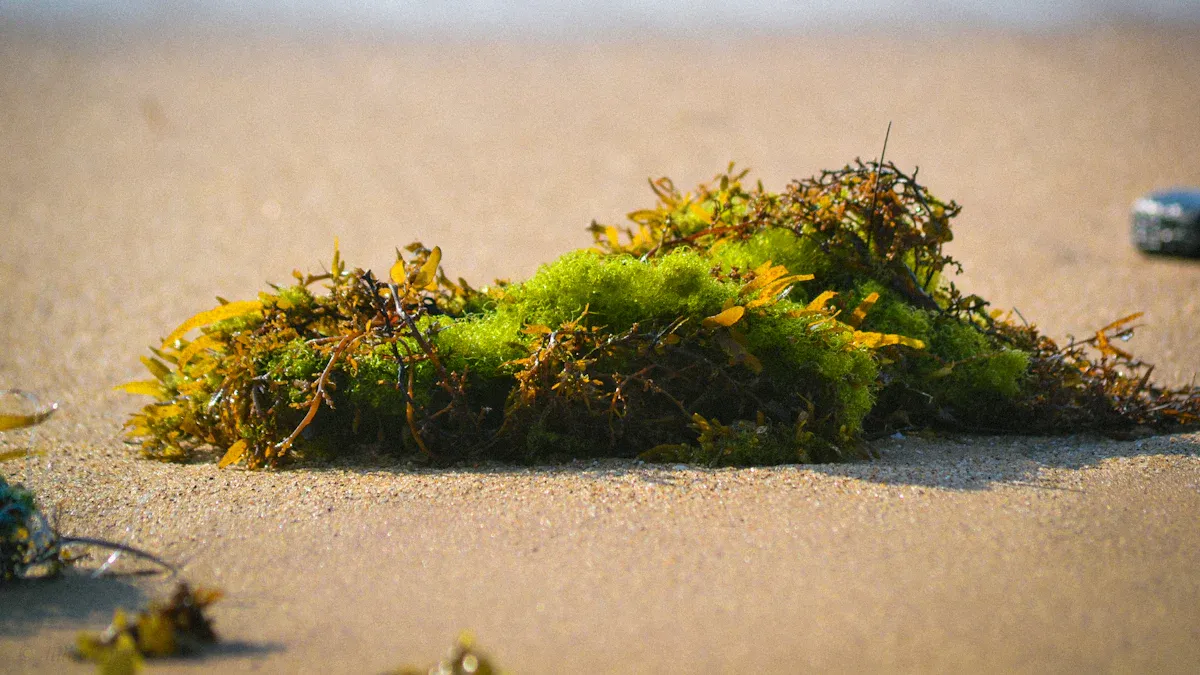
You might wonder what exactly sea moss is. It is a type of marine algae. Specifically, Irish moss (Chondrus crispus) is a red seaweed. It belongs to the Gigartinaceae family. This particular sea moss grows naturally along the rocky Atlantic coasts. You can find it in the British Isles, continental Europe, and North America. Its range extends from Labrador down to New Jersey. You also find it from northern Russia to southern Spain. It even grows in the western Baltic and around Iceland. This wide distribution shows its resilience.
Historical Use
People have used sea moss for a long time. In Ireland, it is known as carrageen moss. It became a vital food source during the Great Famine in the mid-1800s. Today, it remains a staple in Irish cooking. People use it as a thickener. They also value it for digestive health, immune support, and skin benefits. Asian cultures, especially in traditional Chinese medicine, have used sea moss for centuries. They believe it helps with breathing issues, digestion, and overall wellness. In the Caribbean, the Arawak and Taino people used sea moss as a natural remedy. Its use grew with Irish immigrants in the 19th century. You can find it in a popular drink called “sea moss punch.” It also thickens many dishes. People value it for boosting immunity, helping with colds, and improving skin and hair. Its fiber content also aids digestion.
Types of Sea Moss
Chondrus Crispus vs. Other Varieties
The term “sea moss” can refer to several types of marine algae. However, Chondrus crispus is the original and true Irish moss. Other common varieties you might see include Eucheuma cottonii and Gracilaria. These types are also popular. They offer similar benefits. But Chondrus crispus holds a special place due to its history and specific nutrient profile. When you hear about Irish sea moss, it usually means Chondrus crispus.
Wildcrafted vs. Farmed
You can find sea moss in two main forms: wildcrafted or farmed. Wildcrafted sea moss grows naturally in the ocean. Harvesters collect it directly from its natural habitat. Many people believe wildcrafted sea moss has a richer nutrient profile. This is because it grows in its natural environment. Farmed sea moss grows in controlled environments, like ocean farms or tanks. Farming allows for more consistent supply. It can also be more sustainable. However, you must ensure your sea moss comes from a clean source. This is true whether it is wildcrafted or farmed. This ensures you get the best quality product.
Sea Moss Nutrition Profile
Sea moss is a powerhouse of nutrients. It offers a rich nutritional content that supports your overall health. This marine vegetable is a fantastic vegan and gluten-free source of many essential vitamins and minerals. You get a wide range of beneficial compounds when you consume sea moss.
Key Vitamins
You will find several important vitamins in sea moss. These vitamins play crucial roles in your body’s daily functions.
Vitamins A, C, E, K
Sea moss provides you with vitamins like A, C, E, and K. Vitamin A helps your vision and immune system. Vitamin C is an antioxidant that supports your immune health. Vitamin E protects your cells from damage. Vitamin K is important for blood clotting and bone health. Even in small amounts, these vitamins contribute to your well-being. For example, a 10-gram serving of sea moss offers these amounts:
Vitamin | Amount (per 10g serving) |
|---|---|
Vitamin C | 0.3 mg |
Vitamin K | 0.5 µg |
Riboflavin (B2) | 0.047 mg |
B Vitamins (e.g., B2)
Sea moss also contains B vitamins. Riboflavin, or Vitamin B2, is one example. It helps your body turn food into energy. It also supports cell growth and function. The presence of B vitamins in sea moss helps your metabolism work efficiently.
Essential Minerals
Sea moss is especially known for its impressive mineral profile. It contains many minerals your body needs to thrive.
Iodine and Iron
You get vital minerals like iodine and iron from sea moss. Iodine is crucial for your thyroid gland. It helps produce thyroid hormones. These hormones control your metabolism and energy levels. However, you must be careful with iodine intake. High levels of iodine in sea moss can lead to thyroid issues. These issues include an enlarged thyroid gland, also known as goiter. Medical experts often advise against taking iodine supplements. This is because of their unclear reactions with the thyroid.
Note: Excessive iodine intake from sea moss can harm your health. This is especially true if you have existing conditions like Grave’s disease. A case study showed a patient with Grave’s disease had worse hyperthyroidism from using Irish sea moss. The patient improved after stopping sea moss use.
Dried Irish moss contains approximately 9 milligrams of iron per 100 grams. Iron is essential for making red blood cells. These cells carry oxygen throughout your body. The iodine content in dried Irish moss varies greatly. It can range from 1.1 mg to 611.8 mg per 100 grams. For example, 10 grams of sea moss can provide 47 milligrams of iodine. This means 100 grams could have 470 milligrams of iodine. While moderate consumption, like 4 grams per day, may not pose a risk, consuming too much, such as 286 grams per day, would exceed the adult tolerable upper limit for iodine (1100 µg/day).
Calcium, Magnesium, Zinc, Potassium
Sea moss also provides other important minerals. These include calcium, magnesium, zinc, and potassium. Calcium builds strong bones and teeth. Magnesium supports muscle and nerve function. Zinc boosts your immune system. Potassium helps maintain fluid balance and blood pressure.
A 4-tablespoon (20-gram) serving of raw Irish sea moss gives you:
Calcium: 1% of the Daily Value (DV)
Magnesium: 7% of the DV
Zinc: 4% of the DV
A standard two-tablespoon serving of raw Irish sea moss contains:
Magnesium: 14.4 mg (4 percent DV)
Calcium: 7.2 mg (1 percent DV)
Potassium: 6.3 mg (0 percent DV)
Bioactive Compounds
Beyond vitamins and minerals, sea moss contains powerful bioactive compounds. These compounds offer additional health benefits.
Prebiotics and Fiber
Sea moss is rich in fiber. This fiber acts as a prebiotic. Prebiotics feed the good bacteria in your gut. This helps restore your gut microbiome. Research shows that sea moss has prebiotic properties. It helps reduce “bad” bacteria in the gut. This supports a healthy digestive system. A 100-gram serving of sea moss is rich in fiber. This nutrient aids in gut health.
Amino Acids and Proteins
You also get amino acids and proteins from sea moss. Amino acids are the building blocks of protein. Sea moss contains the amino acid taurine. Taurine is beneficial for muscle building. It also provides branched-chain amino acids (BCAAs) like leucine, isoleucine, and valine. You will also find aspartic acid, glutamic acid, alanine, and glycine. Sea moss offers moderate levels of phenylalanine, tyrosine, and threonine. A 100-gram serving of sea moss contains approximately 6 grams of protein.
Polyphenols, Flavonoids, Sterols
Sea moss is packed with antioxidants. These include polyphenols and flavonoids. These compounds protect your body from oxidative damage. Oxidative damage can cause disease. Extracts from Chondrus crispus have antioxidants that help with oxidative stress. A 2021 study found that Chondrus crispus from the Red Sea contains tannins, flavonoids, and phenols. All of these have antioxidant properties. Sea moss and other seaweeds are rich in antioxidants, polyphenols, and flavonoids. These compounds help protect against lifestyle-related diseases.
Sea Moss Benefits
Sea moss offers many benefits for your health. This marine superfood supports several body systems. You can experience these sea moss benefits by adding it to your diet.
Thyroid Health
Your thyroid gland needs specific nutrients to work well. Sea moss provides these nutrients.
Iodine and Tyrosine Support
Iodine is vital for your thyroid. It helps your body make thyroid hormones. These hormones control your metabolism and energy. Sea moss is a natural source of iodine. Tyrosine is an amino acid. Your body uses tyrosine with iodine to create thyroid hormones.
Hormone Production
The primary role of iodine is to help make thyroid hormones. This happens inside your thyroid gland. First, your body transports iodide from your bloodstream into thyroid cells. This process uses a special pump. Then, iodide moves into the thyroid follicle. Enzymes in your thyroid oxidize iodide into iodine radicals. These radicals attach to specific tyrosine parts within a protein called thyroglobulin. This process forms thyroid hormones like T4 (thyroxine) and T3 (triiodothyronine). Your body stores these hormones in the thyroid follicle. When needed, your body releases them into your bloodstream. Unused iodide gets recycled within your thyroid.
Gut Health
A healthy gut is key to overall wellness. Sea moss can be a great digestive aid.
Prebiotic Effects
Sea moss contains fiber. This fiber acts as a prebiotic. Prebiotics feed the good bacteria in your gut. This helps your gut microbiome stay balanced. Research shows that sea moss has prebiotic properties. It helps reduce bad bacteria in your gut. This supports a healthy digestive system.
Fiber for Digestion
Sea moss contains mucilage. Mucilage is a type of soluble fiber. This fiber helps improve gut health. It can also help with constipation. This positively impacts your digestion. Soluble fiber helps keep you feeling full longer. This can reduce how much food you eat. Animal studies suggest sea moss may have prebiotic effects. It promotes beneficial gut bacteria. However, some studies show conflicting findings. Carrageenan, found in sea moss, might worsen symptoms for people with inflammatory bowel disease (IBD). Some research links carrageenan to colitis.
Immune System
Your immune system protects you from illness. Sea moss can help strengthen it.
Fighting Infection
Sea moss contains compounds that help your body fight infection. It has antioxidants, vitamin C, and amino acids. These all support your immune system. Other immune-boosting compounds include vitamins A and E. It also has antimicrobial compounds. These help your body defend against pathogens. Research shows that polysaccharides in sea moss, like carrageenan, can enhance your body’s natural defenses. These compounds support your immune health. Sulfated polysaccharides from Chondrus crispus increase cell viability in mussels. They also raise total cell counts. These polysaccharides elevate lysozyme activity. They also boost the expression of immune-related genes. Water-soluble polysaccharides from C. crispus also enhance the immune response in nematodes. They can suppress harmful bacteria. These are all potential benefits for your immune system.
Antioxidant Properties
Sea moss is rich in antioxidants. These include polyphenols and flavonoids. Antioxidants protect your cells from damage. This damage can lead to disease. Extracts from Chondrus crispus have antioxidants. These help with oxidative stress. This immune-boosting property helps your body stay healthy. These compounds help protect against lifestyle-related diseases. They help boost immune function.
Skin and Hair
You can also use sea moss to improve your skin and hair. It offers many advantages for your beauty routine. These are some of the key sea moss benefits for your appearance.
Collagen Support
Sea moss contains nutrients that support your skin’s natural structure. It helps maintain elasticity and firmness. This contributes to a youthful look. The vitamins and minerals in sea moss nourish your skin from within. They help your body produce collagen, a protein essential for healthy skin.
Topical Applications
You can apply sea moss directly to your skin and hair. Sea moss gel contains polysaccharides, like carrageenan. These help your skin retain moisture. This hydration is vital for a plump, youthful appearance. Regular use can combat dryness. It keeps your skin soft and supple. Algae, such as sea moss, acts as an amazing humectant. It draws moisture to your skin’s surface, similar to hyaluronic acid. This super ingredient replenishes your skin’s moisture barrier. It keeps your skin looking healthy. Sea moss helps maintain and lock in moisture in your skin. This can significantly boost skin health. For your hair, sea moss has high moisture content. This makes it an excellent conditioner. It helps keep your hair soft, smooth, and frizz-free. By locking in moisture, sea moss reduces the chances of hair breakage and split ends.
Energy and Metabolism
Sea moss can also give you more energy. It helps your body use nutrients efficiently.
Nutrient Density
Sea moss is packed with essential vitamins and minerals. These nutrients are crucial for energy production. When you consume sea moss, you provide your body with the building blocks it needs. This helps your cells create energy. Its rich nutrient profile supports your overall vitality.
Metabolic Boost
The minerals in sea moss, especially B vitamins and iodine, play a role in your metabolism. B vitamins help convert food into energy. Iodine supports your thyroid, which regulates your metabolic rate. A healthy metabolism means your body processes food more effectively. This can lead to increased energy levels throughout your day.
Respiratory Support
Sea moss offers support for your respiratory system. It helps you breathe more easily.
Mucus Reduction
Sea moss contains natural expectorant properties. These aid in clearing your airways. They also reduce respiratory inflammation. Its natural compounds effectively clear mucus from your airways. This helps you feel less congested.
Lung Health
Sea moss exhibits anti-inflammatory effects on lung tissues. This can alleviate symptoms for people with asthma or allergies. It soothes irritated respiratory passages. Antioxidants in sea moss protect your lung cells from damage. This helps maintain lung health against environmental pollutants. The mucilaginous properties of sea moss coat and soothe your airways. This reduces coughing and throat irritation. These are some of the potential benefits for your lung health.
Heart Health
Sea moss can also support your heart health. It offers several benefits for your cardiovascular system.
Blood Pressure Regulation
Certain types of sea moss may help regulate your blood pressure. Seaweed contains bioactive components like alginates, fucoidan, and fucosterols. Alginates are primary polysaccharides in seaweed. They help lower blood pressure. Fucoidan, found in brown algae, also helps lower blood pressure. Fucosterols, present in brown and red algae, are known for their ability to lower blood pressure levels. Furthermore, sea moss provides potassium and calcium. Both minerals are known to help lower blood pressure. Previous trials show that consuming seaweed can positively affect blood pressure in humans.
Cholesterol Management
Sea moss may also help manage your cholesterol levels. Evidence suggests that certain types of sea moss can help reduce cholesterol. Irish moss and other seaweeds also have anticoagulant properties. These properties are good for your heart health. Alginates, fucoidan, and fucosterols contribute to lower cholesterol levels. These findings support observations about the cardiovascular benefits of seaweed.
Weight Management
If you are looking to manage your weight, sea moss can be a helpful addition.
Satiety and Fiber
The soluble fiber in sea moss forms a gel-like substance in your digestive tract. This gel slows down digestion. It also makes you feel full longer. This mechanism helps you avoid overeating. It can reduce your overall calorie intake. Carrageenan, a main compound in sea moss, acts like soluble fiber. It absorbs water to form a gel. This slows digestion by increasing how fast food moves through your digestive tract. It also delays stomach emptying. This prolonged feeling of fullness can lead to reduced food intake. Regular soluble fiber intake has been linked to lower body weight.
Reduced Food Intake
Sea moss gel contains a lot of dietary fiber. This fiber promotes satiety. It also helps reduce your overall calorie intake. This fibrous content absorbs water. It expands in your stomach. This creates a feeling of fullness. This can lead to you consuming fewer calories throughout the day. Research suggests that increasing fiber intake is good for controlling your appetite. Sea moss may also have a prebiotic effect. Prebiotics feed your gut bacteria. The makeup of your gut bacteria can affect your risk of obesity. It does this by regulating energy use and storage. Research on carrageenan shows promising results in improving gut composition.
Cancer Prevention
Sea moss may also offer potential benefits in preventing certain cancers.
Potential Lowered Likelihood
Seaweeds are a significant source of new therapeutic compounds. These compounds show anticancer activity. They work against colorectal and breast cancers. Specific compounds like Fucoidan, from brown algae, have shown activity against both colorectal and breast cancers. Laminarin, from Laminaria species, has been shown to cause cancer cell death in colon cancer cells. Other seaweed-derived compounds also show anticancer effects. They often do this by promoting cancer cell death. Multi-mineral extracts from Lithothamnion calcareum have shown protective effects. They help against adenomatous polyp formation in the colon. Research indicates that compounds from marine sources have strong anti-tumor properties. While only a small part has reached clinical trials, these marine products show great promise. They could help treat complex cancers. Marine bacteria and microalgae can be grown sustainably. They can produce compounds with anticancer properties. These are some of the sea moss benefits that researchers are exploring.
Using Irish Moss
You can easily incorporate irish moss into your daily routine. First, you need to prepare it. Most people use it in gel form.
Preparing Sea Moss Gel
Making sea moss gel is simple. It requires a few steps.
Cleaning and Soaking
You must properly clean and soak raw sea moss before making gel. This removes impurities.
Clean the Sea Moss Thoroughly:
Remove any visible debris or dirt particles.
Wash the sea moss at least twice. Soak it in water and gently rub it. This ensures thorough cleaning.
Always use spring or filtered water for cleaning.
Ensure your hands are clean when handling the washed sea moss. This prevents recontamination.
You can briefly soak the sea moss in a bowl with lime or lemon juice for natural cleansing. This is a pro tip for the best taste.
Soak Overnight:
After cleaning, place the sea moss in a large bowl. Completely fill it with spring or filtered water.
Allow the sea moss to soak for at least 12 to 24 hours at room temperature. You do not need refrigeration.
The sea moss will expand and absorb water after soaking. It will become soft.
Blending and Storage
Once soaked, you can make the gel.
Blend the Sea Moss: Drain the soaking water. Place the softened sea moss into a high-speed blender. Add fresh spring or filtered water. Use just enough water to cover the sea moss. Blend until you get a smooth, thick gel consistency.
Store the Gel: Pour the gel into an airtight glass jar. Store it in your refrigerator. It typically lasts for 2-3 weeks.
Dietary Incorporation
You can add irish moss gel to many foods and drinks. Its neutral taste makes it versatile.
Smoothies and Juices
Add 1-2 tablespoons of sea moss gel to your favorite smoothies or juices. It blends in easily. It also adds a creamy texture.
Soups and Stews
Use sea moss gel as a natural thickener for soups, stews, and sauces. Add it during the last few minutes of cooking. It will not change the flavor.
Desserts and Teas
You can mix sea moss gel into puddings, custards, or homemade ice cream. It helps create a smooth texture. You can also stir a small amount into your warm teas.
Topical Use
Sea moss also offers benefits when applied directly to your skin and hair.
Face Masks
Apply a thin layer of sea moss gel directly to your clean face. Leave it on for 15-20 minutes. Then, rinse it off with warm water. It hydrates and nourishes your skin.
Hair Treatments
Massage sea moss gel into your scalp and hair. Leave it for 20-30 minutes before shampooing. It acts as a natural conditioner. It helps moisturize your hair and scalp.
Dosage Guidelines
You now know how to prepare and use irish moss. It is important to understand how much to consume. Starting with the right amount helps your body adjust. It also helps you avoid any potential discomfort. Always listen to your body. Adjust your intake as needed.
Starting Small
When you first start using sea moss, begin with a small amount. This allows your body to get used to this new superfood. You can start with about 1 to 2 tablespoons of sea moss gel per day. This is a good starting point. Observe how your body reacts. Some people might experience mild digestive changes at first. This is normal. Your digestive system needs time to adapt to the increased fiber and nutrients. If you feel good, you can slowly increase your intake. Do this over a few days or a week. This gradual approach helps prevent any sudden digestive upset. It ensures a smooth transition.
Daily Intake
Most people find that 1 to 4 tablespoons of sea moss gel per day is a good amount. This provides a beneficial dose of nutrients. It also helps you avoid overconsumption. The exact amount can depend on several factors. Your individual health goals play a role. Your body weight also matters. Your overall diet can influence your needs. For example, if you are using sea moss for general wellness, 2 tablespoons might be enough. If you are looking for more specific benefits, you might increase it to 3 or 4 tablespoons.
Remember that sea moss is rich in iodine. Iodine is essential for thyroid health. However, too much iodine can be harmful. This is why sticking to recommended dosages is important. You should not exceed 4 tablespoons daily without consulting a healthcare professional. They can provide personalized advice. This is especially true if you have existing thyroid conditions. Pregnant or nursing individuals should also talk to their doctor. Children should consume smaller amounts. Always prioritize safety and listen to your body’s signals. This ensures you get the most benefits from your sea moss.
Sea Moss Precautions
You should know about potential risks before adding sea moss to your diet. Sea moss offers many benefits, but you must consume it carefully.
Iodine Overconsumption
Sea moss is rich in iodine. Iodine is vital for your thyroid. However, too much iodine can cause problems.
Thyroid Issues
Excess iodine intake can lead to thyroid disorders. You might develop a goitre, which is an enlarged thyroid gland. It can also cause thyroid autoimmunity. This means your immune system attacks your thyroid. You could experience hypothyroidism (underactive thyroid) or hyperthyroidism (overactive thyroid). If you have autonomously functioning nodules, too much iodine can cause Jod-Basedow hyperthyroidism. Excessive seaweed consumption has also been linked to chronic lymphocytic thyroiditis. People with existing thyroid disorders are very sensitive to extra iodine. This includes those with Hashimoto’s thyroiditis, Graves’ disease, or goiters. Pregnant women and newborns are also at higher risk.
Symptoms
You might experience mild symptoms if you consume too much iodine. These include diarrhea, a burning feeling in your mouth, nausea, and vomiting. Severe symptoms are more serious. They can include swelling of your airways, cyanosis (your skin turning blue), a weak pulse, and even a coma. Too much iodine can also lead to iodine-induced hyperthyroidism. Symptoms of this include a fast heart rate, muscle weakness, warm skin, and unexplained weight loss.
Heavy Metal Contamination
Sea moss grows in the ocean. It can absorb substances from its environment. This includes heavy metals.
Sourcing Importance
Sea moss can contain dangerous levels of heavy metals. These include arsenic, mercury, and lead. These metals are especially present when sea moss grows in polluted waters. Heavy metals pose serious health risks. They can cause neurological and developmental problems if they build up in your body. You must choose your sea moss carefully.
Purity Concerns
Heavy metals testing is very important for sea moss products. Sea moss can absorb contaminants like lead, mercury, cadmium, and arsenic. Testing ensures these contaminants stay below safe limits. This protects your health. You can ask for a Certificate of Analysis (COA) from the supplier. This document shows the sea moss’s chemical makeup and safety. It confirms the product is free from artificial additives. You can also do a home test. Soak a small amount of sea moss in water. Pure sea moss will expand and become gelatinous. It will not leave any leftover particles. This shows its natural state and purity.
Digestive Discomfort
When you first start taking sea moss, your body might need time to adjust.
New User Reactions
Some people experience mild digestive discomfort when they first use sea moss. This can include bloating or gas. Your body is getting used to the new fiber content.
Gradual Introduction
Start with a small amount of sea moss. This allows your digestive system to adapt slowly. You can gradually increase your intake over time. This helps your body adjust to the fiber and nutrients. It also helps your digestion improve without discomfort.
Medication Interactions
You should also consider how sea moss might interact with your medications. Certain compounds in sea moss can affect how some drugs work in your body.
Blood Thinners
Sea moss contains vitamin K. Your body uses vitamin K for blood clotting. If you take blood-thinning medications, also called anticoagulants, sea moss could interfere with them. These medications work to prevent blood clots. Adding a lot of vitamin K from sea moss might reduce their effectiveness. This could put you at risk. Always talk to your doctor if you take blood thinners before you start using sea moss.
Thyroid Medications
Sea moss is rich in iodine. Iodine is important for your thyroid gland. However, if you take medication for a thyroid condition, sea moss can cause problems. The extra iodine from sea moss could change how your thyroid medication works. It might make your medication less effective or even cause new thyroid issues. You must discuss sea moss use with your doctor if you are on thyroid medication.
Who Should Consult a Doctor
Not everyone can safely use sea moss without medical advice. Certain health conditions or life stages require a doctor’s consultation.
Pregnancy and Nursing
If you are pregnant or nursing, you should talk to your doctor before using sea moss. Your body’s iodine needs change during these times. Too much iodine can harm both you and your baby. Your doctor can help you understand the right amount of iodine for your specific needs. They can also advise you on any other potential risks.
Existing Thyroid Conditions
You must consult a doctor if you have any existing thyroid conditions. This includes an underactive thyroid (hypothyroidism) or an overactive thyroid (hyperthyroidism). Sea moss’s high iodine content can worsen these conditions. It can also interfere with your treatment. People with an iodine allergy should also consult a practitioner. Your doctor can guide you on safe consumption or advise against it.
Autoimmune Disorders
People with autoimmune disorders should also seek medical advice. This includes conditions like Hashimoto’s thyroiditis or Graves’ disease. These conditions involve your immune system attacking your own body. The compounds in sea moss might affect your immune response. If you have adrenal fatigue or other inflammatory conditions, consultation is also important. Your doctor can help you manage your condition effectively with supplements. They can ensure sea moss does not negatively impact your health.
You now understand the many sea moss benefits. Irish moss offers impressive nutrition and numerous benefits as a powerful marine vegetable. Consider it a valuable addition to your healthy lifestyle and health supplements routine. Remember to source your irish moss responsibly. Prepare it properly. Consume it mindfully to avoid risks. Always consult healthcare professionals before making big dietary changes.
You can harness the power of this ancient superfood, irish sea moss, for your overall well-being and excellent nutrition.
FAQ
What is the main difference between Irish Moss and other sea moss types?
Irish Moss, or Chondrus crispus, is the original red seaweed. Other types, like Eucheuma cottonii or Gracilaria, are also popular. They offer similar benefits. However, Chondrus crispus has a unique history and nutrient profile.
How often can you consume sea moss?
You can consume sea moss daily. Most people use 1 to 4 tablespoons of sea moss gel per day. Start with a small amount. Then, slowly increase your intake. This helps your body adjust.
Can children consume sea moss?
Yes, children can consume sea moss. However, you should give them smaller amounts. Always talk to a pediatrician first. This is especially important for young children. They can advise you on the right dosage.
Does sea moss taste like the ocean?
When prepared correctly, sea moss has a very neutral taste. You might notice a slight ocean hint if it is not cleaned well. Proper cleaning and soaking remove any strong flavors.
How do you know if your sea moss is good quality?
Look for wildcrafted sea moss from clean waters. Ask for a Certificate of Analysis (COA). This document shows purity and nutrient levels. Good quality sea moss expands and becomes gelatinous after soaking.
Can you use sea moss if you are allergic to shellfish?
You should be careful if you have a shellfish allergy. Sea moss grows in the ocean. It might have cross-contamination. Talk to your doctor before using sea moss. They can help you decide if it is safe.
What are the signs of too much iodine from sea moss?
Too much iodine can cause thyroid issues. You might experience a fast heart rate or unexplained weight loss. Other signs include nausea or a burning feeling in your mouth. Stop use and see a doctor if you notice these symptoms.