


Many people often overlook the power of small fish in nutrition. Sprats are small, oily fish. People commonly find sprats canned. These fish have a global presence. Sprats offer significant sprats nutrition benefits. They are a true nutritional powerhouse. Sprats contain rich amounts of omega-3 fatty acids and calcium. These nutrients support overall health. Sprats deserve a spot in a healthy diet. They provide excellent nutrition.
Key Takeaways
Sprats are small fish packed with important nutrients. They offer omega-3 fats, calcium, and protein.
Omega-3s in sprats help your heart and brain stay healthy. They also reduce swelling in the body.
Sprats are good for strong bones because they have calcium and vitamin D. These nutrients work together.
Sprats are a safe fish to eat often. They have very low levels of mercury.
You can easily add sprats to your meals. Eat them from a can, bake them, or put them on toast.
What Are Sprats

Defining Sprats
Sprats are small, oily fish that belong to the herring family. True sprats fall under the genus Sprattus. The European sprat, Sprattus sprattus, is the main species for this genus. However, the term ‘sprat’ also includes other small, sprat-like forage fish from different genera. These include Clupeonella, Clupeoides, and Rhinosardinia. Sprats typically measure between 9 to 14 centimeters in length. They primarily live in the Northeast Atlantic, the Baltic Sea, and the Black Sea. These small fish thrive in cool, brackish waters and often form large schools.
Sprats in the Diet
People around the world enjoy sprats in many ways. They are a versatile seafood option. Many cultures prepare sprats in various forms.
Culinary Use/Preparation |
|---|
Canned, salted, breaded |
Fried, boiled, grilled |
Baked, deep fried |
Marinated, broiled, smoked |
Canned sprats are very popular, especially in North European countries like the Baltic states, Scandinavia, and Poland. These sprats are often smoked before canning. In Estonia, people make a famous delicacy called ‘spiced sprats’ (vürtsikilu). They marinate sprats with black pepper, coriander seeds, bay leaves, salt, and sugar. People often serve these sprats on rye bread with boiled eggs. Smoked sprats are also a common choice. You can eat them straight from the can or use them in sandwiches. These small fish add a savory, umami flavor to many dishes, including salads and pasta.
Sprats’ Nutritional Profile
Sprats are small fish, but they pack a powerful nutritional punch. They offer a remarkable array of vitamins, minerals, and beneficial fats. This makes them a food with high nutrient density. Understanding their nutritional profile helps explain why sprats contribute to good health.
Omega-3 Fatty Acids
Sprats are rich in omega-3 fatty acids, particularly EPA and DHA. These polyunsaturated fats are essential for human health. The body cannot produce these essential fatty acid types on its own. People must get them from their diet. Sprats provide a significant amount of these beneficial fats.
Fish Type | EPA (g) | DHA (g) | Total Omega-3 (g) |
|---|---|---|---|
Sprat | 0.5 | 0.8 | 1.3 |
A 100-gram serving of sprats contains about 1.4 grams of omega-3 fatty acids. This makes them one of the best dietary sources. For comparison, salmon’s omega-3 content varies, from 717 mg to 1,533 mg per 100 grams. Farmed salmon sometimes has higher omega-3 levels than wild-caught varieties. Sprats stand out for their high concentration of omega-3 fatty acids. Other fish in this top category include sardines and pilchards.
Fish | Omega-3 Fatty Acids (per 100g) |
|---|---|
Sprats | 1.4 grams |
Sardines | 1.5 grams |
Other good fatty fish choices that contain omega-3s include herring, bluefish, and mackerel.
Calcium and Vitamin D
Sprats are an excellent source of calcium, a mineral vital for strong bones and teeth. Raw sprats contain 97 mg of calcium per 100g. Dry sprats offer even more, with 250mg of calcium per 100 grams. This makes sprats a valuable food for bone health.
Sprats also provide a good dietary source of vitamin D. This vitamin works with calcium to support bone health. It also plays a role in immune function. Sprats contain approximately three mcg of vitamin D per 100-gram serving. Another measurement shows a 100-gram serving of sprats provides 8.5 micrograms of Vitamin D. Sprats are rich in vitamin D.
Protein Content
Sprats are an excellent source of protein. Protein is crucial for building and repairing tissues, making enzymes, and supporting overall body functions. Sprats offer about 17 grams of protein per 100 grams. This high protein content makes them a satisfying and nutritious food choice.
The protein content can vary slightly depending on preparation. Fried sprats contain 24.9 grams of protein per 100 grams. Headless sprats provide 20.0 grams of protein per 100 grams. Smoked sprats in oil contain 7.00 grams of protein per 100 grams. One cup of sprats, weighing about 236.6 grams, contains approximately 56.8 grams of protein. This calculates to roughly 24 grams of high-quality protein per 100 grams of sprats.
Other Key Nutrients
Beyond omega-3 fatty acids, calcium, and protein, sprats offer many other essential vitamins and minerals. They are a significant source of Vitamin B12. A 100g serving provides 548% of the daily value. This high concentration means just 150 grams of sprats could supply a week’s worth of the vitamin. Vitamin B12 is crucial for energy production, DNA synthesis, and red blood cell formation.
Sprats also contain important trace elements. These include iron, copper, zinc, selenium, and iodine. These minerals support various bodily functions, from metabolism to thyroid health.
Trace Element | Quantity | % of RDA |
|---|---|---|
Iron (Fe) | 0.8 mg | 7 % |
Copper (Cu) | 0.05 mg | 5 % |
Zinc (Zn) | 0.9 mg | 6 % |
Selenium (Se) | 10 µg | 11 % |
Iodine (I) | 6 µg | 4 % |
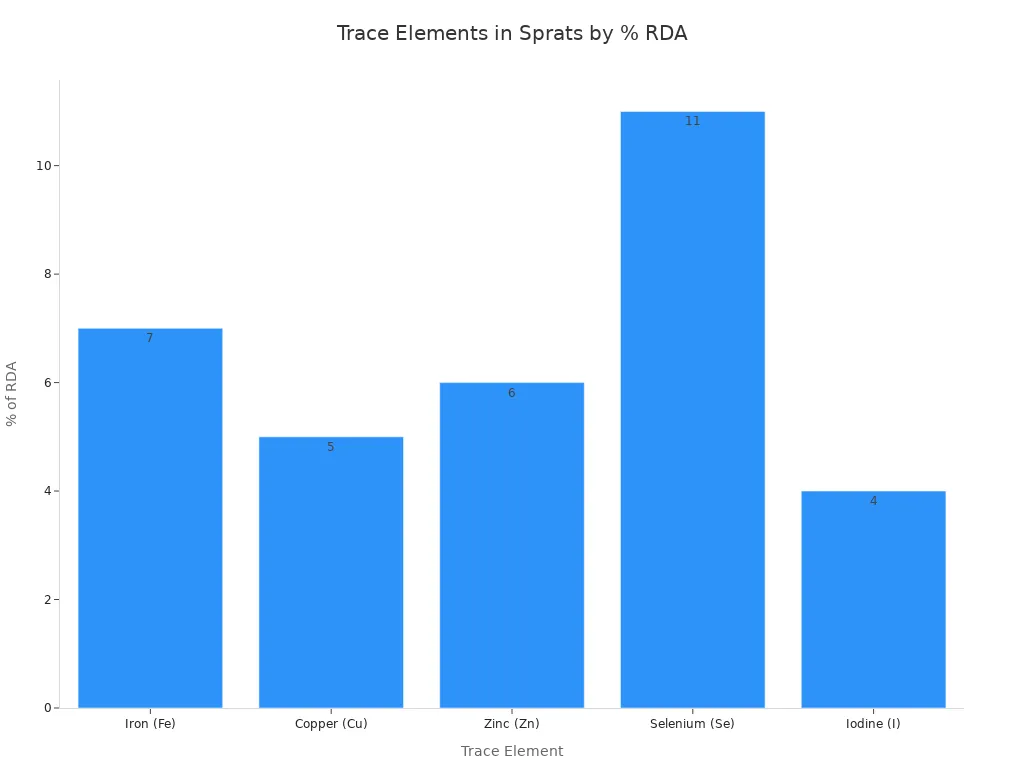
This rich nutrient profile highlights the overall health benefits sprats provide.
Sprats Nutrition: Core Benefits
Sprats offer many significant health benefits. Their unique nutritional profile makes them a valuable addition to any diet. These small fish provide essential nutrients that support various bodily functions. Understanding these sprats nutrition benefits helps people appreciate their value.
Omega-3: Heart and Brain Health
Sprats are an excellent source of omega-3 fatty acids. These fats are crucial for both heart and brain health. They play a vital role in maintaining cardiovascular well-being. A large study of 17 trials showed that omega-3 fatty acids reduced major adverse cardiovascular events. This included a 1.0 incident case reduction per 1000 person-years. Another part of the study found omega-3s reduced revascularization by 1.9 incident cases per 1000 person-years. Specific trials like REDUCE-IT have demonstrated the power of purified EPA, a type of omega-3. Patients with high cardiovascular risk who received Vascepa, a purified EPA formulation, experienced fewer heart attacks and strokes. They also needed fewer heart stenting procedures. This evidence led to FDA approval for Vascepa to support heart health. Current guidelines recommend consuming at least 250 mg/day of long-chain omega-3 or two servings of oily fish weekly to promote heart health and reduce cardiac death risk.
Omega-3 fatty acids also greatly benefit brain development and cognitive function. DHA, a key omega-3, is essential for fetal brain development. A mother’s intake of DHA links to better neurodevelopment and long-term cognitive outcomes for her child. Insufficient omega-3 levels during pregnancy can disrupt brain development. This potentially increases the risk of cognitive problems. Omega-3s are vital parts of cell membranes. They play roles in neurodevelopment, nerve connections, and memory function. These functions all influence cognitive and behavioral health.
Bone Health
Sprats are a powerhouse for bone health. They provide significant amounts of calcium and vitamin D. Calcium is the primary mineral for building strong bones and teeth. Vitamin D helps the body absorb calcium effectively. Together, these nutrients ensure bones remain dense and strong throughout life. Regular consumption of sprats helps maintain bone mineral density. This reduces the risk of conditions like osteoporosis. The nutritional benefits of sprats for bones are clear.
Anti-Inflammatory Effects
The omega-3 fatty acids in sprats also possess strong anti-inflammatory properties. Chronic inflammation contributes to many diseases. These include heart disease, arthritis, and certain cancers. Omega-3s help reduce inflammation throughout the body. They do this by influencing the production of inflammatory molecules. Including sprats in the diet can help manage inflammatory responses. This contributes to overall health.
Skin and Hair Health
Sprats offer health benefits for skin and hair. Their rich nutrient profile supports a healthy appearance. Sprat skin contains collagen. Collagen improves skin hydration and elasticity, which helps reduce wrinkles. Sprats also provide vitamin E. This antioxidant protects skin from sun damage and can soothe skin conditions. The omega-3s in sprats contribute to overall skin health. They reduce inflammation and support a strong skin barrier. These nutrients work together to promote healthy, vibrant skin and strong hair.
Immune Support
Sprats boost the immune system. They contain a variety of vitamins and minerals essential for immune function. Sprats provide significant amounts of fat-soluble vitamins A and D. They also offer minerals like calcium, phosphorus, and iron. These nutrients are crucial for a healthy immune system. They help the body fight off infections and maintain overall health. The nutrition from sprats strengthens the body’s defenses.
Weight Management
Sprats can also play a role in weight management. They are a rich source of protein and omega-3. Protein promotes satiety, making people feel full longer. This can help reduce overall calorie intake. While specific studies on sprats are limited, research on similar oily fish like sardines shows how whole fish contribute to satiety. Whole fish engage the gut-brain axis. This involves signals that control appetite. The mechanical presence of food, its composition, and how quickly it empties from the stomach all contribute to feeling full. This complex interplay ensures that consuming whole fish, like sprats, effectively manages appetite. The protein and omega-3 content, along with other nutrients, make sprats a satisfying and beneficial food for those managing their weight.
Incorporating Sprats into Your Diet
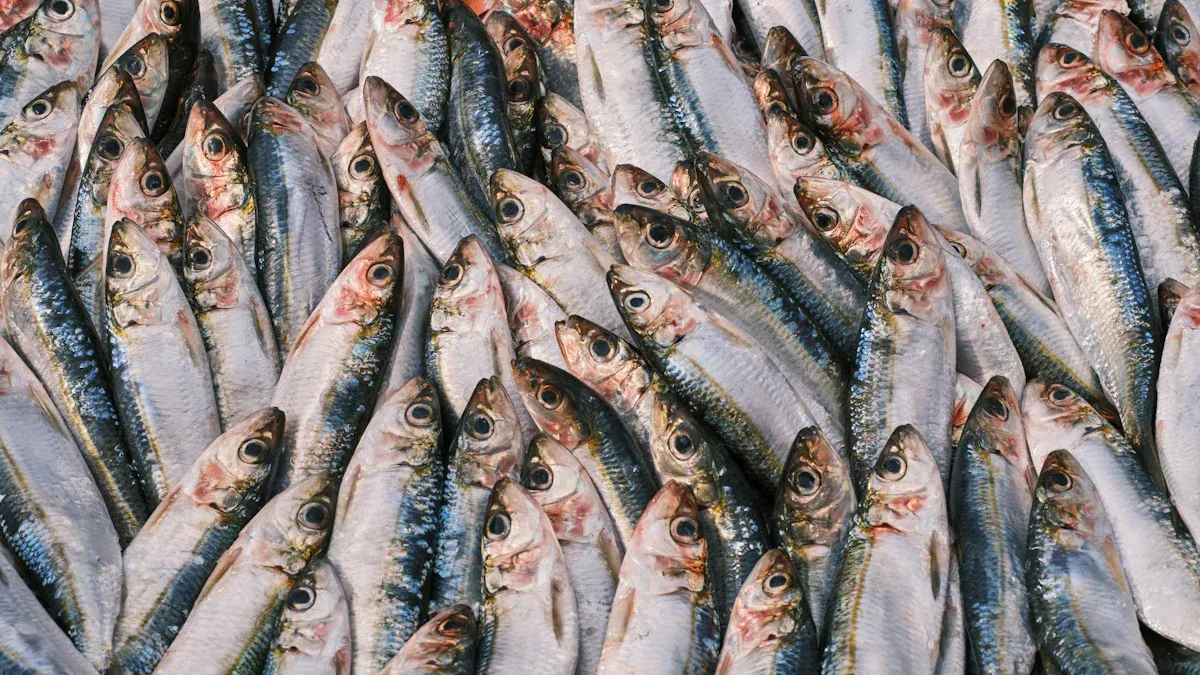
People can easily add sprats to their daily meals. These small fish offer great nutritional value. There are many ways to prepare and enjoy them.
Canned Sprats
Canned sprats offer a convenient way to enjoy these small fish. When choosing canned sprats, look for quality. Sprats from the Baltic States, like Latvia, Estonia, and Lithuania, are often recommended. They are known for being soft, plump, and having a concentrated flavor. Many people look for those labeled ‘Rigas Zelts’. Prioritize naturally smoked sprats over those with liquid smoke. Natural smoking improves the texture of these smoked sprats. These smoked sprats are often packed in light oil. Opt for sprats packed in lighter oils such as sunflower or rapeseed oil. Avoid varieties packed in water; they are considered lower quality. These small sprats are a distinct species, generally smaller and oilier than sardines. Many prefer their flavor and texture.
Fresh Sprats
People can also enjoy fresh sprats. Baking or steaming fresh sprats are the best methods. These cooking techniques help preserve their nutritional value. Fresh sprats offer a delicate flavor.
Recipe Ideas
Sprats are versatile in the kitchen. A popular and healthy recipe idea is ‘sprats on toast with horseradish mayo’. This dish is a quick snack or a good breakfast option. It provides omega-3 oils and protein. Sprats are also low in mercury. People commonly eat sprats in Eastern Europe. They eat them straight from the can, dipped in sauce, on toast, in a salad, or even on pancakes. To make sprats on toast:
Grate boiled eggs and mix with mayonnaise. Season with salt and pepper.
Spread egg salad on a slice of bread.
Top with a sprat and a slice of pickle. For baked sprats, preheat the oven to 180°C. Clean the fish by squeezing lime over them, rinsing, and patting dry. Gut the fish, remove bones, and rinse again. Season the sprats and bake for 40-45 minutes until crispy. Other ideas include Sprat and Avocado Crispbread, Sprat Salad Wraps, Sprat Pâté on Whole-Grain Crackers, Grilled Sprat Skewers, and Sprat and Veggie Stuffed Peppers. These recipes highlight the health benefits of sprats.
Pairing Suggestions
Sprats pair well with many foods. Their rich, savory taste complements fresh vegetables, crusty bread, and creamy cheeses. You can add them to salads for extra flavor and nutrients. They also make a great addition to pasta dishes or as a topping for pizzas.
Considerations for Sprats Consumption
People consider sprats a healthy food. However, consumers should know some factors. These factors include purine content, sodium levels, sustainability, and mercury concerns. Understanding these aspects helps people make informed dietary choices.
Purine Content
Sprats contain purines. The body breaks down purines into uric acid. High uric acid levels can cause gout in some individuals. Smoked sprats have a notable purine content.
Food Item | Purine Content (mg/100g) |
|---|---|
Sprat, smoked | 795.6 |
Individuals with gout or those at risk should manage their purine intake. Dietary recommendations for gout focus on specific strategies:
Reduce consumption of purine-rich foods.
Emphasize plant-derived fibers and dairy-derived protein.
Avoid high consumption of refined saturated fats and carbohydrates.
Adopt DASH and Mediterranean diets. These diets help lower uric acid levels and reduce gout incidence.
Sodium Levels
Canned sprats often contain sodium. Manufacturers add sodium for preservation and flavor. Consumers should check labels for sodium content.
Product Name | Serving Size | Sodium Content |
|---|---|---|
Sprats in oil. by AMBERFISH | 55 g | 220 mg |
Sprats | 1 cup (236.6g) | 946.4 mg |
People watching their sodium intake should choose low-sodium options. They can also rinse sprats before eating them. This helps reduce some surface sodium.
Sustainability
The sustainability of seafood is important. Consumers want to know their food choices do not harm the environment. Certifications help identify sustainably sourced sprats. The Marine Stewardship Council (MSC) certifies some fisheries. A Baltic Sea sprat fishery received MSC certification. This indicates sustainable sourcing. While the MSC certification for Baltic Sea brisling (sprats) was suspended, a renewal process is expected to finish in 2025. Suppliers continue certified fishing practices during this time. Friend of the Sea also lists ‘Clupeidae (sprat, herring, menhaden)’ as approved sustainable fisheries.
Mercury Concerns
Many people worry about mercury in fish. Sprats are a good choice for those concerned about mercury. They are low in mercury. Sprats are non-predatory fish. This group also includes herring, sardines, and pollock. Predatory fish, like tuna or salmon, accumulate higher mercury levels.
Fish Type | Mean Mercury Level (µg/kg) |
|---|---|
Pollock | 127.33 |
Herring | 47.8 |
Sprat | 16.1 |
Sardine | 11.4 |
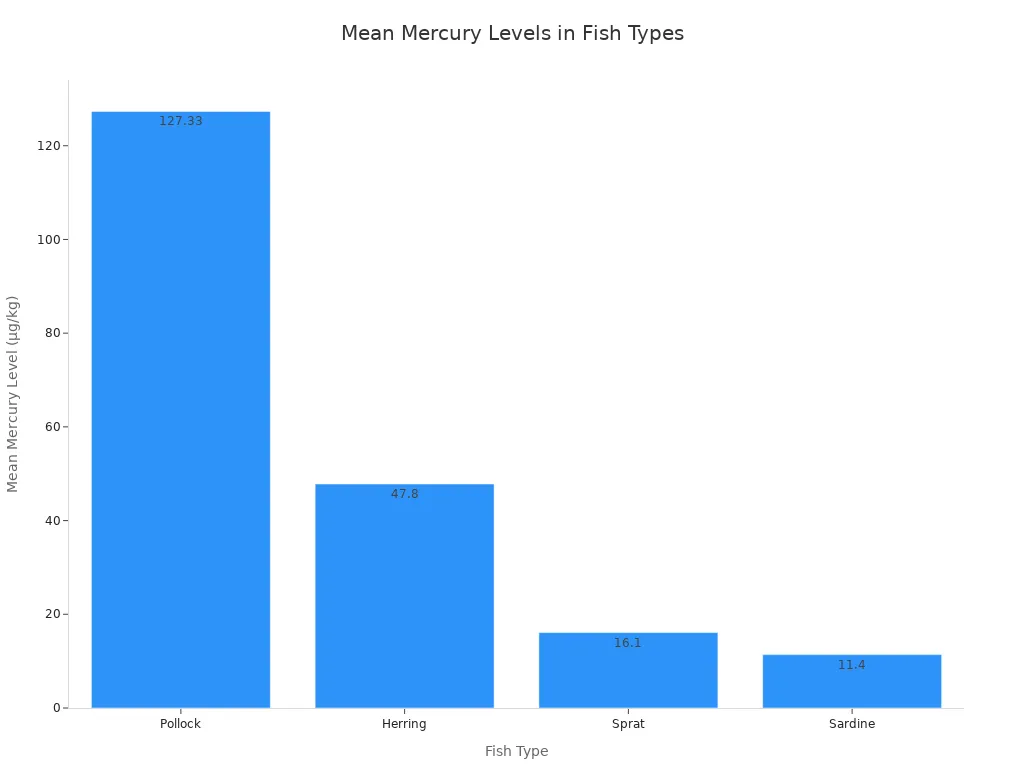
Sprats offer a safe option for those seeking the health benefits of fish without high mercury exposure. They contribute to a healthy diet.
Sprats offer significant sprats nutrition benefits. They provide essential omega-3 fatty acids, calcium, and a high protein content. These small fish deliver impressive nutritional benefits, supporting overall health. Sprats are an accessible and affordable superfood. Their nutrient density makes sprats a valuable addition to any diet. Consider adding sprats to your meals for a boost in vital nutrition. This excellent nutrition supports overall well-being. These small sprats offer many health benefits. Such health benefits make sprats a smart choice. Embracing diverse and nutrient-rich fish choices promotes long-term health.
FAQ
Are sprats a healthy food choice?
Yes, sprats are very healthy. They offer many nutrients. Sprats provide omega-3 fatty acids, calcium, and protein. These support heart, brain, and bone health. They also contain important vitamins and minerals.
What is the difference between sprats and sardines?
Sprats and sardines are both small, oily fish. They belong to the herring family. Sprats are generally smaller than sardines. They often have a more delicate flavor. Both fish offer similar nutritional benefits.
Can pregnant women eat sprats?
Pregnant women can eat sprats. Sprats are low in mercury. They provide essential omega-3s for baby’s development. Always choose sustainably sourced sprats. Consult a doctor for specific dietary advice.
How should I store canned sprats after opening?
Transfer opened canned sprats to an airtight container. Store them in the refrigerator. Consume them within two to three days. This keeps them fresh and safe to eat.