


What is nutritional yeast? It’s an inactivated yeast product, often called “nooch.” You will find its distinctive cheesy, nutty, and umami flavor makes it a popular vegan seasoning. Many people adopt nutritional yeast into plant-based diets due to its rich nutritional content. This includes a significant source of vitamins, minerals, and high-quality protein. Nutritional yeast offers essential nutrients like B-complex vitamins, including thiamine (B1), riboflavin (B2), and pyridoxine (B6). It also contains protein and various minerals.
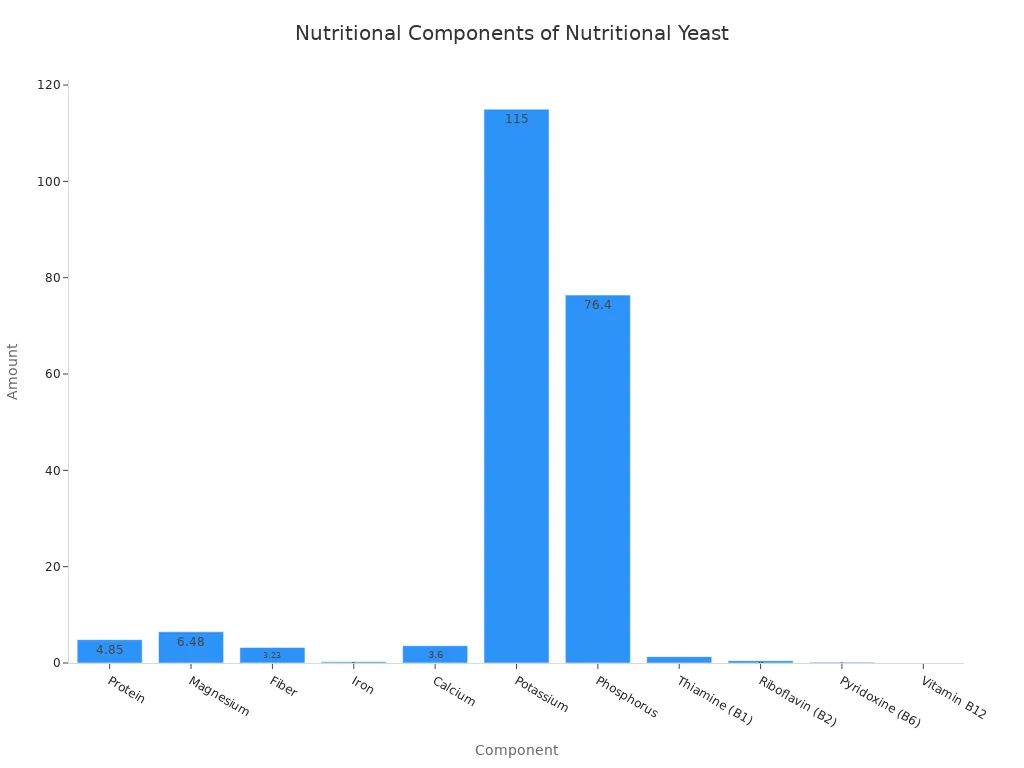
This versatile nutritional yeast provides significant health benefits. We will explore its facts, uses, and other benefits.
Key Takeaways
Nutritional yeast, or “nooch,” is an inactive yeast. It has a cheesy, nutty, and savory taste. It is a popular seasoning for many dishes.
It is a good source of protein, B vitamins, and minerals. Fortified types provide vitamin B12, which is important for plant-based diets.
Nutritional yeast can help your immune system. It also has antioxidants. It may improve gut health and help lower cholesterol.
You can add nutritional yeast to many foods. Sprinkle it on savory dishes. Use it to make vegan cheese sauces. You can also add it to snacks and meals.
Start with small amounts of nutritional yeast. This helps avoid stomach issues. If you take certain medicines, talk to your doctor first.
What is Nutritional Yeast Defined

Understanding Inactivated Yeast
So, what is nutritional yeast exactly? You might hear people call it “nooch.” It is a special type of yeast product. Specifically, it comes from Saccharomyces cerevisiae. This is the same type of yeast used to make bread or beer. However, nutritional yeast is different because it is an inactivated yeast. This means the yeast cells are no longer alive.
Inactivated yeast, specifically commercial S. cerevisiae, refers to dead yeast cells that lack leavening power. Manufacturers inactivate yeast cells through heat treatment. This is followed by a drying process. This inactive form is what you find as nutritional yeast, and it is widely available. Unlike active dry yeast or instant yeast, which are carefully processed to keep their cells alive for baking, nutritional yeast undergoes a process that intentionally kills the yeast. This ensures it will not make your dough rise. Instead, it offers a unique flavor and nutritional boost.
Distinctive Flavor Profile
One of the main reasons people love nutritional yeast is its amazing taste. It offers a distinctive cheesy, nutty, and umami flavor. This makes it a fantastic savory nutritional yeast seasoning for many dishes. You get a rich, mouth-watering depth from these yeast flakes.
Nutritional yeast contains natural compounds called glutamates. These are the compounds responsible for umami, a savory taste you often find in aged cheeses like Parmesan. This gives nutritional yeast its cheesy notes. The deactivation process of the yeast breaks down proteins. This releases glutamic acid, a flavor-enhancing compound. This compound provides a mouth-watering umami flavor. Experts describe glutamic acid as the only known compound to impart umami flavor. It contributes to the deep, rich, or even meaty taste you find in nutritional yeast. This makes it a perfect way to add a pop of umami flavor to your meals.
Key Facts About Nutritional Yeast
You now understand what is nutritional yeast. Let’s explore some key facts about this versatile food. You will learn about its different forms and how it stands apart from other yeasts.
Fortified vs. Unfortified Varieties
When you buy nutritional yeast, you will find two main types: fortified and unfortified. The difference lies in their added nutrients.
Feature | Fortified Nutritional Yeast | Unfortified Nutritional Yeast |
|---|---|---|
Nutrient Profile | Enhanced with added B12, folic acid, and more | Naturally high in protein, fiber, and minerals |
Processing | Synthetic vitamins added | No synthetic additives |
Key Added Nutrients | B12, folic acid, iron | None |
Naturally Occurring Nutrients | Protein, fiber, trace minerals | Protein, fiber, trace minerals (zinc, selenium) |
Flavor | Slightly altered by fortification | Clean, rich, and cheesy |
Fortified nutritional yeast products contain higher numbers of vitamins and nutrients. Manufacturers add these from synthetic sources. In contrast, unfortified nutritional yeast offers naturally present benefits. Its protein and vitamin content come from organic molasses or the yeast itself. It does not contain synthetic additives. A key distinction is that fortified varieties can provide vitamin B12. Unfortified nutritional yeast naturally lacks vitamin B12. However, unfortified nutritional yeast is packed with natural B vitamins, including B9.
Nutritional Profile of Nutritional Yeast
Nutritional yeast offers impressive nutritional yeast nutrition facts. It is a powerhouse of nutrients. Fortified nutritional yeast is particularly rich in B vitamins, such as thiamine (B1), riboflavin (B2), niacin (B3), B6, and B12.
Here is a look at the nutritional yeast nutrition facts for a typical serving of fortified nutritional yeast:
Nutrient | Amount per serving |
|---|---|
Protein | 5g |
Dietary Fiber | 2g |
Thiamin (B1) | 6.2mg |
Riboflavin (B2) | 6.3mg |
Niacin (B3) | 35mg |
Vitamin B6 | 7.2mg |
Folate (B9) | 353mcg DFE |
Vitamin B12 | 15mcg |
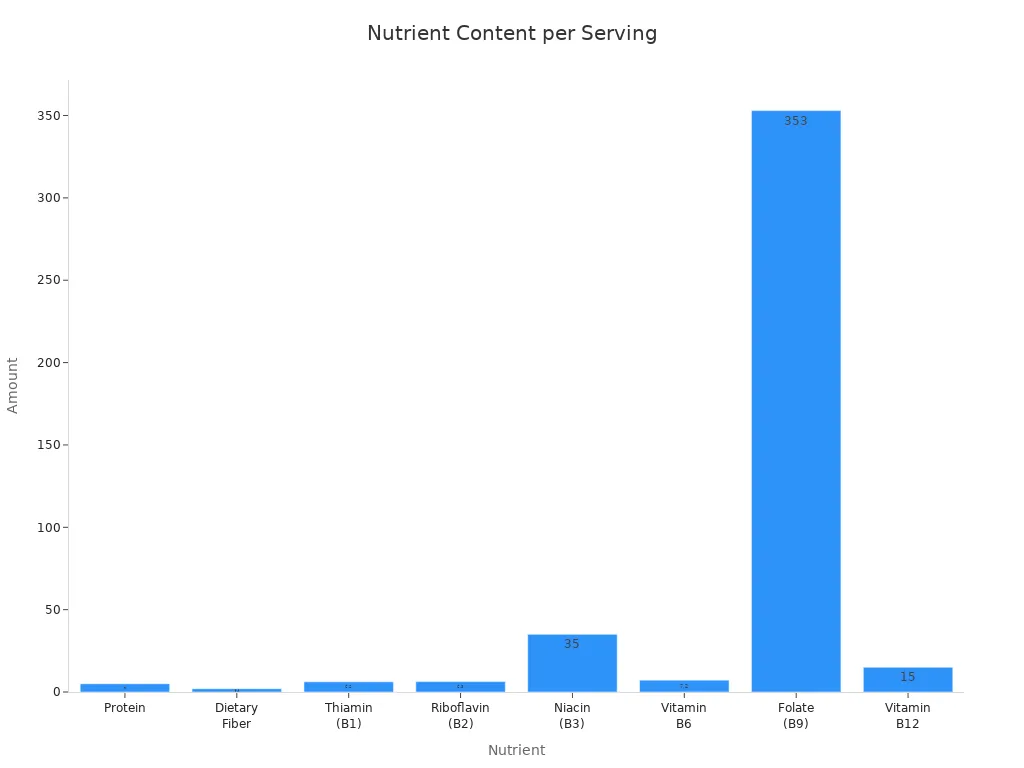
This makes nutritional yeast an excellent plant-based protein source. It is also a complete protein, meaning it contains all nine essential amino acids your body needs. It serves as a great supplement to your diet.
Distinguishing From Other Yeasts
You might wonder how nutritional yeast differs from other yeasts. People often confuse it with brewer’s yeast or active dry yeast. However, they are quite distinct.
Feature | Nutritional Yeast | Active Dry Yeast |
|---|---|---|
Production | Deactivated yeast | Live yeast |
Intended Use | Flavoring (cheesy, nutty), topping, nutritional supplement | Leavening agent for baked goods (makes them rise) |
Leavening | No leavening ability | Causes baked goods to rise and adds fluff |
Flavor | Cheesy, nutty | Can impart a ‘yeasty’ flavor in large quantities |
Form | Powder or flakes | Granules (can be in jars or envelopes) |
Nutritional yeast is inactive. It will not make bread rise. Active dry yeast, on the other hand, is alive. It is used for baking. Brewer’s yeast is a byproduct of beer making. It can have a bitter taste. Nutritional yeast has a pleasant, savory flavor. These are the main types of nutritional yeast you will encounter.
Top Health Benefits of Nutritional Yeast
Nutritional yeast offers many impressive health benefits. You can easily add it to your diet. Let’s explore the top health benefits of nutritional yeast.
Essential B12 for Plant-Based Diets
If you follow a plant-based diet, getting enough vitamin B12 can be a challenge. Nutritional yeast, especially the fortified kind, is a crucial source. Your body needs vitamin B12 for nerve function and red blood cell formation.
The recommended daily intake of vitamin B12 for adults is 2.4 mcg. This recommendation does not change for plant-based diets. However, meeting this amount can be harder if you are vegetarian or vegan.
Age | Male | Female | Pregnancy | Lactation |
|---|---|---|---|---|
19+ years | 2.4 mcg | 2.4 mcg | 2.6 mcg | 2.8 mcg |
Many vegans who do not take any form of vitamin B12 supplements are at high risk for vitamin B12 deficiency. Studies show that between 17% and 39% of vegetarian and vegan pregnant women in lower socioeconomic countries experience vitamin B12 deficiency when they do not supplement. Vegans and vegetarians often show lower vitamin B12 levels. This is because their diets have little exposure to this vitamin.
To ensure you get enough vitamin B12, you should:
Eat fortified foods two or three times daily to get at least 3 micrograms (mcg) of B12.
Take a daily B12 supplement providing at least 10 micrograms.
Take a weekly B12 supplement providing at least 2000 micrograms.
Nutritional yeast can help you meet these needs.
Immune System Support
Nutritional yeast also provides excellent immune system support. Its rich content of B vitamins and trace minerals helps your body fight off illness.
B vitamins like B6, B12, and folate (B9) help with cell repair and metabolic functions. These processes are vital for overall health. Trace minerals such as selenium and zinc also play a big role in your immune health. Selenium helps repair cell damage. Zinc aids in tissue repair and boosts immunity.
Studies show that yeast beta-glucans, found in nutritional yeast, can strengthen your immune system. These studies confirm that taking yeast beta-glucans by mouth is safe. They help activate immune reactions to prevent infections. They also reduce inflammation. For example, clinical trials with Yestimun® (a yeast beta-glucan preparation) showed it could activate immune responses. Other studies with Wellmun WGP® (another beta-glucan preparation) found benefits like fewer missed days of school or work due to colds. They also improved breathing ability. Even physically active people showed stronger immune responses after taking beta-glucans. Marathon runners experienced fewer cold symptoms with beta-glucan intake. This shows the significant health benefits of nutritional yeast for your immune health.
Antioxidant Properties
Nutritional yeast contains powerful antioxidants. These compounds protect your cells from damage caused by harmful molecules called free radicals. This protection is another one of the great health benefits.
The antioxidants in nutritional yeast include beta-glucan, mannan oligosaccharides, organic selenium, b vitamins, and glutathione precursors. These antioxidants work in several ways. They directly clear reactive oxygen species. They also activate your body’s natural antioxidant systems. They can regulate your gut microbiota and improve the antioxidant defense of your gut lining. They even help your cells adapt to stress.
Potential for Gut Health
Your gut health is very important for your overall well-being. Nutritional yeast can contribute to a healthy gut. It contains special dietary fibers called alpha-mannan and beta-glucan.
Beta-glucan acts as a prebiotic. Prebiotics are food for the healthy bacteria in your gut. When these good bacteria feed on prebiotics, it helps reduce inflammation. Fiber is also crucial for digestion. It helps you have regular bowel movements and prevents constipation. These benefits contribute to better gut health.
Clinical trials have shown the positive effects of S. cerevisiae (the yeast in nutritional yeast) on gut health. For example, studies on people with diarrhea-predominant Irritable Bowel Syndrome (IBS) found that S. cerevisiae reduced the number of daily stools. It also improved stool consistency. In patients with Crohn’s disease, adding S. cerevisiae to therapy reduced bowel movements and helped prevent relapse. For those with ulcerative colitis, adding yeast led to clinical remission for many patients. Another study showed that Brewer’s spent yeast, which contains Saccharomyces cerevisiae, decreased plasma total cholesterol levels. It also increased beneficial short-chain fatty acids in the gut. This suggests a positive impact on your gut microbiota and metabolic health.
Cholesterol Reduction
You can also use nutritional yeast to help lower cholesterol. This is another one of the significant health benefits. Yeast-derived beta-glucans, a type of dietary fiber, can help reduce cholesterol levels.
These soluble fibers are fermented by gut bacteria. This process affects how your body handles cholesterol. It acts on bile acids and influences how your body absorbs fats. This can lead to lower cholesterol.
One study on yeast-derived beta-glucan fiber showed a significant reduction in total cholesterol. It lowered total cholesterol by 8% at week 7 and 6% at week 8. While individual LDL cholesterol comparisons varied, overall analysis showed a significant effect. LDL cholesterol concentrations dropped by 8% at week 8 compared to the start. This demonstrates how nutritional yeast can help you lower cholesterol.
Supporting Bone Health
Nutritional yeast can also play a role in supporting strong bones. Fortified nutritional yeast provides B vitamins (B6, B9, and B12) and vitamin E. These are known as ‘bone-protective nutrients’.
Research suggests that yeast protein can help prevent bone mineral loss. Studies on rats showed that yeast protein improved calcium levels in the blood. It also increased calcium absorption and retention. It even boosted bone calcium content and improved bone strength. In rats with calcium deficiency, yeast protein, along with calcium, greatly improved intestinal calcium absorption. It also increased bone length, mechanical strength, and bone formation markers. Yeast protein helps your body absorb calcium and build bones. It does this by chelating calcium and releasing it slowly. This makes it a potential functional food to prevent calcium deficiency and osteoporosis. The amino acids in yeast protein, like serine and glutamic acid, can bind to calcium. This makes calcium more available to your body. Branched-chain amino acids may also help prevent bone fractures. They do this by promoting bone-building cells and stopping bone-resorbing cells.
Incorporating Nutritional Yeast: Culinary Uses
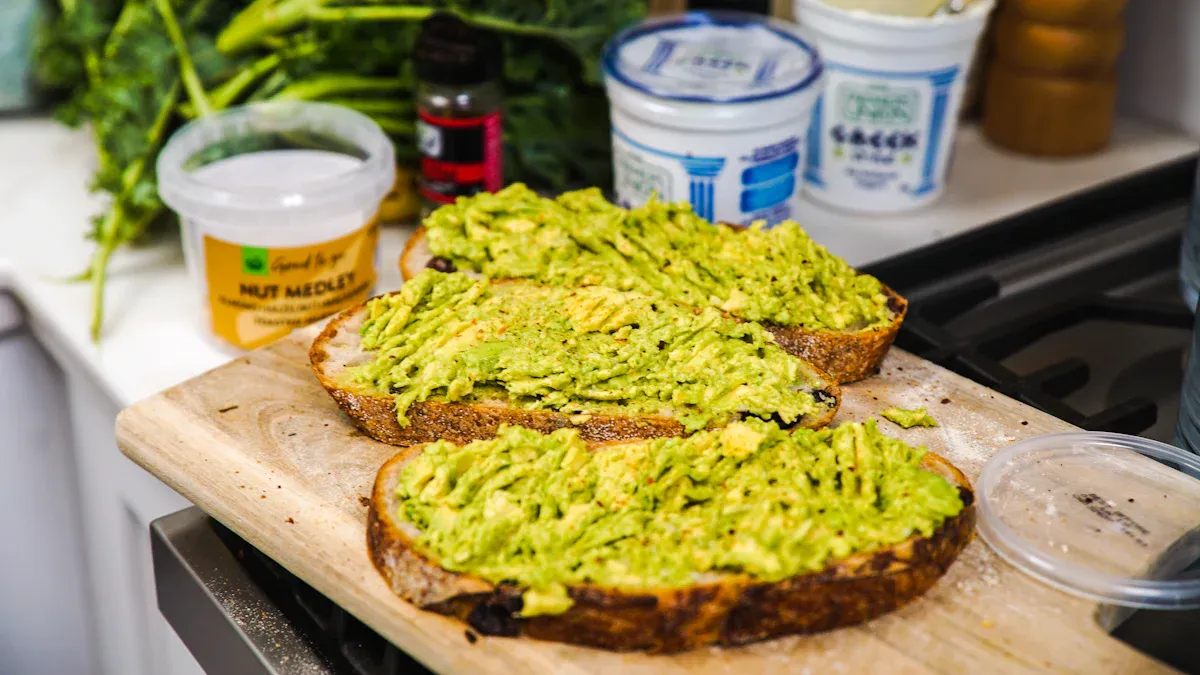
You can easily add nutritional yeast to many dishes. It brings a unique cheesy, nutty, and umami flavor. This makes it a favorite for enhancing savory meals.
Enhancing Savory Dishes
Nutritional yeast is a versatile flavor enhancer. You can sprinkle it on almost any savory dish. It adds depth and a rich, meaty taste. You can use it in pasta with basil pesto for a cheesy flavor. Blend it into cheese crackers or use it as a coating for crispy tofu. This creates a cheesy crust. You can also sprinkle nutritional yeast on pasta marinara. It works well as a Parmesan cheese substitute. Melt it into slow-cooker stews to boost meatiness. Add it to nachos or creamy dips for extra flavor. Season your popcorn with it for a cheesy and buttery taste. Mix it into casseroles to elevate the flavor.
Creating Cheesy Flavors
Nutritional yeast is perfect for making vegan cheese sauces. You can make a “Nooch Cheese Sauce.” This sauce is dairy-free and quick to prepare. It uses coconut oil or vegan butter, flour, spices, nutritional yeast flakes, and water. You cook it like a Bechamel sauce until it is smooth and stretchy. You can use this sauce for lasagna, pizza, mac & cheese, or as a dip. Another popular option is the “10-Minute Nutritional Yeast Cheese Sauce.” This recipe is coconut-free and nut-free. It uses vegan butter, flour, spices, miso, water, and nutritional yeast. These nutritional yeast recipes offer delicious cheesy alternatives.
Ideas for Snacks and Meals
Incorporating nutritional yeast into your daily meals is simple. For breakfast, stir it into savory oatmeal or mix it into tofu scrambles. Sprinkle it on avocado toast. You can also add it to scrambled eggs, smoothies, or pancake batter. For lunch and dinner, incorporate it into casseroles or veggie burgers. Use it as a topping for stuffed potatoes. You can also use it for breading tofu, cauliflower, and broccoli.
Beyond Traditional Recipes
You can get creative with how to use nutritional yeast. Think of it as a secret ingredient. It adds a healthy boost and flavor to unexpected dishes. Try adding a spoonful to your homemade salad dressings. Mix it into bread dough for a subtle cheesy note. You can even blend it into nut-based dips for extra richness. Experiment with incorporating nutritional yeast into your favorite recipes. You will discover new ways to enjoy its unique taste.
Potential Risks and Considerations
While nutritional yeast offers many benefits, you should also know about its potential risks. Understanding these risks helps you use this supplement safely.
Possible Digestive Issues
Some people experience digestive discomfort when they first start eating nutritional yeast. You might notice bloating or gas. This often happens if you consume too much too quickly. Your body needs time to adjust to the fiber content. To avoid these issues, start with small amounts. Gradually increase your intake. This helps your digestive system adapt. Consider how much nutritional yeast is safe to eat per day for your body.
Potential Migraine Triggers
Nutritional yeast contains amino acids like tyramine. This compound can sometimes trigger migraine attacks in sensitive individuals. Tyramine is also present in other concentrated yeast products. However, research suggests that dietary tyramine, found in foods like chocolate and red wine, is not always a direct cause of migraine. Many other factors commonly trigger migraines. These include fatigue, stress, and changes in sleep patterns. If you experience migraines, monitor your reaction to nutritional yeast. The potential risks of nutritional yeast for migraine sufferers are worth noting.
Allergic Reactions
Allergic reactions to nutritional yeast are rare. However, they can occur. You might experience symptoms like skin rashes, itching, or swelling. If you have a known yeast allergy, you should avoid nutritional yeast. Always check the ingredients if you have food sensitivities.
Medication Interactions
You should also be aware of potential medication interactions. Nutritional yeast contains tyramine. This means it can interact with certain medications, especially monoamine oxidase inhibitors (MAOIs). Doctors prescribe MAOIs for depression and other conditions. Combining MAOIs with tyramine-rich foods can lead to a dangerous increase in blood pressure. If you take MAOIs, talk to your doctor before adding nutritional yeast to your diet. Understanding these risks helps you decide how much nutritional yeast is safe to eat per day for your health.
You now understand what is nutritional yeast. This amazing ingredient offers impressive nutritional value and culinary versatility. Nutritional yeast provides significant health benefits, especially for plant-based diets. It gives you protein, B vitamins, and essential minerals. You should experiment with nutritional yeast in your cooking. Discover its many benefits and enhance your healthy eating journey.