

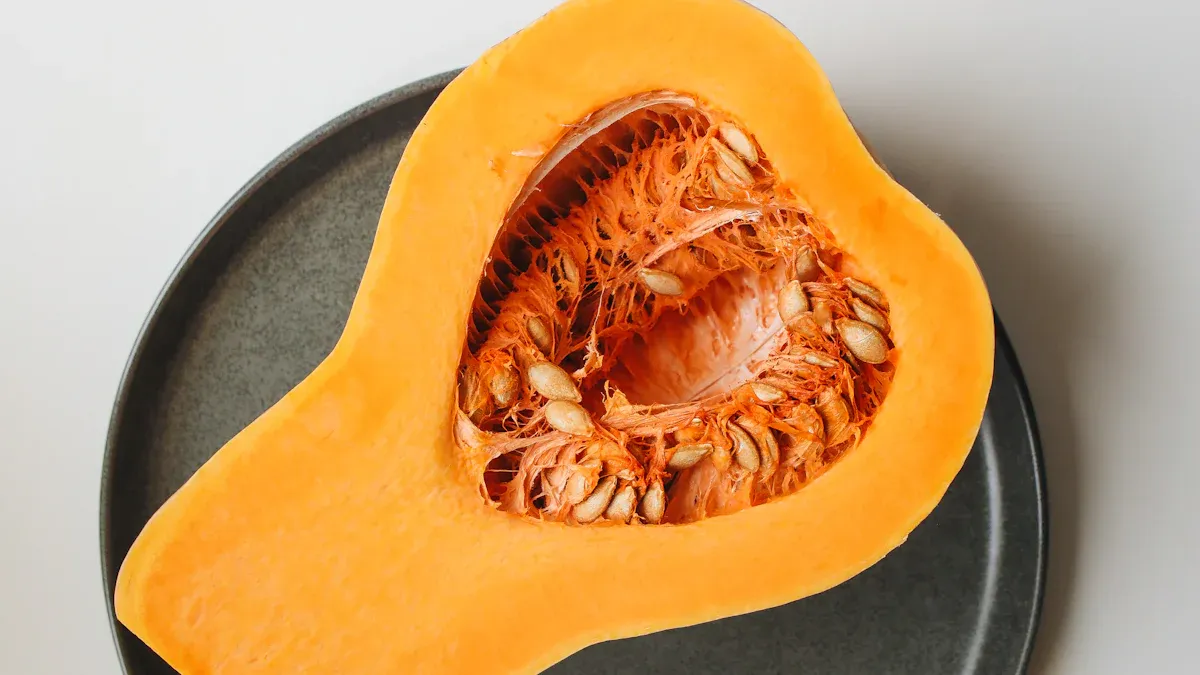
As cooler weather arrives, butternut squash becomes a seasonal favorite. This versatile vegetable offers impressive butternut squash nutrition. You gain incredible health benefits from this healthy food. You will discover many benefits of butternut squash for your overall health. This amazing butternut provides essential goodness for your well-being. Enjoying butternut squash can truly enhance your diet.
Key Takeaways
Butternut squash is full of important vitamins and minerals. It has a lot of Vitamin A, Vitamin C, and potassium. These help your body stay healthy.
This squash has a lot of fiber. Fiber helps your digestion and keeps you feeling full. It also has antioxidants that protect your body’s cells.
Eating butternut squash can help your immune system, vision, and heart. It also helps with digestion and can help you manage your weight.
Butternut squash can help keep your blood sugar steady. It also makes your skin, hair, and bones stronger. It may even help protect against cancer.
You can roast or steam butternut squash. Pick one with tan skin and a dry stem. Store it in a cool, dry place.
Butternut Squash Nutrition: A Powerhouse

You want to understand what makes butternut squash so good for you. This section details the impressive nutritional profile of butternut squash. You will see why this amazing butternut is a true powerhouse for your health.
Key Vitamins and Minerals
Butternut squash offers a rich array of essential vitamins and minerals. You get significant nutritional value from each serving. This butternut squash nutrition helps your body function well. For example, one cup of butternut squash provides a large amount of Vitamin A. You receive 1144 micrograms (mcg) of vitamin A. This makes butternut squash high in vitamin A. You also get 31 milligrams (mg) of vitamin C. This vitamin supports your immune system. Furthermore, you gain 582 mg of potassium. Potassium is important for heart health and fluid balance. These key nutrients contribute greatly to your overall nutrition.
Fiber and Carbohydrate Content
Butternut squash is an excellent source of fiber. You find about 2.8 grams of fiber in one cup (140g) of raw butternut squash. If you eat cooked butternut, you get around 7 grams of fiber per cup. This fiber content is very beneficial for your health. Fiber helps your digestion. It also keeps you feeling full. The total carbohydrates in one cup of butternut squash range from 14.4g to 16.4g. These carbohydrates provide energy for your body. Butternut also contains natural sugars. These sugars give it a slightly sweet taste. You benefit from this natural fiber and energy source.
Antioxidants and Low Calories
Butternut squash is dense in powerful antioxidants. You get many antioxidant benefits from this vegetable. Beta-carotene is a primary antioxidant found in butternut. It gives butternut its vibrant orange color. Antioxidants protect your cells from damage. This protection is vital for your long-term health. You also find that butternut squash is low in calories. One cup of cubed, cooked butternut squash provides about 82 calories. A raw cup (140 grams) contains 63 calories. This makes butternut squash a great choice for managing your weight. It has no fat or cholesterol. You also get about 2 grams of protein per cup. This combination of low calories, fiber, and antioxidants makes butternut squash nutrition truly exceptional.
Top 10 Butternut Squash Health Benefits
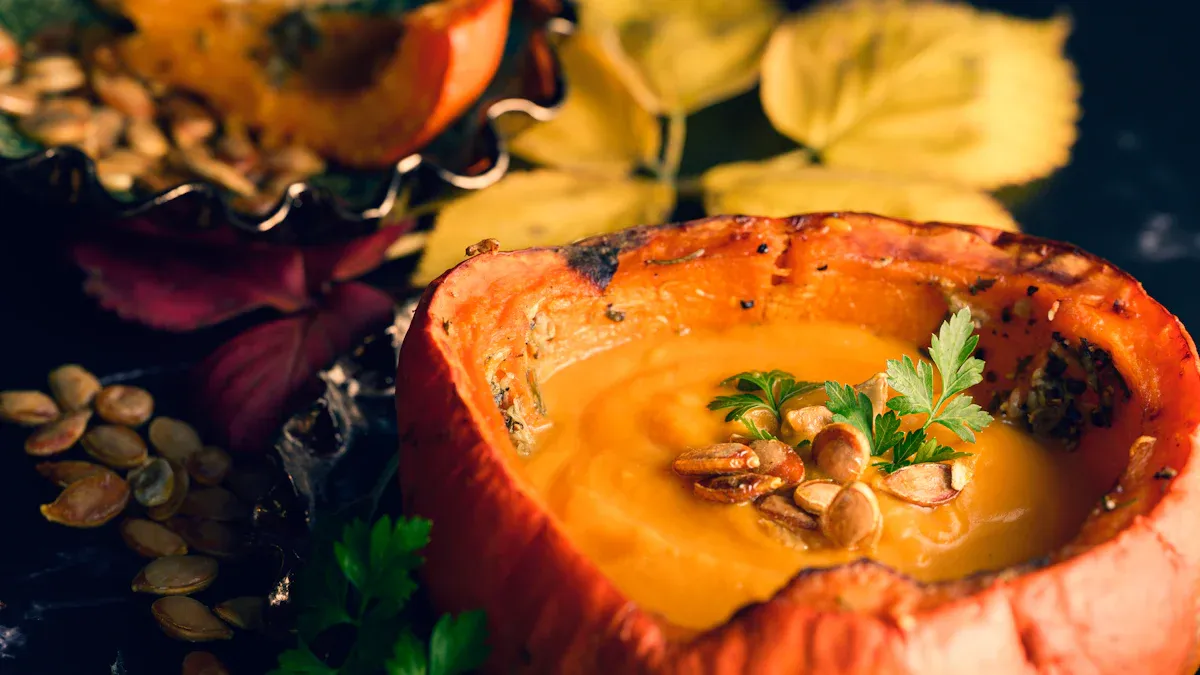
Butternut squash offers many amazing health benefits. You gain significant advantages for your well-being. These benefits come from its rich nutrient profile.
Boosts Immune System
Butternut squash is a champion for your immune system. You get a strong defense against illness. This is because butternut squash contains vitamins A, C, and E. These vitamins work as powerful antioxidants. They protect your cells from damage. A study shows that butternut squash helps your immune function. It has many carotenoids. Your body changes these carotenoids into vitamin A. Beta-carotene, in particular, helps prevent cancer cell growth. It does this by activating a gene that improves cell communication. These are important benefits for your overall health.
Supports Vision Health
Your eyes also benefit greatly from butternut squash. It is one of the best foods for eye health. Butternut squash provides vitamin A and beta-carotene. Your body converts beta-carotene into vitamin A. This nutrient is crucial for good vision. Butternut squash also gives you lutein and zeaxanthin. These carotenoids protect your eyes from harmful UV light and blue light from screens. Vitamin C also plays a role.
These powerful nutrients work together. They help prevent or slow age-related vision problems. These include cataracts and macular degeneration. Research shows beta-carotene helps protect visual function. It can also prevent night blindness. Vitamin A may even improve retinal function for people with age-related macular degeneration (AMD).
Aids Digestive Regularity
Butternut squash is excellent for your digestion. You will find it helps keep you regular. One cup of cooked butternut squash has nearly 7 grams of fiber. This fiber is vital for preventing constipation. It also keeps your digestive tract healthy. Fiber helps good bacteria grow in your gut. Winter squash, including butternut, is one of the highest-fiber vegetables. This fiber content supports healthy digestion. It also ensures regular bowel movements and a healthy colon. You get about 26% of your Recommended Daily Allowance (RDA) of fiber from one serving. This supports healthy digestion and prevents constipation.
Promotes Healthy Weight Management
Butternut squash can help you manage your weight. It is a smart choice for a healthy diet. This vegetable has a high water content. It also has a low fat percentage. This means it has few calories. These features make it great for controlling body weight. A water-soluble extract from butternut squash showed anti-obesity effects in mice. It helped regulate fat metabolism in mice on a high-fat diet. This shows its potential health benefits for weight management.
Reduces Inflammation
You can reduce inflammation in your body with butternut squash. It contains many anti-inflammatory compounds. Beta-carotene, lutein, and zeaxanthin are strong antioxidants. They fight free radicals that cause inflammation. Vitamin C also helps reduce inflammation. It neutralizes free radicals and helps repair tissues. Butternut squash also has polyphenols. These plant compounds protect your cells from damage. Its rich supply of beta-carotene, vitamin C, and fiber all contribute to reduced inflammation.
Enhances Heart Health
Butternut squash offers many benefits for your heart. It helps protect your heart. It contains fiber, which helps lower cholesterol levels. Soluble fiber binds to cholesterol. This stops your body from absorbing it. It then helps remove cholesterol from your body. This reduces your risk of heart disease. Butternut squash is also rich in potassium. Potassium helps regulate fluid balance. It also counters the effects of sodium, which can cause high blood pressure.
By helping lower blood pressure, butternut squash supports cardiovascular health. One cup of cooked butternut squash provides almost 20% of your daily potassium. Regular consumption can boost potassium intake. This naturally supports more balanced blood pressure. Antioxidants like beta-carotene also contribute to cardiovascular health. They reduce the risk of heart-related problems. Diets rich in antioxidants can enhance your immune response. They also reduce the incidence of certain diseases by reducing cell oxidation. These are important benefits for your heart.
Helps Regulate Blood Sugar
Butternut squash can help you manage your blood sugar. It has beneficial effects on diabetes. Its high fiber content is key. Fiber binds with water and sugars in your digestive system. This slows down glucose absorption. It helps reduce blood sugar spikes after you eat. Butternut squash is a low glycemic index food. This means your body digests and absorbs it slowly. This leads to a gradual rise in blood sugar. It avoids sharp spikes. The polysaccharides in winter squash also improve insulin sensitivity. They help control overall blood glucose.
Metric | Value |
|---|---|
Glycemic Index | 51 |
Serving Size | 100g |
Carbohydrate per Serving | 11.7 g |
Glycemic Load per Serving | 5 |
Improves Skin and Hair
You can enjoy healthier skin and hair with butternut squash. It contains vital vitamins and antioxidants. Vitamin A and beta-carotene are crucial for healthy skin and hair. Vitamin A helps with cell turnover and wound healing. It also keeps skin cells hydrated. A single serving of butternut squash gives you your full daily recommended amount of Vitamin A. Butternut squash also provides vitamin C and vitamin E. These nutrients protect your skin and hair. They contribute to a healthy glow.
Strengthens Bones
Butternut squash helps make your bones stronger. It provides many bone-building nutrients. You get potassium, copper, and vitamin K. Vitamin A helps in the bone remodeling process. Vitamins K and C work with protein to build the collagen matrix in your bones. Butternut squash also contains calcium and magnesium. Magnesium helps your body absorb calcium.
It also contributes to bone density. Potassium reduces calcium loss. It links to improved bone density. This is crucial for preventing fractures. A 2016 study showed that diets rich in vegetables, including those with beta-carotene, vitamin C, zinc, and sodium, linked to healthy bone mass in postmenopausal women. Butternut squash has all these bone-loving nutrients. These are important benefits for your skeletal health.
Offers Cancer Protection
Butternut squash offers potential health benefits in cancer protection. Its rich antioxidant content plays a key role. Beta-carotene, a powerful antioxidant, helps protect your cells. It fights damage from free radicals. This damage can lead to cancer. As mentioned earlier, beta-carotene helps prevent cancer cell growth. It activates a gene that promotes cell communication. This cellular protection is one of the significant health benefits of including butternut squash in your diet.
Key Butternut Squash Facts
You want to get the most from your butternut squash. Knowing how to select, store, and cook it helps you enjoy its many potential health benefits. This section gives you practical information for a healthy diet.
Selecting and Storing Butternut Squash
You should pick a ripe butternut squash for the best flavor and potential health benefits. Look for tan skin with no green stripes. The stem should be dry and brown. The skin must feel hard. This shows it is mature. Butternut takes about 4 to 6 weeks to ripen fully. Early harvesting means less flavor. You can store whole butternut squash for 2 to 3 months, some even up to 6 months.
Make sure it ripens fully on the vine. Harvest it before the first frost. Keep it away from apples and pears, as they speed up ripening. Store your butternut in a cool, dry place, ideally 50-60°F. Curing the butternut after harvest also helps it last longer.
Best Cooking Methods
Roasting is the most popular way to cook butternut squash. Experts say it brings out complex flavors. Roasting enhances its natural sweetness. It softens the texture and creates caramelized edges. This method helps you enjoy all the potential health benefits. You can also steam butternut for a more neutral flavor. If you are in a hurry, pan-cook 0.5-inch thick slices in a pan with oil or butter until soft and browned. Eating butternut squash prepared this way is delicious and supports your overall health.
Potential Considerations
While butternut squash offers many potential health benefits, you should know about some considerations. Butternut can cause allergic reactions in some people. You might experience ‘squash hands,’ a skin reaction to raw butternut. Your skin might become flaky or peel. The tough skin can also irritate sensitive individuals. More severe food allergy symptoms need medical help. These include tingling in your mouth, hives, swelling, vomiting, dizziness, or trouble breathing. These are important considerations for your health, especially if you have a sensitive heart.
Butternut squash offers exceptional butternut squash nutrition. You gain many health benefits from this amazing vegetable. Its rich nutrition supports your immune system, vision, and heart health. These benefits highlight butternut’s role as a nutritional powerhouse. You can easily incorporate this versatile butternut squash into your meals. Enjoy the many benefits of this healthy butternut for a balanced and nutritious lifestyle. Its numerous benefits truly enhance your overall health. This butternut provides great nutrition for your health, offering countless benefits.
FAQ
Can you eat butternut squash raw?
You can eat butternut squash raw. Many people grate it into salads for a fresh crunch. However, some individuals experience a temporary skin irritation called “squash hands” when handling raw butternut. Cooking usually prevents this reaction.
Is butternut squash good for diabetics?
Yes, butternut squash is beneficial for you if you have diabetes. Its high fiber content helps regulate your blood sugar levels. It also has a low glycemic index, meaning it causes a slow and steady rise in blood sugar, not a sharp spike.
How much butternut squash should you eat daily?
You can safely enjoy about one cup of cooked butternut squash daily. This portion provides a significant amount of vitamins and minerals. It also offers fiber without adding excessive calories to your diet.
Does butternut squash make you gain weight?
No, butternut squash does not make you gain weight. It is low in calories and high in water and fiber. This combination helps you feel full and satisfied. This supports healthy weight management goals.
What are “squash hands”?
“Squash hands” is a temporary skin irritation some people get from handling raw butternut squash. Your skin might feel dry, tight, or even peel slightly. You can avoid this by wearing gloves or cooking the squash before handling.