

When summer arrives, a cool slice of watermelon brings instant refreshment. This vibrant fruit offers a delicious taste and significant health benefits. Watermelon is not just a sweet treat. It acts as a powerhouse of hydration and essential nutrients. You gain amazing watermelon nutrition with every bite. This fruit supports your overall health and well-being.
Key Takeaways
Watermelon is mostly water, which helps your body stay hydrated.
It has vitamins and minerals like Vitamin C and potassium, which are good for your health.
Watermelon contains lycopene, an antioxidant that protects your cells.
Eating watermelon can help your heart and digestion.
It is low in calories and can help you feel full, which is good for managing weight.
Watermelon Nutrition Facts
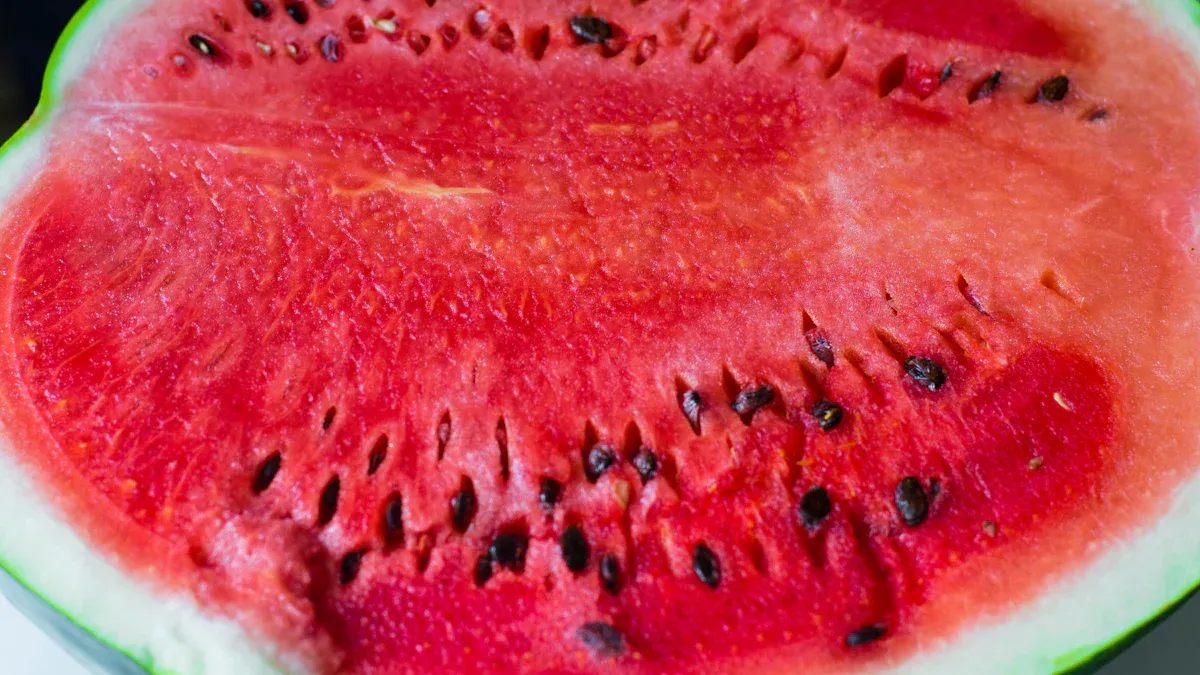
You might enjoy watermelon for its sweet taste, but you also get a powerful dose of watermelon nutrition with every bite. This section breaks down the specific watermelon nutrition facts that make this fruit a healthy choice. You will discover its key components, from energy-giving macronutrients to vital vitamins, minerals, and powerful antioxidants.
Key Macronutrients and Calorie Count
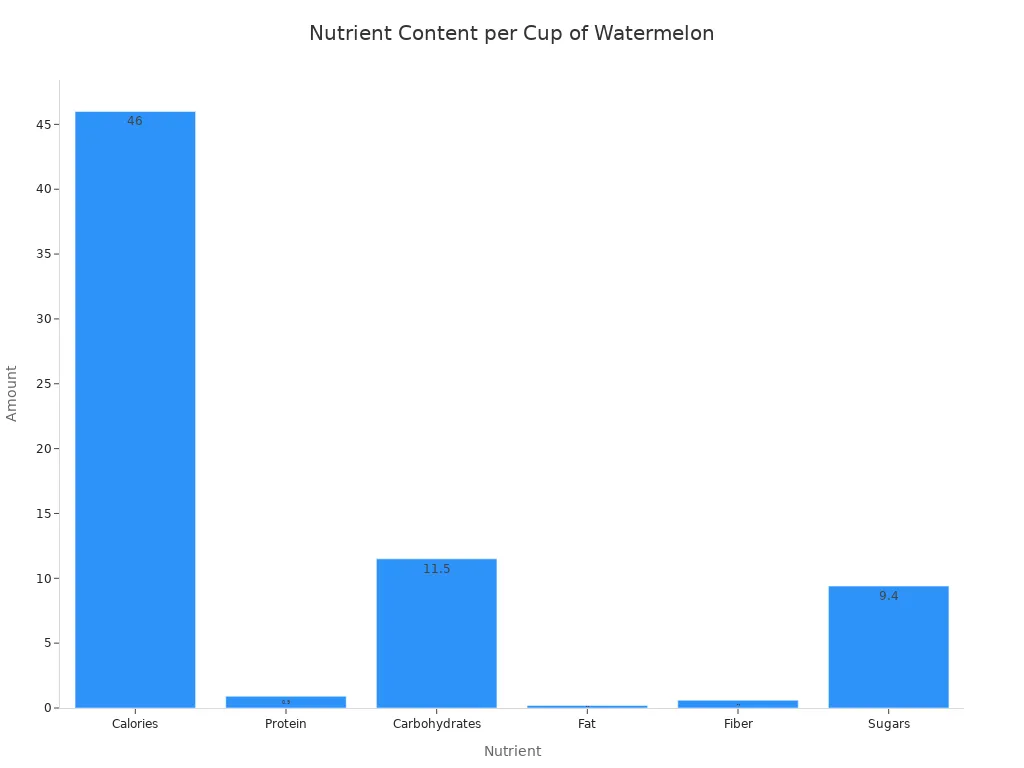
Watermelon offers a light and refreshing profile. A single cup (about 152 grams) contains only 46 calories. This makes it an excellent option if you watch your calorie intake. You get essential energy from its carbohydrates in watermelon. A cup provides about 11.5 to 12 grams of carbohydrates. Protein content is minimal, around 0.9 grams, and fat is very low, at just 0.2 grams. Fiber is also present, with about 0.4 grams per cup, which aids your digestion. When you enjoy a 2/3 cup serving, you consume approximately 6.2 grams of natural sugars. These sugars give watermelon its delightful sweetness.
Here is a quick look at the macronutrient breakdown:
Nutrient | Amount per cup (152g) |
|---|---|
Calories | 46 |
Protein | 0.9g |
Carbohydrates | 11.5g |
Fat | 0.2g |
Fiber | 0.6g |
Sugars | 9.4g |
Essential Vitamins and Minerals
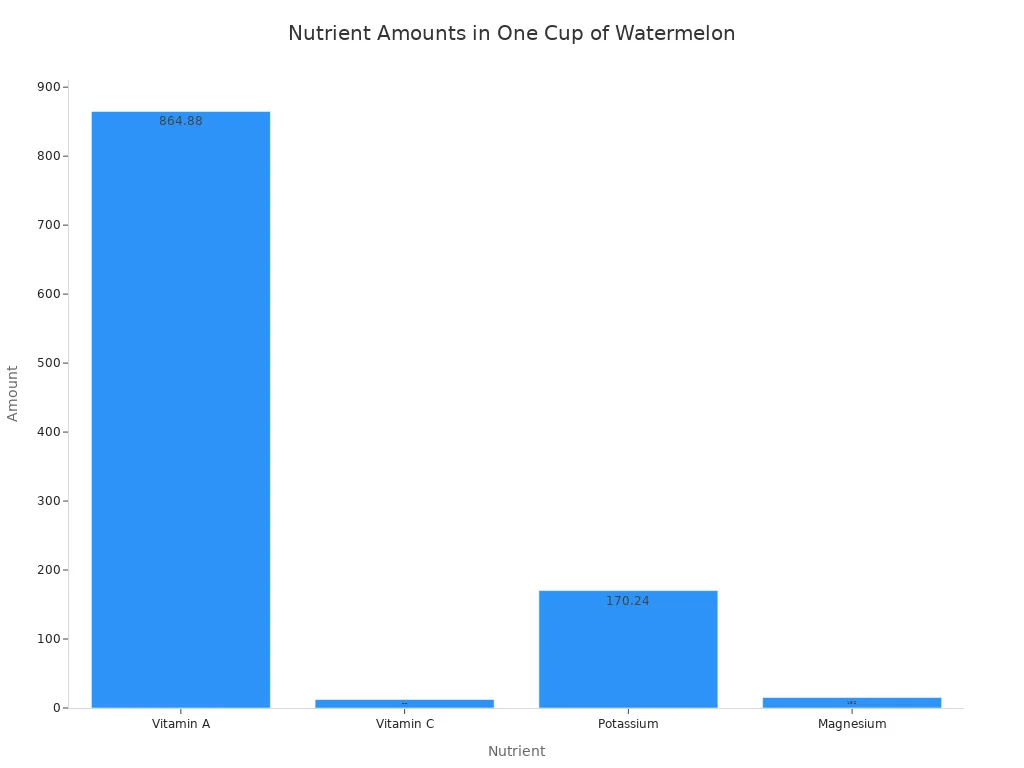
Beyond its macronutrients, watermelon is a good source of several important vitamins and minerals. You receive a significant amount of vitamin C, which supports your immune system. It also provides Vitamin A, crucial for good vision and skin health. You also get important minerals like potassium and magnesium. Potassium helps maintain fluid balance, and magnesium plays a role in muscle and nerve function.
Here are the amounts you find in one cup of watermelon:
Nutrient | Amount (per 1 cup) |
|---|---|
Vitamin A | 864.88 IU |
Vitamin C | 12.31 mg |
Potassium | 170.24 mg |
Magnesium | 15.2 mg |
Do not discard the seeds! Watermelon seeds also offer valuable nutrition. They contain healthy fats, including monounsaturated and polyunsaturated types. These fats are good for your heart. The seeds also provide minerals like magnesium, iron, and zinc, along with B vitamins such as niacin, folate, and thiamine.
Nutrient | Approximate Amount (per 28g) |
|---|---|
Healthy Fats | |
Total Fat | 13g |
Minerals | |
Magnesium | ~118mg |
Zinc | ~2.9mg |
Iron | ~2mg |
Potassium | ~181mg |
Vitamins | |
Niacin (B3) | Present |
Folate (B9) | Present |
Thiamine (B1) | Present |
Powerful Antioxidants
Watermelon is an excellent source of lycopene, a powerful antioxidant. Lycopene gives watermelon its red color. This compound helps protect your cells from damage caused by free radicals. The high ratio of lycopene to carotene in watermelon gives it remarkable antioxidant capacity. This protection can contribute to your overall health and well-being.
Watermelon Hydration Power
Watermelon does more than just taste good. It provides powerful hydration. This makes it an excellent choice for keeping your body properly watered.
High Water Content Explained
Watermelon is an amazing hydrating food choice. It contains a very high percentage of water. In fact, watermelon is 92% water. This means you get a significant amount of fluid with every bite. This high water content helps you stay hydrated easily. It helps your body function at its best.
Electrolytes for Rehydration
When you engage in physical activity or spend time in the sun, your body loses fluids and electrolytes. Watermelon helps replenish these vital components. It contains natural electrolytes like potassium. These electrolytes are crucial for maintaining fluid balance in your cells. They help your body rehydrate effectively after activity.
Benefits of Optimal Hydration
Staying refreshed offers many benefits for your body and mind. Watermelon provides naturally sweet hydration. Optimal hydration supports your overall health in many ways:
Improved Brain Performance: Even a small fluid loss can affect your memory and concentration. Drinking enough water helps your brain work better. It can also stabilize your emotions.
Digestive Harmony: Water is essential for good digestion. It helps prevent issues like constipation and bloating. It aids in breaking down fiber in your food.
More Energy: Dehydration can make you feel tired. Staying hydrated keeps your blood flowing well. It ensures your brain gets enough oxygen, boosting your energy levels.
Weight Management: Water can make you feel full. This helps reduce snacking. It can also boost your metabolism.
Decreased Joint Pain: Your joints need water to stay lubricated. Hydration reduces friction and pain in your joints.
Better Temperature Regulation: Water helps your body cool down through sweat. This prevents heat-related problems.
Kidney Stone Prevention: Water dilutes minerals in your urinary tract. This makes kidney stone formation less likely. It also flushes out bacteria.
Healthier Heart: Water helps maintain healthy blood concentration. It balances electrolytes, which are vital for your heart’s function.
Watermelon Health Benefits
Watermelon offers many health benefits. You gain these advantages when you enjoy this sweet fruit. It supports your body in several important ways.
Heart Health and Blood Pressure
Watermelon is a friend to your heart. It contains a special compound called citrulline. Your body converts this L-citrulline into L-arginine. This process then creates nitric oxide. Nitric oxide is crucial for improving your vascular health. It helps your blood vessels relax. This action can significantly lower blood pressure.
Studies show that consuming watermelon can reduce both systolic and diastolic blood pressure. For example, taking 4 grams of L-citrulline from watermelon extract for six weeks lowered blood pressure in middle-aged adults with hypertension and obesity. Similar benefits were seen in prehypertensive individuals. This means watermelon helps to lower blood pressure, especially if you already have elevated levels. Watermelon products like juice or extract can help reduce blood pressure and arterial stiffness. This is true for people with heart health risk factors. A healthier heart is one of the great health benefits of watermelon.
Lycopene for Disease Defense
Watermelon is loaded with lycopene. This powerful antioxidant gives watermelon its red color. Lycopene helps protect your cells from damage. This damage comes from harmful molecules called free radicals. By fighting these free radicals, lycopene acts as a disease fighter. It helps defend your body against certain diseases. Watermelon is a great source of lycopene, which supports your overall health.
Skin and Hair Vitality
Your skin and hair also benefit from watermelon. Watermelon seeds contain vitamins A, C, and E. These vitamins act as antioxidants. They help protect your skin from damage. They also promote collagen production. This leads to healthier, youthful-looking skin. These vitamins also contribute to stronger hair.
Watermelon seeds are rich in zinc, vitamin E, and omega-6 fatty acids. These nutrients help keep your skin clear, smooth, and moisturized. They do this by lowering inflammation and preventing breakouts. For your hair, these seeds provide proteins, iron, and minerals. These support healthy hair growth. They strengthen hair strands and prevent damage and breakage.
Digestive Health Support
Watermelon is good for your digestion. It contains both fiber and water. Both are essential for a healthy digestive system. Fiber helps you maintain regular bowel movements. Water helps waste move efficiently through your digestive tract. This combination keeps your digestive system running smoothly.
Weight Management Potential
If you are looking for weight loss support, watermelon can help. It is low in calories but high in water. This combination gives you a lot of food volume for very few calories. This helps you feel full and satisfied. It can curb your cravings. Its natural sweetness offers a healthy alternative to high-calorie desserts. This makes it a smart choice for calorie reduction. Eating watermelon before meals can help reduce your overall food intake. Pairing it with protein or fiber can enhance long-term fullness. Watermelon contributes to weight loss by helping you feel full and reducing your total calorie intake.
Anti-Inflammatory Properties
Watermelon also has anti-inflammatory properties. It is rich in various micronutrients. Citrulline, for example, shows anti-inflammatory effects. Studies have shown that citrulline can decrease pro-inflammatory markers. These include tumor necrosis factor-alpha and IL-1 beta. It can also increase the anti-inflammatory marker IL-10. This means watermelon helps reduce inflammation in your body.
Considerations for Eating Watermelon
While watermelon offers many benefits, you should consider a few things. This helps you enjoy it safely and effectively.
Sugar Content and Glycemic Index
You might wonder about the sugar in this fruit. It has a Glycemic Index (GI) of 76. This number seems high. However, it contains only 11 grams of carbohydrates per cup. You would need to eat about 4.5 cups of this fruit to get the same blood sugar impact as one cup of white rice. This means eating watermelon won’t spike your blood sugar as much as you might think.
Here is how this fruit compares to pineapple:
Nutrient | Watermelon (152g) | Pineapple (165g) |
|---|---|---|
Total Carbs | 11.5g | 21.6g |
Total Sugars | 9.4g | 16.3g |
Glycemic Index (GI) | 50 | 66 |
Glycemic Load (GL) | 5.6 | 8.6 |
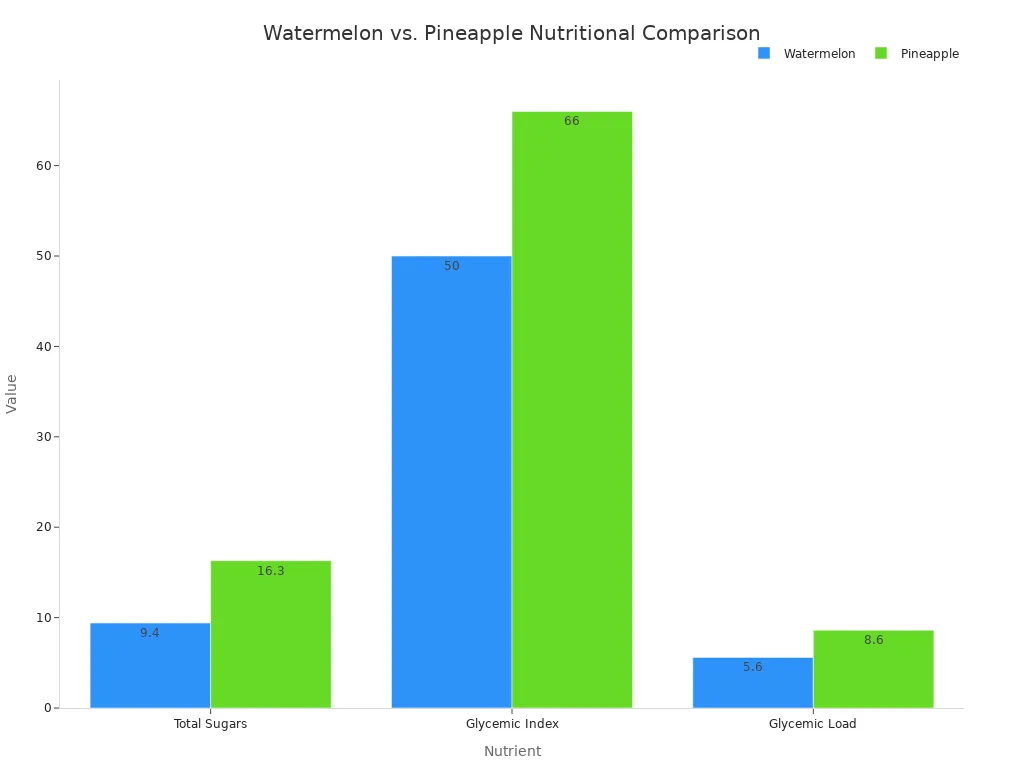
This fruit has fewer total carbohydrates and sugars than pineapple. This gives it a lower Glycemic Load. It has less impact on your blood sugar. A single cup (152 grams) of diced watermelon contains 9.42 grams of natural sugars. It also has 11.5 grams of carbohydrates. A larger wedge (about one-sixth of a watermelon, or 286 grams) contains 17.7 grams of natural sugars and 21.6 grams of carbohydrates.
FODMAPs for Sensitive Individuals
If you have a sensitive digestive system, you should know about FODMAPs. FODMAPs are types of carbohydrates. Some people find them hard to digest. Watermelon contains fructans. Fructans are a type of FODMAP.
Watermelon is a high FODMAP fruit. It contains fructans.
Watermelon also contains fructose. A 150-gram serving of watermelon is high in FODMAPs. This is due to its fructose content.
Watermelon has a high concentration of fructose.
If you follow a low-FODMAP diet, you might need to limit your intake of this fruit.
Allergic Reactions
Allergies to this fruit are rare. However, some people can have a reaction. Symptoms are similar to other food allergies.
You might experience oral allergy syndrome. This causes itching or swelling of your lips, tongue, or throat.
Other reactions include hives, skin rashes, or swelling under your skin.
You might also have trouble breathing.
A study found that 6 out of 29 people sensitive to this fruit showed symptoms.
Only about 25% of people with specific IgE to this fruit get mouth or throat symptoms.
An Indian study showed 79% of children with asthma were sensitive to this fruit during August and September.
Skin contact with this fruit can cause hives. Symptoms can get worse over time. They can lead to severe reactions. These include widespread hives, swelling of lips and tongue, breathing problems, and low blood pressure.
Most people feel symptoms within minutes. Some might feel them after many hours. Severe reactions are uncommon. But they can happen. These include anaphylaxis. Anaphylaxis symptoms are shortness of breath, wheezing, and difficulty breathing. You might also have swelling of your throat, tongue, or face. Dizziness, stomach pain, nausea, vomiting, and low blood pressure are also possible. Food allergies affect about 4 to 6 percent of children. They affect 4 percent of adults.
Selecting, Storing, and Enjoying Watermelon

You want to get the most out of your watermelon. Knowing how to pick a good one, store it properly, and use it in creative ways makes all the difference. This section gives you practical advice.
Tips for Choosing a Ripe Watermelon
Picking a ripe watermelon ensures you get the sweetest, juiciest fruit. You can look for several signs. First, check its shape. A good watermelon is symmetrical and even. Irregular shapes can mean it did not ripen well. Next, look for the “field spot.” This is the creamy yellow patch where the watermelon rested on the ground. A deep, creamy yellow spot means it is sweet and mature. Farmer Ben Horton says this is the easiest way to know it is ripe. Avoid white or very pale spots. The color of a ripe watermelon is dull, not shiny. It has dark green stripes. A shiny look might mean someone picked it too early. You might also see brown, web-like patterns. These can show higher sugar content.
Now, try the knock test. Gently tap the watermelon. A ripe one makes a deep, hollow sound. This means it is dense and juicy inside. A dull or flat sound means it is not ripe enough or too ripe. Finally, feel its weight. A ripe watermelon feels heavy for its size. This shows it is full of juice. Compare a few melons of similar size and pick the heaviest one.
Proper Storage Techniques
Storing your watermelon correctly keeps it fresh and tasty. You can store whole watermelons at room temperature. Keep them between 10–15 °C (50–59 °F). They will stay good for up to 10 days. Once you cut a watermelon, you must refrigerate it. Eat cut pieces within 4 days for the best taste. High humidity and good air circulation are important. These help prevent spoilage for both whole and cut watermelons. Try to keep temperatures consistent. Avoid quick temperature changes.
Creative Culinary Uses
Watermelon is versatile. You can enjoy it in many ways. Of course, you can eat it fresh, right off the rind. But you can also add it to fruit salads. Blend it into refreshing smoothies or juices. Make a savory salad with feta cheese and mint. You can even grill slices of watermelon for a unique flavor. Try making popsicles or sorbet for a cool treat.
Watermelon offers amazing watermelon nutrition. It provides excellent hydration and many health benefits. You can enjoy this versatile fruit as a refreshing snack, dessert, or ingredient. Incorporate watermelon into your healthy diet for a delicious and healthy boost. Embrace the sweet taste and powerful nutrition this fruit brings to your life.
FAQ
Is watermelon good for weight loss?
Yes, watermelon helps with weight management. It has few calories but much water. This makes you feel full. You can reduce your overall calorie intake. It is a smart choice for healthy eating.
Can you eat watermelon if you have diabetes?
You can eat watermelon in moderation. It has a moderate glycemic index. However, its glycemic load is low. This means it does not greatly affect your blood sugar. Watch your portion sizes.
What are the main health benefits of watermelon?
Watermelon offers many benefits. It provides excellent hydration. It supports heart health with citrulline. Lycopene acts as a powerful antioxidant. This helps protect your cells. You also get vitamins and minerals.
How much watermelon should you eat daily?
Enjoy watermelon in moderation. A typical serving is one to two cups. This provides good nutrition without too much sugar. Listen to your body’s needs. You can fit it into a balanced diet.