

You’ll find smooth, plant-based matchas that suit ritual sipping and easy lattes. Try Matchabar or HAYASHIYA for silky ceremonial cups from early-season harvest leaves. Republic of Tea’s Double Green gives a milder, bagged option for quick brewing. Rishi Sweet Matcha blends sugar for instant cold or hot lattes, and SOKYO from Shizuoka feels layered and floral for slow mornings. Look for USDA Organic, opaque airtight tins, and small packs to keep freshness, and keep going to learn more.
| Matchabar Ceremonial Grade Japanese Matcha Powder (80g) |

| Best Overall | Grade: Ceremonial grade | Origin Region: Kagoshima, Japan | Form: Powder | VIEW LATEST PRICE | Read Our Analysis |
| HAYASHIYA Ceremonial Matcha Powder (30g) |

| Best Organic Choice | Grade: Ceremonial grade | Origin Region: Kyoto, Japan | Form: Powder | VIEW LATEST PRICE | Read Our Analysis |
| Republic of Tea Organic Double Green Matcha (50 Cups) |

| Best for Everyday Brew | Grade: Blend includes matcha (double green) – premium/tea-grade matcha | Origin Region: Japan (matcha) and China (green tea leaves) | Form: Powder + loose leaves (blend) | VIEW LATEST PRICE | Read Our Analysis |
| Rishi Sweet Matcha Green Tea Powder (3-Pack) |
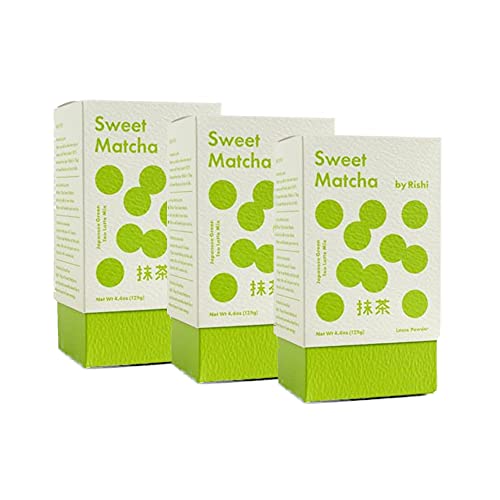
| Best for Lattes | Grade: Matcha latte grade (sweet matcha; beverage-grade) | Origin Region: Japan (sourced via direct-trade; Japanese matcha) | Form: Powder (sweetened latte powder) | VIEW LATEST PRICE | Read Our Analysis |
| SOKYO Ceremonial Matcha Powder (Shizuoka 100g) |

| Best for Connoisseurs | Grade: Ceremonial grade | Origin Region: Shizuoka, Japan | Form: Powder | VIEW LATEST PRICE | Read Our Analysis |
More Details on Our Top Picks
Matchabar Ceremonial Grade Japanese Matcha Powder (80g)
Provided you want a matcha that feels like a calm, focused lift instead of a jittery buzz, Matchabar Ceremonial Grade Japanese Matcha is a top pick for 2026, especially assuming you care about authentic craft and clean ingredients. You’ll notice silky powdered green tea from an 80 g tin, family farmed in Kagoshima and blended under a tea expert’s eye. You get initial-harvest, shade-grown leaves for smooth flavor, plus caffeine and L-theanine for steady focus. It’s non GMO, vegan, gluten free, sugar free, and zero calories. Use it for traditional tea, creamy lattes, or gentle energy during busy days.
- Grade:Ceremonial grade
- Origin Region:Kagoshima, Japan
- Form:Powder
- Certifications / Claims:Non-GMO; gluten-free; vegan; sugar-free
- Typical Uses:Traditional tea, lattes, energy/focus support
- Functional Compounds / Effects:Caffeine and L-theanine; high antioxidants (~10× regular green tea)
- Additional Feature:Family-farmed Kagoshima
- Additional Feature:10th-level chashi blend
- Additional Feature:First-harvest, younger leaves
HAYASHIYA Ceremonial Matcha Powder (30g)
Should you want a matcha that feels like a quiet moment in Kyoto and still works for your busy mornings, HAYASHIYA Ceremonial Matcha Powder (30g) is a smart pick because it’s made from initial-harvest leaves and stone-ground into an ultra-fine, silky powder. You’ll notice a bright green color and natural sweet umami that calms you while sharpening focus. It’s USDA Organic and packed with EGCG, L-theanine, and gentle caffeine, so you get steady alertness without jitters. The airtight tin keeps it fresh for daily rituals. Use it for tea, creamy lattes, smoothies, or baking with plant milks.
- Grade:Ceremonial grade
- Origin Region:Kyoto, Japan
- Form:Powder
- Certifications / Claims:USDA Organic
- Typical Uses:Traditional tea, lattes, smoothies, baking
- Functional Compounds / Effects:Caffeine, L-theanine, EGCG (antioxidants); calm alertness
- Additional Feature:USDA Organic certified
- Additional Feature:Stone-ground granite mills
- Additional Feature:Airtight light-block tin
Republic of Tea Organic Double Green Matcha (50 Cups)
Should you want a bold, lively matcha that still feels familiar and easy to make, the Republic of Tea Organic Double Green Matcha is a great pick for everyday ritual and small gatherings. You’ll get a blend of organic Japanese matcha plus organic green tea leaves, so flavor lands grassy, vivid, and crisp. Use fresh filtered water just short of boiling, then steep tea bags 1 to 3 minutes or full leaf 2 to 4 minutes. Pour about 6 ounces per bag. It’s USDA Organic, Non GMO Verified, gluten free, kosher, and yields roughly 50 cups for sharing.
- Grade:Blend includes matcha (double green) – premium/tea-grade matcha
- Origin Region:Japan (matcha) and China (green tea leaves)
- Form:Powder + loose leaves (blend)
- Certifications / Claims:USDA Organic; Non-GMO Project Verified; gluten-free; kosher
- Typical Uses:Steeped tea (bags/leaf) and matcha-style preparations (50 cups yield)
- Functional Compounds / Effects:Caffeine (medium); antioxidant green tea catechins (organic blend)
- Additional Feature:Blend of powder + leaves
- Additional Feature:Yields ~50 cups
- Additional Feature:Non-GMO & Kosher
Rishi Sweet Matcha Green Tea Powder (3-Pack)
In case you want an easy, everyday matcha that makes sweet lattes without fuss, Rishi Sweet Matcha Green Tea Powder is a solid pick for busy people who still care about quality. You’ll like that it blends Japanese matcha with pure sugar cane so drinks taste smooth without extra effort. It dissolves fast in hot or cold milk, so you can make lattes, iced matcha, or a bright matcha lemonade in minutes. The three 4.4 ounce tins yield about ten lattes each. It’s non GMO, Kosher, direct trade, and grown without harmful chemicals, so you can sip with confidence.
- Grade:Matcha latte grade (sweet matcha; beverage-grade)
- Origin Region:Japan (sourced via direct-trade; Japanese matcha)
- Form:Powder (sweetened latte powder)
- Certifications / Claims:Kosher; Non-GMO
- Typical Uses:Barista-style lattes (hot or iced), matcha drinks, mixes
- Functional Compounds / Effects:Caffeine (from matcha); formulated for well-being (contains sugar cane)
- Additional Feature:Pre-sweetened with cane
- Additional Feature:Barista-friendly dissolving
- Additional Feature:Direct-trade sourcing
SOKYO Ceremonial Matcha Powder (Shizuoka 100g)
Provided that you love a deep, refined tea moment, SOKYO Ceremonial Matcha from Shizuoka is made for you. You’ll notice how shading the leaves builds umami and sweet notes, and you’ll appreciate the floral scent from quick steaming and drying. The fine grind gives a smooth, mellow texture that feels gentle in your mouth. You can use it for quiet ceremonial sipping or to lift a morning routine without losing depth. The aroma and flavor work together, so whenever you whisk, expect a layered experience that’s both luxurious and approachable, perfect for mindful tea lovers.
- Grade:Ceremonial grade
- Origin Region:Shizuoka, Japan
- Form:Powder
- Certifications / Claims:(No formal certification listed) – ceremonial quality; shading/processing claims
- Typical Uses:Ceremonial tasting, traditional tea, refined preparations
- Functional Compounds / Effects:Caffeine and concentrated umami (from shaded leaves); antioxidant-rich ceremonial matcha
- Additional Feature:Shizuoka-grown origin
- Additional Feature:Rapid steam-and-dry processing
- Additional Feature:Emphasis on aroma complexity
Factors to Consider When Choosing Vegan Matchas
Whenever you pick a vegan matcha, start alongside checking where it’s grown and how the land shapes its taste. Look at harvest time and grade, plus certifications and ingredient lists so you know it’s ethical and pure. Afterwards taste for balance between sweetness, umami, and astringency to find a cup that feels right for you.
Origin And Terroir
Because the place where tea grows shapes everything from color to taste, you should care about origin and terroir whenever choosing vegan matcha. You’ll notice cooler, higher-altitude farms give brighter, more vegetal notes, while lowland, humid valleys offer rounder, sweeter flavors. Shading choices before harvest build deep green color and enhance umami, so ask how long plants were shaded. Initial-harvest leaves tend to show the clearest terroir, with finer texture and gentler aromas, so look for ichibancha when you desire purity. Processing matters too because quick steaming, careful drying, and slow stone-grinding keep delicate aromatics and mouthfeel intact. Single-estate or single-region matchas reveal subtle microclimate differences, so pick those should you prefer a precise, place-driven cup.
Harvest And Grade
You’ve already seen how soil, altitude, and shading shape matcha’s personality, and those same elements meet their moment of truth at harvest and in grading. You’ll notice initially harvest leaves are tender and shaded, so they hold more L-theanine and a sweeter, umami-forward taste. That makes ceremonial grade feel smooth and lively whenever sipped plain. Culinary grade, by contrast, often uses older leaves or stems, and it stands up better in baking and lattes where bold flavors work.
Shade-grown leaves bring brighter green color and a softer bite compared with sun-grown ones. Early picks pack more antioxidants and a delicate profile, while later flushes can taste vegetal or a bit astringent. Finally, stone grinding to an ultra-fine powder gives silkier mouthfeel and fuller flavor extraction.
Certification And Ethics
Provided you care about more than taste, start checking the labels and the story behind the matcha you purchase. You’ll want clear vegan labels or ingredient lists so no concealed dairy powders or honey slip in. Also look for trusted third party seals like USDA Organic or Non GMO Project to lower the chance of cross contact during processing. Read packaging for remarks about shared lines or facilities to judge contamination risk. Prefer brands that share sourcing and traceability details, naming farmers and methods so you can trust their claims. Finally, seek ethical certifications such as Fair Trade or direct trade statements to support fair labor and community care. These steps help you choose matcha that matches your values and feels right.
Ingredient Transparency
You probably recall the ethical labels we talked about, and now let’s look closer at what’s actually inside the tin. You want a clear ingredient list stating 100% pure green tea or matcha powder with no lactose, milk solids, honey, gelatin, or other animal additives. Look for explicit vegan or plant-based certification or third-party verification so you can trust sourcing and cross-contact controls. Also check added ingredients like sweeteners, flavorings, creamer powders, or emulsifiers. Verify each is plant-derived, such as cane sugar, coconut milk powder, or sunflower lecithin. Read about processing aids and anti-caking agents and whether they come from plant or acceptable synthetic sources. Finally use allergen statements and facility disclosures to judge shared-line risks and cleaning protocols.
Flavor Profile Balance
Provided you desire matcha that feels smooth and comforting, pay close attention to how its flavors balance between umami and grassy subtleties. You want savory, glutamate-driven sweetness to soften vegetal notes so bitterness stays low. Pick prime-harvest, younger leaves whenever you can because they bring brighter green color and sweeter umami. Also seek leaves shaded before harvest since shading enhances L-theanine, which rounds flavor and tames sharpness for a creamier sip. Grinding and particle fineness matter too because finer stone-ground powder increases perceived sweetness and cuts grainy bitterness. Finally, choose fresh, airtight, light-blocking packaging to preserve aromatic complexity. As you follow these cues, your cup will feel steady, pleasant, and reliably soothing every time.
Texture And Solubility
After you’ve picked a matcha with a balanced flavor, texture and solubility become the next things that shape how it feels in your mouth and how easy it is to make. You’ll notice ultra-fine, stone-ground powders feel silkier because tiny particles dissolve and suspend evenly in water or plant milk. Ceremonial-grade matcha usually offers that smoothness, so you won’t get grit. Should you plan cold drinks, consider blends with sugars or soluble carriers since they dissolve faster, while pure leaf-only matcha might need a whisk or blender. Keep powder fresh in an airtight, light-blocking, cool spot so oils stay intact and clumps don’t form. To help mixing, pre-sift, aerate, or use a fine whisk or high-speed blender for better solubility and mouthfeel.
Caffeine And L-Theanine
As you’re choosing a vegan matcha, consider how caffeine and L-theanine work together in the cup. You get both at once: about 35 to 70 mg of caffeine and 25 to 35 mg of L-theanine per gram, depending on grade and harvest. L-theanine calms your brain and, whenever paired with caffeine, reduces jitters while sharpening attention. Because matcha uses whole leaf powder, caffeine releases more slowly than coffee, so alertness can last three to six hours. Higher grade, shade grown matcha usually gives you more L-theanine and a smoother, gentler buzz. Should you be sensitive to stimulants, try smaller servings like 0.5 to 1 g or lower caffeine blends, and avoid late night cups to protect sleep.
Packaging And Freshness
You already know how the caffeine and L-theanine in matcha shape your cup; now consider how packaging keeps that feeling fresh. Whenever you choose matcha, pick opaque, light-blocking containers like metal tins or foil pouches because light ruins chlorophyll and flavor fast. Also check for airtight seals or resealable closures so oxygen can’t flatten aroma and nutrients. Look for small portions, inner nitrogen-flushed packs, or single-serve sachets since they lock in freshness better than big open bags. Take note net weight and servings; smaller sizes, 30 to 100 g, work well whenever you drink matcha daily. Finally, store unopened and opened matcha in the coldest, darkest spot in your pantry or fridge to slow color and flavor loss.
