

You can safely eat waterthyme (hydrilla) as food. Hydrilla stands out as nature’s secret superfood because it packs more calcium, iron, and sodium than most other aquatic or land plants. See how hydrilla compares:
Nutrient | Hydrilla verticillata | Other Aquatic Plants | Land Plants |
|---|---|---|---|
Na | Higher | Similar | Similar |
Fe | Higher | Similar | Similar |
Ca | Higher | Similar | Similar |
P | Lower | Similar | Similar |
K, Mg, Cu, Zn, Mn | Similar | Similar | Similar |
You get health benefits like strong bones, better digestion, and improved circulation when you include hydrilla in your routine.
Key Takeaways
Hydrilla is a nutrient-rich superfood, offering high levels of calcium, iron, and B vitamins that support strong bones and healthy blood.
Always check the source of hydrilla before eating. Choose hydrilla from clean, tested water to avoid harmful toxins.
Incorporate hydrilla into your meals for better digestion and improved circulation. It can be added to soups, salads, or smoothies.
Hydrilla contains antioxidants that help protect your body from damage and support your immune system.
Farmers and pet owners use hydrilla as food for animals, making it a versatile plant for both human and animal nutrition.
Waterthyme (Hydrilla) Overview
What Is Waterthyme?
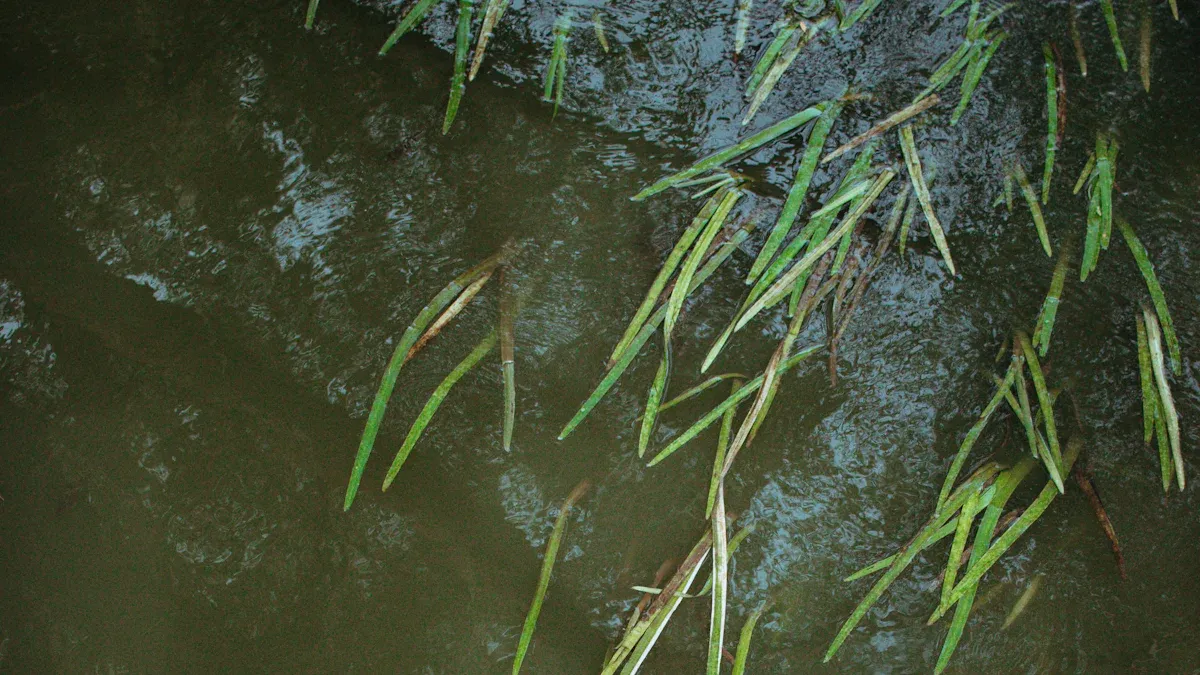
You may know waterthyme (hydrilla) as a fast-growing aquatic plant found in lakes, ponds, and rivers. Hydrilla belongs to the Hydrocharitaceae family. Scientists call it hydrilla verticillata. This aquatic plant comes from Asia, especially the Indian subcontinent and Sri Lanka. People first brought hydrilla to North America through the aquarium trade. Today, you can find it in many freshwater habitats.
Family: Hydrocharitaceae
Genus: Hydrilla
Species: Hydrilla verticillata
Origin: Asia (Indian subcontinent, Sri Lanka); introduced to North America
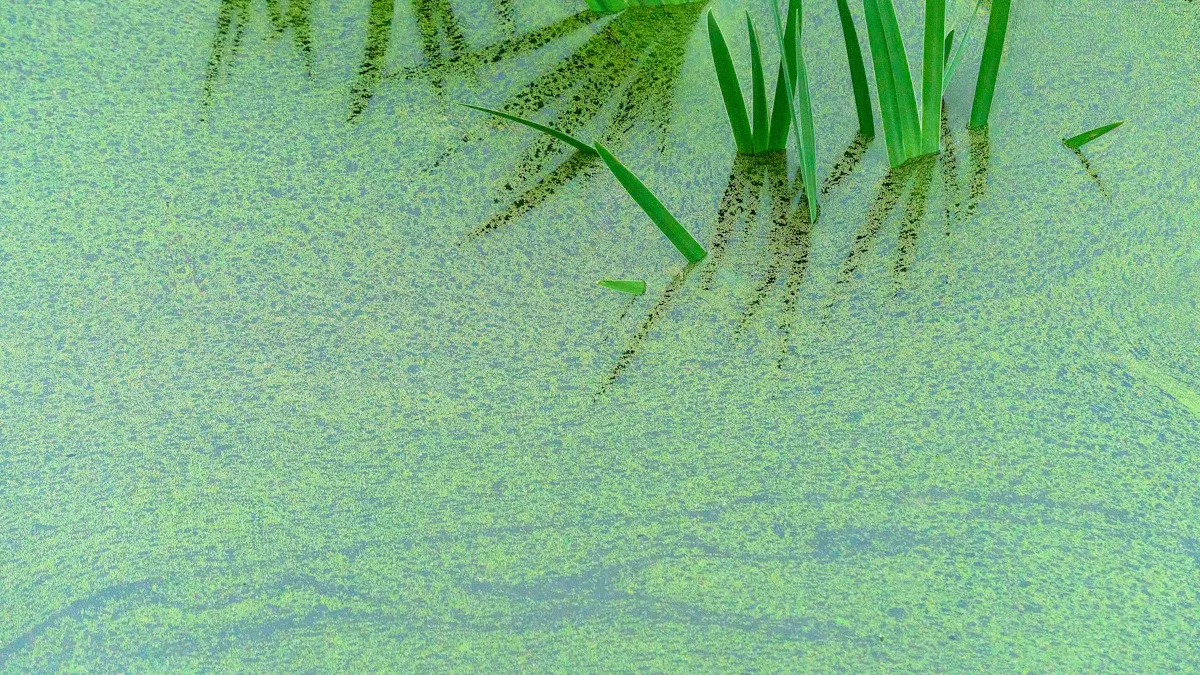
Hydrilla grows underwater and forms dense mats. You often see it crowding out other aquatic plants. Its thin, green leaves help it survive in low light and poor water conditions. Hydrilla is one of the most adaptable aquatic plants. You may hear different names for hydrilla depending on where you live. Here are some common names:
Common Name | Regional Variation |
|---|---|
Hydrilla | |
Florida Elodea | |
Water Thyme | |
Waterthyme |
Is It Safe to Eat?
You can eat hydrilla, but you should know about possible risks. Hydrilla verticillata is not toxic by itself. Many people use it as food or a supplement because it contains high levels of nutrients. However, you need to watch out for contamination. Sometimes, a cyanobacterium called Aetokthonos hydrillicola grows on hydrilla leaves. This microbe produces a neurotoxin that can harm wildlife and may affect humans. In some areas, up to 95% of hydrilla leaves have this cyanobacterium. Eating hydrilla from contaminated water can cause health problems.
Evidence Description | Source |
|---|---|
The presence of a neurotoxin produced by a cyanobacterium that colonizes hydrilla, linked to wildlife diseases and potential human health effects. | New York Invasive Species Research Institute |
Aetokthonos hydrillicola colonizes up to 95% of hydrilla leaves and produces a neurotoxin causing Vacuolar myelinopathy (VM). | New York Invasive Species Research Institute |
Hydrilla can lead to oxygen depletion zones harmful to fish populations and create toxic algae blooms affecting animals and humans. | Cornell Cooperative Extension |
Tip: If you want to eat hydrilla, always check the source. Choose hydrilla from clean, tested water to avoid toxins.
Hydrilla is a valuable aquatic plant, but you must stay aware of safety concerns. You can enjoy its benefits if you use proper caution.
Hydrilla Nutrition
Key Nutrients
You discover a rich nutritional profile when you look at hydrilla. This aquatic plant offers a wide range of essential nutrients that support your health. Hydrilla verticillata contains high levels of calcium, making it one of the richest plant sources of this mineral. Calcium helps you build strong bones and teeth. You also get a boost of iron, which supports healthy blood and energy levels.
Hydrilla provides significant amounts of B vitamins. These vitamins help your body turn food into energy and keep your nerves working well. Laboratory analyses show that hydrilla verticillata contains notable levels of B vitamins and iron, although exact numbers are not always available. You also find other minerals such as magnesium, potassium, copper, zinc, and manganese. These minerals help your muscles, nerves, and immune system work properly.
Here is a quick look at the nutritional profile of hydrilla:
Nutrient | Role in Your Body |
|---|---|
Calcium | Bone and teeth strength |
Iron | Blood health and energy |
B Vitamins | Energy and nerve support |
Magnesium | Muscle and nerve function |
Potassium | Fluid balance |
Copper | Immune support |
Zinc | Growth and healing |
Manganese | Metabolism |
Tip: You can add hydrilla to your diet to increase your intake of essential nutrients and minerals.
Hydrilla stands out as a superfood because it packs more calcium, iron, and sodium than most other aquatic or land plants. You get a wide variety of vitamins and minerals from this plant, which makes it a valuable addition to your nutrition routine.
Unique Properties
Hydrilla offers more than just basic vitamins and minerals. You find unique phytochemicals and bioactive compounds in hydrilla verticillata that set it apart from other aquatic plants. Scientists have identified verticillatine as a special compound in hydrilla. This plant also contains antioxidants such as carotenoids and chlorophyll. These antioxidants help protect your cells from damage and support your immune system.
You benefit from other bioactive compounds in hydrilla that may offer health advantages. Research shows that hydrilla contains compounds with antioxidant, anti-inflammatory, and immune-supportive properties. Some studies suggest that hydrilla extracts may help reduce inflammation and fight oxidative stress. Flavonoids and phenolics found in hydrilla contribute to these effects.
Verticillatine
Carotenoids
Chlorophyll
Flavonoids
Phenolics
Hydrilla verticillata has a long history in Asian medicinal systems. People have used it to treat inflammation-related conditions. Limited laboratory and animal studies suggest that hydrilla may help reduce inflammation and support overall wellness.
Note: You get both nutritional qualities and unique health-supporting compounds when you choose hydrilla. This plant offers a complete nutritional profile and special properties that make it stand out among aquatic plants.
Health Benefits
Digestive Support
You may wonder what makes hydrilla a helpful choice for your digestive system. This aquatic medicinal plant contains fiber and bioactive compounds that support healthy digestion. When you eat hydrilla, you introduce antioxidants and anti-inflammatory agents into your body. These compounds help soothe your gut and may reduce irritation.
Hydrilla extracts may show antioxidant, anti-inflammatory, and immune-supportive properties.
Animal studies suggest hydrilla supplementation improves antioxidant status in animal models.
You can use hydrilla to promote regular bowel movements and support detoxification. The fiber in hydrilla helps move waste through your digestive tract. This process keeps your system clean and may lower your risk of digestive discomfort. Hydrilla’s unique phytochemicals also help balance gut bacteria, which supports overall health.
Tip: If you want to boost your digestive health, consider adding hydrilla to your meals. You may notice better comfort and regularity.
Circulation and Metabolism
Hydrilla offers important benefits for your blood and metabolism. This medicinal plant contains high levels of iron and B vitamins. Iron helps your body make healthy red blood cells. B vitamins support energy production and keep your nerves working well.
You may experience improved circulation when you include hydrilla in your diet. Better blood flow means your organs get more oxygen and nutrients. This process helps you feel more energetic and alert. Hydrilla’s minerals, such as magnesium and potassium, also help regulate your heartbeat and muscle function.
If you want to support weight management, hydrilla can help. The nutrients in hydrilla boost your metabolism and help your body burn calories more efficiently. You may find it easier to maintain a healthy weight when you eat this superfood regularly.
Benefit | What You Get |
|---|---|
Iron | Healthy blood, more energy |
B Vitamins | Better metabolism |
Magnesium | Heart and muscle support |
Potassium | Fluid balance |
Antioxidant Effects
Hydrilla stands out for its strong antioxidant effects. You get carotenoids, chlorophyll, and flavonoids when you eat hydrilla. These compounds protect your cells from damage caused by free radicals. Antioxidants help slow down aging and may lower your risk of chronic diseases.
You can use hydrilla to support detoxification. The antioxidants in hydrilla help your body remove harmful substances. This process keeps your organs healthy and supports your immune system. Hydrilla’s anti-inflammatory properties also help reduce swelling and discomfort.
Note: Hydrilla’s antioxidant and detoxification effects make it a valuable addition to your health routine. You get protection and support for your body’s natural defenses.
You may find that waterthyme (hydrilla) offers a wide range of health benefits. This aquatic plant supports your digestion, circulation, metabolism, and detoxification. Hydrilla’s unique properties make it a powerful medicinal plant for anyone seeking better health.
Uses and Preparation

Human Uses
You can use waterthyme (hydrilla) as food in several ways. People in Asia have used this aquatic plant for centuries. You may find hydrilla in soups, salads, and herbal teas. Some health enthusiasts add hydrilla powder to smoothies or juices. You can treat hydrilla as a superfood because it contains many nutrients. Many people use hydrilla as human food to boost calcium and iron intake. You may see hydrilla sold as dried flakes or powder in specialty stores. Some cultures use hydrilla as a natural remedy for inflammation and digestive problems.
Tip: Try adding hydrilla to your favorite food recipes. You can start with small amounts to see how you like the taste.
Animal and Agricultural Uses
Farmers and pet owners use hydrilla as food for animals. Fish and turtles eat hydrilla in ponds and aquariums. You may see hydrilla used as feed for ducks and geese. Some farmers use hydrilla to improve soil quality in rice fields. Hydrilla helps control algae and provides shelter for aquatic animals. You can use hydrilla to support healthy growth in aquatic environments. Many people use hydrilla to keep water clean and balanced for fish and other aquatic life.
Animal | Uses of Hydrilla as Food |
|---|---|
Fish | Main food source |
Turtles | Supplement diet |
Ducks/Geese | Occasional food |
How to Prepare
You need to prepare hydrilla carefully before you eat it. Always choose hydrilla from clean water to avoid toxins. Wash the leaves well to remove dirt and possible contaminants. You can steam, boil, or dry hydrilla for use in food. Some people blend hydrilla into smoothies or soups. You may also use hydrilla powder for easy mixing with drinks. If you want to use hydrilla as food for people, start with small servings. Watch for any allergic reactions or digestive changes.
Note: Never eat hydrilla from polluted or unknown sources. Safe preparation helps you enjoy the benefits of this aquatic plant.
You discover that waterthyme (hydrilla) gives you strong nutrition, unique health benefits, and safe options for eating. This plant stands out as a rich source of calcium, iron, and antioxidants. You can use hydrilla in food, drinks, or animal feed.
Tip: Always choose clean, tested hydrilla for your meals. Explore new ways to add this versatile plant to your diet and wellness routine.
FAQ
What does hydrilla taste like?
You notice a mild, grassy flavor when you eat hydrilla. Some people say it tastes like spinach or watercress. You can add hydrilla to soups or salads for a fresh, green taste.
What is the best way to store hydrilla?
You keep hydrilla fresh by storing it in the refrigerator. Place clean leaves in a sealed container. You can also dry hydrilla and store it in a cool, dry place.
What should you check before eating hydrilla?
You must check the source of hydrilla. Make sure it comes from clean, tested water. Wash the leaves well to remove dirt and possible toxins.
Tip: Always choose hydrilla from trusted suppliers to avoid health risks.
What animals eat hydrilla in nature?
Fish, turtles, ducks, and geese eat hydrilla in ponds and lakes. Hydrilla provides food and shelter for many aquatic animals.
What nutrients make hydrilla a superfood?
Hydrilla contains high levels of calcium, iron, and B vitamins. You also get antioxidants and fiber. These nutrients help support strong bones, healthy blood, and good digestion.
Nutrient | Benefit |
|---|---|
Calcium | Bone strength |
Iron | Blood health |
B Vitamins | Energy support |