


You may know apple mint as a type of mint with soft, fuzzy leaves. Apple mint stands out because it gives off a gentle, fruity aroma that sets it apart from other mint varieties. When you rub apple mint leaves, you notice a sweet scent that reminds you of apples. Many people use apple mint in their kitchens for fresh flavor. Apple mint grows well in gardens and pots, so you can easily add this mint to your home. Apple mint continues to gain attention for its unique taste and Health Benefits. You find apple mint in drinks, salads, and even desserts. This mint works well in many recipes, making apple mint a favorite for cooks and gardeners.
Key Takeaways
Apple mint has a sweet, fruity aroma and mild flavor, making it a versatile ingredient in salads, drinks, and desserts.
This herb is rich in vitamins and minerals, including vitamin C and calcium, which support your immune system and bone health.
Apple mint aids digestion by relaxing the muscles in your digestive tract, helping to relieve discomfort after meals.
You can easily grow apple mint in your garden or pots, as it thrives in full sun and moist, nutrient-rich soil.
To keep apple mint fresh, store it in the refrigerator wrapped in a damp paper towel for up to two weeks.
What Is Apple Mint?
Appearance & Taste
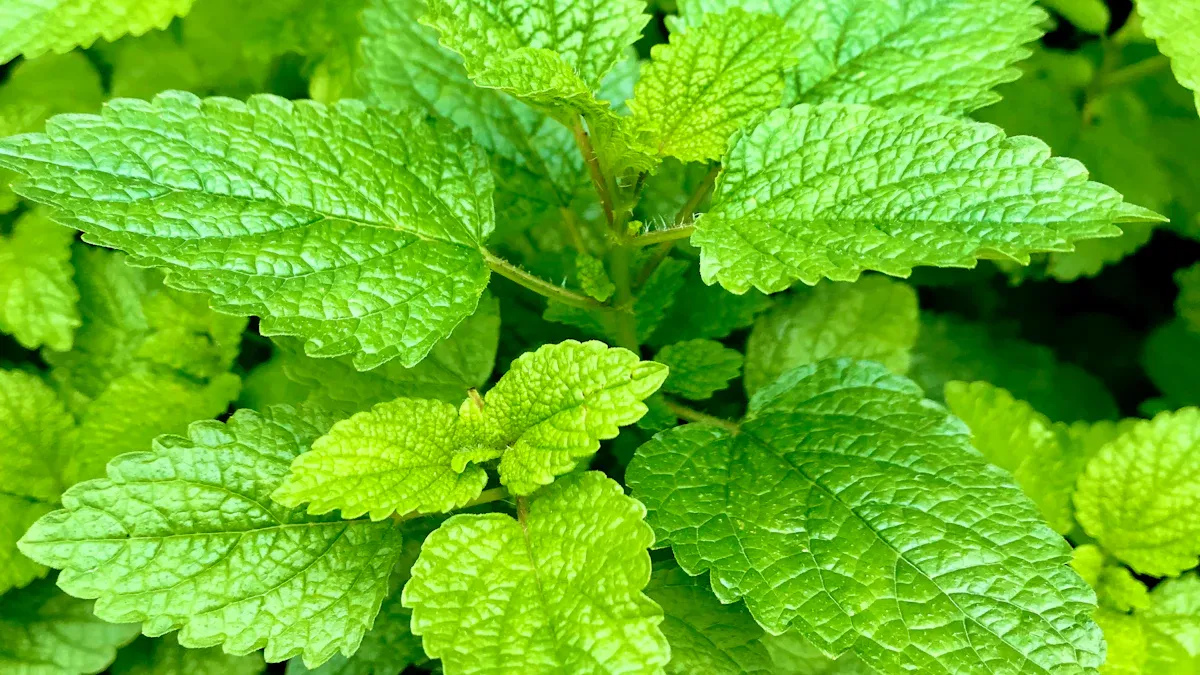
When you look at apple mint, you notice its light green, round-oval leaves. The leaves feel soft and fuzzy because of fine hairs on the surface. This texture makes apple mint easy to recognize among other types of mint. The plant grows up to one meter tall and produces white or pinkish flowers in summer. If you rub the leaves, you smell a sweet, apple-like aroma. The taste is mild and fruity, which gives apple mint a gentle flavor in recipes. Many people enjoy this variety because it does not overpower dishes.
Characteristic | Apple Mint | Spearmint | Peppermint |
|---|---|---|---|
Leaf Texture | Fuzzy with fine hairs | Smooth | Smooth |
Leaf Size | Larger and softer | Smaller | Variable |
Growth Habit | Taller stalks, more delicate | Sturdy | Sturdy |
Aroma | Sweet mint, apple-like | Strong mint | Strong mint |
How It Differs from Other Mints
You may wonder what is mint and how apple mint stands out. Apple mint, also called Mentha Suaveolens, has unique features. The leaves are larger and softer than those of spearmint or peppermint. You can feel the fine hairs on apple mint leaves, while peppermint and spearmint leaves feel smooth. The aroma of apple mint is sweet and fruity, unlike the strong scent of peppermint.
Apple mint leaves are fuzzy with fine hairs.
They are larger and softer compared to spearmint leaves.
Apple mint has a sweet, apple-like aroma.
Apple mint also has a different chemical profile. It contains unique essential oils and antioxidants. Scientists found that apple mint has its own set of phytochemicals, which makes it different from other mint varieties. Peppermint often has a stronger antioxidant capacity, but apple mint offers a distinct flavor and aroma.
Growing Apple Mint
You can grow apple mint in your garden or in pots. This plant likes full sun but can tolerate some shade. Apple mint grows best in fresh, moist soil that is rich in nutrients. You should keep the soil constantly moist but not soggy.
Aspect | Requirement |
|---|---|
Sunlight | Full sun, tolerates partial shade |
Soil Type | Fresh to moist, humus soil |
Water | Keep moist at all times |
Tip: Plant apple mint where it can get plenty of sunlight and water it regularly. This helps the plant grow healthy and strong.
If you want to know what is mint and how to choose the right type, apple mint is a great option for beginners. It grows quickly and adds a fresh, fruity note to your garden.
Apple Mint Nutrition
Vitamins & Minerals
Apple mint gives you a variety of nutrients that help your body stay healthy. You find vitamins like vitamin C, vitamin A, and vitamin B2 in apple mint leaves. These vitamins support your immune system and help your skin look fresh. Apple mint also contains minerals such as calcium, potassium, and magnesium. These minerals help your bones and muscles work well. If you want to boost the nutritional value of your meals, you can add apple mint to salads or sauces. The nutritional content of mint makes it a smart choice for anyone who wants to improve their diet.
Vitamin/Mineral | Role in Your Body |
|---|---|
Vitamin C | Supports immunity |
Vitamin A | Helps vision and skin |
Vitamin B2 | Boosts energy |
Calcium | Strengthens bones |
Potassium | Balances fluids |
Magnesium | Supports muscles |
Tip: You can use fresh apple mint leaves to add extra nutrients to your daily meals.
Antioxidants
Apple mint is rich in antioxidants and phytonutrients. These compounds protect your cells from damage and help your body fight stress. You find that apple mint is rich in phytonutrients, which means it supports your overall health. Antioxidants in mint help your body recover faster and may lower your risk of illness. If you want to eat foods that are rich in antioxidants, apple mint is a great option. You can add apple mint to drinks or teas for a refreshing boost.
Calorie Content
Apple mint has a low calorie content. You can enjoy the flavor of mint without worrying about extra calories. One tablespoon of fresh apple mint contains less than five calories. This makes apple mint a good choice for people who want to manage their weight. You get flavor, nutrients, and nutritional value without adding many calories to your meals. Apple mint helps you enjoy healthy eating while supporting digestion and wellness.
Health Benefits of Apple Mint
Apple mint offers a wide range of health benefits that make it a valuable herb for your wellness. You can find that the health benefits of mint go beyond flavor. Apple mint supports your body in many ways, from improving digestion to helping your immune system. The vitamins and antioxidants in apple mint play a key role in these benefits.
Digestive Health
You may notice that apple mint is often used to soothe the stomach. People have used mint for centuries to help with indigestion and bloating. Apple mint contains compounds that relax the muscles in your digestive tract. This action helps food move smoothly through your stomach and intestines. When you eat apple mint, you may feel relief from discomfort after meals.
Study Type | Findings |
|---|---|
Multiple studies | Showed that peppermint oil helps food pass through the stomach quicker, relieving indigestion. |
2019 review | Supports peppermint oil as a remedy for gastrointestinal conditions, including indigestion and IBS. |
Mint has a long history of treating gastrointestinal problems.
A 2019 review found that mint helps regulate muscle relaxation and control inflammation.
Mint can fight harmful microbes in your gut.
You can use apple mint to promote digestion and improve your comfort after eating. The health benefits of mint include helping with bloating and treating intestinal conditions. Apple mint helps in digestion by calming your digestive system and supporting a healthy metabolism.
Tip: Add fresh apple mint leaves to your meals if you want to support your digestive health.
Immune Support
Apple mint contains powerful antioxidants and vitamins that help your immune system stay strong. You get vitamin C, vitamin A, and vitamin B2 from apple mint leaves. These nutrients protect your cells and help your body fight off illness. Research shows that rosmarinic acid, found in apple mint, has strong anti-inflammatory effects. This compound reduces inflammation and helps your immune system respond better to threats.
You may notice fewer colds and infections when you include apple mint in your diet. The health benefits of mint also include reducing allergic inflammation and supporting your body’s natural defenses.
Brain & Pregnancy Support
Apple mint supports your brain health in several ways. The antioxidants in apple mint protect your brain cells from damage. Vitamin B2 helps your body produce energy, which is important for brain function. You may find that eating apple mint helps you stay alert and focused.
Pregnant women can benefit from apple mint as well. The vitamins and minerals in apple mint, such as folate and vitamin A, support healthy development for both mother and baby. Apple mint can help reduce nausea and improve digestion during pregnancy. You can add apple mint to your meals for extra nutrients and comfort.
Cold & Allergy Relief
You can use apple mint to help with cold symptoms and allergies. The menthol in mint opens your airways and makes it easier to breathe. Apple mint also contains compounds that reduce inflammation in your nose and throat. Studies show that apple mint extract can lower the formation of IL-8, a factor linked to inflammation.
Apple mint extract has antioxidant, anti-inflammatory, and antimicrobial properties.
It helps reduce swelling and irritation in your airways.
You may feel relief from sneezing, coughing, and congestion.
The health benefits of apple mint include soothing your throat and helping you recover faster from colds. You can drink apple mint tea or add fresh leaves to your water for a refreshing way to support your health.
Note: Apple mint offers many benefits for your body, from treating gastrointestinal problems to supporting your immune system and brain.
Culinary Uses of Apple Mint

Fresh Uses
You can use apple mint in many fresh dishes. This herb adds a mild, fruity flavor that works well in salads, soups, and dressings. Many global cuisines use apple mint for its gentle taste. You might see apple mint in jellies, sauces, and marinades. It pairs well with garlic, rosemary, basil, oregano, thyme, parsley, and sage. You can also use apple mint as a garnish for desserts or drinks.
Add apple mint to salads for a refreshing twist.
Mix apple mint into soups for extra aroma.
Use apple mint in dressings and sauces.
Make jellies with apple mint for a sweet spread.
Pair apple mint with fresh peppermint or fresh spearmint for more flavor.
Ingredient | Proportion |
|---|---|
Lemon juice | 6 tablespoons |
Granny Smith apples | 2 (1 lb. total) |
Orange juice | 1/3 cup |
Salad oil | 2 tablespoons |
Fresh mint leaves | 1/3 cup |
Salt | to taste |
Butter lettuce leaves | 8 (rinsed and crisped) |
Fresh mint sprigs | for garnish |
Tip: Use about 1/3 cup of fresh mint leaves in salads or dressings for the best flavor.
Cooking & Baking
Apple mint works well in cooked dishes and baked goods. You can create a Fast Apple and Mint Side Dish by combining apples and mint with lemon, orange, and lime juices. For desserts, try a Basque Apple Cinnamon Mint Crisp. Mix mint with cinnamon and toss with apples before baking. Apple mint gives a unique flavor to both sweet and savory recipes.
Finely slice apples and dice mint for a quick side dish.
Mix mint with cinnamon and apples for a baked crisp.
You can use apple mint with fresh peppermint or fresh spearmint to enhance the taste of baked goods.
Drinks & Teas
Apple mint is popular in drinks and teas. You can brew apple mint tea using tea leaves, apples, mint, and a sweetener like honey. Apple mint tea supports heart health, gut health, and immune support. Apples in the tea may help protect your lungs and support weight loss. The vitamins in apples and mint can improve skin health.
Make apple mint tea for a soothing drink.
Add apple mint to punches or sparkling water.
Use apple mint with lemon for extra vitamin C.
Recipe Ideas
You can try simple recipes with apple mint at home. Mint Apple Sauce uses green apples, mint, olive oil, and lemon juice. This sauce tastes great on grilled meats or with goat cheese. Apple and Mint Punch combines green tea, apple juice, mint syrup, and sparkling water. Serve it chilled for a refreshing treat.
Note: Apple mint offers many culinary uses. You can add it to salads, sauces, baked goods, drinks, and more. Try pairing apple mint with other herbs for new flavors.
Buying & Storing Apple Mint
Choosing Fresh Leaves
When you shop for apple mint, you want the freshest leaves. Fresh mint gives you the best flavor and nutrition. Look for these signs when you choose apple mint at the market or store:
Leaves should look bright green and healthy.
The scent should be strong and pleasant.
Stems and leaves should stand up on their own when you prop them up.
Avoid leaves that look wilted, yellow, or have dark spots.
You can pick apple mint with a fruity aroma for the best taste. Fresh mint leaves add a lively touch to your recipes.
Storage Tips
You can keep apple mint fresh by using the right storage method. Each method has its own advantages and disadvantages. The table below shows what you can expect from each way to store mint:
Method | Advantages | Disadvantages |
|---|---|---|
Cold Water Preservation | Simple, keeps mint hydrated and fresh for 3-5 days | Limited preservation time, not for long-term use |
Refrigerator Chilling | Extends shelf life to 1-2 weeks, simple operation | Aroma may weaken, slight dehydration possible |
Freezing | Longest shelf life (months to a year), retains flavor | Texture softens after thawing, not for raw use |
Drying | Long shelf life, easy to store | Takes time, color and aroma may be lost |
Infusing in Oil/Vinegar | Long shelf life, creates unique flavors | Long production time, high calories in oil |
You can use cold water preservation if you plan to use apple mint soon. For longer storage, try chilling or freezing. Drying and infusing in oil or vinegar work well if you want to keep apple mint for months.
Tip: Store apple mint in the refrigerator with a damp paper towel to keep it fresh for up to two weeks.
Identifying Apple Mint
You can spot apple mint by checking a few key features. Apple mint stands out from other mint varieties. Look for these signs:
The scent is mild and fruity, not sharp.
Leaves are oblong and taper to a narrow tip.
The color of apple mint leaves is light green.
The stem feels square, which is common in all mint plants.
You can use these clues to make sure you have real apple mint. The unique aroma and leaf shape help you tell apple mint apart from other types of mint.
You can add apple mint to your meals and drinks for a fresh taste and many health benefits. This mint gives you vitamins, minerals, and antioxidants that help your body stay strong. The table below shows what apple mint offers:
Benefit | Description |
|---|---|
Rich in Vitamins | Gives you vitamins C, A, and B2 for strong immunity and cell protection. |
Digestive Health | Helps with stomach aches and supports digestion. |
Antibacterial Effects | Protects against some infections and supports wellness. |
Nutrient-Rich | Supplies potassium, iron, and manganese for brain and blood health. |
You can use apple mint in salads, teas, sauces, and smoothies. This mint works well in fruit salads and cocktails. It is low in calories and helps with weight management. You should know that mint may cause problems for people with allergies or certain health issues. Try apple mint to boost your meals and support your wellness.
FAQ
What is the best way to use apple mint in your kitchen?
You can chop apple mint leaves and add them to salads or drinks. The mild, fruity flavor works well in sauces and desserts. Try using fresh leaves for the best taste.
What makes apple mint different from other types of mint?
Apple mint has soft, fuzzy leaves and a sweet, apple-like aroma. The flavor is milder than other mint varieties. You can easily spot it by its light green color and unique scent.
What should you look for when buying fresh mint?
Choose leaves that look bright green and feel firm. Avoid any leaves with yellow spots or wilting. A strong, pleasant scent means the mint is fresh and ready to use.
What are the main health benefits of apple mint?
Apple mint gives you vitamins and antioxidants. These nutrients help your body fight illness and support digestion. You can enjoy these benefits by adding the herb to your meals or drinks.
What is the best way to store mint at home?
Wrap fresh mint in a damp paper towel and place it in the refrigerator. This method keeps the leaves fresh for up to two weeks. You can also freeze or dry mint for longer storage.