

Like finding a reliable compass in fog, you want dried black beans that point you to good flavor and sensible value. You’ll want beans that cook evenly, store well, and don’t break the budget, and I’ll show options that hit those marks. Keep going to see which choices suit bulk cooking, pantry variety, or quick meals-and which labels to prioritize for quality.
| Clear Creek Washington Grown Black Beans (18 lb) |

| Bulk Value Pick | Product Type: Dry black beans | Origin / Sourcing: Washington State / North America grown | Dietary Suitability: Vegan | VIEW LATEST PRICE | Read Our Analysis |
| Clear Creek Washington Grown Dry Black Beans (12 lb) |

| Family Size Favorite | Product Type: Dry black beans | Origin / Sourcing: Washington State / North America grown | Dietary Suitability: Vegan | VIEW LATEST PRICE | Read Our Analysis |
| Goya Foods Black Beans Dry 16 Ounce (Pack of 24) |

| Pantry Staple | Product Type: Dry black beans (16 oz bags, pack of 24) | Origin / Sourcing: Sourced by Goya (brand origin: Americas) | Dietary Suitability: Vegan | VIEW LATEST PRICE | Read Our Analysis |
| Frontier Co-op Organic Black Bean Flakes (1 lb) |
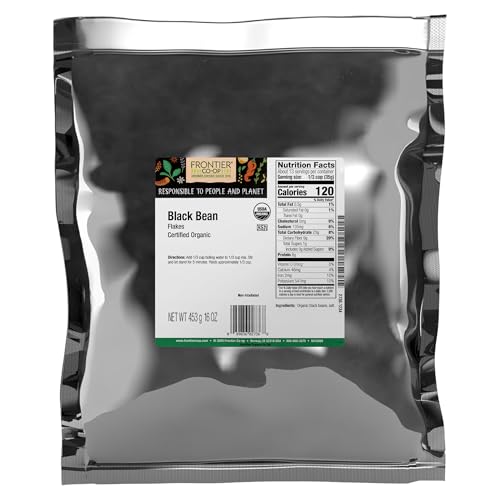
| Best for Quick Prep | Product Type: Dry black bean flakes | Origin / Sourcing: USA and Europe (sustainably grown) | Dietary Suitability: (Plant-based) suitable for vegans | VIEW LATEST PRICE | Read Our Analysis |
| Goya Dried Black Beans 16 Oz |

| Reliable Everyday Pick | Product Type: Dry black beans | Origin / Sourcing: Goya (sourced by brand; traditional Latin-origin beans) | Dietary Suitability: Vegan | VIEW LATEST PRICE | Read Our Analysis |
More Details on Our Top Picks
Clear Creek Washington Grown Black Beans (18 lb)
Supposing you cook for a crowd or stock a pantry for long-term use, Clear Creek Washington Grown Black Beans (18 lb) are a smart, economical pick – they’re non‑GMO, kosher, vegan, and produced in a HACCP‑certified facility, so you’re getting large‑format, reliable beans grown in Washington State that’ll hold up for years provided stored airtight in a cool, dry spot. You’ll appreciate three-year Best By guidance yet know airtight storage can extend life for decades. Grown by North American farmers, these non‑irradiated frijoles negros cut cost versus canned options and reduce waste, while packaging might vary.
- Product Type:Dry black beans
- Origin / Sourcing:Washington State / North America grown
- Dietary Suitability:Vegan
- Kosher Certification:Certified Kosher
- Shelf Life / Storage Guidance:Best by 3 years; airtight cool dry storage can last decades
- Use / Culinary Applications:Rehydrate and cook; economical alternative to canned; general recipes
- Additional Feature:Project Non‑GMO Verified
- Additional Feature:Produced in HACCP facility
- Additional Feature:Large 18 lb bulk size
Clear Creek Washington Grown Dry Black Beans (12 lb)
Should you’re stocking up for long-term cooking or feeding a family on a budget, Clear Creek’s Washington-grown 12 lb dry black beans are a smart pick-three 3–4 lb bags of non-GMO, certified kosher beans give you bulk, quality, and versatility for soups, sides, and meal prep. You’ll appreciate that they’re Washington State grown by North American farmers, vegan and non-irradiated, packaged in an HACCP-certified facility. They’re an economical, environmentally conscious alternative to canned beans. Best-by is three years, but airtight, cool, dry storage can extend usability for decades. Packaging could differ, so check bag weight per shipment.
- Product Type:Dry black beans
- Origin / Sourcing:Washington State / North America grown
- Dietary Suitability:Vegan
- Kosher Certification:Certified Kosher
- Shelf Life / Storage Guidance:Best by 3 years; airtight cool dry storage can last decades
- Use / Culinary Applications:Rehydrate and cook; economical alternative to canned; general recipes
- Additional Feature:Packaged as 3 smaller bags
- Additional Feature:Non‑irradiated handling
- Additional Feature:Economical alternative to canned
Goya Foods Black Beans Dry 16 Ounce (Pack of 24)
Should you cook for a crowd or meal-prep for the week, Goya Foods Black Beans (16 oz, pack of 24) are the smart, pantry-ready choice-each bag delivers earthy, creamy beans that cook quickly and stretch into soups, stews, rice-and-beans, or plant-based mains. You’ll appreciate their plump, smooth texture and reliable flavor whenever building Latin favorites or protein-forward bowls. They’re an excellent source of fiber and protein, provide iron and potassium, and fit vegan, kosher, and gluten-free diets. Low in fat with no cholesterol or trans fat, these premium Goya beans offer dependable quality and great value for bulk cooking.
- Product Type:Dry black beans (16 oz bags, pack of 24)
- Origin / Sourcing:Sourced by Goya (brand origin: Americas)
- Dietary Suitability:Vegan
- Kosher Certification:Kosher
- Shelf Life / Storage Guidance:Dry shelf-stable (typical dry beans; store cool/dry)
- Use / Culinary Applications:Soups, stews, rice & beans, Latin recipes; quick-cooking until tender
- Additional Feature:Pack of 24 units
- Additional Feature:Quick-cooking beans
- Additional Feature:Premium Goya brand
Frontier Co-op Organic Black Bean Flakes (1 lb)
Should you want a convenient, shelf-stable way to add creamy black bean flavor to burgers, soups, and dips, Frontier Co-op’s Organic Black Bean Flakes (1 lb) are a smart pick – they rehydrate quickly into a soft, thickening base and come certified organic and kosher in a resealable bag for freshness. You’ll find sturdy, sweet, earthy nuances and a soft texture that suits patties, dips, soups, salads, and burritos. Use water, milk, or cream to rehydrate as a base or thickener. Sourced sustainably from the USA and Europe, they’re grown without chemicals as a member-owned brand committed to purity.
- Product Type:Dry black bean flakes
- Origin / Sourcing:USA and Europe (sustainably grown)
- Dietary Suitability:(Plant-based) suitable for vegans
- Kosher Certification:Certified Kosher
- Shelf Life / Storage Guidance:Resealable bag for freshness; dry-stable
- Use / Culinary Applications:Rehydrate for burgers, dips, soups, thickeners; flakes/granules use
- Additional Feature:Organic, chemical-free sourcing
- Additional Feature:Resealable freshness bag
- Additional Feature:Suitable as thickener
Goya Dried Black Beans 16 Oz
In case you want a reliable pantry staple for quick, hearty Latin and plant-based meals, Goya Dried Black Beans (16 oz) are a smart pick-their plump, creamy texture and earthy flavor hold up well in soups, stews, rice-and-beans, and vegan dishes while providing fiber, protein, iron, and potassium in a gluten-free, kosher package. You’ll appreciate Goya’s premium reputation and straightforward prep: soak or simmer until tender for quick-cooking results that suit classic Latin recipes and everyday mains. Low in fat with no cholesterol and vegan-friendly, these 1 lb beans give dependable nutrition and versatility without fuss.
- Product Type:Dry black beans
- Origin / Sourcing:Goya (sourced by brand; traditional Latin-origin beans)
- Dietary Suitability:Vegan
- Kosher Certification:Kosher
- Shelf Life / Storage Guidance:Dry shelf-stable (store cool/dry)
- Use / Culinary Applications:Soups, stews, rice & beans, plant-based meals
- Additional Feature:Single 16 oz retail size
- Additional Feature:Excellent fiber/protein source
- Additional Feature:Versatile Latin recipe use
Factors to Consider When Choosing Dried Black Beans
When you pick dried black beans, consider where they’re grown and how they’re sourced, since origin affects flavor and quality. Check certifications and labels, compare nutrition, and ponder about texture and cooking time so the beans fit your recipes. Finally, look at packaging and storage to make sure they’ll stay fresh until you use them.
Origin And Sourcing
Because origin shapes more than just label copy, you should check where dried black beans come from before you buy them: region and growing conditions influence bean variety, flavor, texture, and cooking time, while proximity reduces transportation emissions. Look for the country or region to anticipate typical flavors and expected cooking times. Observe whether beans come from smallholder farms, cooperatives, or large-scale operations-sourcing type can hint at transparency and farming practices. Ask about harvest season and storage: recently harvested, well-dried beans keep longer and cook more evenly, while poor storage raises moisture and shortens shelf life. Choosing beans produced closer to you often means a shorter supply chain and lower transport-related carbon footprint, without sacrificing quality.
Certification And Labels
Although labels won’t tell you everything, they give clear, verifiable clues about quality and production practices, so check them before you buy dried black beans. Look for Non‑GMO Project Verified or equivalent should you want assurance the beans weren’t produced from genetically modified seeds. Organic certification, like USDA Organic, confirms growers avoided synthetic pesticides, fertilizers, and GMOs. A Kosher symbol shows the beans and processing meet kosher dietary rules and were handled in certified facilities. Notices such as HACCP or other food‑safety facility certifications indicate processors follow systematic hazard analysis and controls to reduce contamination risks. In case you prefer avoiding irradiation, a “non‑irradiated” label makes that explicit. Use these marks to match quality and values to your needs.
Nutritional Value
Nutrition matters unless you pick dried black beans, since a small cooked portion delivers a surprisingly dense package of protein, fiber, and key minerals. You’ll get about 7–9 grams of plant protein per 1/2-cup cooked serving, making beans a reliable meat alternative for many meals. That same portion offers roughly 6–8 grams of dietary fiber, which supports digestion and helps lower LDL cholesterol. Black beans also supply iron (about 1–2 mg), potassium (200–300 mg), magnesium, and folate-nutrients you want in a balanced pantry. They’re low in fat and contain no cholesterol, so provided you avoid adding saturated fats they stay heart-healthy. Plus their fiber and resistant starch give a lower glycemic impact than refined carbs.
Texture And Cooking Time
Beyond their vitamins and protein, how beans behave on the stove will shape how you use them. Smaller, younger beans cook faster and turn creamier; larger or older beans take longer and might stay firmer. Should you soak beans 8–12 hours, expect cooking time to drop 30–50% and texture to become more uniform. Freshly harvested or well-stored beans rehydrate predictably; beans over a year old often need extra simmering and can remain slightly grainy. Use a steady simmer for tender skins and creamy interiors-avoid rapid boiling, which splits skins and creates uneven texture. Hold off on acidic ingredients like vinegar, tomatoes, or citrus until near the end, since acids markedly slow softening and affect final tenderness.
Packaging And Storage
Often overlooked, proper packaging and storage make the biggest difference in how long your dried black beans stay flavorful and cook reliably. Choose airtight, opaque containers or resealable bags to block moisture, light, and pests. Store them in a cool, dry spot below about 70°F (21°C) and keep humidity under 15% to slow nutrient loss and prevent mold or insects. Label containers with purchase or pack dates – beans peak for roughly three years but can remain usable for decades provided stored right. Keep beans away from strong-smelling foods and chemicals since they can absorb odors over time. For long-term storage, consider oxygen absorbers or vacuum sealing to extend shelf life and preserve cooking consistency.
Environmental Impact
At any time you pick dried black beans, consider how they stack up environmentally: they emit far fewer greenhouse gases per kilogram of protein than most animal meats, travel and store more efficiently than canned alternatives, and their long shelf life cuts food waste-whilst farming choices like crop rotation and reduced tillage can further lower emissions and improve soil health. You should favor dried beans for lower transport and packaging emissions since they’re lightweight and calorie-dense, improving emissions per calorie versus many proteins. Their minimal packaging and compact storage reduce waste and logistical energy. Also look for beans from farms using legumes for nitrogen fixation and conservation practices; these methods cut fertilizer-related emissions and enhance soil resilience. Choosing beans produced with sustainable agriculture multiplies environmental benefits without sacrificing nutrition.
Price And Value
While you shop for dried black beans, look past the sticker price and compare cost per pound or per kilogram so you can accurately judge value across different bag sizes; keep in mind that dry beans usually cost a fraction of canned equivalents and buying in bulk stretches your money further. Also factor in cooking energy and time-soaking and simmering add modest utility costs compared with ready-to-eat cans. Calculate yield: 1 cup dried yields about 2–3 cups cooked, which helps you convert package weight into servings and cost per serving. Finally, weigh storage benefits: long shelf life means you can stock up when prices dip, lowering effective cost over time and improving overall value when you use them regularly.
