

You want flavor, you want safety, and you want a sauce you can trust, so you’ll want to pick a GMO free soy sauce that fits your pantry and values. I’ll guide you through seven top choices that favor natural brewing, clear labeling, and reliable non GMO claims while noting gluten and sodium options. As you compare brands like Kikkoman, Aloha Shoyu, and Yamaroku, you’ll learn which bottle suits meals, diets, and taste, and why ingredient lists really matter-keep going to find the best match.
| Kikkoman Soy Sauce 1.25 qt |

| Best All-Purpose | Brand: Kikkoman | Size / Volume: 1.25 qt (40 oz) | Ingredients Base: Water, wheat, soybeans, salt | VIEW LATEST PRICE | Read Our Analysis |
| Kikkoman Traditionally Brewed Gluten-Free Soy Sauce 20 oz |

| Best For Gluten-Free | Brand: Kikkoman | Size / Volume: 20 oz | Ingredients Base: Water, wheat, soybean, salt | VIEW LATEST PRICE | Read Our Analysis |
| Kikkoman Reduced Sodium Soy Sauce – 10 fl oz |

| Best Low-Sodium | Brand: Kikkoman | Size / Volume: 10 fl oz | Ingredients Base: Water, wheat, salt (plus lactic acid) | VIEW LATEST PRICE | Read Our Analysis |
| Aloha Shoyu Original Blend Soy Sauce (24 oz) |
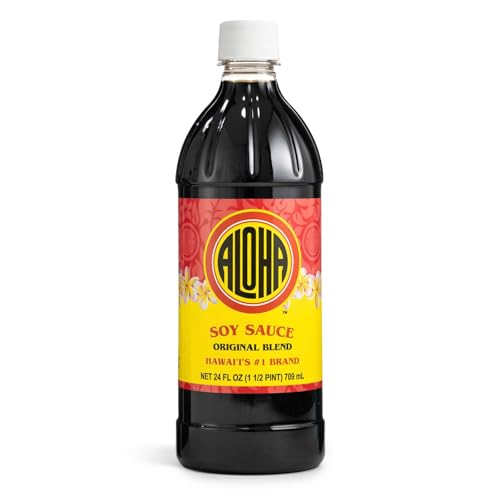
| Best Island Flavor | Brand: Aloha Shoyu | Size / Volume: 24 oz | Ingredients Base: Water, wheat gluten, salt, sugar, fermented soybeans | VIEW LATEST PRICE | Read Our Analysis |
| Kikkoman Lite Soy Sauce 64-Ounce Bottle |

| Best For Low-Salt Cooking | Brand: Kikkoman | Size / Volume: 64 oz | Ingredients Base: (Implied) water, wheat, soy (standard Kikkoman base) | VIEW LATEST PRICE | Read Our Analysis |
| Yamaroku Tsuru Bisiho Aged Premium Japanese Soy Sauce |

| Best Artisan Pick | Brand: Yamaroku | Size / Volume: 18 oz (532 ml) | Ingredients Base: Soybeans, wheat, salt, water | VIEW LATEST PRICE | Read Our Analysis |
| Yamaroku 4-Year Aged Premium Japanese Soy Sauce |

| Best For Sushi | Brand: Yamaroku | Size / Volume: 5 oz | Ingredients Base: Soybeans, wheat, salt, water | VIEW LATEST PRICE | Read Our Analysis |
More Details on Our Top Picks
Kikkoman Soy Sauce 1.25 qt
Provided you want a reliable, GMO-free soy sauce that works in almost every kitchen, Kikkoman Soy Sauce 1.25 qt is a strong pick because it’s naturally brewed and aged, giving you real depth without any artificial shortcuts. You’ll appreciate its complex flavor and delicate aroma whenever you add it to soups, marinades, or stir-fries. It’s made from water, wheat, soybeans, and salt, so you know what’s inside. The reddish-brown color brightens dishes without masking them, and certified Kosher status makes it easier to trust. Vegans often choose it for everyday, all-purpose seasoning that feels both simple and honest.
- Brand:Kikkoman
- Size / Volume:1.25 qt (40 oz)
- Ingredients Base:Water, wheat, soybeans, salt
- Brewing / Production Method:Naturally brewed and aged
- Culinary Use:All-purpose seasoning/enhancing flavor
- Preservative / Additive Info:No preservative specified (naturally brewed)
- Additional Feature:Certified Kosher
- Additional Feature:Vegan-friendly choice
- Additional Feature:All-purpose seasoning
Kikkoman Traditionally Brewed Gluten-Free Soy Sauce 20 oz
Whenever you want a gluten-free soy sauce that still gives you that deep, savory umami kick, Kikkoman Traditionally Brewed Gluten-Free Soy Sauce 20 oz is a smart pick for home cooks and busy families. You’ll notice a rich, authentic flavor and a pleasant aroma that lifts simple meals. It lists water, wheat, soybean, salt, and under 1% sodium benzoate, yet it’s labeled gluten-free so you can cook confidently for those with sensitivities. Use it for seasoning, marinating, or dipping across cuisines. The bottle pours easily, so you get precise control and less mess while you cook.
- Brand:Kikkoman
- Size / Volume:20 oz
- Ingredients Base:Water, wheat, soybean, salt
- Brewing / Production Method:Traditionally brewed
- Culinary Use:Seasoning, marinating, dipping (versatile)
- Preservative / Additive Info:Contains <1% sodium benzoate (preservative)
- Additional Feature:Gluten-free certified
- Additional Feature:Easy-pour bottle
- Additional Feature:Contains preservative (<1%)
Kikkoman Reduced Sodium Soy Sauce – 10 fl oz
Should you watch your salt but still love bold flavor, Kikkoman Reduced Sodium Soy Sauce in the 10 fl oz bottle is made for you. You’ll find a traditionally brewed sauce that pares back sodium while keeping rich umami notes intact. Its ingredients are simple: water, wheat, salt, lactic acid, plus a small amount of sodium benzoate for preservation. You can use it in stir-fries, marinades, dips, and dressings without losing depth. The handy single 10 fl oz bottle fits your pantry and feels personal. It’s a sensible swap whenever you desire taste with less salt and reassurance.
- Brand:Kikkoman
- Size / Volume:10 fl oz
- Ingredients Base:Water, wheat, salt (plus lactic acid)
- Brewing / Production Method:Traditionally brewed (reduced sodium)
- Culinary Use:Stir-fries, marinades, dipping, dressings
- Preservative / Additive Info:Contains sodium benzoate (limited quantity) and lactic acid
- Additional Feature:Reduced-sodium formula
- Additional Feature:Small, manageable bottle
- Additional Feature:Contains limited preservative
Aloha Shoyu Original Blend Soy Sauce (24 oz)
In case you want a gently sweet, light soy sauce that feels at home on grilled Hawaiian chicken and in everyday cooking, Aloha Shoyu Original Blend is a great pick for your 2026 GMO free pantry. You’ll notice smooth, savory, bold flavors with minimal acidity, and a balanced soy and umami character that lifts marinades, dips, and salads. Made in Hawaii since 1946 with fermented soybeans and sugar, it reflects island tradition and Japanese influence. The 24 oz bottle keeps pantry stock steady. Ingredients are straightforward, and preservatives extend shelf life, so you can enjoy authentic island flavor anytime.
- Brand:Aloha Shoyu
- Size / Volume:24 oz
- Ingredients Base:Water, wheat gluten, salt, sugar, fermented soybeans
- Brewing / Production Method:Fermented (island-style shoyu)
- Culinary Use:Cooking, dipping, marinating (pairs with grilled Hawaiian chicken)
- Preservative / Additive Info:Contains sodium benzoate and potassium sorbate (and caramel coloring, sugar)
- Additional Feature:Hawaiian heritage origin
- Additional Feature:Includes added sugar
- Additional Feature:Island-style sweet profile
Kikkoman Lite Soy Sauce 64-Ounce Bottle
Should you want a lower-sodium soy sauce that still brings deep, savory flavor to your meals, Kikkoman Lite Soy Sauce in the 64-ounce bottle is a smart pick for busy cooks and families. You’ll notice rich umami that lifts both Asian and Western dishes, from stir fries to marinades. It contains 38% less sodium than regular soy sauce, so you can season more freely without overdoing salt. Brewed in the USA to Kikkoman quality standards and certified Kosher, this large bottle suits home cooks and small foodservice setups. You’ll appreciate reliability, value, and consistent flavor in every pour.
- Brand:Kikkoman
- Size / Volume:64 oz
- Ingredients Base:(Implied) water, wheat, soy (standard Kikkoman base)
- Brewing / Production Method:Brewed (Kikkoman quality standards)
- Culinary Use:Enhances Asian and Western dishes
- Preservative / Additive Info:No specific preservative listed (standard Kikkoman formulation)
- Additional Feature:Large 64-oz economy
- Additional Feature:38% less sodium
- Additional Feature:Brewed in USA
Yamaroku Tsuru Bisiho Aged Premium Japanese Soy Sauce
Whenever you want a soy sauce that feels handcrafted and patient, Yamaroku Tsuru Bisiho is the pick for cooks who care about tradition and deep flavor. You’ll notice a rich, mellow profile from soybeans, wheat, salt, and water, brewed and aged four years in 100-year-old Kioke wooden barrels. You can use it on sushi, sashimi, tofu, grilled fish, or ramen, and it lifts sauces like ponzu and teriyaki. The glass dispenser pours easily, and no preservatives or artificial colors are added, so you get pure, rounded umami. Try a dab on vanilla ice cream for a caramel twist.
- Brand:Yamaroku
- Size / Volume:18 oz (532 ml)
- Ingredients Base:Soybeans, wheat, salt, water
- Brewing / Production Method:Brewed and barrel-aged 3–5 years (4 years for flagship)
- Culinary Use:Sushi, sashimi, tofu, grilled fish, ramen, sauces
- Preservative / Additive Info:No preservatives, no artificial coloring, no fillers
- Additional Feature:4-year barrel-aged
- Additional Feature:No additives/preservatives
- Additional Feature:Aged in kioke barrels
Yamaroku 4-Year Aged Premium Japanese Soy Sauce
You’re someone who cares about real, traditional flavor, and Yamaroku’s 4-year aged soy sauce delivers that depth with gentle confidence. You’ll notice a warm, mellow umami from four years in century-old kioke barrels. The simple ingredients-soybeans, wheat, salt, water-stay pure, with no preservatives or artificial additives, so the taste feels honest. You can drizzle it on sushi, sashimi, or grilled fish, fold it into ramen, ponzu, or teriyaki, and uplift gourmet dishes with subtle power. The 5 oz glass dispenser looks refined on your counter and pours precisely, inviting you to cook with patience and care.
- Brand:Yamaroku
- Size / Volume:5 oz
- Ingredients Base:Soybeans, wheat, salt, water
- Brewing / Production Method:Brewed and barrel-aged 4 years
- Culinary Use:Sushi, sashimi, grilled fish, ramen, ponzu, teriyaki
- Preservative / Additive Info:No preservatives or artificial additives
- Additional Feature:4-year traditional aging
- Additional Feature:Elegant glass dispenser
- Additional Feature:No artificial additives
Factors to Consider When Choosing GMO-Free Soy Sauces
Whenever you shop for GMO-free soy sauce, look for clear ingredient lists and a trusted non-GMO certification so you know what’s actually in the bottle. Check the brewing method and allergen information next, since naturally brewed sauces often taste better and could be safer for those with sensitivities. Finally, compare sodium content and labels side to side so you can pick a sauce that fits your health goals and cooking style.
Ingredient Transparency
For peace of mind at the grocery aisle, start checking the label and ingredient list for clear, specific language regarding non-GMO soybeans and non-GMO wheat, because that tells you whether the main crops are truly free from genetic modification. Then look beyond those words. You want labels that list every ingredient and any additives so you can see if the non-GMO claim covers the whole bottle. Also prefer products that show third party verification on the label since a manufacturer claim alone might not be enough. Check country of origin and supplier disclosure whenever available because sourcing affects trust. Provided the package lacks detail, visit the brand website or call customer service to ask about batch sourcing, testing, and whether enzymes or fermentation agents are non-GMO.
Non-GMO Certification
A clear non-GMO certification gives you more than a label; it gives traceable proof that the soybeans, wheat, and any other crop ingredients were tracked and tested from field to bottle, and that those ingredients meet the certifier’s limits for GMO content. Whenever you check a bottle, look for a known certifier name and a valid date. Certification means supply-chain records, supplier declarations, batch logs, and regular audits. It also means labs ran PCR tests on samples to detect GMO DNA with defined frequency and sample sizes. Since sauces use multiple crops, each ingredient must meet the standard or be listed as an exception. That ongoing verification should make you feel confident about safety and consistency each time you cook.
Brewing Method
Because the way soy sauce is made changes both taste and what you’ll see on the label, you should pay close attention to the brewing method whenever choosing a GMO-free bottle. Should you want depth and warmth, pick traditionally brewed sauces. They use koji mold and slow fermentation with lactic acid and yeast over weeks to months, so you get umami compounds and milder aromas. Faster chemical hydrolysis happens in hours and often brings sharper flavors, higher free glutamate, and odd off notes. Extended aging in vats deepens flavor through Maillard reactions, so look for aging claims. Also check labels: naturally brewed bottles usually list soybeans, wheat, water, and salt, while fast methods could show hydrolyzed vegetable protein or caramel color. Seek naturally brewed plus non GMO for cleaner ingredients.
Allergen Information
Whenever you’re choosing a GMO-free soy sauce, pay close attention to allergen info so you can eat with confidence and peace of mind. Read labels for soy and wheat, since many soy sauces contain both. GMO-free does not mean allergen-free, so look for explicit statements like contains soy or contains wheat on the ingredient list. Also watch for warnings about shared equipment, such as made in a facility that also processes nuts or dairy, because cross-contact can matter for sensitive people. Should you have a soy allergy, avoid soy sauce unless a certified soy-free alternative is specified. Once you have multiple allergies, favor products with clear allergen declarations, third-party allergen certification, or verified sourcing to lower your risk.
Sodium Content
Suppose you’re watching your salt intake, sodium in soy sauce matters a lot and can add up fast, so check labels before you pour. You’ll see ranges from about 800 mg to over 1,000 mg per tablespoon, so one splash can change your day’s total. Look for reduced-sodium or lite versions; they cut sodium roughly 25 to 40 percent, yet still often leave several hundred milligrams per tablespoon. Read serving sizes closely since some labels list 1 teaspoon while others use 1 tablespoon, and that alters your math. Should you need strict limits, compare Nutrition Facts to your target daily limit, like 1,500 to 2,300 mg, and count each serving. As flavor shifts, try acids, mushrooms, or herbs to compensate.
Preservatives & Additives
Watching sodium was a smart move, and now you’ll want to give the same careful look to preservatives and additives on soy sauce labels. Check ingredient lists for things like sodium benzoate, potassium sorbate, caramel color, and added glutamates. You’ll feel safer picking sauces with short lists: soybeans, wheat, water, salt. Many traditional brews skip artificial colors and preservatives, so look for labels that say no added preservatives or no artificial colors. Also note natural preservatives such as lactic acid from fermentation; they’re not the same as synthetic chemicals. Should you be avoiding a specific additive, confirm any listed concentrations, for example contains <1% sodium benzoate. That small check protects your health and matches your values.
Flavor Profile
Should you pick a GMO-free soy sauce, taste matters as much as the label, so start considering about how it will change your cooking and your mouthfeel. You’ll want traditionally brewed and aged options whenever you crave depth. Longer fermentation gives richer umami, sweet, and savory layers than chemically treated sauces. Next, check balance. Notice salinity, sweetness, acidity, and bitterness, because formulations can swing from light and salty to dark and mellow. Also look for wheat or wheat-free tamari styles since wheat alters sweetness, aroma, and texture. Pay attention to sodium levels because reduced-sodium bottles taste less bright and highlight other notes. Finally, scan ingredients for added sugars or caramel color, which shift the authentic fermented flavor you’re seeking.
Packaging Sustainability
Whenever you’re choosing a GMO-free soy sauce, packaging matters almost as much as the sauce itself because it shapes waste, recycling, and the planet you’ll pass on to others. Look for glass or #1 PET bottles and check your local recycling rules, since glass is widely recycled while some PET might not be accepted. Prefer refillable bottles, concentrate formats, or refill pouches to cut single use plastic and lower transport emissions. Avoid multilayer laminates and mixed-material caps because they block recycling even whenever the main container is recyclable. Read on-pack labels for resin codes or “widely recyclable” claims so you can sort properly. Also weigh bottle size and weight; lighter, compact bottles and bulk options both reduce footprint per serving and save resources.
