

You want dessert syrups that taste real, pour clean, and hold up in coffee, cocktails, or pastries-and the 2026 picks do exactly that. I’ll run through five organic syrups that blend genuine ingredients, clear sourcing, and usable formats for home cooks and pros alike, then cover what matters whenever you choose-so you can avoid weak, artificial options and get consistent results every time.
| Portland Syrups Vanilla Syrup for Coffee & Drinks |

| Best for Vanilla Purists | Flavor type: Vanilla (Tahitian vanilla bean) | Intended uses: Coffee, lattes, cold brew, cocktails, desserts, sodas | Packaging size/type: 12 oz bottle | VIEW LATEST PRICE | Read Our Analysis |
| Monin Spiced Brown Sugar Syrup (750 ml) |

| Best for Seasonal Warmth | Flavor type: Spiced brown sugar (brown sugar with cinnamon) | Intended uses: Coffee, desserts, ciders, cocktails, hot & cold beverages | Packaging size/type: 750 ml bottle | VIEW LATEST PRICE | Read Our Analysis |
| Fanale Mango Bubble Tea Flavoring Syrup (11 lb) |
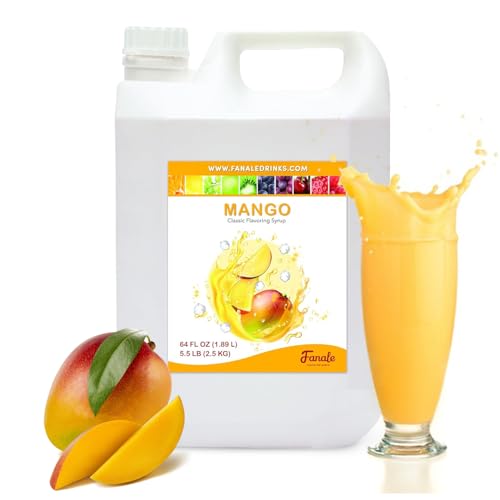
| Best for High-Volume Use | Flavor type: Mango (concentrated mango) | Intended uses: Bubble tea, smoothies, slushes, cocktails, baking, desserts | Packaging size/type: 11 lb container | VIEW LATEST PRICE | Read Our Analysis |
| 1883 French Madeleine Syrup for Coffee Cocktails Desserts |

| Best for Gourmet Touches | Flavor type: Madeleine (buttery cake with vanilla & lemon zest) | Intended uses: Coffee, lattes, hot chocolate, cocktails, desserts | Packaging size/type: 1 L glass bottle | VIEW LATEST PRICE | Read Our Analysis |
| Mayer Chili Mango Organic Fruit Syrup (16.9 oz) |

| Best for Bold, Fruity Heat | Flavor type: Chili mango (mango with chili) | Intended uses: Cocktails, coffee, lemonades, smoothies, pancakes, desserts | Packaging size/type: 16.9 oz glass bottle | VIEW LATEST PRICE | Read Our Analysis |
More Details on Our Top Picks
Portland Syrups Vanilla Syrup for Coffee & Drinks
In case you want a genuine vanilla lift for coffee, cocktails, or desserts, Portland Syrups Vanilla Syrup is a great choice-it’s infused with real Tahitian vanilla beans and sweetened with organic cane sugar for a smooth, indulgent flavor that fits vegan and gluten‑free diets. You’ll enjoy a pronounced vanilla-bean profile that enhances lattes, cold brew, macchiatos, mocktails, sodas, and desserts without artificial sweeteners. Handcrafted in small Oregon batches, the 12 oz bottle yields about 24 servings, so you get consistent, taste-forward quality. Use it whenever you desire reliable, artisanal sweetness that complements varied recipes and lifestyles.
- Flavor type:Vanilla (Tahitian vanilla bean)
- Intended uses:Coffee, lattes, cold brew, cocktails, desserts, sodas
- Packaging size/type:12 oz bottle
- Origin / production note:Handcrafted in Oregon (small batches)
- Dietary / ingredient highlights:Organic cane sugar; vegan; gluten-free
- Primary audience / use case:Home and specialty coffee/barista use
- Additional Feature:Handcrafted small batches
- Additional Feature:Real Tahitian vanilla
- Additional Feature:Organic cane sugar
Monin Spiced Brown Sugar Syrup (750 ml)
Should you want a warm, rounded sweetness that lifts coffees, cocktails, and desserts, Monin Spiced Brown Sugar Syrup (750 ml) is a smart pick – it blends caramelized brown sugar with a touch of cinnamon for a smooth, cozy finish. You’ll find caramel and burnt-sugar aromas lead into a smooth brown-sugar base and subtle cinnamon spice, giving beverages and desserts a warm, rounded finish. The syrup uses natural flavors, is non-GMO, allergen-, dairy- and gluten-free, halal and kosher, with no artificial additives. Packaged in BPA-free bottles with recyclable boxes, it supports a bee-feeding recycling initiative since 2008.
- Flavor type:Spiced brown sugar (brown sugar with cinnamon)
- Intended uses:Coffee, desserts, ciders, cocktails, hot & cold beverages
- Packaging size/type:750 ml bottle
- Origin / production note:Produced by Monin (sustainability initiatives noted)
- Dietary / ingredient highlights:Natural flavors; non‑GMO; allergen‑free; gluten‑free; halal; kosher; no artificial colors/preservatives
- Primary audience / use case:Home, cafes, bars, seasonal beverage programs
- Additional Feature:Bee-support recycling initiative
- Additional Feature:BPA-free recyclable packaging
- Additional Feature:Clean-label, non-GMO
Fanale Mango Bubble Tea Flavoring Syrup (11 lb)
In case you want an intensely authentic mango improvement for drinks and desserts, Fanale’s Mango Bubble Tea Flavoring Syrup (11 lb) delivers a concentrated, premium profile that professionals and home cooks can rely on. You’ll get a robust, true-to-fruit mango taste in a concentrated syrup that amplifies depth with every drop. It’s built for bubble tea, smoothies, slushes, coffees, cocktails, baking, sauces, glazes and more, making it a versatile pantry staple. The 11‑lb format suits high-volume use, while consistent quality guarantees predictable results. Use it as a base to experiment with unique blends and creative recipes.
- Flavor type:Mango (concentrated mango)
- Intended uses:Bubble tea, smoothies, slushes, cocktails, baking, desserts
- Packaging size/type:11 lb container
- Origin / production note:Fanale premium concentrated formula (manufactured for consistency)
- Dietary / ingredient highlights:Concentrated premium flavor (no specific allergens listed)
- Primary audience / use case:Commercial/volume use for bubble tea shops and recipe development
- Additional Feature:Highly concentrated formula
- Additional Feature:Industrial 11 lb size
- Additional Feature:Multi-use culinary base
1883 French Madeleine Syrup for Coffee Cocktails Desserts
Should you want a syrup that brings authentic French bakery warmth to coffee, cocktails, and desserts, 1883 French Madeleine is a perfect pick-made in the French Alps through Maison Routin using premium ingredients. You’ll taste sweet, buttery sponge cake with vanilla and bright lemon zest notes. Use it to enhance coffee, lattes, cappuccinos, hot chocolate, cocktails, mocktails, and dessert recipes. The 1-liter glass bottle fits pumps and dispensers, preserving freshness and adding sophistication. It’s ideal for both barista and home use, enabling fast, professional service while ensuring consistent flavor and attractive presentation every time.
- Flavor type:Madeleine (buttery cake with vanilla & lemon zest)
- Intended uses:Coffee, lattes, hot chocolate, cocktails, desserts
- Packaging size/type:1 L glass bottle
- Origin / production note:Made in France (1883 Maison Routin, French Alps)
- Dietary / ingredient highlights:Premium ingredients (French-made; no artificial claim explicitly listed)
- Primary audience / use case:Barista and professional presentation; home bartending
- Additional Feature:Made in French Alps
- Additional Feature:Glass 1 L bottle
- Additional Feature:Barista-friendly pump compatible
Mayer Chili Mango Organic Fruit Syrup (16.9 oz)
Should you love bold tropical flavor and use premium ingredients in drinks or desserts, Mayer Chili Mango Organic Fruit Syrup is designed for you. You’ll appreciate its handcrafted Hungarian production using sun-ripened Brazilian mangoes and strict bottling standards. The syrup delivers a rich, authentic mango taste with no artificial preservatives, colors, boosters, or flavorings. Chefs at Michelin-starred restaurants and luxury hotels trust it, and it earned Syrup of the Year (Hungary, 2022) plus Great Taste Awards. You can add it to cocktails, coffee, smoothies, pancakes, ice cream, yogurt, or hot drinks. The recyclable glass bottle pours cleanly and reduces waste.
- Flavor type:Chili mango (mango with chili)
- Intended uses:Cocktails, coffee, lemonades, smoothies, pancakes, desserts
- Packaging size/type:16.9 oz glass bottle
- Origin / production note:Handcrafted in Hungary using Brazilian mangoes
- Dietary / ingredient highlights:High real fruit content; no artificial preservatives/colors/flavorings
- Primary audience / use case:Culinary and premium restaurant use plus home gourmet applications
- Additional Feature:High real-fruit content
- Additional Feature:Award-winning syrup
- Additional Feature:Handcrafted in Hungary
Factors to Consider When Choosing Organic Dessert Flavoring Syrups
Whenever you pick an organic dessert syrup, check ingredient transparency so you know exactly what’s in the bottle. Make sure it carries credible organic certification and matches the flavor intensity and balance you want without overpowering your dessert. Also consider the sweetener used and whether the syrup fits any dietary needs like vegan, gluten-free, or low-sugar.
Ingredient Transparency
Because ingredient lists tell you exactly what’s inside, start choosing syrups which spell out sweeteners (like organic cane sugar, glucose, or invert syrup), specific flavoring sources (real fruit or vanilla bean versus vague “natural flavors”), and any emulsifiers or preservatives instead of generic terms. You should verify flavoring type-real extracts usually mean fewer synthetics-and prefer brands that disclose sweetener origin and approximate sugar content per serving so you can judge sweetness and calories. Check clear allergen and cross-contact declarations (milk, soy, nuts) and labels like gluten-free or vegan. Favor products offering batch-level transparency: QR codes, manufacturer lab summaries, or third-party test statements (non-GMO, kosher, halal). In case a syrup hides ingredients or lacks testing info, move on to a more transparent option.
Organic Certification Status
In case you want confidence that a dessert syrup’s ingredients were produced under organic standards, look for recognized certification marks (USDA Organic, EU Organic, or equivalent) and check whether the label says “organic” (≥95% organic) or “made with organic” (≥70% organic). Certification confirms ingredients like fruit concentrates and sweeteners were grown and processed without synthetic pesticides, GMOs, and certain additives. Check labels for certifier logos and read ingredient lists-certification might permit specific non-organic processing aids. For commercial verification, ask suppliers for the certifier name, certificate number, and expiration date; audits and supply-chain documentation uphold status. Don’t assume every minor ingredient is organic; provided it matters to you, confirm exceptions and the exact organic percentage on the packaging.
Flavor Intensity Balance
Whenever you want consistent, well-balanced results, start from matching a syrup’s concentration and sweetness to your dessert’s structure – richer, fattier pastries can handle higher syrup-to-base ratios (1:4–1:6), whereas lean sponges usually need much gentler dosing (closer to 1:8–1:10). Consider the syrup-to-base concentration so you can predict teaspoons needed without overpowering your recipe. Match intensity to fat and sugar: reduce strength for lean cakes, allow bolder dosing for creams and butters. Test in small increments, beginning at 25–50% of your target, and give hot or cold matrices time to mature since temperature alters perceived intensity. Watch competing compounds (acidity, bitterness, spices) and counterbalance with salt or acid should it be needed. Standardize by weight per 100 g and record concentrations for repeatable batches.
Sweetener Type Used
Should you want predictable results, pick a sweetener that suits both the flavor profile and the technical needs of your recipe: organic cane or evaporated cane juice gives a clean, familiar sweetness and thicker mouthfeel; agave or maple brings higher sweetness and distinctive notes that can stand up to richer bases; and plant-derived zero‑calorie options like stevia or monk fruit require tiny amounts and could need thickeners to mimic sugar’s body while risking aftertastes. Choose sugar-based syrups whenever you desire viscosity, solubility and shelf stability without extra additives. In case you opt for low‑calorie organic versions, expect manufacturers to add organic thickeners or stabilizers to approximate mouthfeel. Always read ingredient lists for certified‑organic sweetener claims and any humectants such as organic glycerin.
Dietary Compatibility Options
Although dietary needs vary widely, you can narrow choices quickly through checking certifications, sweetener sources, allergen statements and nutrition labels. To begin, confirm certified organic labeling so ingredients weren’t grown with synthetic pesticides or GMOs that could conflict with strict diets. Next, inspect the sweetener source-organic cane sugar, sugar syrups, or fruit concentrates-to make certain suitability for vegans and to avoid animal-derived sweeteners like honey. Verify allergen and gluten-free declarations and scan ingredient lists for milk, soy, tree nuts or cross-contact warnings provided you require strict avoidance. In relevant cases, look for vegan, halal, or kosher certifications; they cover processing and cross‑contamination beyond ingredients. Finally, for low‑sugar or diabetic needs, review total and added sugars and observe any alternative sweeteners and their regulatory status.
Versatility In Recipes
Beyond checking labels for diet and allergens, consider about how a flavoring syrup will perform across your recipes so it doesn’t just meet restrictions but actually improves dishes. Choose concentrated syrups so 5–15 ml flavors drinks, batters, sauces, and fillings without diluting texture. Prefer heat-stable or cooking-suitable syrups that keep flavor during baking, simmering, or brief caramelization up to ~180–200°C. Pick versatile bases – fruit purées, vanilla bean infusions, spiced sugar reductions – that blend with dairy, non-dairy milks, alcohol, and acidic components. Match sweetness and sugar type (cane, brown, invert) to avoid cloying results while reducing added sugar as needed. Finally, consider concentration and viscosity: thin for beverages and sauces, thicker for glazes and fillings to guarantee consistent portioning and texture.
Packaging And Storage
Upon choosing organic dessert syrups, pay close attention to packaging and storage because they directly affect flavor, safety, and shelf life. Choose opaque or dark glass bottles whenever possible to shield delicate flavor compounds from light and keep aromas intact. Look for airtight, resealable closures-tamper-evident caps or pumps-to limit oxidation and contamination after opening. Store syrups in a cool, dry place away from heat and sunlight; refrigerate after opening in case they contain fresh fruit or lack preservatives. Check packaging for clear batch/expiration dates and lot codes so you can track freshness-many unopened organic syrups last 12–24 months. Prefer recyclable or reusable materials and consider portion-control dispensers or pumps to reduce waste and limit repeated air exposure.
Sustainability Practices
Whenever you’re choosing organic dessert syrups, look past the label and assess a brand’s sustainability practices-certified organic and non‑GMO ingredients, transparent sourcing, and recyclable or refillable packaging all cut environmental harm and support fair labor. You should prioritize syrups made from certified organic, non‑GMO crops to reduce synthetic pesticides and support soil health. Favor glass bottles, BPA‑free recyclable plastics, or concentrate refill pouches to cut single‑use waste and lifecycle emissions. Check for transparent sourcing, fair‑trade commitments, and responsible water and land management that protect producers. Look for manufacturers reporting CO2 targets, renewable energy use, water‑saving processes, and onsite composting. Finally, prefer companies backing circular initiatives-bottle returns, biodegradable inks, or recycling partnerships-to keep materials out of landfills.
