

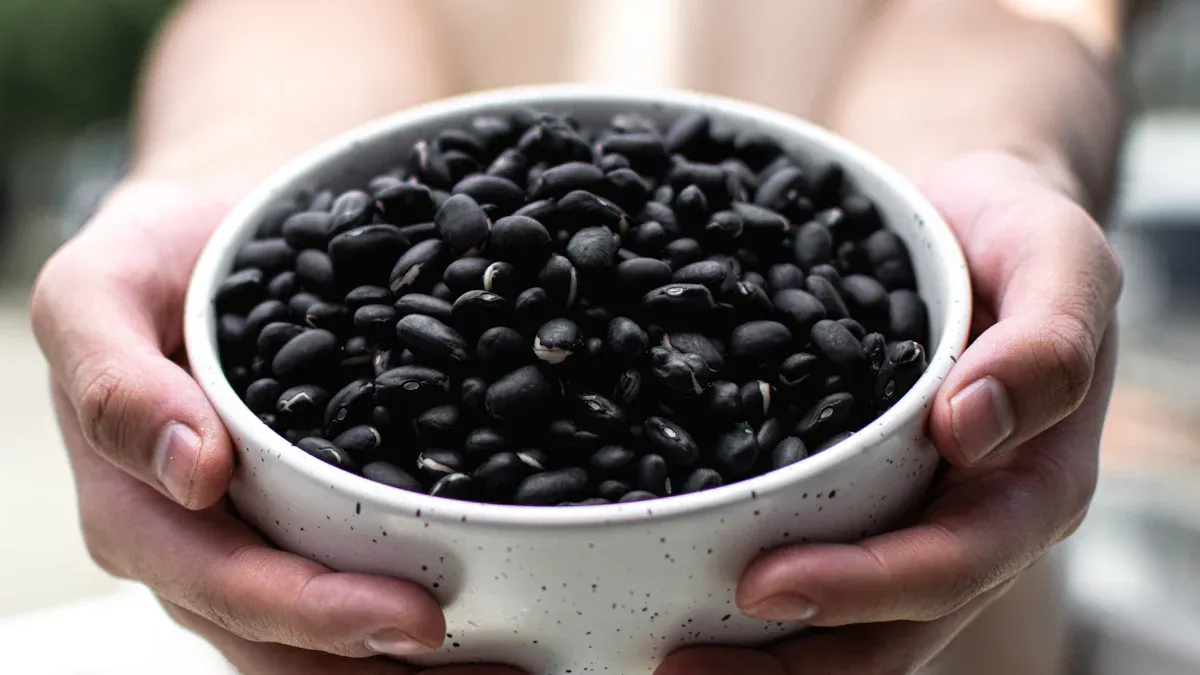
Imagine a tiny ingredient that boosts your health and tastes great. Black beans are that ingredient! These versatile legumes are a staple in many cuisines. They are also a nutritional powerhouse. Black beans help manage blood sugar levels and support overall metabolic health. They even reduce inflammation. You will discover the incredible black beans nutrition and the many health benefits of black beans. This guide will show you why you must add black beans to your diet. Unlock a world of health benefits with these amazing black beans.
Key Takeaways
Black beans are a superfood. They give you fiber, protein, and important vitamins. These help your body stay healthy.
Eating black beans helps your digestion. They also keep your blood sugar steady. This is good for your heart.
Black beans can help you manage your weight. They make you feel full. They also give you lasting energy.
You can use black beans in many meals. Try them in soups, tacos, or salads. They are easy to add to your diet.
Prepare black beans correctly. Soak and cook them well. This helps avoid gas and makes them easier to digest.
Black Beans Nutrition: Key Facts
Black Bean Nutrition Profile
Black beans are a true superfood. They pack a lot of goodness into a small package. Understanding black beans nutrition helps you see their value. You get many essential nutrients from just a small serving. For example, a 1/2-cup serving of cooked black beans gives you about 115 calories. It contains only 0.5 grams of fat. This serving also provides 20 grams of carbohydrates. You also get 8 grams of dietary fiber and 8 grams of protein. Plus, it offers 1.8 milligrams of iron, which is 10% of your Daily Value. These black bean nutrition facts show you how nutrient dense they are.
Macronutrients and Fiber
Black beans are an excellent source of macronutrients. These are the nutrients your body needs in larger amounts. You get plenty of complex carbohydrates from black beans. These carbs give you steady energy. Black beans also provide a good amount of protein. This plant protein is important for building and repairing your body’s tissues.
One of the standout features of black beans is their high fiber content. They are truly high fiber foods. A 1/2-cup serving gives you 8 grams of fiber. This is a significant portion of your daily needs. Black beans are especially rich in soluble fiber. This type of fiber turns into a gel in your digestive system. It helps you feel full and supports good digestion. A 1-cup (180-gram) serving of canned black beans provides an impressive 18.2 grams of fiber. This makes black beans a powerful food for your digestive health.
Essential Vitamins and Minerals
Beyond macronutrients, black beans offer a wealth of essential vitamins and minerals. These micronutrients play vital roles in your overall health. You will find important minerals like iron in black beans. Iron helps carry oxygen in your blood. They also contain magnesium, which is crucial for muscle and nerve function. Folate, a B vitamin, is also abundant. It is important for cell growth and development. Potassium, another key mineral, helps maintain healthy blood pressure.
Here is a quick look at some of the daily values black beans contribute:
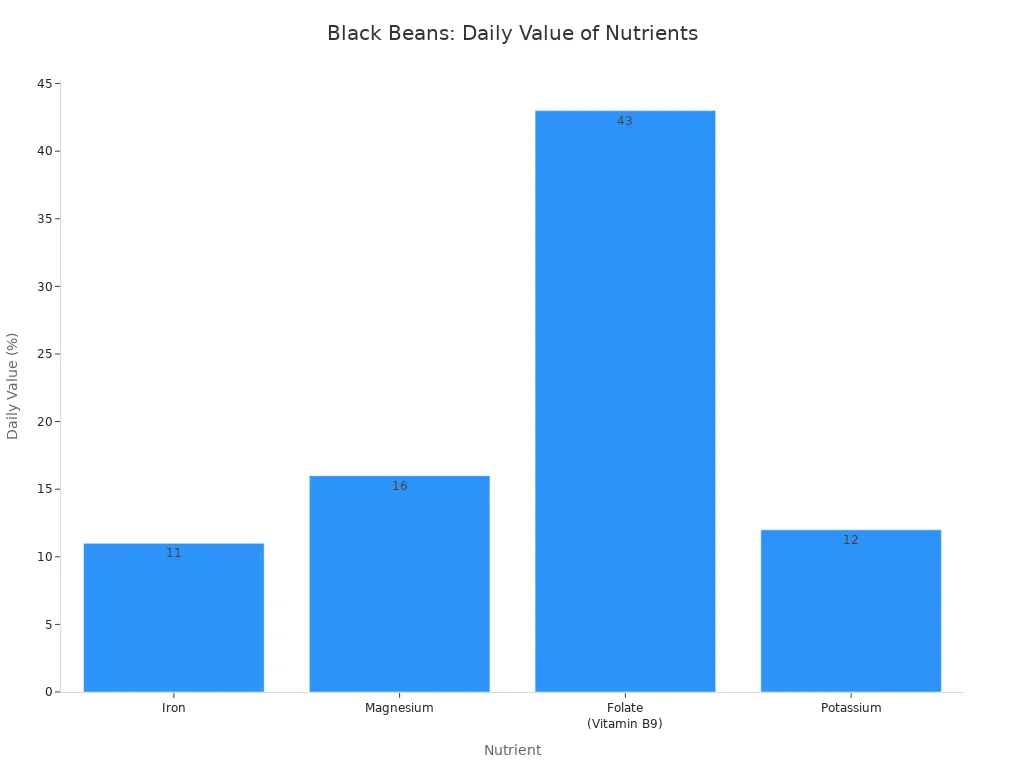
As you can see, black beans are packed with nutrients that support many body functions.
Health Benefits of Black Beans
Core Black Bean Benefits
Black beans offer many amazing health benefits. They do more than just fill you up. These powerful legumes safeguard your body cells. They also lower your risk of many serious diseases. Black beans are rich in antioxidants like anthocyanin and quercetin. These compounds fight harmful free radicals. Eating more antioxidant-rich foods can reduce your risk of atherosclerosis, cancer, coronary artery disease, heart failure, and vision loss. This means black beans lowers disease risk. They also help prevent heart disease. These legumes improve gut health and promote metabolism. They also support your immune system. They aid blood regulation. You get a lot of good from these nutrient dense beans. The overall black beans nutrition profile supports these powerful effects.
Digestive Health Support
Black beans are excellent for your digestive system. They are a significant source of nutrients for gut health. They provide anti-microbial molecules. Lab studies suggest these molecules may destroy unhealthy parasites and bacteria. These legumes offer both soluble and insoluble fiber. This fiber aids waste elimination. It also feeds beneficial gut bacteria. Black beans contain resistant starch. This acts as a prebiotic. It nourishes beneficial gut bacteria. Research shows beans may reduce chemical markers linked to colon cancer.
Resistant starch in these beans escapes digestion in your small intestine. It ferments in your colon. This fermentation creates short-chain fatty acids (SCFAs). Butyrate is one of these. SCFAs are vital for gut health. They maintain your gut barrier function. They increase occludins, which are proteins for tight junction stability. Black beans also have phenolic compounds. These reach your large intestine. They interact with microbes. This interaction shows prebiotic effects. It also acts against bad intestinal bacteria. Eating black beans increases a group of Clostridia class bacteria. These bacteria have anti-inflammatory potential. All these factors show how black beans benefits digestive health.
Blood Sugar Management
Black beans help you manage blood sugar. They have a low glycemic index (GI). This means they digest slowly. They do not cause a quick rise in blood sugar levels. Their GI is typically around 30. This low GI comes from their high fiber and protein content. These slow down glucose absorption. They help regulate blood sugar. Black beans are beneficial for people with diabetes. They stabilize energy levels. They improve insulin sensitivity. A 1/2-cup serving of cooked black beans has a low glycemic load (GL). Their carbohydrates digest slower than refined grains. This prevents sharp blood sugar spikes after meals. The fiber and protein in these beans slow gastric emptying. They also slow carbohydrate absorption. This leads to a slower rise in blood glucose. It can improve insulin sensitivity. This is great for blood sugar regulation. You can manage blood sugar better with black beans.
Heart Health Promotion
Black beans are good for your heart. They contribute to a heart-healthy diet. Their antioxidants reduce inflammation in your blood vessels. Inflammation is a factor in atherosclerosis, stroke, and other heart conditions. A study showed daily consumption of these legumes reduced a marker of inflammation (interleukin-6). This helps reduce inflammation. Black beans contain dietary fiber and polyphenols. These components inhibit digestive enzymes.
They lower blood sugar spikes after meals. Your gut microbes metabolize them into phenolic metabolites and SCFAs. These improve your microbiota. They also improve other health markers. Colored beans, like black beans, have more polyphenols. They link to better vasorelaxation. They also link to lower LDL cholesterol. A study found black beans decreased blood pressure and LDL-C levels within hours of eating them. A review showed common beans reduced LDL-C by 19%. They lowered the risk of cardiovascular diseases by 11%. These are clear health benefits.
Weight Management Aid
Black beans help you manage your weight. They make you feel full. This is mainly due to their protein and dietary fiber content. A study with older adults showed these legumes made them full and satisfied. They also reduced hunger. This was similar to beef.
The high fiber in beans makes up for their lower protein compared to beef. Both fiber and protein work together to make you feel full. A review of studies found a 31% increase in fullness from eating pulses, which include beans. Protein increases energy use. It also increases satiety hormones. Fiber adds bulk to food. It slows digestion. It increases satiety hormones. These black bean benefits help you control your appetite.
Antioxidant Power
Black beans are packed with antioxidants. These protect your cells from damage. A study showed these legumes moderately enhanced antioxidant levels after a meal. This effect was partly due to their fiber and antioxidant properties. Black beans contain anthocyanins. These include delphinidin, malvidin, petunidin, and pelargonidin glycosides. They also have polyphenolics like catechin, myricetin, kaempferol, quercetin, and isorhamnetin glucosides. Black beans have a high total phenolic content. They contain a lot of anthocyanins. These powerful compounds contribute to the overall health benefits of black beans.
Bone Strength and Repair
Black beans provide key nutrients for strong bones. They contain magnesium. Magnesium supports your bone matrix. It helps vitamin D and calcium work well. Both are crucial for bone health. These legumes also have phosphorus. Phosphorus is a main part of hydroxyapatite crystals. These crystals give bones hardness and rigidity. Phosphorus is fundamental for bone mineralization.
This process strengthens new bone tissue. Zinc is another important mineral. It helps with bone metabolism. It aids cell growth and tissue repair. Zinc supports collagen synthesis. It keeps bone formation and breakdown balanced. Folate (Vitamin B9) also plays a role. It helps maintain bone integrity. It assists in healing by affecting metabolic pathways. These nutrients contribute to your overall health.
Energy and Vitality
Black beans give you lasting energy. They contain protein, complex carbohydrates, and fiber. These nutrients work together. They provide sustained energy throughout your day. Unlike foods that cause energy crashes, black beans release energy slowly. This helps maintain your energy levels. It prevents sluggishness. These legumes also provide important vitamins and minerals.
These include folate, manganese, potassium, iron, phosphorus, copper, and magnesium. The lean protein helps maintain and promote muscle mass. Complex carbohydrates serve as a sustained energy source. All these factors support your metabolism and boost immune system function. They contribute to your overall health and vitality, strengthening your immune response.
Top 7 Black Bean Uses
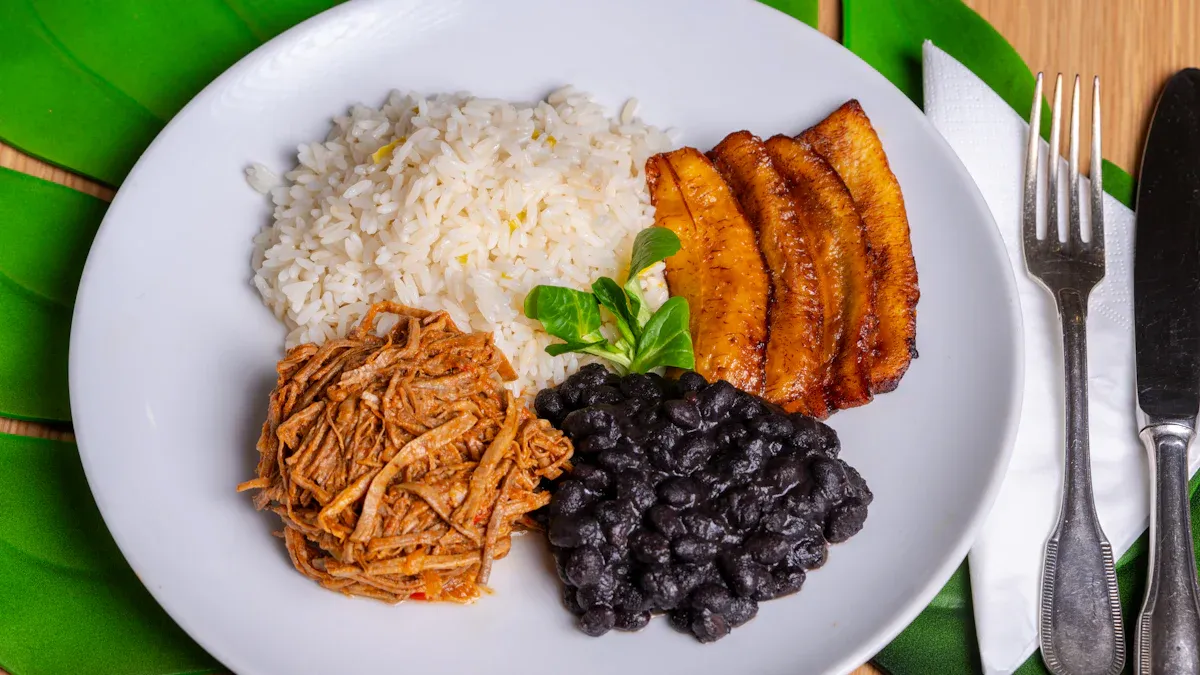
Black beans are incredibly versatile. You can use them in many delicious ways. These black bean recipes make it easy to add them to your diet. Here are some popular ways to eat black beans.
Classic Black Bean Soup
You can make a comforting black bean soup. Start with extra-virgin olive oil, chopped yellow onions, celery, and carrots. Cook these until soft. Then add garlic, ground cumin, and red pepper flakes. Stir in rinsed black beans and low-sodium vegetable broth. Simmer until the flavors blend. You can blend some of the soup for a creamy texture. Finish with fresh cilantro and a splash of sherry vinegar or lime juice.
Hearty Black Bean Burgers
Make your own black bean burgers. Mash cooked black beans. Mix them with diced red onion, whole wheat bread crumbs, minced cilantro, and jalapeno. Add vegan mayonnaise and hot sauce. Season with salt and pepper. Form the mixture into patties. Refrigerate them to set. Cook the patties in a skillet with olive oil until they are browned on both sides.
Flavorful Black Bean Tacos
Black beans make great taco fillings. Cook black beans with onion, garlic, and jalapeño. Season them with ground cumin, Kosher salt, dried oregano, and smoked paprika. You can also add tomato paste. Serve these flavorful black beans in tortillas. Top them with avocado, cheese, shredded lettuce, or salsa.
Nutritious Black Bean Salads
Create a fresh black bean salad. Combine cooked black beans with sweet yellow corn, diced avocado, and cherry tomatoes. Add red onion, jalapeño pepper, and garlic. Dress your salad with lime juice, olive oil, cumin, and salt. This makes a refreshing and healthy meal.
Quick Black Bean Dips
You can whip up a quick black bean dip. Mash cooked black beans with a fork. Mix in some lime juice, chopped cilantro, and your favorite spices. Serve this dip with tortilla chips or fresh vegetables. It is a simple and tasty snack.
Creative Black Bean Desserts
Yes, you can use black beans in desserts! Try making black bean brownies. They use black beans, cocoa powder, quick oats, maple syrup, and chocolate chips. Another option is black bean chocolate pudding. This dessert uses drained black beans, maple syrup, cocoa, vanilla extract, and salt. These black bean recipes are surprisingly delicious.
Simple Black Bean Bowls
Build a satisfying black bean bowl. Start with cooked black beans and cilantro lime brown rice. Add quick-pickled onions for a tangy crunch. You can also include a cilantro hemp pesto for fresh flavor. Top your bowl with sliced avocado, toasted pepitas, or crumbled Cotija cheese. You can prepare components ahead of time for quick assembly.
Black Beans: Potential Downsides
While black beans offer many benefits, you might experience some common issues. Understanding these can help you enjoy them without discomfort.
Managing Digestive Discomfort
Eating black beans can sometimes lead to digestive discomfort. You might notice increased gas, changes in stool, or bloating. This happens because bacteria in your intestines ferment soluble oligosaccharides, like raffinose and stachyose. Your body cannot digest these sugars. This fermentation creates gases such as hydrogen, carbon dioxide, and methane. Bloating can also occur if gas does not move well through your digestive tract. This is especially true if you have conditions like irritable bowel syndrome (IBS).
Understanding Anti-Nutrients
Black beans contain compounds called anti-nutrients. These can reduce how well your body absorbs certain nutrients. Phytates, polyphenols, and tannins are common anti-nutrients in beans. They bind to essential minerals like iron, zinc, copper, calcium, and magnesium. This binding makes these minerals less available for your body to use. Other anti-nutrients include lectins, which can alter gut function. Protease inhibitors interfere with digestion. Tannins can inhibit iron absorption. Phytic acid reduces the absorption of calcium, iron, and zinc, and also decreases protein availability.
Preparation Tips for Black Beans
You can reduce these potential downsides with proper preparation. To manage digestive discomfort, try these steps:
Soak and cook beans thoroughly: Soaking black beans overnight and cooking them well reduces raffinose. This helps decrease gas.
Rinse canned beans: Rinsing canned beans removes gas-causing compounds.
Introduce them slowly: Gradually add black beans to your diet. This allows your body to adapt to the fiber.
Add digestive spices: Use herbs like cumin or ginger when cooking.
To reduce anti-nutrients, soaking beans overnight helps. It reduces tannins, polyphenols, and lectins. Sprouting beans also helps. It breaks down phytate and increases nutrient availability. Pressure cooking is another great method. It significantly reduces lectins in beans. Soaking, rinsing, and cooking your black beans well makes them easier to digest and more nutritious.
Black beans offer amazing black beans nutrition. They provide many health benefits. You get fiber, protein, and essential minerals. These legumes support your gut health and manage blood sugar. They also boost your heart health. You can use black beans in many ways.
Try them in soups, burgers, or salads. They even work in desserts! Incorporate these versatile beans into your diet. You will improve your overall health. Make smart food choices for a better you.
FAQ
Are black beans good for your health?
Yes, black beans are very healthy. They offer fiber, protein, and many vitamins. They help your digestion and heart. You get lasting energy from them. You also lower your risk of many diseases.
Why do black beans sometimes cause gas?
Black beans contain sugars your body cannot digest. Bacteria in your gut ferment these sugars. This process creates gas. Soaking and cooking beans well helps reduce this. You can also introduce them slowly.
How can you reduce anti-nutrients in black beans?
You can soak black beans overnight. This helps reduce anti-nutrients like phytates. Sprouting or pressure cooking also makes nutrients more available. Always rinse canned beans well before use.
Can you eat black beans every day?
Yes, you can eat black beans daily. They provide many nutrients. Just introduce them slowly into your diet. This helps your body adjust to the fiber. You will enjoy their many benefits.
What are some easy ways to use black beans?
You can add black beans to salads or soups. Make them into burgers or dips. They also work well in tacos or simple grain bowls. You have many options for delicious meals.