

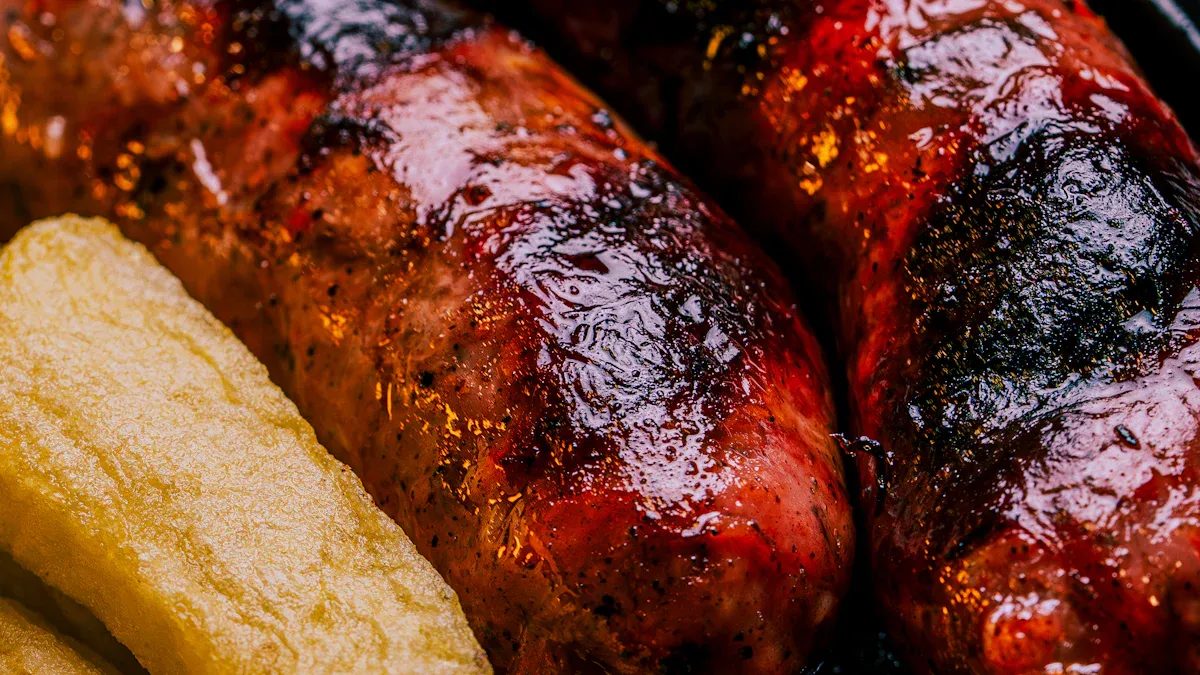
Chorizo is a highly seasoned pork sausage. It offers a rich flavor and great versatility in cooking. This spicy pork sausage originated in the Iberian Peninsula. It now enjoys global culinary impact. Many people often confuse the different types of chorizo. This article clarifies these distinctions. It also explores chorizo nutrition. Understanding the nuances of this beloved chorizo makes cooking with chorizo: spanish sausage more enjoyable.
Key Takeaways
Chorizo is a seasoned pork sausage from Spain and Portugal. It comes in many types.
Spanish chorizo is cured and ready to eat. It gets its red color and smoky taste from paprika.
Mexican chorizo is fresh and needs cooking. It uses different chiles and spices for a spicier flavor.
Chorizo gives you protein and vitamins. But it can be high in salt and fat, so eat it in small amounts.
What is Chorizo

Definition and Origin
Chorizo is a highly seasoned pork sausage. It originates from the Iberian Peninsula, specifically Spain and Portugal. This flavorful sausage is a staple in many cuisines.
Attribute | Detail |
|---|---|
Place of Origin | Spain and Portugal (Iberian Peninsula) |
Main Ingredients | Pork, Paprika |
Early Spanish sausages, including those that would become chorizo, were closely tied to the agricultural calendar. People traditionally slaughtered pigs around St. Martin’s Day (November 11th). They cured the meat for winter sustenance. The Real Academia de la Lengua provided the first written mention of a chorizo-like sausage. It described a short gut filled with chopped, seasoned pork, usually smoke-cured.
Originally, these early versions of chorizo were black, grey, or off-white. Paprika (pimentón) was not yet available in Europe. It arrived from the New World in the 16th century. Paprika and black pepper were gradually incorporated into Spanish charcuterie. This led to the red chorizo we recognize today. Initially, exotic spices made chorizo a luxury item. It became more widely available in the 19th century due to industrialization and increased food production. This rich history shows the evolution of this beloved sausage.
Core Ingredients
Chorizo is made with chopped pork meat and pork fat. It is seasoned with paprika and garlic. Makers then stuff it into natural casings. These core ingredients give chorizo its distinct taste and texture.
Essential Basic Ingredients for traditional chorizo include:
Pork shoulder
Starter culture (like Bactoferm T-SPX)
Powdered Dextrose
Makers often add other ingredients for flavor. These include salt, curing salt, sugar, pepper, and oregano. Spanish smoked paprika (pimentón) is a crucial ingredient. It provides the deep red color and smoky flavor. Specific types of paprika are used in traditional chorizo recipes. These include:
dulce pimentón de la Vera (sweet paprika)
picante pimentón de la Vera (hot paprika)
smoked paprika
Garlic is another vital component. It gives chorizo its signature flavor. Garlic also adds additional flavor elements. Historically, garlic served as a preservative. This aligns with chorizo’s traditional role as a cured and preserved meat. The combination of these ingredients creates the unique profile of this versatile sausage. Understanding these core components helps differentiate the various types of chorizo.
Spanish Chorizo: The Cured Sausage
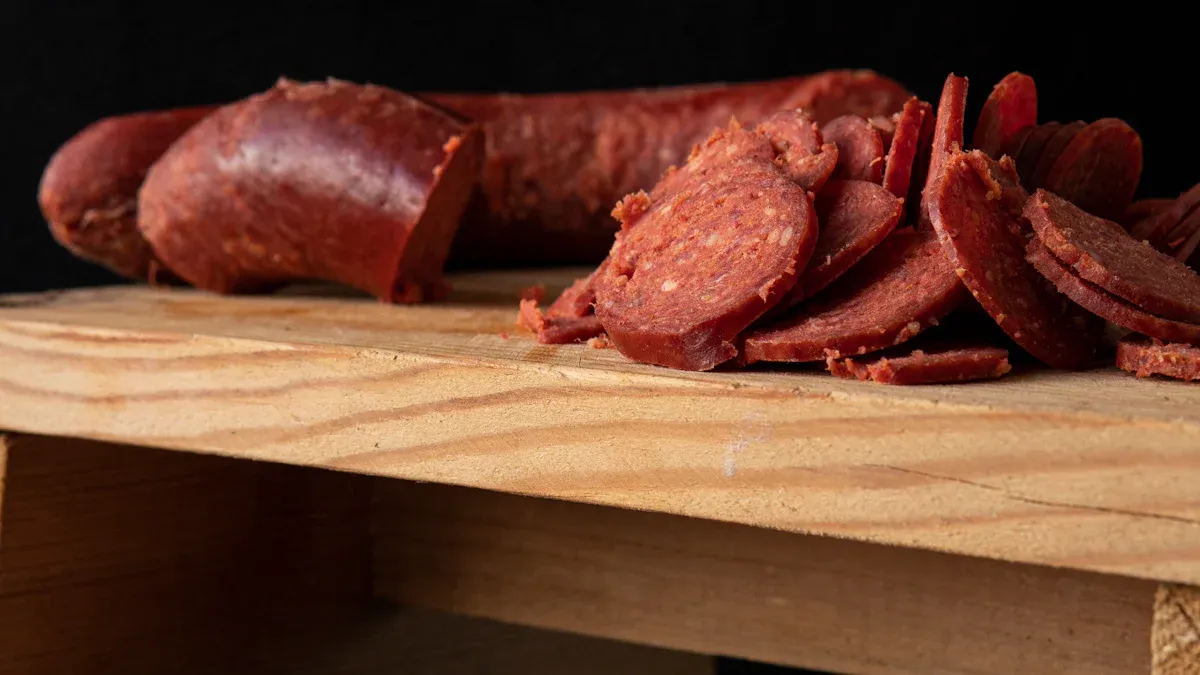
Spanish chorizo is a fermented, cured, and smoked sausage. Its deep red color and smokiness come from dried, smoked red peppers (paprika). Makers dry-cure Spanish chorizo. It is ready to eat.
Curing and Smoking Process
The fermentation process involves specific bacteria. Lactic acid bacteria (LAB) and gram-positive coagulase-negative cocci (CNC) are key. Lactobacillus sakei and Staphylococcus xylosus are examples. These bacteria create the tangy flavor and help with color. Curing takes time. This sausage loses 30-35% of its weight over about four weeks. Some chorizo is cured for 30 days. Ruhlman suggests 18-21 days for drying. Longer curing, around 28-35 days, makes a stiffer chorizo. Oak wood is a traditional choice for smoking. Chorizo from Cantabria, for example, smokes for 25 days over local oak. This gives it a rich flavor.
Flavor Profile and Spices
Spanish chorizo has a distinct flavor. Paprika is the main spice. It gives the sausage its vibrant red color and smoky taste. Garlic is also essential. Beyond these, makers often add other spices. These include non-iodized salt, black pepper, and white wine vinegar. Some recipes use dextrose, sugar, red pepper, and oregano. These ingredients create a complex and savory profile.
Regional Varieties
Spain has many types of chorizo: spanish sausage. Each region makes its own version.
Riojano
Riojano chorizo comes only from La Rioja. It has a coarse texture and an intense red color. It smells smoky. This chorizo uses only pimentón, garlic, and salt. It has no additives. Makers naturally cure it. It comes in a horseshoe shape (sarta) or a straight cane. Riojano chorizo gained PGI status in 2008. This means it follows strict traditional rules. It uses lean pork, pork belly, and streaky bacon from female white pigs. It has a natural pig’s intestine casing. Its flavor is balanced, smoky, and garlicky.
Leonés
Leonés chorizo stands out with its intense garlic flavor. Makers typically smoke it over oak wood. This gives it a deep, smoky taste. It uses less paprika than other types. This allows the garlic and smoke flavors to dominate.
Ibérico
Ibérico chorizo comes from Ibérico pigs. These pigs are famous for their rich, marbled meat. This chorizo often has a deeper, more complex flavor. It reflects the quality of the pork.
Mexican Chorizo
Mexican chorizo is a fresh, chili-based sausage. It is not cured or smoked like its Spanish counterpart. This distinction is important. Mexican chorizo requires cooking before eating.
Fresh and Chili-Based
Mexican chorizo is typically fresh. It does not undergo a curing process. Makers prepare it with various meats. These include pork, chicken, turkey, or beef. They season the meat liberally. This fatty sausage is often ground or minced finely. Mexican chorizo is usually more robust and spicy. Different ingredients give it a darker color. It often comes uncooked. People primarily use it in dishes. They do not typically serve it as a standalone appetizer.
Feature | Mexican Chorizo |
|---|---|
Curing | Fresh, not cured or smoked |
Acids | Marinated in vinegar or sour orange juice |
Final Step | Not subjected to curing or smoking processes |
Distinctive Spices
Mexican chorizo uses a variety of chiles and spices. These create diverse flavor profiles. Guajillo peppers and Ancho Powder are common ingredients. These chiles give the chorizo its characteristic heat and color. Other non-chili spices are also essential. Makers often use dried oregano and cumin. Whole spices hold flavor longer. Vinegar is a key ingredient. Cider vinegar, white balsamic, or distilled white vinegar significantly impacts the chorizo’s flavor. Other common spices include:
Smoked paprika
Ground coriander
Kosher salt
Ground black pepper
Garlic powder
Common Types
Mexico offers several types of chorizo. Each type has unique characteristics.
Red Chorizo
Red chorizo is the most common type. Its vibrant red color comes from the chiles and paprika. This chorizo is versatile. People use it in many dishes. A popular breakfast item is chorizo and eggs. Many also enjoy a flavorful chorizo taco.
Green Chorizo
Green chorizo gets its color and flavor from fresh green chilies. Poblano peppers are a common choice. These chiles offer a piquant taste without being overly fiery. Cilantro, serranos, and oregano also contribute to the green hue and natural flavor. They provide a spicy kick. Some versions may use “green powders” like ground dried nettles or spinach to enhance the color.
Green chorizo gets its characteristic color and flavor from fresh green chilies, specifically poblanos, which replace the dried red chilies found in standard chorizo. Other green ingredients like cilantro, serranos, and oregano also contribute to the green hue and natural flavor, providing a spicy kick without overpowering the meat.
Toluca Chorizo
Toluca, Mexico, is famous for its chorizo. Toluca chorizo is a regional specialty. It often features a distinct flavor profile. This profile comes from specific local spices and preparation methods.
Spanish vs. Mexican Chorizo
People often confuse Spanish and Mexican chorizo. However, these two types of chorizo have distinct characteristics. They differ in preparation, flavor, and how people use them in cooking. Understanding these differences helps you choose the right sausage for your dish.
Preparation Differences
The main difference between Spanish and Mexican chorizo lies in their preparation. Spanish chorizo is a cured sausage. Makers ferment and slowly smoke it. They then air-cure it for several weeks. This process means Spanish chorizo does not require cooking before eating. People often enjoy it as part of a charcuterie board.
Mexican chorizo, on the other hand, is a fresh sausage. It is made from raw pork. Makers add fat, herbs, spices, chile peppers, and vinegar. They insert it into casings. Then, they air-dry it for a short time, from one day up to a week. Mexican chorizo must be cooked before eating. People often fry it in a skillet, removing the casing first.
Feature | Mexican Chorizo | Spanish Chorizo |
|---|---|---|
Curing Status | Not cured (fresh meat) | Cured |
Drying/Curing Time | Air-dried for 1 to 7 days | Smoked and then cured for several weeks |
Edibility | Requires cooking before consumption | Can be eaten without cooking (e.g., charcuterie) |
Preparation | Air-dried, often used as ground pork | Smoked, then cured |
Flavor Contrasts
Spanish chorizo and Mexican chorizo also offer different flavor experiences. Spanish chorizo gets its deep red color and smoky taste from smoked paprika. It often has garlic and sometimes white wine. Its flavor is complex, savory, and tangy from the curing process.
Mexican chorizo uses a variety of chiles and vinegar. This gives it a spicier, tangier, and often more robust flavor. The chiles provide heat and a distinct earthy taste. Mexican chorizo also tends to have a higher fat content. Commercial Mexican chorizo often contains 30% or more fat. This contributes to its rich texture when cooked.
Culinary Applications
The distinct preparations and flavors lead to different culinary uses for these types of chorizo.
People enjoy Spanish chorizo in many ways. They eat it sliced as a tapa. It also adds flavor to stews and soups. A traditional Spanish dish is “Chorizo in Red Wine.” Another popular tapas dish is “Chorizo a la sidra,” where chorizo slices cook in cider. This creates juicy chorizo with a rich, syrupy sauce. This dish is a specialty of Northern Spain.
Mexican chorizo is always cooked. People often remove it from its casing and crumble it. They use it in tacos, burritos, and quesadillas. A very popular breakfast dish is chorizo and eggs. The spicy, fatty nature of Mexican chorizo makes it excellent for flavoring rice, beans, and other cooked dishes.
Chorizo Nutrition Facts
Understanding the nutrition of chorizo helps people make informed dietary choices. Chorizo offers a unique flavor profile, but its nutrition content varies based on type and preparation.
Calorie and Macronutrient Breakdown
Chorizo provides significant energy. A typical 28-gram serving of chorizo contains approximately 90-120 calories. This serving also offers about 7-10 grams of fat, 7 grams of protein, and 1 gram of carbohydrates. The overall nutrition breakdown of chorizo shows that fat makes up the largest portion of its caloric content. Specifically, 1-2% of its calories come from carbohydrates, 70-78% from fat, and 21-28% from protein.
For a larger serving, generic chorizos contain about 455 calories per 100 grams. However, specific products can differ. For example, Morrisons Spanish Chorizo contains 328 calories per 100 grams. This difference highlights the importance of checking specific product labels for precise chorizo nutritional value.
Health Benefits of Chorizo
Despite its high-fat content, chorizo offers several health benefits of chorizo. It is a good source of essential nutrients. Chorizo provides a complete source of protein, which is vital for muscle repair and growth. It also contains important vitamins and minerals.
Chorizo is rich in vitamins and minerals. It contains B vitamins such as B1, B2, B3, B5, B6, and B12. Vitamin B12 is essential for nerve function and DNA production. Chorizo also provides Vitamin C and Folate. For minerals, it offers Manganese, Selenium, Magnesium, Potassium, Iron, and Zinc. Zinc is crucial for a robust immune system and wound healing. Iron is important for red blood cell production.
Chorizo contributes significantly to iron intake. A 100-gram serving provides about 1.6 mg of iron, which is 20% of the daily value. A 300-gram serving offers 4.8 mg of iron, meeting 60% of the daily value. Research shows that “chorizo curado” is a primary contributor to heme iron intake. It accounts for 8.7% of the heme iron dietary intake from processed meats in some populations. This makes chorizo a valuable source of complete protein and micronutrients for overall health.
Potential Health Drawbacks of Chorizo
While chorizo offers nutritional advantages, people should also consider its potential health drawbacks of chorizo. Chorizo is typically high in sodium. High sodium intake can contribute to high blood pressure, which affects heart health. It is also high in saturated fat. Diets high in saturated fat can increase cholesterol levels. This also impacts heart health. Therefore, people should consume chorizo in moderation as part of a balanced diet. Understanding these potential health drawbacks of chorizo helps people enjoy it responsibly.
Spanish chorizo is cured and ready-to-eat. Mexican chorizo is fresh and requires cooking. These types offer distinct flavors and culinary uses. Understanding chorizo’s nutrition profile is crucial for informed consumption. It provides benefits but also has potential drawbacks for your health. People should consider its impact on their health. This knowledge helps make good health choices. Explore the diverse world of chorizo. Appreciate its rich history and flavor, and how it fits into a balanced health plan.
FAQ
What is the main difference between Spanish and Mexican chorizo?
Spanish chorizo is a cured, ready-to-eat sausage. Makers ferment and smoke it. Mexican chorizo is a fresh, raw sausage. People must cook it before eating. It uses different chiles and spices.
What gives Spanish chorizo its red color?
Dried, smoked red peppers, known as paprika (pimentón), give Spanish chorizo its deep red color. Paprika also provides its characteristic smoky flavor. This spice is a core ingredient in traditional Spanish chorizo.
What does “cured” mean for Spanish chorizo?
Curing means makers preserve the sausage. They ferment, smoke, and air-dry Spanish chorizo. This process removes moisture and develops flavor. Curing makes the sausage safe to eat without cooking.
What are common ways to eat Mexican chorizo?
People typically cook Mexican chorizo. They often remove it from its casing and crumble it. It is popular in tacos, burritos, and quesadillas. Many enjoy it mixed with eggs for breakfast.