

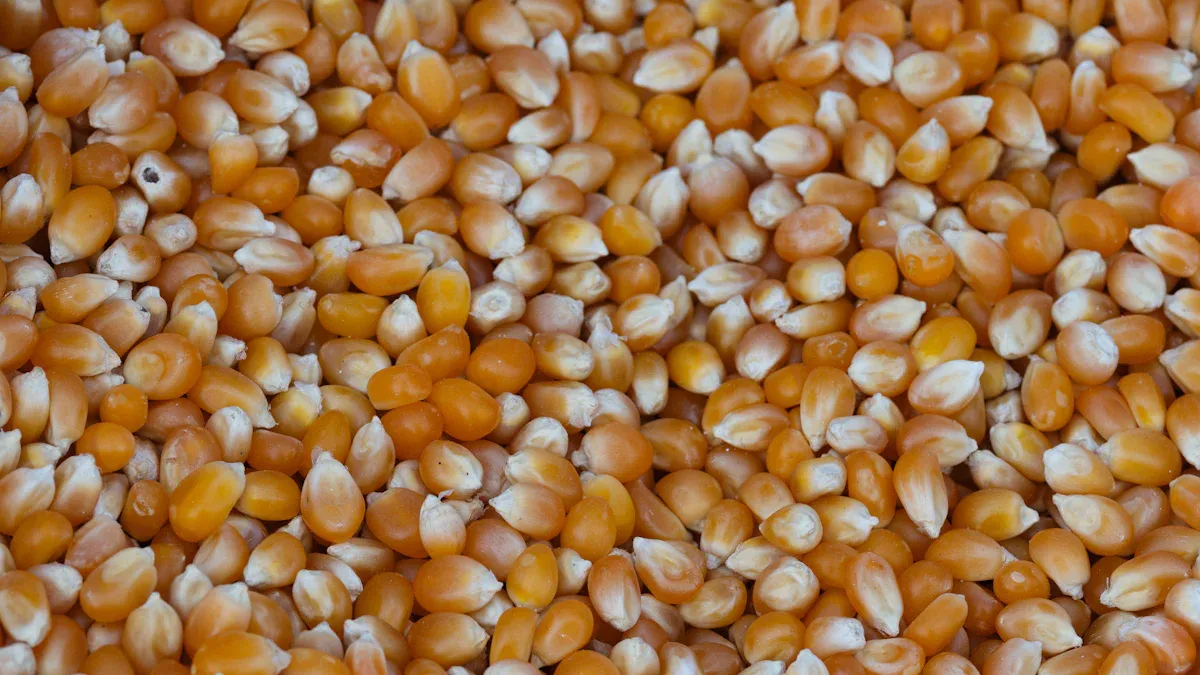
Corn nuts are roasted or fried corn kernels. Many people enjoy their crunchy texture. People often wonder about their nutritional value. This article explores corn nuts nutrition. It focuses on calories, carbohydrates, and their role as a popular snack. We will detail their complete nutritional profile. This information helps you understand their place in a balanced diet.
Key Takeaways
Corn nuts are crunchy snacks made from corn kernels. They give you energy because they have many carbohydrates.
Corn nuts can be high in calories, fat, and salt. Eating too many can be bad for your health.
The way corn nuts are cooked changes their nutrition. Fried corn nuts have more fat than roasted ones.
Corn nuts have some fiber, which helps your digestion. They also have some vitamins and minerals.
Eat corn nuts in small amounts. They are best as an occasional snack, not an everyday food.
What Are Corn Nuts?
Origin and Preparation
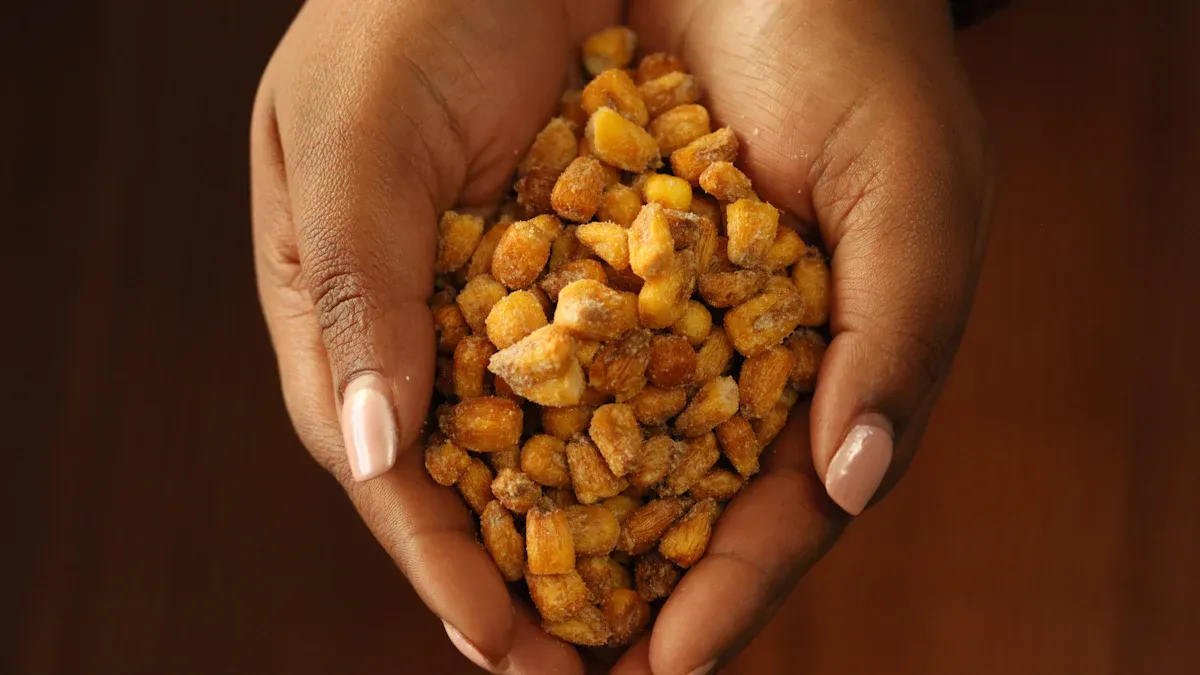
Corn nuts are a crunchy snack made from corn kernels. Their history traces back to parched corn, a traditional Native American food. Native Americans dried and roasted corn kernels for this early snack. In 1936, Albert Holloway from Oakland, California, started selling his own version. He re-hydrated and fried corn kernels. Holloway first called his product Olin’s Brown Jug Toasted Corn. This snack later became known as Corn Nuts, and he officially trademarked the name in 1949.
Making corn nuts involves a few key steps. First, manufacturers soak giant white corn kernels in water for several hours, often overnight. This rehydrates the corn. After soaking, they drain and dry the kernels. Then, they prepare the corn for cooking. One common method is baking. Bakers mix the kernels with oil, sugar, and salt. They spread the corn on a baking sheet and bake it until it turns golden brown and crispy. Another method is frying. Fryers heat vegetable oil and cook the kernels in batches until they become golden and crunchy. They season the corn nuts with salt while still hot.
Varieties and Flavors
Today, consumers find many different types of corn nuts. The original flavor remains very popular. However, companies offer a wide range of other exciting options. Some common varieties include BBQ, which has a smoky and sweet taste. Chile Picante offers a spicy kick. Other popular flavors are Ranch, Nacho, and Jalapeno Cheddar. These different seasonings give corn nuts a unique taste experience for everyone.
Corn Nuts Nutrition Facts: The Basics
Understanding the fundamental nutrition facts of any snack helps consumers make informed choices. Corn nuts offer a distinct nutritional profile. This section details their basic nutrition breakdown.
Calories and Macronutrients
Corn nuts provide a significant amount of calories. For example, 100 grams of roasted corn nuts contain approximately 422 calories. Other sources indicate 100 grams of corn nuts can have around 464 calories. These numbers show corn nuts are an energy-dense snack.
Regarding macronutrients, corn nuts are primarily carbohydrates. They typically contain 71-72 grams of carbohydrates per 100 grams. This makes them a quick source of energy. Fat content in corn nuts is also notable. A 100-gram serving contains about 15 grams of fat. Protein content varies slightly. Some data shows 100 grams of corn nuts provide approximately 7.14 grams of protein. Other information suggests 100 grams can offer up to 10 grams of protein.
Consumers often eat corn nuts in smaller serving sizes. A standard 1-ounce (28g) serving provides a clearer picture of their daily impact.
Macronutrient | Amount per 1-ounce (28g) serving |
|---|---|
Total Fat | 5-6g |
Total Carbohydrate | 19-20g |
Protein | 2-3g |
A 1/3 cup serving, which is about 1 ounce, contains 130 calories. A larger 1.7-ounce (48g) pack has approximately 220 calories. Different types of corn nuts, such as Original or BBQ flavors, generally have similar calories per package. This consistency helps consumers track their intake regardless of flavor preference.
Glycemic Index of Corn Nuts
The glycemic index (GI) measures how quickly a food raises blood sugar levels. Foods with a high GI cause a rapid increase. Foods with a low GI cause a slower, more gradual rise.
Estimates suggest that barbecue-flavor corn nuts have a high glycemic index. Plain KRAFT corn nuts also show an estimated high glycemic index. It is important to note that these specific products have not undergone laboratory testing for their GI values. These are AI-estimated values. Generally, corn itself has a glycemic index that ranges from moderate to high. Factors like the specific corn variety and its preparation method influence this value. Consumers monitoring blood sugar levels should consider this aspect of corn nuts nutrition.
Deeper Dive into Corn Nuts Nutrition
This section explores the deeper aspects of corn nuts nutrition. It looks at fiber, key vitamins, minerals, and sodium levels.
Fiber Content and Benefits
Corn nuts contain dietary fiber. Fiber is important for a healthy body. Different types of corn nuts offer varying amounts of fiber.
Product Name | Serving Size | Dietary Fiber (g) | Dietary Fiber per 100g (g) |
|---|---|---|---|
Roasted Corn Nuggets | 100g | 4 | 4 |
CORN NUTS Original Crunchy Corn Kernels Snack | 48g | 2 | ~4.17 |
Toasted Corn Nuts | 1 oz (28.35g) | 1 | ~3.53 |
Fiber offers several health benefits.
It promotes healthy digestion.
It helps you feel full.
Fiber may help lower cholesterol levels.
It can protect against digestive issues.
Key Micronutrients
Corn nuts also provide some essential micronutrients. These include certain vitamins and minerals.
Vitamins: Corn nuts contain B vitamins. These include pantothenic acid (Vitamin B5), folate (Vitamin B9), and Vitamin B6. Niacin (Vitamin B3) is also present.
Minerals: Corn nuts contain minerals. Sodium is one mineral found in corn nuts. A one-third serving provides at least 160 milligrams of sodium. This is almost 7% of the daily recommended intake. Sodium helps regulate body fluids. It supports the health of the liver, heart, and kidneys.
Sodium Levels to Consider
The sodium content in corn nuts is important to note. A 1-ounce serving (about 28.35 grams) contains 160 mg of sodium. This means 100 grams of corn nuts has approximately 564.37 mg of sodium.
Nutrient | Amount |
|---|---|
Serving Size | 1 oz |
Sodium | 160 mg |
Health organizations recommend limiting daily sodium intake.
Most adults should aim for less than 2,300 mg per day. This is about 1 teaspoon of salt.
Some organizations suggest an optimal goal of no more than 1,500 mg per day.
Consumers should be aware of the sodium in corn nuts. They should eat them in moderation. This helps manage overall daily sodium intake.
Preparation’s Nutrition Impact
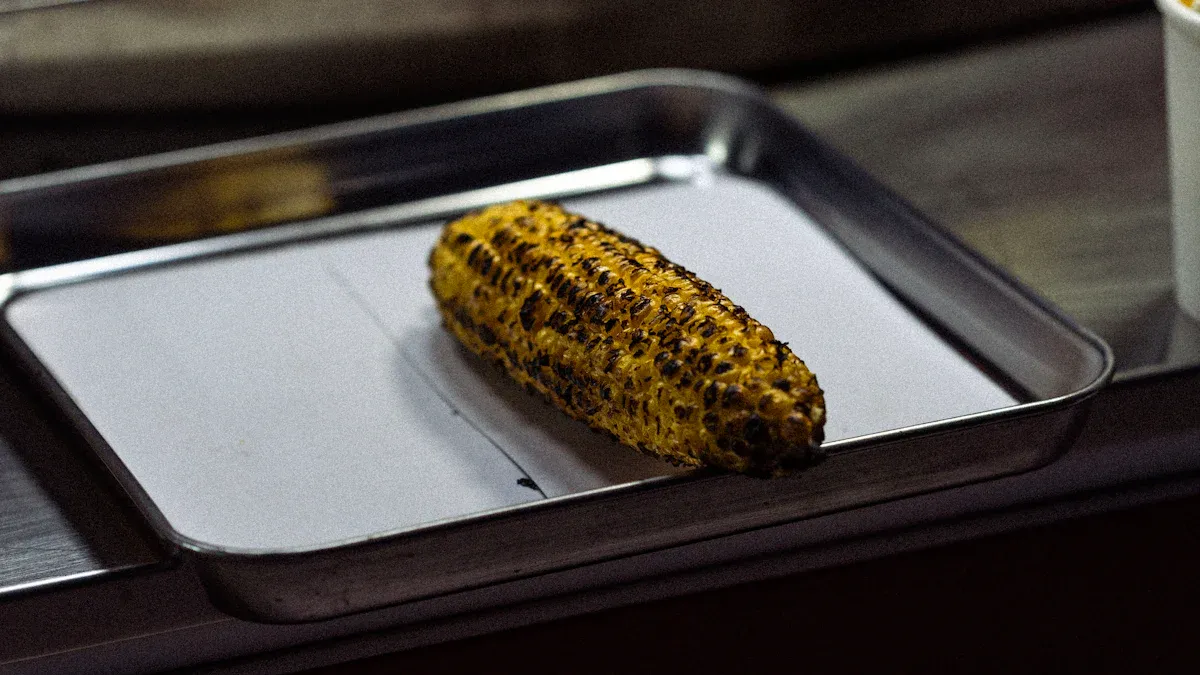
How manufacturers prepare corn nuts significantly changes their nutritional profile. The cooking method and added ingredients directly affect the final product. Consumers should understand these differences.
Fried Versus Roasted
The primary difference in preparation involves cooking methods. Many commercial corn nuts are deep-fried. Frying involves submerging the corn kernels in hot oil. This process adds a considerable amount of fat and calories to the snack. Fried corn nuts become very crispy but absorb oil. In contrast, manufacturers also produce dry roasted corn nuts. This method uses hot air or an oven to cook the kernels. Dry roasting adds less fat compared to frying. Therefore, dry roasted corn nuts generally have less fat and fewer calories. This makes them a potentially healthier option for those watching their fat intake.
Seasonings and Additives
Beyond the cooking method, seasonings and additives also impact the overall nutrition of corn nuts. Manufacturers use various ingredients to enhance flavor and extend shelf life. Common seasonings include flavor enhancers like monosodium glutamate (MSG) in some varieties. Natural and artificial flavorings provide distinct taste profiles such as ranch, BBQ, and Tajin. Spices and herbs, including onion powder, garlic powder, and chili powder, also add flavor.
Additives are also common. Preservatives help maintain freshness and extend shelf life. Anti-caking agents prevent seasonings and flavorings from clumping together. Coloring agents enhance or standardize the color across different batches. Other additives can include sweeteners, antioxidants, emulsifiers, and stabilizers. These ingredients can contribute to the sodium content or introduce artificial components. Consumers should check ingredient labels to understand the full nutritional impact of their chosen corn nuts.
Corn Nuts as a Snack: Health Implications
People often choose corn nuts as a snack. They offer certain benefits. However, consumers should also understand potential drawbacks. Moderation is key for any snack.
Benefits for Energy and Satiety
Corn nuts can provide a quick energy boost. They contain carbohydrates, which the body uses for fuel. Beyond energy, corn nuts also contribute to feelings of satiety. This means they help people feel full. Several factors explain this feeling of fullness. Corn contains fiber, including both soluble and insoluble types. Insoluble fiber, in particular, links to increased satiety. Corn also offers many nutrients. These include protein, magnesium, sodium, potassium, and phosphorus. These nutrients contribute to a feeling of fullness and sustained energy. The water content in corn also aids in satiety and hydration. Furthermore, corn is a relatively low-calorie food. This can be more satisfying and help reduce overall caloric intake. Its fiber also acts as a prebiotic. This supports gut health. It also helps produce short-chain fatty acids that may reduce appetite.
Potential Drawbacks and Moderation
While corn nuts offer some benefits, consumers should consider potential drawbacks. Excessive consumption of processed corn byproducts links to negative health outcomes. These include high blood pressure and high blood sugar. It also increases the risk of obesity, fatty liver disease, colorectal cancer, and type 2 diabetes. Walter Willett, a professor at Harvard T.H. Chan School of Public Health, states that corn is central to a dysfunctional food system. This system fuels climate change and undermines human health, especially due to its processing. Neha Pathak, chair of the American College of Lifestyle Medicine, highlights corn’s role as a staple in processed foods and animal feed. This has led to diets high in processed foods and animal fat, and low in fiber and nutritional diversity. Over-reliance on any single food, such as corn, can lead to nutrient imbalances. This potentially causes deficiencies or other health issues. Neil Iyengar, an oncologist, notes that the major issue with corn is its typical processing. This processing turns it into substances that are inflammatory and metabolically unsafe. Therefore, eating corn nuts in moderation is important. This helps maintain a healthy diet.
Recommended Serving Sizes
Understanding recommended serving sizes helps manage intake. A standard recommended serving size for corn nuts is 28 grams. This is approximately 1 ounce. This portion size allows individuals to enjoy the snack without overconsuming calories, sodium, or fats. People should measure their portions. This helps them stay within their daily nutritional goals.
Comparing Corn Nuts to Other Snacks
People often compare corn nuts to other popular snack foods. Understanding these differences helps consumers make informed choices. This section compares corn nuts with chips, pretzels, and true nuts.
Corn Nuts Versus Chips
Corn nuts and potato chips both offer a crunchy texture. However, their nutritional profiles show some differences.
Snack Type | Calories (28g/1oz) | Fat (g) | Sodium (mg) |
|---|---|---|---|
Salted Potato Chips | 149 | 9.5 | 148 |
Plain Corn-based Chips | 151 | 9.35 | N/A |
Regular potato, corn, or tortilla chips typically contain around 140 calories per ounce. An ounce serving can also provide 10 or 11 grams of fat. It can have up to 500 milligrams of sodium. Corn nuts often have a similar calorie count per ounce. However, their fat and sodium content can vary. Consumers should check specific product labels for exact figures.
Corn Nuts Versus Pretzels
Pretzels are another common crunchy snack. They differ from corn nuts in carbohydrate and fiber content.
Snack (1 oz serving) | Carbs | Fiber |
|---|---|---|
Hard Pretzels | 23g | <1g |
Crackers (wheat) | 20g | 2g |
Tortilla Chips | 18g | 2g |
Hard pretzels typically provide more carbohydrates but less fiber than corn nuts. Whole wheat pretzels offer more dietary fiber. They provide 2–3g per ounce compared to less than 1g in regular pretzels. Corn nuts contain 64.96g of net carbohydrates and 6.9g of dietary fiber per 100g serving. This means corn nuts can offer more fiber per serving than many pretzel varieties.
Corn Nuts Versus Nuts
People sometimes confuse corn nuts with actual nuts like peanuts or almonds. However, corn nuts are made from corn kernels, a grain. True nuts are botanically different. Nuts generally offer higher protein and healthy fat content. They also provide a wider range of vitamins and minerals. Corn nuts, being a grain-based snack, primarily provide carbohydrates for energy. They offer less protein and different types of fats compared to true nuts.
Practical Uses for Corn Nuts
People can use corn nuts in many ways. They serve as a versatile snack. Their crunchy texture makes them a good addition to various meals and activities.
Pre-Workout or On-the-Go
Corn nuts offer a convenient energy source. Their carbohydrate content provides quick fuel for physical activity. Athletes or busy individuals often consume them before a workout. They also make a good snack for people on the go. Their portability allows easy transport in bags or lunchboxes. This makes them suitable for travel or a quick bite between tasks.
Toppings and Add-ins
The distinct crunch of corn nuts enhances many dishes. People use them as a topping for salads. They add texture and flavor to leafy greens. Some individuals sprinkle them over soups. This provides a satisfying contrast to softer ingredients. They can also be mixed into yogurt or cottage cheese for an unexpected crunch. This simple addition elevates everyday meals.
Creative Recipe Ideas
Beyond simple snacking, corn nuts inspire creative culinary uses.
Trail Mixes: Combine them with dried fruits, nuts, and seeds for a custom trail mix. This creates a balanced snack with varied textures.
Crusting Agent: Crush them and use them as a coating for chicken or fish. This provides a unique, crispy crust.
Snack Mixes: Mix them with pretzels, crackers, and spices for a savory party snack. This offers a flavorful alternative to traditional snack options.
This article explored corn nuts nutrition, detailing their calories and carbohydrates. It also highlighted key nutrients. Consumers must consider preparation methods and practice portion control. While corn nuts offer a satisfying crunch, they fit best as an occasional snack in a varied diet. Enjoy them responsibly.
FAQ
What are corn nuts made from?
Corn nuts are made from corn kernels. Manufacturers soak and then roast or fry these kernels. This process gives them their signature crunchy texture.
Do corn nuts have fiber?
Yes, corn nuts contain dietary fiber. Fiber helps with digestion and makes you feel full. The amount of fiber varies by product.
Are corn nuts a healthy snack?
Corn nuts can be part of a balanced diet. They provide energy and some nutrients. However, they can be high in calories, fat, and sodium. Moderation is important.
What is the main macronutrient in corn nuts?
Carbohydrates are the main macronutrient in corn nuts. They provide quick energy. Corn nuts also contain fat and some protein.
How do corn nuts compare to regular nuts nutritionally?
Corn nuts are made from corn kernels, a grain. Regular nuts are botanically different. True nuts generally offer more protein and healthy fats. Corn nuts primarily provide carbohydrates.