


Dragon fruit catches your eye with its bright pink skin and speckled flesh. You taste a sweet, mild flavor, often compared to a mix of kiwi and pear. Dragon fruit comes from cacti and plays a big part in food traditions across Asia and Europe. Its global market hit $1.2 billion in 2023. You get a fruit packed with moisture, vitamins, and antioxidants. Check out its Nutrition Facts below:
Nutrient | Amount per 100g |
|---|---|
Thiamine (B1) | 2.4 µg |
Riboflavin (B2) | 2.0 µg |
Niacin (B3) | 12.6 µg |
Ascorbic Acid (C) | 5.6 µg |
Moisture Content | >85% |
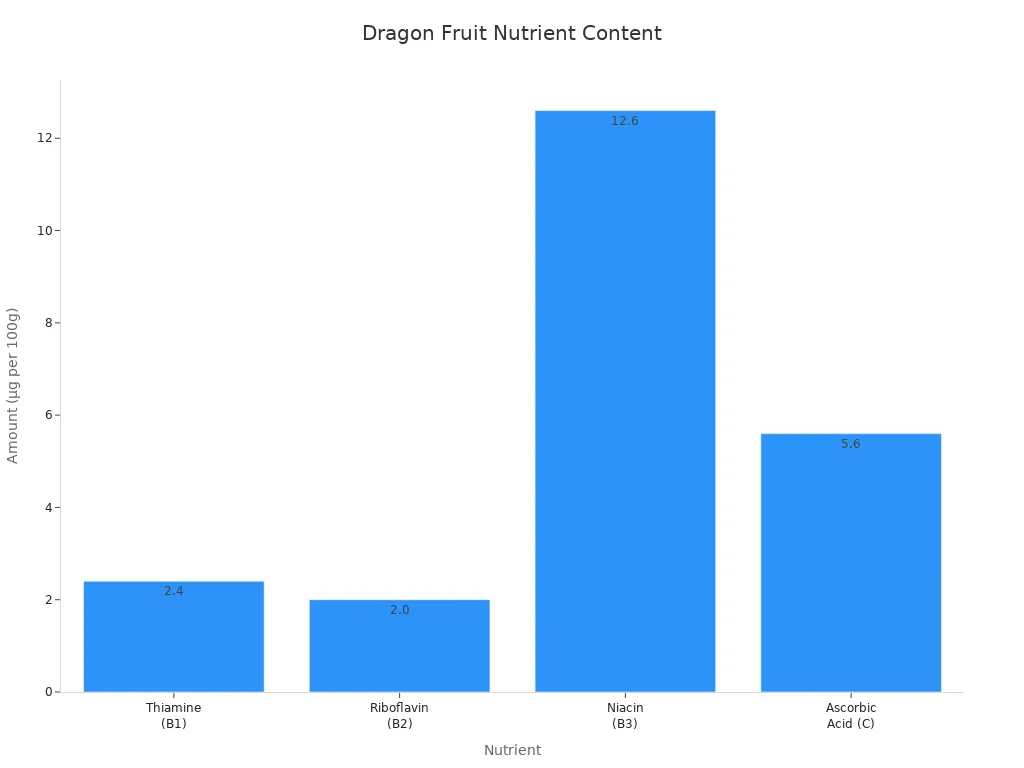
You gain antioxidants and prebiotic fiber that support your gut and may help manage blood sugar.
Key Takeaways
Dragon fruit is a low-calorie fruit rich in fiber, vitamin C, and antioxidants. It supports your immune system and promotes gut health.
You can choose from various dragon fruit types, including white, red, purple, and yellow. Each variety offers a unique taste and nutritional profile.
Eating dragon fruit may help lower blood sugar and cholesterol levels, making it beneficial for heart health and diabetes management.
You can enjoy dragon fruit in many ways, such as in smoothies, salads, or as a topping for yogurt. Its vibrant color adds visual appeal to your dishes.
While dragon fruit is generally safe, some people may experience mild allergic reactions. Always try a small amount first if you have food allergies.
About Dragon Fruit

Varieties
You find several types of dragon fruit, each with its own color, size, and flavor. The most common varieties include white, red, purple, and yellow dragon fruit. You can compare them easily:
Variety | Color | Size | Nutritional Content |
|---|---|---|---|
White Dragon Fruit | Pink skin, white flesh | Largest variety | Mild flavor, least sweet, may help reduce insulin resistance |
Red Dragon Fruit | Hot pink to dark red skin | Smaller, oval shape | Sweeter, higher sugar, contains antioxidant lycopene |
Purple Dragon Fruit | Fuchsia skin, magenta flesh | Oval shape | Flavor between white and red, rare in the U.S. |
Yellow Dragon Fruit | Yellow skin, pale flesh | Smallest variety | Sweetest, high in fiber, prebiotics, antioxidants |
You see dragon fruit growing in southern Mexico, Central, and South America. Indigenous peoples cultivated it long before European explorers arrived. Europeans brought dragon fruit to new lands during the Age of Exploration. Today, you find it in Asia, especially Vietnam, where people call it ‘thanh long’. The name “dragon fruit” comes from its unique look, which resembles a dragon’s scales.
Tip: When you choose dragon fruit, look for bright, even-colored skin. Each variety offers a different taste experience.
Taste & Appearance
Dragon fruit stands out with its bright pink, spiky skin. When you slice it open, you see white or magenta flesh dotted with tiny black seeds. The seeds add a gentle crunch. Some varieties have yellow skin and almost translucent flesh.
You taste a blend of kiwi and pear, but the flavor is milder than pear. Red-fleshed dragon fruit tastes sweeter and has a hint of berry. Yellow dragon fruit gives you the sweetest and most flavorful bite. The fruit’s appearance makes it a favorite for fruit salads and smoothie bowls.
Dragon fruit’s texture feels soft and juicy.
The seeds provide a pleasant contrast.
The vibrant colors make your dishes look exciting.
You enjoy dragon fruit not only for its taste but also for its visual appeal. The fruit’s unique look and refreshing flavor make it a popular choice around the world.
Dragon Fruit Nutrition Facts
Dragon fruit nutrition facts show you why this fruit stands out in your diet. You get a fruit with low calories, high fiber, and a rich mix of vitamins, minerals, and antioxidant properties. When you look at the nutritional value, you see how dragon fruit supports your health in many ways.
Macronutrients
You find that dragon fruit nutrition facts reveal a fruit with low calories and balanced macronutrients. For every 100 grams, you get about 60 calories. This makes dragon fruit a smart choice if you want a light snack.
Nutritional Component | Value per 100g |
|---|---|
Calories | 60 |
You get carbohydrates, protein, and a small amount of fat. The nutritional value of dragon fruit helps you feel full without adding too many calories.
Macronutrient | Value per 100g |
|---|---|
Carbohydrates | 12 grams |
Sugars | 9 grams |
Protein | 2 grams |
Fat | 1.5 grams |
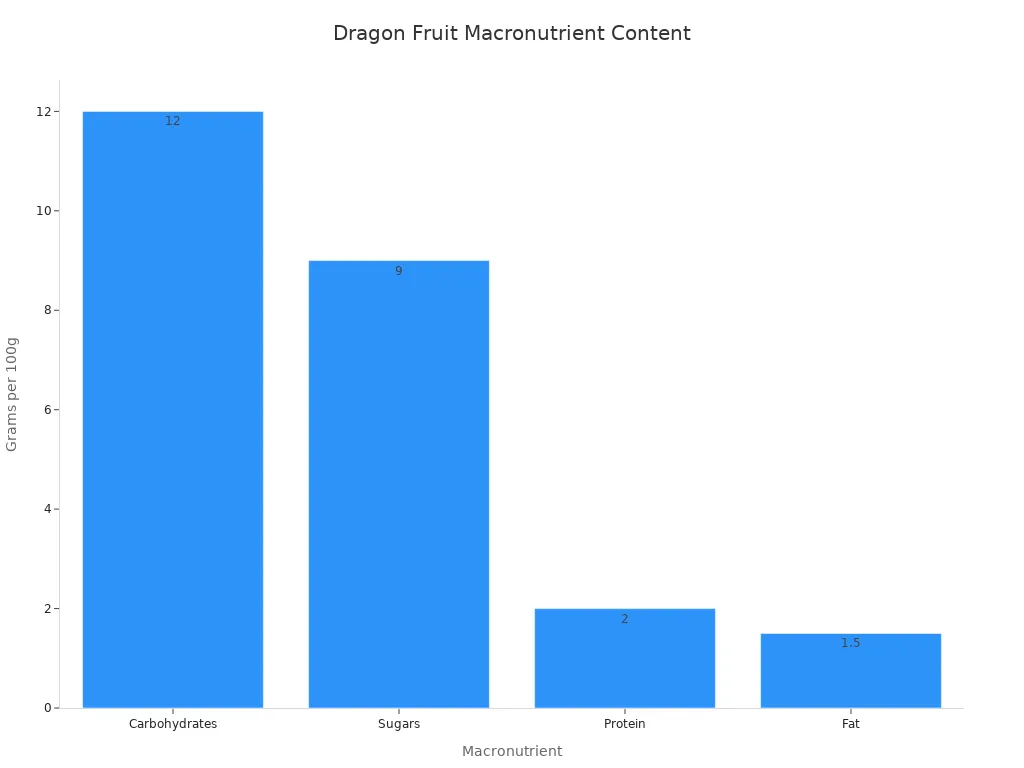
You see that most of the calories come from carbohydrates, mainly natural sugars. You also get a small amount of protein and fat, which adds to the nutritional value. Dragon fruit nutrition facts show that this fruit contains very little sodium, making it heart-friendly.
Vitamins & Minerals
Dragon fruit vitamins and minerals give you important nutrients for your body. You get vitamin C, which helps your immune system and skin. For every 100 grams, you get about 4.3 mg of vitamin C, which is 5 percent of your daily value.
Nutrient | Amount | Percentage of Daily Value (DV) |
|---|---|---|
Vitamin C | 4.3 mg | 5 percent |
You also get iron, folate, magnesium, phosphorus, potassium, calcium, and copper. These minerals support your blood, bones, and muscles. The nutritional value of dragon fruit includes:
Mineral | Amount | Daily Value % |
|---|---|---|
Iron | 0.09 mg | 0 % |
Folate, DFE | 8.25 mcg | 2 % |
Magnesium | 10.50 mg | 2 % |
Phosphorus | 13.50 mg | 1 % |
Potassium | 154.50 mg | 3 % |
Calcium | 9.75 mg | 1 % |
Copper | 0.05 mg | 6 % |
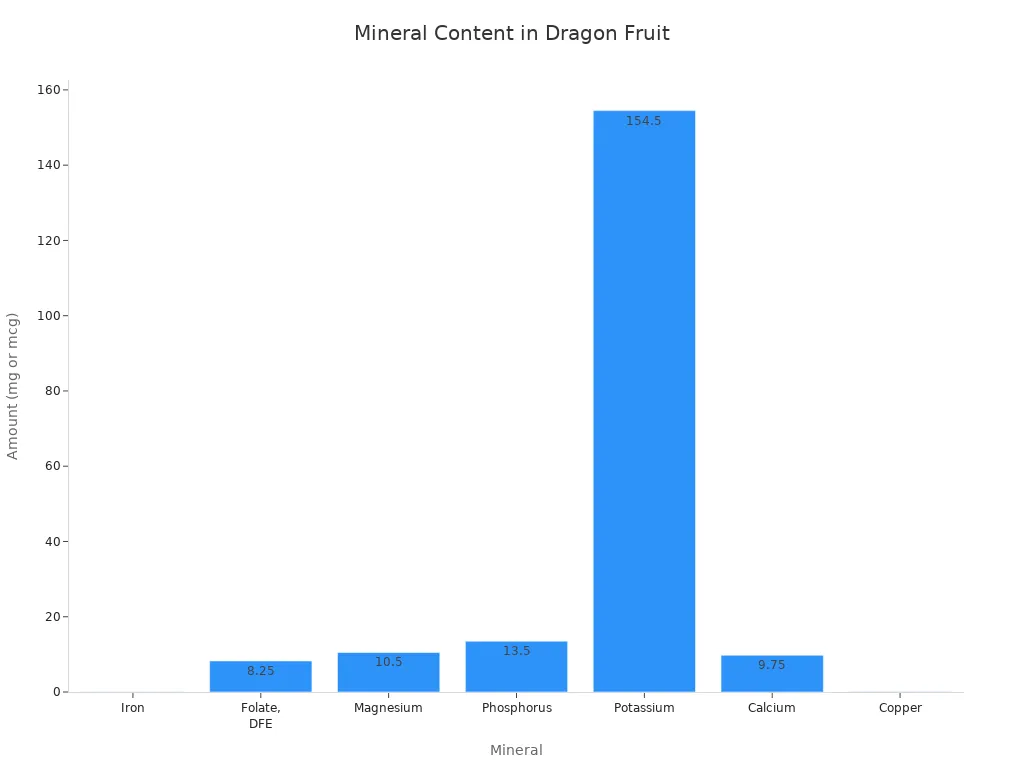
You notice that copper stands out with 6 percent of your daily value. This mineral helps your body make red blood cells and supports your immune system. The nutritional value of dragon fruit vitamins and minerals compares well to other tropical fruits. You get high vitamin C, potassium, and antioxidants, which boost your health.
Nutrient | Dragon Fruit (Red Pulp) | Other Tropical Fruits |
|---|---|---|
Caloric Content | Low | Varies |
Dietary Fiber | High | Moderate to High |
Antioxidants | High | Varies |
Essential Amino Acids | Rich (e.g., histidine, lysine) | Varies |
Vitamin C | High | Varies |
Vitamin K1 | Present | Varies |
Potassium | Present | Varies |
Iron | Present | Varies |
Note: You get a wide range of nutrients from dragon fruit. This fruit gives you a boost in nutrition without adding too many calories.
Fiber & Antioxidants
You get a good amount of fiber from dragon fruit. The nutritional value of fiber helps your digestion and keeps you feeling full. Fiber supports your gut health and may help control blood sugar. Dragon fruit nutrition facts show that you get both soluble and insoluble fiber, which helps your body in different ways.
You also get strong antioxidant properties from dragon fruit. These antioxidants protect your cells from damage and support your immune system. The nutritional value of dragon fruit includes betacyanins and betaxanthins in the peel and pulp. You find catechin, epicatechin, rutin, quercetin, and myricetin in the seeds. The reddish parts of dragon fruit contain cyanidin 3-O-glucoside, delphinidin 3-glucoside, and pelargonidin 3-glucoside.
Antioxidant Type | Concentration (mg/100g) | Source |
|---|---|---|
Betacyanins | N/A | Peel and pulp of dragon fruit |
Betaxanthins | N/A | Peel and pulp of dragon fruit |
Catechin | N/A | Seeds of dragon fruit |
Epicatechin | N/A | Seeds of dragon fruit |
Rutin | N/A | Seeds of dragon fruit |
Quercetin | N/A | Seeds of dragon fruit |
Myricetin | N/A | Seeds of dragon fruit |
Cyanidin 3-O-glucoside | 12.67 ± 0.63 | Reddish parts of dragon fruit |
Delphinidin 3-glucoside | 0.82 ± 0.17 | Reddish parts of dragon fruit |
Pelargonidin 3-glucoside | 1.76 ± 0.23 | Reddish parts of dragon fruit |
Total Soluble Phenolic | 572.48 ± 20.77 | Hylocereus costaricensis fruit |
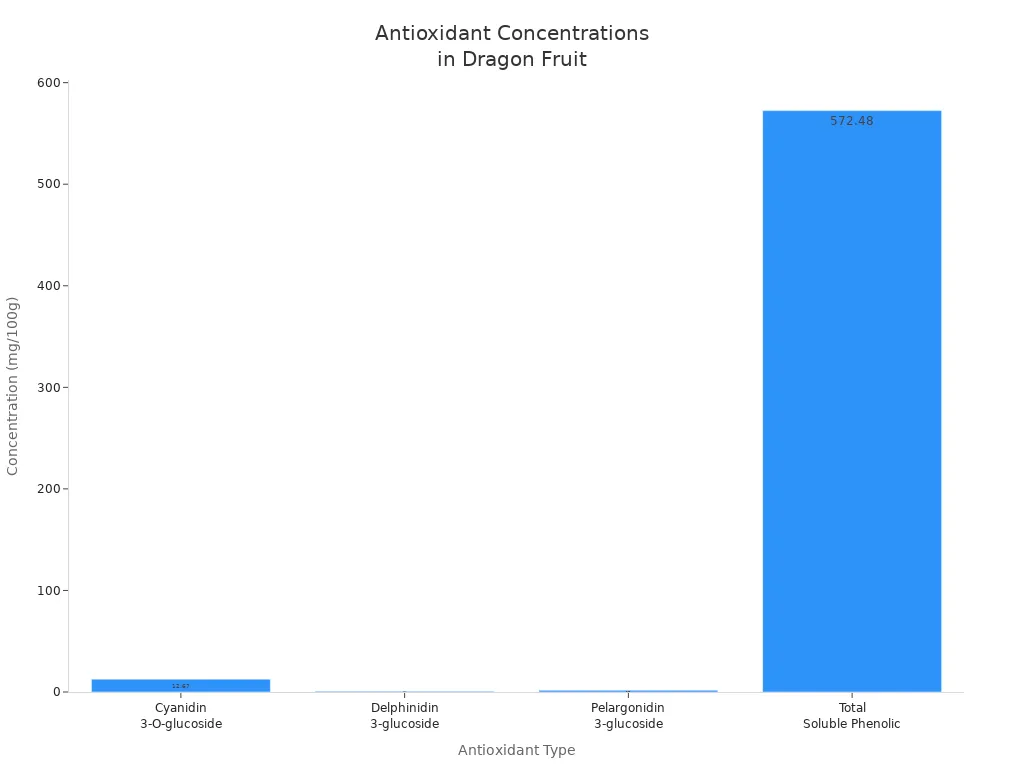
You see that the antioxidant capacity of dragon fruit is high. The nutritional value of antioxidants helps fight free radicals and may lower your risk of disease. You get different levels of antioxidants depending on the variety:
Hylocereus undatus: 122.7 ± 1.23 mg/100g
Hylocereus megalanthus: 381.9 ± 10.91 mg/100g
Hylocereus costaricensis: 572.48 ± 20.77 mg/100g
You get a fruit with strong antioxidant properties and high fiber. The nutritional value of dragon fruit makes it a top choice for boosting your health. You see why dragon fruit nutrition facts matter when you want a fruit that supports your body and tastes great.
Health Benefits of Dragon Fruit
Dragon fruit benefits your body in many ways. You discover that the health benefits of dragon fruit reach your immune system, gut, heart, and skin. You also find that dragon fruit juice benefits your health and may help with diabetes and inflammation. Let’s look at what dragon fruit offers for your health.
Immune Support
You boost your immune system when you eat dragon fruit. The fruit contains vitamin C and other antioxidants that help your body fight infections. Dragon fruit oligosaccharides increase your immunoglobulin A (IgA) levels. IgA protects your body from germs and keeps your immune system strong. Even a small amount of dragon fruit oligosaccharides, such as 4 grams per day, improves your serum IgA levels.
Dragon fruit oligosaccharides help your immune system work better.
You support the growth of good gut bacteria, like Bifidobacterium spp.
You reduce harmful bacteria, such as Escherichia coli.
Dragon fruit benefits your immune health by giving you antioxidants and prebiotics. You get a fruit that helps your body defend itself.
Gut & Heart Health
You find that dragon fruit is high in fiber. This fiber supports your gut health by helping digestion and feeding good bacteria. You may notice less bloating and better regularity. Dragon fruit juice benefits your gut because it contains prebiotics that help your digestive system.
Dragon fruit benefits your heart as well. You see improvements in cholesterol and blood sugar levels, especially if you have type 2 diabetes. Studies show that eating dragon fruit powder daily improves blood vessel function and lowers pulse wave velocity. You also get better cholesterol numbers after four weeks of regular consumption.
Study Description | Outcome |
|---|---|
Participants consumed 24 g of whole dragon fruit powder daily for 14 days. | Significant improvement in flow-mediated dilation (FMD) and reduction in pulse wave velocity. No significant differences in blood pressure. |
Dragon fruit consumption reduced glycemia and blood pressure in subjects with excess nutritional status. | Significant increase in HDL-c and reduction in LDL-c, triglycerides, and total cholesterol after 4 weeks. |
Significant decrease in glycemia, total cholesterol, LDL-c, and triglycerides observed. | Increase in HDL-c and total antioxidant status noted. |
You may lower your risk of heart disease and type 2 diabetes by adding dragon fruit to your diet. The health benefits of dragon fruit include better cholesterol, lower blood sugar, and improved gut health.
Skin & Antioxidant Benefits
You notice that dragon fruit helps your skin look healthy. The antioxidants in dragon fruit protect your skin from damage caused by free radicals. You get vitamin C, which helps your skin heal and stay firm. Dragon fruit benefits your skin by reducing inflammation and supporting collagen production.
Dragon fruit contains flavonoids, polyphenols, and betanin. These compounds show antiproliferative effects on cancer cells. Studies report cytotoxic effects against cancer cell lines, such as PC3, Bcap-37, and MGC-803. Dragon fruit extracts also inhibit key inflammatory enzymes, including 5-Lipoxygenase, Acetylcholinesterase, and Cyclooxygenase-2.
Property Type | Details |
|---|---|
Anti-Cancer | Flavonoids, polyphenols, and betanin in dragon fruit show antiproliferative effects on cancer cells. |
Cancer Cell Lines | Significant cytotoxic effects observed against PC3, Bcap-37, and MGC-803 with IC50 values of 0.61 to 0.73 mg/mL. |
Anti-Inflammatory | Extracts inhibit key inflammatory enzymes: 5-Lipoxygenase, Acetylcholinesterase, and Cyclooxygenase-2. |
Strongest Effect | The most notable inhibition was on acetylcholinesterase, indicating potential anti-inflammatory pathways. |
You get potential health benefits from dragon fruit, including anti-inflammatory and anti-cancer properties. You support your skin and overall health by eating dragon fruit or drinking dragon fruit juice.
Side Effects & Allergies
You rarely experience side effects from dragon fruit, but some people may have allergic reactions. Most reactions are mild, but you should know what to watch for.
Itching
Swelling
Hives
Upset stomach
Bloating
Gas
Diarrhea
Nausea
Skin rash
Swelling around the mouth or face
Breathing difficulties
Difficulty breathing
Tightness in the chest
Dizziness
Fainting
Rapid heart rate
Nasal congestion
Runny nose
Sneezing
Itchy or watery eyes
Abdominal pain
Vomiting
Aspect | Details |
|---|---|
Prevalence | Relatively uncommon compared to other food allergies. |
Documented Symptoms | Itching, hives, difficulty breathing. |
Risk Factors | Higher risk in individuals with allergies to kiwi or latex. |
You see that dragon fruit allergies are uncommon. If you have allergies to kiwi or latex, you may have a higher risk. If you notice any symptoms, stop eating dragon fruit and talk to your doctor.
Tip: Try a small amount of dragon fruit first if you have food allergies. Watch for any signs of discomfort.
You discover that the health benefits of dragon fruit include immune support, gut and heart health, skin protection, and anti-inflammatory effects. You also learn about possible side effects and allergies. Dragon fruit benefits your body in many ways and gives you a tasty way to improve your health.
Culinary Uses

Selection & Storage
You want to choose dragon fruit with the best nutritional quality and flavor. Look for fruit with vibrant skin color and firm, intact scales. The fruit should feel heavy for its size. The tip needs to be supple, not hard. Gently press the skin; it should have a little give, showing ripeness.
Cue Type | Description |
|---|---|
Skin Color | Vibrantly colored skin |
Scales | Firm and intact |
Weight | Heavy for its size |
Spiky Tip | Supple and pliable, not hard |
Skin Texture | Slight give when pressed, indicating softness |
To keep dragon fruit fresh, store uncut fruit at room temperature for two to three days. Refrigerate uncut dragon fruit for up to two weeks. For cut fruit, use a sealed container and eat within a couple of days. You can freeze dragon fruit pieces for up to six months, but freezing changes the texture. Cold storage with air circulation helps preserve the nutritional quality. Avoid temperatures below 5°C to prevent cold damage.
Tip: Store dragon fruit in a perforated plastic bag or container with air holes to extend shelf life.
Preparation & Eating
You can enjoy dragon fruit in many ways. If you wonder how to prepare dragon fruit, start by cutting it in half lengthwise. Scoop out the flesh with a spoon for a quick snack. For a formal look, peel off the skin and slice the fruit into cubes or wedges. You can eat dragon fruit cold, add it to fruit salads, or use it as a topping for yogurt and ice cream. Many people ask how to eat dragon fruit for maximum nutritional quality. Try pairing it with Greek yogurt or sprinkle chopped nuts for extra crunch. Dragon fruit is low in calories, making it a smart choice for healthy snacks.
Scoop it out for a simple treat.
Slice and cube for salads or desserts.
Blend into smoothies for vibrant color.
Puree and freeze for popsicles.
Recipes & Serving Ideas
You find dragon fruit in sweet and savory dishes around the world. Cafés in the Philippines serve dragon fruit lattes. Hawaii offers yuzu dragon fruit matcha drinks. Vietnamese American cuisine uses dragon fruit syrup. In Vietnam and Thailand, you see dragon fruit as street food, sometimes with spices or in ice cream rolls.
Popular recipes include:
Pitaya Parfait: Layer dragon fruit with dried mulberries, dates, and cinnamon.
Pink Dragon Fruit Soda: Mix dragon fruit with lime juice and soda water.
Coconut, Pineapple, and Pitaya Pancakes: Serve pancakes with a pink dragon fruit sauce.
Dragon Fruit Smoothie: Blend dragon fruit, banana, coconut water, and pineapple.
Dragon Fruit Salsa: Combine dragon fruit, onions, cilantro, and lime juice.
Dragon Fruit Berry Bliss Chia Pudding: Mix chia seeds, almond milk, berries, and nuts.
Dragon Fruit, Pomegranate & Macadamia Salad: Toss dragon fruit with greens and avocado dressing.
You can blend dragon fruit with lime and ice for juice, mix it with tropical fruits for salads, or use it as a base in smoothie bowls. Garnish desserts or savory dishes with colorful dragon fruit pieces to boost nutritional quality and visual appeal.
Dragon fruit gives you a low-calorie, nutrient-rich snack packed with fiber, vitamin C, and magnesium. You support your heart, gut, and immune system with every serving. Check out the nutrition facts below:
Nutrient | Amount per 6 oz (170g) |
|---|---|
Calories | 102 |
Fat | 0g |
Sodium | 0mg |
Carbohydrates | 22g |
Fiber | 5g |
Sugars | 13g |
Protein | 2g |
Magnesium | 68mg |
Riboflavin | 0.17mg |
Iron | 1.26mg |
Vitamin C | 4.25mg |
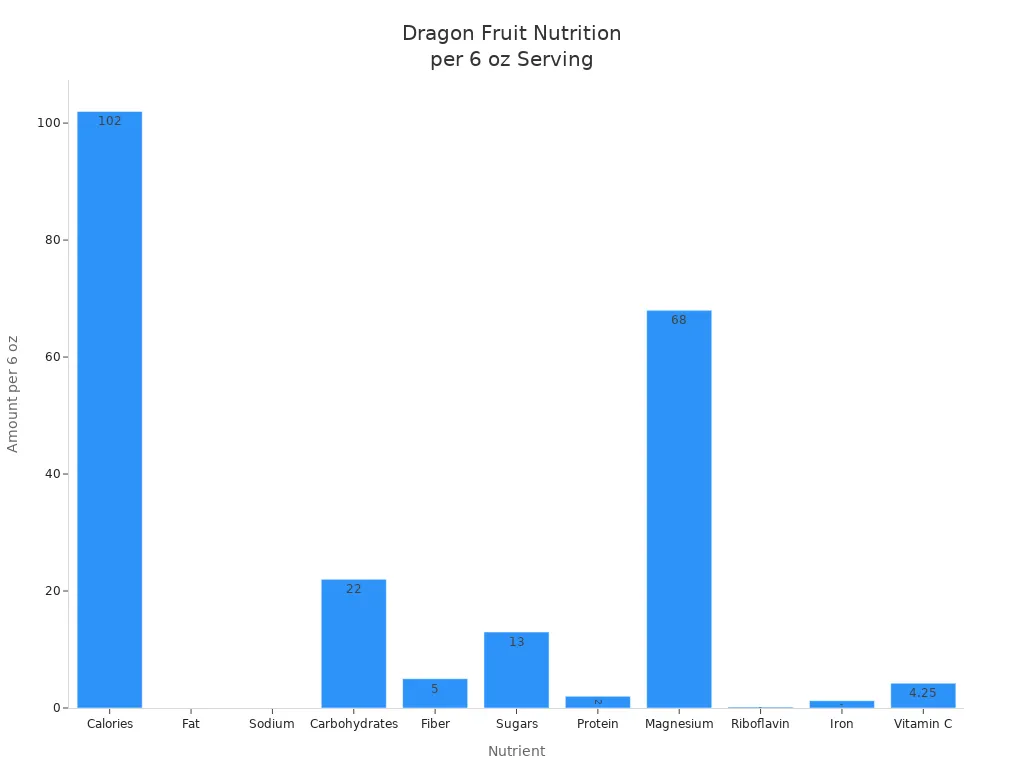
You find antioxidants that help protect your cells, fiber that aids digestion, and minerals that strengthen bones. Try adding dragon fruit to smoothies, salads, or yogurt for a colorful boost to your meals.
FAQ
What is the best way to eat dragon fruit?
You can slice dragon fruit in half and scoop out the flesh with a spoon. Try adding it to smoothies, salads, or yogurt for extra flavor and nutrition.
Tip: Chill dragon fruit before eating for a refreshing treat.
What nutrients do you get from dragon fruit?
You get vitamin C, fiber, magnesium, and antioxidants. Dragon fruit also provides small amounts of iron, calcium, and protein.
Nutrient | Benefit |
|---|---|
Vitamin C | Immune support |
Fiber | Digestion |
Magnesium | Bone health |
What does dragon fruit taste like?
Dragon fruit tastes mildly sweet. You may notice hints of kiwi and pear. The texture feels soft and juicy, with crunchy seeds.
Note: Red and yellow varieties taste sweeter than white ones.
What are the possible side effects of eating dragon fruit?
Most people eat dragon fruit safely. Some may experience mild stomach upset or allergic reactions like itching or swelling.
If you have allergies to kiwi or latex, try a small amount first.
What makes dragon fruit good for your health?
You get antioxidants that protect your cells. Fiber helps your digestion. Vitamin C boosts your immune system. Magnesium supports your bones.
Dragon fruit gives you a low-calorie snack packed with nutrients.