

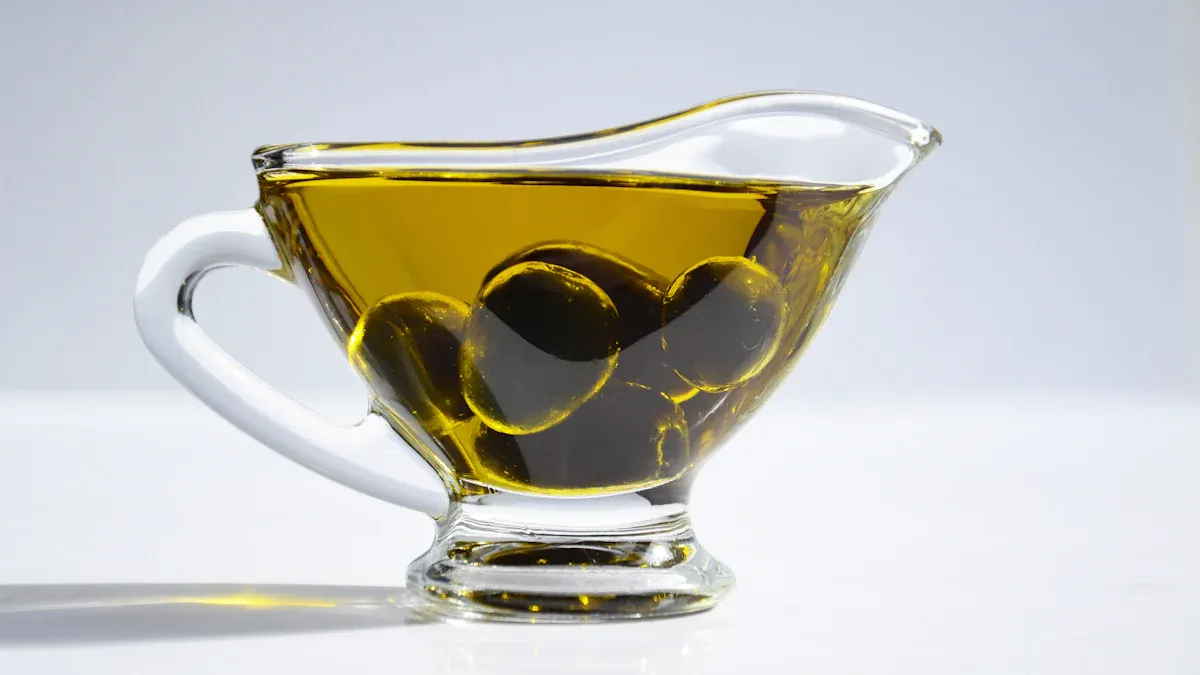
Traditional cooking fats are making a comeback. Consumers increasingly seek natural, authentic ingredients, driving a renewed interest in options like lard and tallow. Goose fat is a flavorful and versatile medium for cooking. This blog explores its nutritional profile, culinary applications, and health implications. It helps readers make informed choices. People must balance its rich flavor with moderation for good health.
Key Takeaways
Goose fat is a traditional cooking fat. It comes from geese. It has a rich flavor.
Goose fat is 100% fat. It has many calories. It contains good fats like monounsaturated fat.
Goose fat is great for cooking. It has a high smoke point. It makes vegetables crispy.
Use goose fat in small amounts. Too much can cause weight gain. It has saturated fat.
Store goose fat in a sealed container. Keep it in the fridge or freezer. This keeps it fresh.
What is Goose Fat
Definition and Origin
Goose fat is a cooking fat. It comes from geese. People primarily get it from the skin and fatty parts of the bird. This fat has a long history in European cooking. Chefs and home cooks have valued it for centuries. They appreciate its rich flavor and unique cooking properties. It is a traditional ingredient in many classic dishes.
Rendering Process
Making goose fat involves a process called rendering. This process extracts the pure fat from the goose’s fatty tissues. First, people collect the fatty skin and other fat deposits from the goose. They cut these fatty pieces into smaller parts. Next, they gently heat these pieces in a pot or pan. The low heat slowly melts the fat. As the fat melts, it separates from the solid bits of skin and meat. These solid bits become crispy cracklings.
The melted fat turns into a liquid. This liquid fat is then strained. Straining removes any remaining solid pieces. This step ensures the fat is clean and smooth. After straining, the pure liquid fat cools. It then solidifies into a creamy, pale yellow substance. This rendered fat is ready for cooking. It stores well for future use.
Goose Fat Nutrition Facts
Understanding the nutritional data of goose fat helps consumers make informed dietary choices. Goose fat is a pure fat product. It offers specific nutritional data that differs from other food items.
Macronutrient Breakdown
Goose fat is 100% fat. The nutritional data clearly shows goose fat is 100% fat. It contains no carbohydrates or protein. This means all its calories come from fat. This nutritional data highlights the absence of carbohydrates and protein. Here is a detailed look at its composition per 100 grams:
Nutrient | Amount per 100g |
|---|---|
Calories | 900 |
Total Fat | 99.8g |
Saturated Fat | 27.7g |
Polyunsaturated Fat | 11g |
Monounsaturated Fat | 56.7g |
Cholesterol | 100mg |
Sodium | 0mg |
Total Carbohydrate | 0g |
Dietary Fiber | 0g |
Protein | 0g |
Calcium | 0mg |
Iron | 0mg |
Potassium | 0mg |
Vitamin A | 0mcg |
Vitamin C | 0mg |
Types of Fats
Examining the nutritional data reveals its fat composition. Goose fat contains a mix of saturated, monounsaturated, and polyunsaturated fats. It has a significant amount of monounsaturated fat. This type of fat is also present in olive oil. The detailed nutritional data indicates a high proportion of monounsaturated fats. Oleic acid and palmitoleic acid are the predominant monounsaturated fatty acids in goose fat.
Goose fat also contains polyunsaturated fats. These include omega-3 and omega-6 fatty acids. Further nutritional data specifies the amounts of these essential fats per 100 grams:
Fatty Acid | Amount (mg) per 100g |
|---|---|
Omega-3 | 63.8 |
Omega-6 | 1250 |
Vitamins and Minerals
Goose fat is primarily a source of fat. It does not provide significant amounts of vitamins or minerals. The nutritional data also confirms goose fat contains no significant vitamins or minerals. It contains 0mg of calcium, iron, and potassium. It also has no Vitamin A or Vitamin C.
Calorie Content
Fat is calorie-dense. Goose fat is no exception. Finally, the nutritional data provides insight into its calorie density. One tablespoon of goose fat contains a notable amount of calories.
Serving Size | Calories |
|---|---|
1 tbsp | 115 |
This calorie count is similar to other cooking oils and fats. People should consider this when adding goose fat to their meals.
Cooking with Goose Fat
High Smoke Point
This fat possesses a high smoke point. This characteristic makes it an excellent choice for high-heat cooking methods. It resists breaking down at elevated temperatures. This prevents the formation of harmful compounds. It also ensures a clean flavor.
Roasting Vegetables
It excels at roasting vegetables. It creates a desirable texture and flavor. People particularly revere it for roasting potatoes. It turns them golden and crispy. This “liquid gold” also crisps Brussels sprouts. Carrots and pumpkin do not get a crispy coating like potatoes. They develop lovely brown caramelized bits instead.
Poultry Enhancement
This fat significantly enhances poultry dishes. It adds richness and moisture. Roast goose is a traditional dish that uses this fat. During roasting, the goose’s generous fat layer renders. This contributes to crispy skin and moist, flavorful meat. This rendered fat can also be collected. People use it in other dishes. Roast goose is a traditional holiday dish. The fat is crucial for achieving crispy skin and tender meat. The process involves piercing the skin. This helps the fat render. Cooks remove this fat periodically during cooking. This prevents scorching. They collect it for other culinary uses. It is also excellent for confit. It creates incredibly tender and flavorful meat. Basting poultry with this fat adds moisture. It also promotes browning.
Sautéing and Frying
This fat works well for sautéing and frying. It imparts a unique richness to many foods. Cooks use it to sauté vegetables. They also use it to fry eggs. The fat creates a crispy exterior on fried foods. It adds a savory depth to the overall dish. This makes it a versatile option for everyday cooking. Many traditional recipes call for it.
Flavor Profile
Goose fat offers a distinct flavor profile. It is full and round. It has a fresh and delicate flavor. Many describe it as sweet. It possesses an ideal fragrance. Overall, it has a very good sensory profile. This unique taste enhances many dishes. It adds a gourmet touch.
Baking Uses
This fat finds a place in certain baking recipes. It contributes to texture and flavor. Yorkshire puddings benefit greatly from this fat. It adds maximum flavor. It makes them light and crisp. It also helps them rise to an impressive height. Some bakers use it in savory pastry crusts. It creates a flaky and rich result. This expands its utility beyond savory cooking.
Goose Fat Recipes
Goose fat offers many practical and popular ways to enhance various dishes. Its unique properties make it a favorite for both classic preparations and everyday cooking.
Classic Roasting Recipes
Many cooks value goose fat for classic roasting recipes. It creates exceptionally crispy roast potatoes. The fat helps potatoes develop a golden, crunchy exterior and a soft, fluffy interior. People also use it extensively for duck confit. This traditional French dish involves slow-cooking duck legs submerged in the fat. The process yields incredibly tender, flavorful meat. It also preserves the duck for extended periods. These classic recipes showcase the fat’s ability to transform simple ingredients into gourmet meals.
Everyday Cooking Recipes
Goose fat also elevates everyday cooking. Chefs use it to sauté various vegetables. It adds a rich, delicate flavor to greens like spinach or kale. The fat also works well for frying eggs. It gives the eggs beautifully crispy edges and a savory taste. Some bakers incorporate it into savory pastries. The fat contributes to a wonderfully flaky and rich crust. These diverse applications highlight its versatility in the kitchen.
Health Considerations

People often consider the health aspects of any food. Goose fat is no different. It offers both potential benefits and drawbacks. Understanding these helps people make informed dietary choices.
Potential Benefits
Goose fat contains a good amount of monounsaturated fats. These fats are known for their positive impact on heart health. Specifically, goose fat is rich in oleic acid. Oleic acid is a monounsaturated fat. It is beneficial for heart health. It may contribute to lowering LDL cholesterol levels. This means it can help reduce blood cholesterol levels. These are important health benefits. The presence of these healthy fats contributes to its overall nutritional profile. People can gain health benefits from including such fats in their diet.
Potential Drawbacks
Despite its benefits, goose fat is still a fat. It is calorie-dense. Overconsumption can lead to weight gain. It also contains saturated fat. While lower than some other animal fats, it is still present. High intake of saturated fat can raise LDL cholesterol. This increases the risk of heart disease. Moderation is key when using goose fat. People should balance its use with other fats in their diet.
Fat Comparisons
People often compare goose fat to other cooking fats. Each fat has a unique profile.
Fat Type | Key Health Benefits/Characteristics |
|---|---|
Lard | Abundance of heat-stable, non-oxidizing fatty acids; high in Vitamin D (from pastured pigs); easy to cook with, delicious, no refrigeration needed. |
Butter | Loaded with beneficial nutrients like CLA, butyrate, vitamins, and minerals (especially from grass-fed cows); research suggests it can reduce the risk of diabetes, obesity, and heart disease; linked to improved sleep, immune function, and fertility. |
Goose Fat (Schmaltz) | Rich flavor similar to butter but dairy-free; rendered from chicken or goose; common staple in Jewish cuisine (Kosher alternative to butter/lard). |
Goose fat offers a rich flavor. It is dairy-free. This makes it a good option for those avoiding dairy. Its fat composition is generally considered safer than some other animal fats. This is due to its relatively lower saturated fatty acid content. It has more monounsaturated fat than butter or lard. This gives it some distinct health benefits. People often look for healthier alternatives. Goose fat can be one of these healthier alternatives when used correctly.
Moderation in Diet
Using goose fat in moderation is crucial. It is a flavorful fat. However, it should fit into a balanced diet. Health organizations provide guidelines for fat intake.
The American Heart Association advises a dietary pattern where less than 6% of total daily calories come from saturated fat.
For a 2,000-calorie daily intake, this translates to no more than 120 calories from saturated fat. This is approximately 13 grams or less per day.
UK health guidelines also offer advice:
The average man should consume no more than 30g of saturated fat daily.
The average woman should consume no more than 20g of saturated fat daily.
It is also advised to reduce overall fat intake. People should substitute saturated fats with unsaturated fats, including omega-3s.
These guidelines highlight the importance of managing saturated fat intake. Goose fat can be part of a healthy diet. People must be mindful of portion sizes. They should also consider their overall fat consumption. This ensures they still reap the benefits without overdoing it.
Storing Goose Fat
Proper storage ensures goose fat remains fresh and safe for cooking. People must handle it correctly to maintain its quality and extend its usability. Understanding storage techniques and shelf life helps prevent spoilage.
Storage Techniques
People typically store rendered goose fat in airtight containers. Glass jars with tight-fitting lids work very well. These containers prevent air exposure. Air can cause the fat to go rancid. After rendering, people allow the fat to cool completely. They then pour it into the chosen container.
Refrigeration is a common method for short-term storage. The cool temperatures slow down spoilage. People place the sealed container in the main compartment of the refrigerator. This keeps the fat solid and fresh.
For longer storage, freezing is an excellent option. People can freeze goose fat in smaller portions. This makes it easier to use only what they need. They can use ice cube trays or small freezer-safe containers. Once frozen solid, they transfer the fat cubes to a freezer bag. This protects the fat from freezer burn. Freezing maintains the fat’s quality for many months.
Shelf Life
The shelf life of goose fat depends on its storage method. Refrigerated goose fat typically lasts for several months. Some sources suggest it can remain fresh for up to six months. However, people should always check for signs of spoilage before use.
Frozen goose fat has a much longer shelf life. It can last for one year or even longer. Freezing effectively halts the processes that cause spoilage. When ready to use, people simply thaw the desired amount in the refrigerator.
Signs of spoilage include an off-odor, a change in color, or a moldy appearance. Fresh goose fat has a mild, pleasant aroma and a pale, creamy color. If the fat smells sour, metallic, or otherwise unpleasant, people should discard it. Discolored fat or any visible mold also indicates spoilage. Proper storage maximizes the fat’s freshness and flavor.
Goose fat offers unique nutritional value, culinary versatility, and specific health considerations. It stands as a traditional fat with a distinct flavor and high smoke point, making it excellent for various cooking methods. Understanding its composition helps people use it thoughtfully within a balanced diet. Readers can experiment with goose fat in their favorite recipes, exploring new cooking techniques. They should always remain mindful of portion sizes and overall fat intake. Appreciating such traditional ingredients enriches modern culinary recipes.
FAQ
What is the smoke point of goose fat?
Goose fat has a high smoke point. It is around 375°F (190°C). This makes it suitable for high-heat cooking. It resists breaking down at elevated temperatures.
What types of fat does goose fat contain?
Goose fat contains saturated, monounsaturated, and polyunsaturated fats. It has a significant amount of monounsaturated fat. This includes oleic acid.
What are the main cooking uses for goose fat?
People use goose fat for roasting vegetables. It makes potatoes crispy. They also use it for sautéing and frying. It adds a rich flavor to poultry dishes.
What is the best way to store goose fat?
People store goose fat in an airtight container. Refrigeration works for several months. Freezing extends its shelf life to a year or more.