

You love the sweet, floral scent of jasmine rice. This fragrant rice is a staple in many kitchens. But do you wonder about its jasmine rice nutrition? Is it truly a healthy choice for your diet? We will explore its full nutrition profile. You will learn about its health benefits. We will also cover how to fit it into a balanced diet. Prepare to discover aromatic facts that go beyond its delightful fragrance.
Key Takeaways
Jasmine rice gives you energy. It is rich in carbohydrates. Brown jasmine rice offers more fiber and nutrients than white jasmine rice.
Brown jasmine rice helps your digestion. It provides sustained energy. It also supports brain function.
White jasmine rice can raise blood sugar quickly. Brown jasmine rice has a lower glycemic index. This helps manage blood sugar.
Rice can contain arsenic. You can reduce arsenic levels. Wash and soak rice before cooking.
Control your portion sizes. Pair jasmine rice with vegetables and lean protein. This creates balanced meals.
Jasmine Rice Nutrition: Key Facts
You want to understand what you eat. Let’s look at the facts about jasmine rice nutrition. This section breaks down its key components.
Macronutrient Profile
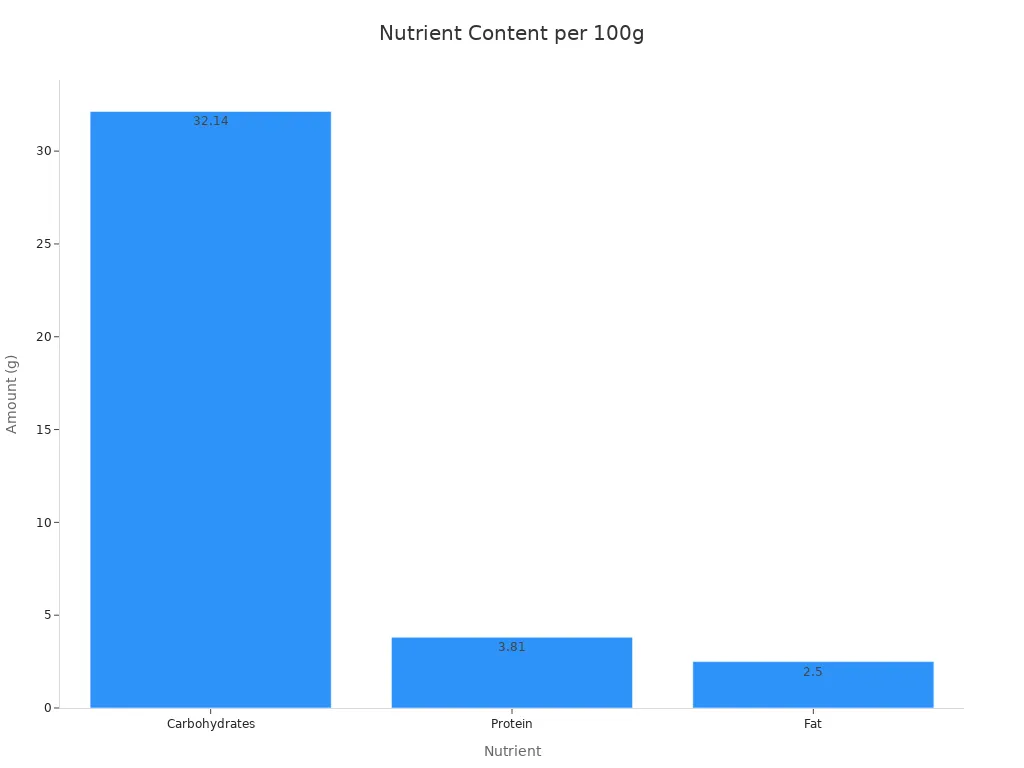
Jasmine rice gives you energy. It is rich in carbohydrates. These are your body’s main fuel source. You will find that cooked white jasmine rice has a good amount of carbohydrates.
Nutrient | Amount per 100g |
|---|---|
Carbohydrates | 32.14g |
Protein | 3.81g |
Fat | 2.5g |
You can see the breakdown of carbohydrates, protein, and fat in this chart:
White jasmine rice also contains some protein. You get about 4 grams of protein per cup. It has very little saturated fat, less than 1 gram per cup.
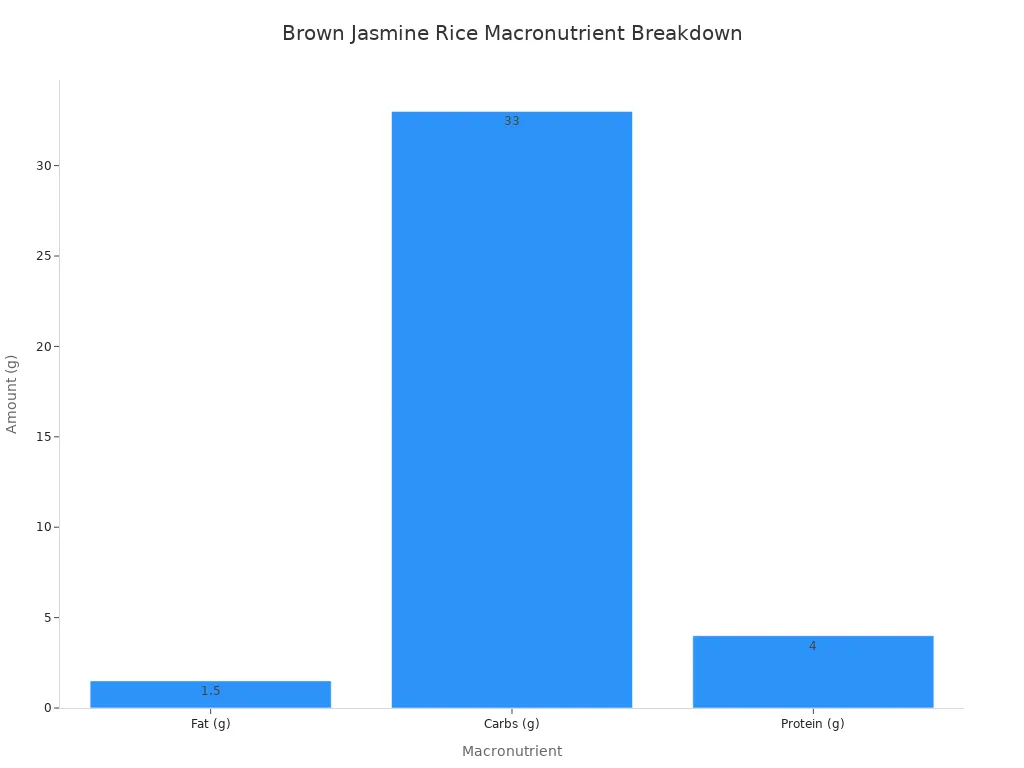
Brown jasmine rice offers slightly different nutritional values. It has a bit more protein and less fat.
Nutrient | Value |
|---|---|
Calories | 160 |
Fat | 1.5 g |
Carbs | 33 g |
Protein | 4 g |
Here is another look at the macronutrient breakdown for brown jasmine rice:
These nutritional aspects show you how jasmine rice fits into your diet.
Essential Vitamins and Minerals
White jasmine rice does not naturally contain many vitamins and minerals. However, many companies enrich it. They add important nutrients back in. You should look for “enriched” or “fortified” labels on the package. These products often contain iron, Vitamin A, zinc, and B-complex vitamins like folic acid.
For example, a 45g serving of unfortified white jasmine rice shows:
Nutrient | Amount (per 45g serving) |
|---|---|
Vitamin C | 0.0 mg |
Iron | 0.00 mg |
Calcium | 0.00 mg |
Brown jasmine rice is different. It keeps its bran and germ layers. This means it has more natural vitamins and minerals. You get more essential vitamins and minerals from brown jasmine rice.
Consider the differences per 1 cup serving:
Nutrient | Brown Rice (per 1 cup) | White Rice (per 1 cup) |
|---|---|---|
Iron | 1.13 mg | 1.9 mg |
Thiamin (vitamin B1) | 0.36 mg | 0.26 mg |
Niacin (vitamin B3) | 5.17 mg | 2.33 mg |
Vitamin B6 | 0.25 mg | 0.15 mg |
Magnesium | 79 mg | 19 mg |
Phosphorus | 208 mg | 68 mg |
This chart helps you compare the nutrient content:
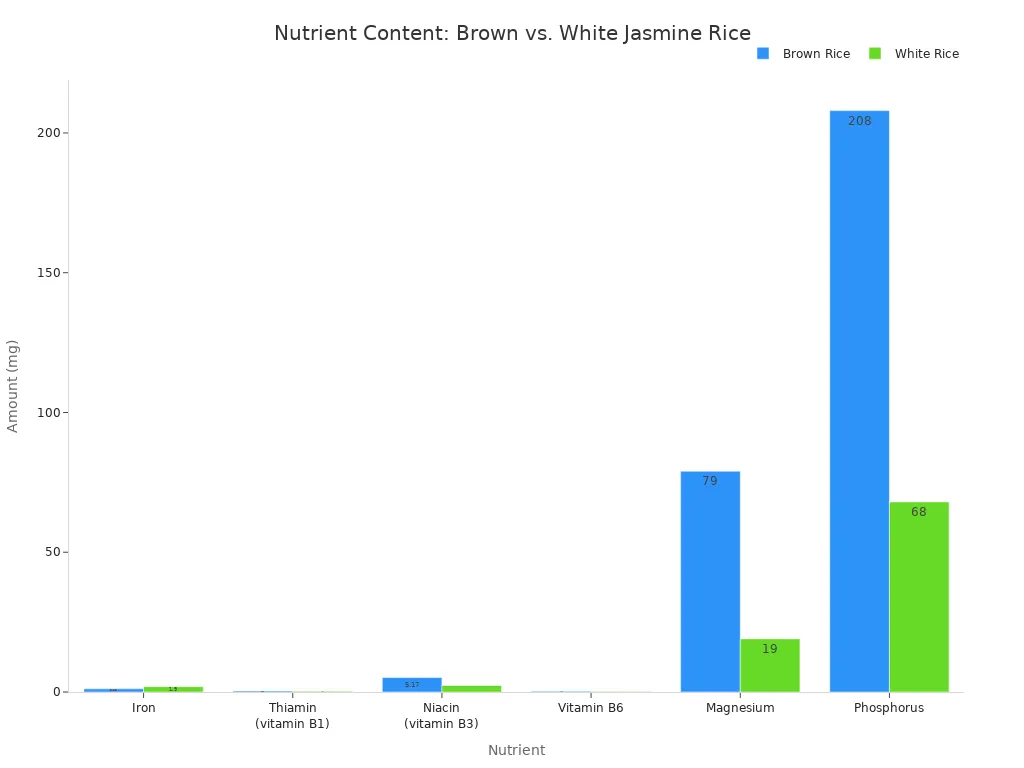
Brown jasmine rice gives you more magnesium, phosphorus, and B vitamins (like B1 and B6). It also provides selenium, manganese, and calcium. These are important for your body’s functions.
Fiber Content Insights
Fiber is important for your digestion. White jasmine rice has very little fiber. A cup of cooked white jasmine rice contains about 0.5 to 0.6 grams of dietary fiber.
Nutrient | Amount |
|---|---|
Dietary Fiber | 0.5 g |
White jasmine rice is a refined grain. This means its fibrous parts are removed during processing. This makes it easier to store but lowers its fiber content.
Brown jasmine rice is a whole grain. It keeps its bran and germ. This makes it a better source of fiber. You get more fiber from brown jasmine rice. For example, 1/3 cup of uncooked brown jasmine rice has 2 grams of fiber. A cup of cooked white jasmine rice has about 1 gram. This difference in fiber content is a key part of its nutritional information.
Jasmine Rice Health Benefits
You want to know how jasmine rice helps your body. This aromatic grain offers several health benefits. It supports your overall health in many ways.
Sustained Energy Source
Jasmine rice gives you lasting energy. It is a good source of carbohydrates. These carbohydrates break down into glucose. Glucose fuels your brain and muscles. The complex carbohydrates in jasmine rice release energy slowly. This helps keep your blood sugar levels steady. It also prevents sudden energy crashes. This slow release makes jasmine rice a good choice for energy throughout your day.
Jasmine rice has a low glycemic index. This helps you manage blood sugar levels. It also maintains consistent energy.
As a complex carbohydrate, it provides a steady release of glucose into your bloodstream. This prevents sudden spikes in blood sugar. This slow digestion process makes you feel full longer. It gives you sustained energy. This helps you avoid energy crashes and improves your focus. Brown jasmine rice contains fiber. This fiber slows down the digestion of carbohydrates. This helps with the sustained release of energy. It moderates blood sugar release. This contributes to your overall health.
Digestive System Support
Jasmine rice can help your digestive system. Brown jasmine rice has more fiber than white jasmine rice. Fiber stays intact in less processed brown rice. This higher fiber content aids in smooth digestion. It supports your digestive system effectively. It can even help reduce gas burns for people with gastric issues. Dietary fiber helps normalize your bowel movements. It contributes to maintaining good digestive health. Eating brown jasmine rice is a simple way to boost your digestive health.
Brain Function and Energy Levels
The sustained energy from jasmine rice also supports your brain. A steady supply of glucose helps your brain function well. This means better focus and concentration. Brown jasmine rice also contains B vitamins. These vitamins are important for energy metabolism. They help your body turn food into energy. They also support nerve function. This contributes to your overall health and well-being.
Jasmine rice is also a gluten-free option. This is great news if you have celiac disease or gluten sensitivity. You can enjoy this rice without worry. It is also low in fat and sodium. This makes it a heart-healthy addition to your diet. It helps you maintain good heart health. Some types of jasmine rice also contain antioxidants. These compounds protect your cells from damage. This adds to the many health benefits of this fragrant grain.
Jasmine Rice: Risks and Considerations
Jasmine rice offers many benefits. You should also understand its potential risks. Knowing these facts helps you make informed food choices.
Glycemic Index Understanding
The glycemic index (GI) measures how quickly a food raises your blood sugar. White jasmine rice can have a high glycemic index. Its GI often ranges from 79 to 109 when cooked. This means it can cause a quick rise in your blood sugar. Other sources classify the GI of jasmine rice as 60, making it a medium GI food. Some even show it as low as 45-50. This variability means you should be aware. A high glycemic index can be a concern for blood sugar management and weight management.
You can compare jasmine rice to other varieties:
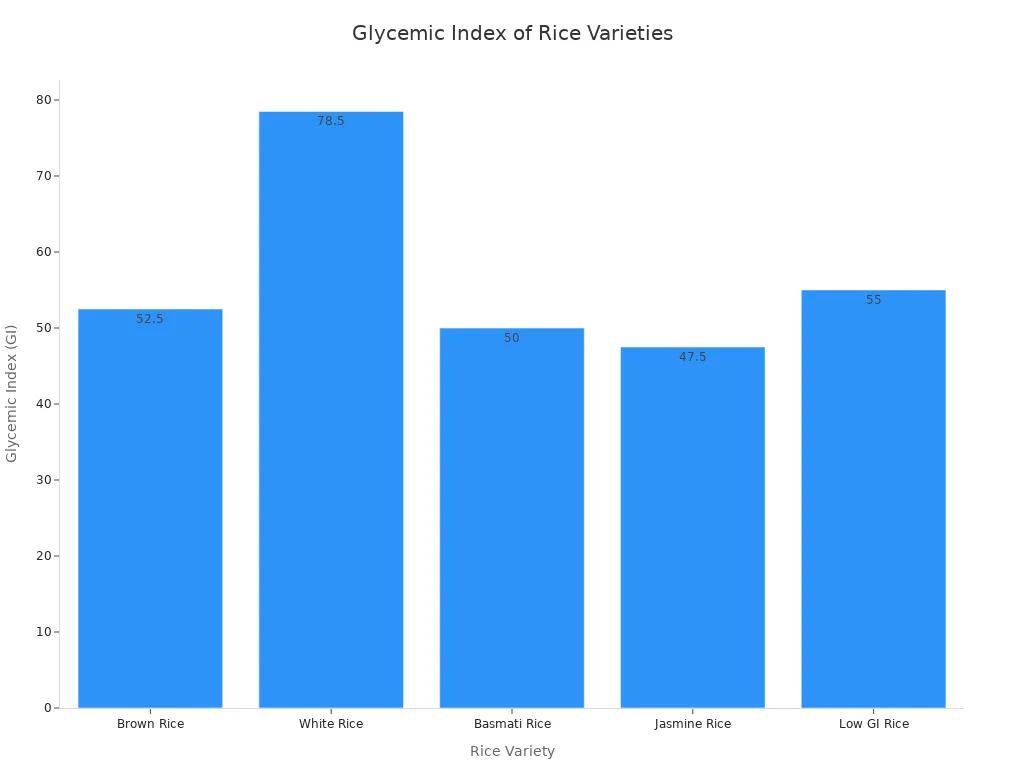
This chart shows how different rice types compare. You can see that some jasmine rice has a lower GI than typical white rice.
Arsenic Content Awareness
Rice plants absorb arsenic from the soil. Arsenic is a toxic heavy metal. You should know about arsenic content in rice. The amount of arsenic varies by region. For example, Thai and jasmine rice from Thailand can have arsenic concentrations between 0.11 and 0.51 micrograms per gram. This is a potential risk you should consider.
You can reduce arsenic levels in your rice. Thoroughly wash your rice with hot water before cooking. Soak it for at least an hour, or even overnight. Then, rinse it again. This process helps remove some of the arsenic.
Importance of Portion Control
Even healthy foods require portion control. Jasmine rice is no exception. Eating too much of any food can lead to excess calorie intake. This impacts your overall health. You should always balance your meals. Pair jasmine rice with plenty of vegetables and lean protein. This creates a balanced meal. You manage your calorie intake this way.
Jasmine Rice vs. Other Grains
You often wonder how jasmine rice compares to other grains. Let’s explore the differences. You can make better choices for your diet.
White vs. Brown Jasmine Rice
You will find clear differences between white and brown jasmine rice. White jasmine rice undergoes processing. This removes both the bran and the germ. This process strips away much of its fiber and other nutrients. As a result, white jasmine rice has more calories and carbohydrates, gram for gram.
Wholegrain brown jasmine rice offers more nutritional benefits. The US Department of Agriculture states that 30g of uncooked brown jasmine rice contains:
Calories: 180
Protein: 4g
Fat: 1.5g
Carbs: 38g
Fibre: 2g
It also provides iron, vitamins B1 and B3. You get some calcium and potassium too. Its folic acid content supports healthy pregnancy. The high fiber content helps your digestive system. These benefits are specific to wholegrain brown jasmine rice.
Here is a quick comparison:
Nutrient | White Jasmine Rice (per 100g) | Brown Jasmine Rice (per 1/4 cup) |
|---|---|---|
Calories | 129 | 170 |
Fat | 0.46 g | 1 g |
Carbohydrates | 27.86 g | 34 g |
Fiber | 0.7 g | 2 g |
Sugar | 0 g | 0 g |
Protein | 2.86 g | 3 g |
You can see that brown jasmine rice is more nutritionally dense. It offers more fiber and protein. It also has a lower glycemic index (GI) score. Many consider brown jasmine rice a healthier option. Its higher fiber and protein content helps you feel full. It also aids in blood glucose control.
Comparison with Basmati Rice
You might also compare jasmine rice with basmati rice. Both white jasmine rice and white basmati rice are low in fat. They both offer a good source of protein.
Look at their fiber and protein content per cup:
Nutrient | White Jasmine Rice (per cup) | White Basmati Rice (per cup) |
|---|---|---|
Dietary Fiber | 0.6g | 0.7g |
Protein | 4.3g | 4g |
You see they are quite similar in these aspects.
Jasmine Rice Against Quinoa
Quinoa stands out when you compare it to jasmine rice. Quinoa is a complete protein. It contains all nine essential amino acids. You get 8 grams of protein per cooked cup. It is also high in fiber. You receive 5 grams per cooked cup. This is more than both white or cooked brown jasmine rice.
Quinoa is rich in minerals. It provides iron, magnesium, phosphorus, manganese, and zinc. You also get calcium, potassium, and selenium. Quinoa has twice the protein of white rice. It is a complete protein. Brown and white rice are not. Quinoa has about 5 grams more fiber than white rice. It has almost 2 grams more than brown rice. Quinoa also has a low glycemic index (GI of 53). This helps regulate your blood sugar levels. It is a better choice for blood sugar control compared to white rice.
Better Meals: Nutritional Jasmine Rice Recipes
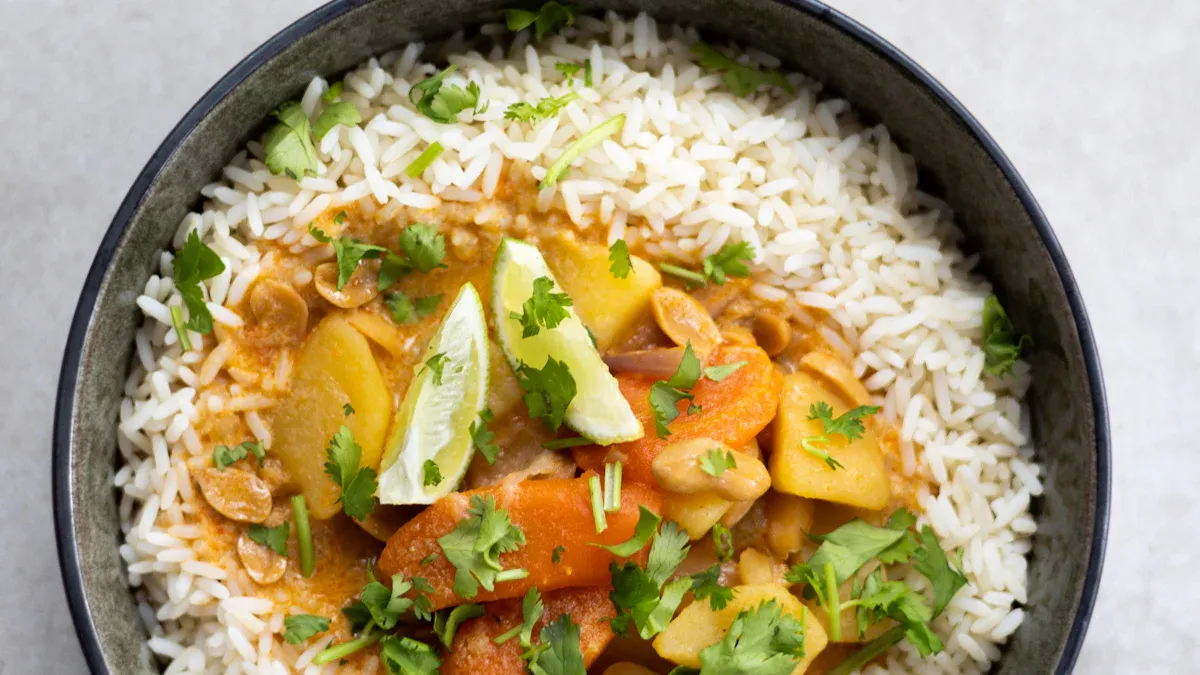
You can easily incorporate jasmine rice into healthy meals. This section gives you practical advice. It covers preparation methods, portioning, and healthy pairings. You will also find ideas for balanced and flavorful nutritional jasmine rice recipes.
Healthy Preparation Methods
You can make your jasmine rice even healthier. Always rinse your rice thoroughly before cooking. This removes excess starch. For the perfect jasmine rice, use a rice cooker or the absorption method on the stovetop. This ensures a fluffy texture. You can also soak brown jasmine rice before cooking. This reduces cooking time. It also helps with nutrient absorption.
Optimal Serving Sizes
Portion control is key for any healthy diet. A 140g serving of jasmine rice contains 181 calories. It has 0.6g of fat, 4g of protein, and 39g of carbohydrates. This includes 1g of dietary fiber. This is based on a 2000-calorie daily diet. The American Heart Association recommends adults consume six servings of grains per day. Half of these should be whole grains. This helps you determine your overall grain intake.
Here are some suggested portion sizes for cooked jasmine rice:
Dietary Need/Age Group | Rice Type | Portion Size (cooked) |
|---|---|---|
Adults | Basmati, Jasmine, Quinoa | 1/4 cup |
Adults | White or Brown Rice | 1/2 cup |
Toddlers | Any | 1/4 cup |
Children (4-6 years) | Any | 1/3 cup |
Children (7-10 years) | Any | 1/2 cup |
Pairing for Balanced Meals
You can create balanced meals with jasmine rice. Pair it with other healthy foods.
Vegetables: Toss spring vegetables like asparagus, peas, and carrots with your fragrant rice. Season them with herbs like dill and mint. This creates an aromatic pilaf.
Proteins: Serve pan-grilled or oven-roasted salmon with jasmine rice. Add a lemon-dill sauce for a satisfying meal.
Vegetables, Herbs, and Healthy Fats: Make a Thai-inspired rice salad. Combine jasmine rice with chopped cucumber, red bell pepper, fresh mint, cilantro, and roasted peanuts. Dress it with lime juice, fish sauce, and a touch of sugar and red pepper flakes. This gives you a balanced and flavorful option.
Creative Recipe Ideas
Many delicious recipes feature jasmine rice. You can enjoy a Teriyaki Beef, Broccoli and Rice Stir Fry. This recipe is easy to adapt for family meals. Try Jasmine Rice with Ginger Soy Chicken for a savory Asian-inspired dish. A Pumpkin and Spinach Layered Rice Casserole offers a comforting meal. For a light lunch, consider an Asian Shrimp Salad with Jasmine Rice.
It features juicy shrimp and crunchy snow peas. It has a unique sesame and ginger dressing. You can also make a Smoked Salmon Poke Bowl with Jasmine Rice for dinner. It uses smoked salmon tossed in rice wine vinegar, soy, and teriyaki sauces. A Mexican Street Corn and Rice Salad is a vegetarian side dish. It has lime, avocado, and jalapeño.
Here are some nutritional details for various recipes:
Recipe Name | Calories | Protein | Carbohydrate |
|---|---|---|---|
Tilapia with Jasmine Rice | 412 | 36g | 42g |
Pumpkin-Curry Chicken over Cashew Rice | 609 | 36g | 85g |
Butternut Coconut Curry | 200 | 3g | 34g |
Coconut Curry Shrimp | 256 | 13g | 10g |
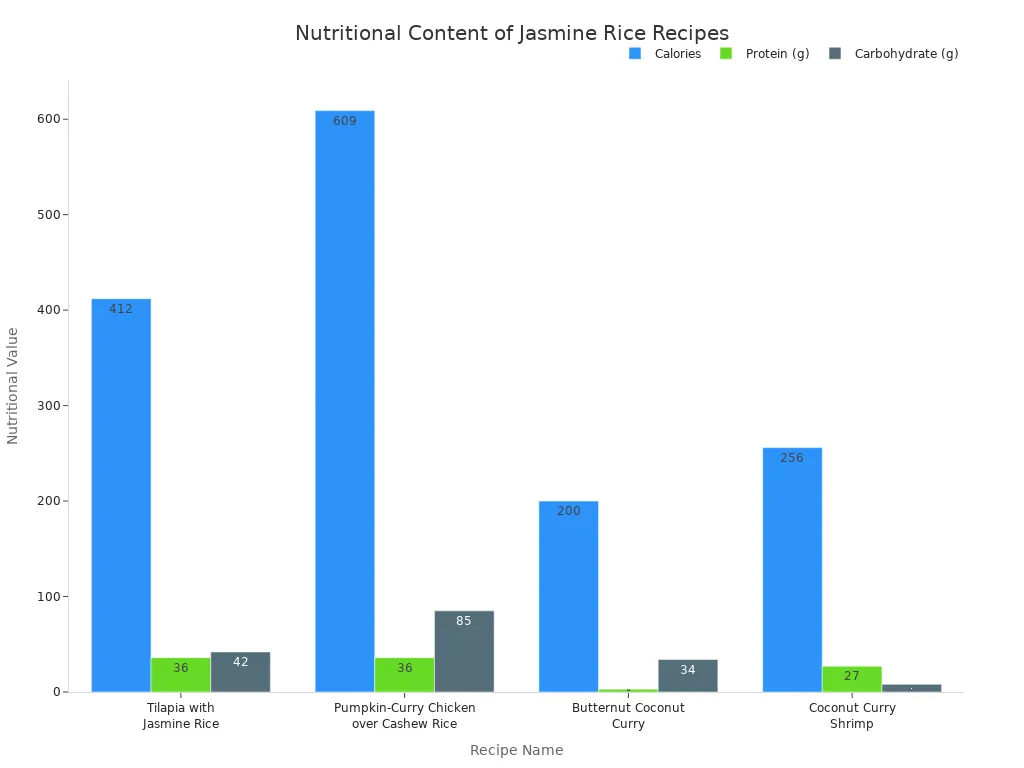
You can also explore Butternut Coconut Curry. This easy slow cooker recipe is flavorful. It has a sweet curry aroma. These nutritional jasmine rice recipes help you enjoy this grain.
You now have a full understanding of jasmine rice nutrition. It offers energy and supports your overall health. This fragrant rice is a versatile and enjoyable part of a balanced diet. Remember to practice portion control. Pair it with nutrient-dense foods for optimal nutrition. Enjoy its aromatic delight mindfully. It contributes positively to your health and well-being.
FAQ
Is jasmine rice good for weight loss?
Jasmine rice provides energy. Brown jasmine rice contains fiber. Fiber helps you feel full. This can support your weight management goals. Remember to control your portion sizes.
Can diabetics eat jasmine rice?
White jasmine rice can raise blood sugar quickly. Brown jasmine rice has a lower glycemic index. It releases sugar slowly. You should eat it in moderation. Always consult your doctor for personal advice.
What is the difference between white and brown jasmine rice?
White jasmine rice is refined. It lacks its bran and germ layers. Brown jasmine rice is a whole grain. It keeps its bran and germ. Brown rice offers more fiber and nutrients. 🌾
How can I reduce arsenic in jasmine rice?
You can reduce arsenic levels. Wash your rice thoroughly before cooking. Soak it for at least an hour. Rinse it again. This process helps remove some arsenic.