

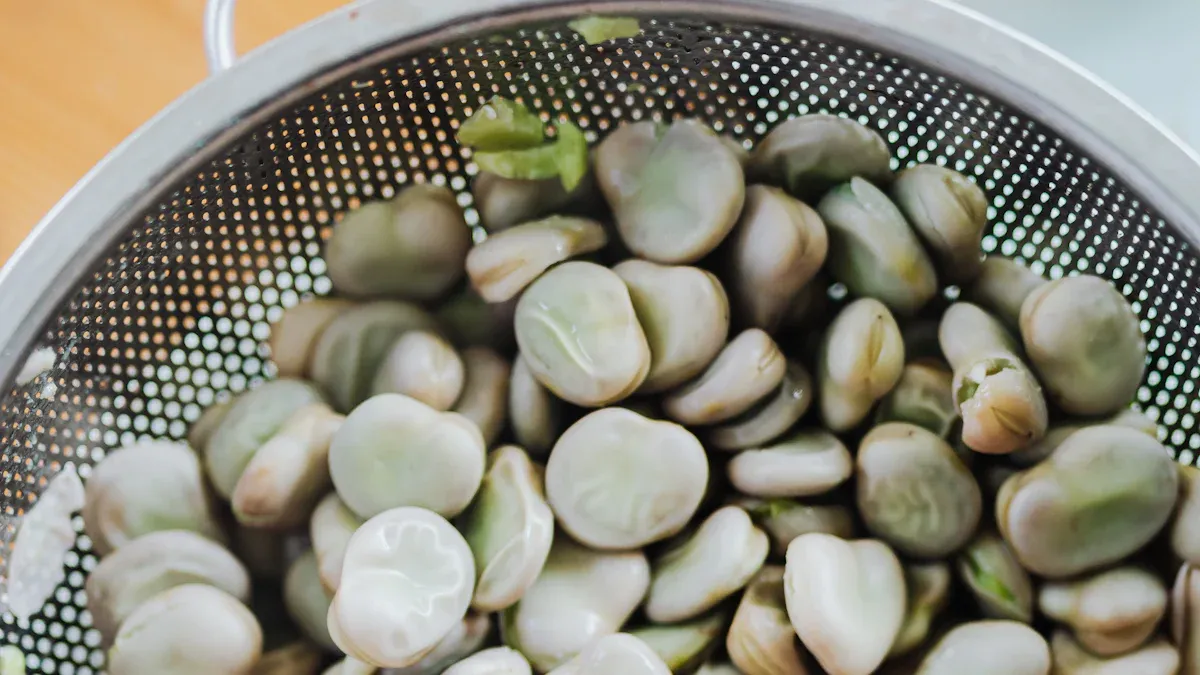
Are lima beans good for you? Many people ask this question. Lima beans offer excellent nutrition. They serve as a versatile plant-based protein source. For instance, a 100-gram serving of lima beans provides about 7.8g of protein. These legumes pack many health benefits. The health benefits of lima beans are extensive. Their benefits make them a valuable addition to any healthy diet. Understanding lima beans nutrition reveals their true potential for health.
Key Takeaways
Lima beans are good for you. They have protein, fiber, and many important vitamins and minerals.
Eating lima beans helps your heart, digestion, and blood sugar. They can also help you manage your weight.
Always cook lima beans well before eating them. Raw lima beans have a harmful substance that cooking removes.
Lima beans are also called butter beans. They are a healthy food you can add to many meals.
What Are Lima Beans?
Defining Lima Beans
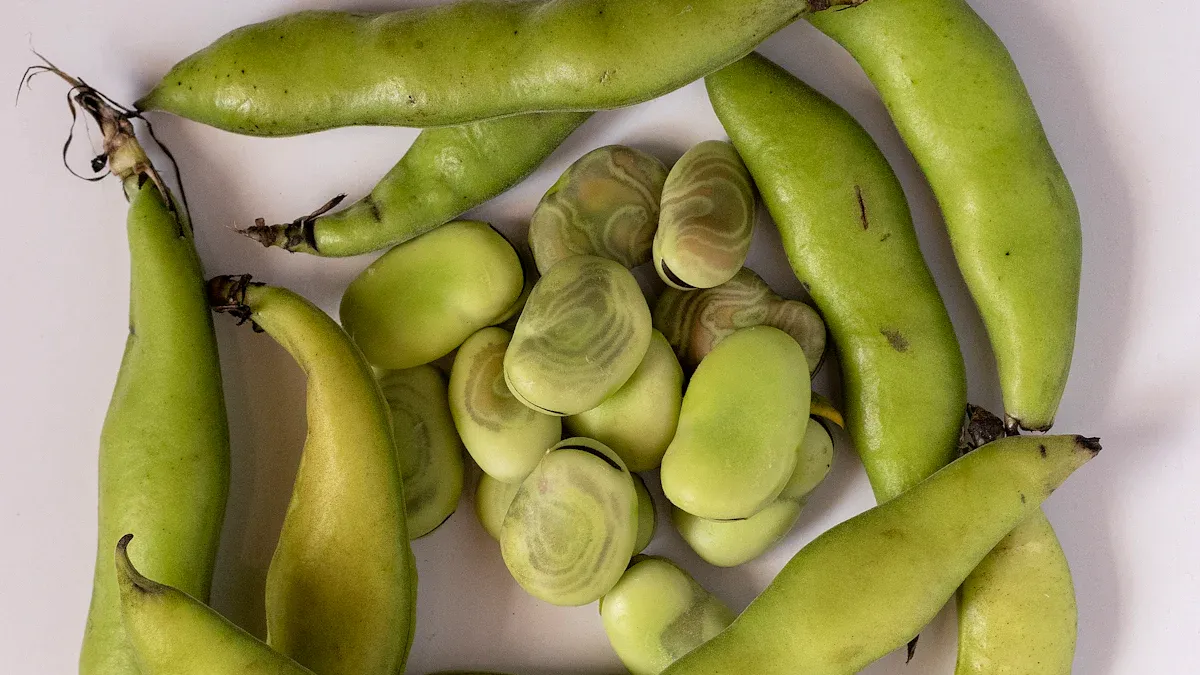
Lima beans are a type of legume. They belong to the Phaseolus lunatus species. People also call them butter beans. These beans have a distinctive kidney shape. They are typically flat and oval. Lima beans come in various sizes and colors. Some are small and green. Others are larger and white or cream-colored. They grow inside pods on a vine or bush. Farmers harvest them when they reach maturity. Lima beans offer a creamy texture when cooked. Their mild flavor makes them versatile in many dishes. They are a staple food in many cultures.
Different Names and Forms
Lima beans have several common names. In the Southern United States, people often call them butter beans. This name refers to their rich, buttery texture when cooked. You can find lima beans in different forms. Fresh lima beans are available during their growing season. Many grocery stores also sell frozen lima beans. These are convenient and retain much of their nutritional value. Dried lima beans require soaking before cooking. Canned lima beans are another option. They are pre-cooked and ready to use. Each form of lima beans provides the same great nutrition. Incorporating lima beans into your diet is easy with these various options.
Lima Beans Nutrition Facts
Lima beans offer impressive nutrition. They provide many essential nutrients. Understanding lima beans nutrition helps people make informed dietary choices. This section explores the detailed lima bean nutrition facts.
Macronutrient Profile
Lima beans are a great source of healthy macronutrients. They contain complex carbohydrates, protein, and very little fat. These components provide energy and support body functions.
Here is a look at the primary macronutrients in 100 grams of lima beans:
Macronutrient | Amount (per 100g) |
|---|---|
Fat | 8.31g |
Carbohydrates | 19.11g |
Protein | 7.14g |
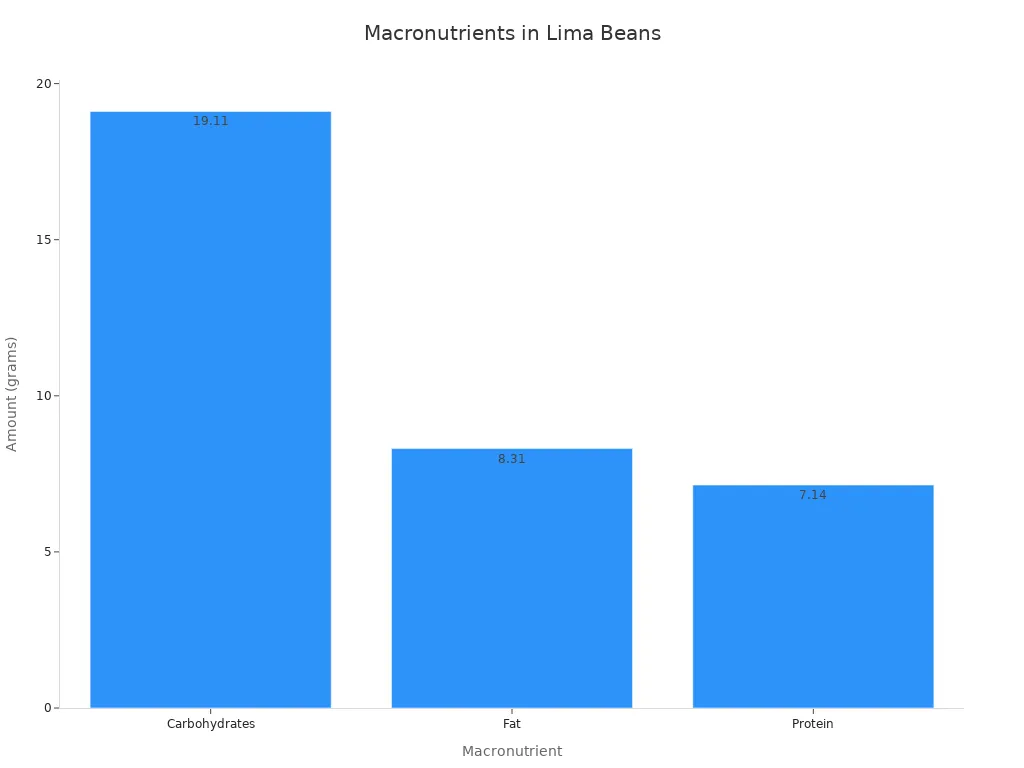
Lima beans are notably low in fat. A 1/2 cup serving of cooked lima beans contains only about 0.2 grams of total fat. This makes them a heart-healthy food choice. The carbohydrates in lima beans are complex. They provide sustained energy. The protein content supports muscle health and satiety. This makes lima beans a valuable part of a balanced diet.
Key Vitamins and Minerals
Lima beans are packed with essential vitamins and minerals. These nutrients are vital for many bodily processes. They contribute to overall health.
A 100-gram serving of lima beans provides a significant amount of various micronutrients:
Vitamin/Mineral | Nutrient Value (per 100g) | Percent of RDA |
|---|---|---|
Vitamins | ||
Folates | 395 µg | 99% |
Niacin | 1.537 mg | 9% |
Pantothenic acid | 1.355 mg | 27.1% |
Pyridoxine | 0.512 mg | 39% |
Riboflavin | 0.202 mg | 16% |
Thiamin | 0.507 mg | 42% |
Vitamin E | 0.72 mg | 5% |
Vitamin K | 6 µg | 5% |
Minerals | ||
Calcium | 81 mg | 8% |
Copper | 0.740 µg | 82% |
Iron | 7.51 mg | 94% |
Magnesium | 224 mg | 56% |
Manganese | 1.672 mg | 73% |
Phosphorus | 385 mg | 55% |
Selenium | 7.2 µg | 13% |
Zinc | 2.83 mg | 26% |
Sodium | 18 mg | 1% |
Potassium | 1724 mg | 38% |
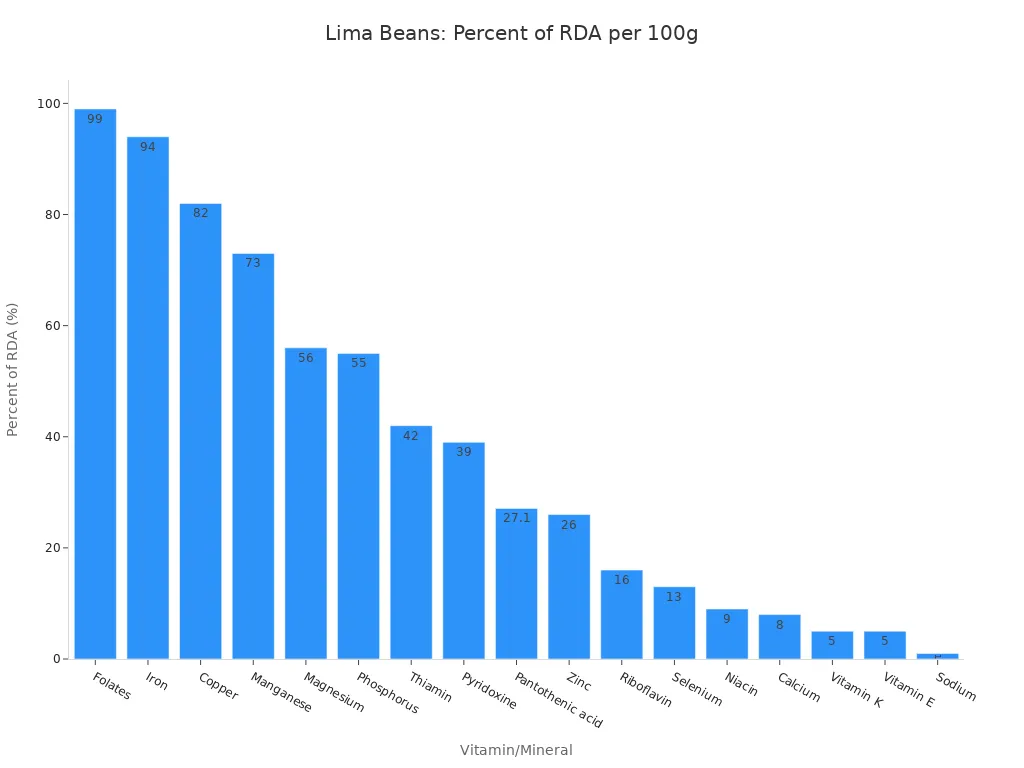
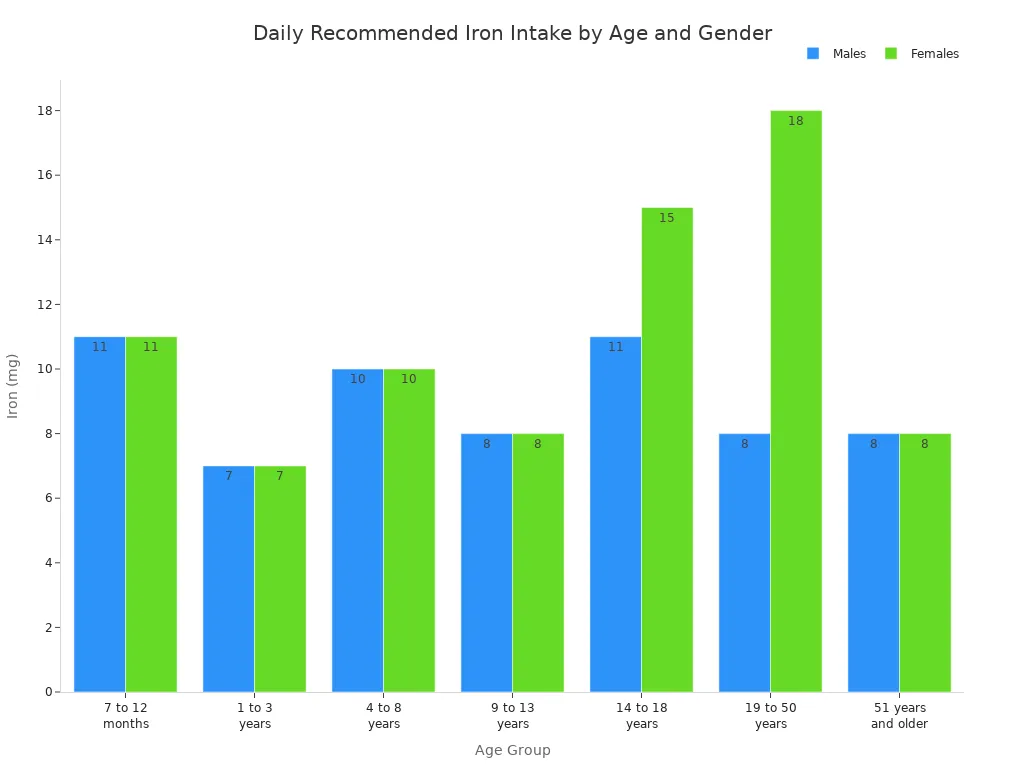
Lima beans are an excellent source of folate. Folate is crucial for cell growth and function. They also provide a significant amount of iron. Iron helps transport oxygen in the blood. This boosts energy levels. A cup of boiled lima beans offers about 4.2 mg of iron. This contributes significantly to daily iron needs. For example, adult males typically need 8 mg of iron daily. Adult females aged 19-50 need about 18 mg.
Age Group | Males (mg) | Females (mg) |
|---|---|---|
7 to 12 months | 11 | 11 |
1 to 3 years | 7 | 7 |
4 to 8 years | 10 | 10 |
9 to 13 years | 8 | 8 |
14 to 18 years | 11 | 15 |
19 to 50 years | 8 | 18 |
51 years and older | 8 | 8 |
Other important minerals include magnesium, potassium, and manganese. Magnesium supports muscle and nerve function. Potassium helps maintain fluid balance. Manganese plays a role in bone health. The lima beans nutrition information shows they are a nutrient-dense food.
Fiber and Antioxidants
Lima beans are well-known for their high fiber content. Fiber is essential for digestive health. A 160-gram serving of lima beans provides 9 grams of dietary fiber. This makes them one of the high fiber foods.
This high fiber content offers many benefits. It helps regulate digestion. It also promotes feelings of fullness. Lima beans contain both soluble fiber and insoluble fiber. Soluble fiber helps lower cholesterol and stabilize blood sugar. Insoluble fiber adds bulk to stool. This aids in regular bowel movements. The high in fiber nature of lima beans makes them excellent for gut health.
Beyond fiber, lima beans also contain antioxidants and phytonutrients. These compounds protect the body’s cells from damage. They fight against harmful free radicals. This contributes to overall health and well-being. The comprehensive lima bean nutrition facts highlight their value. They offer a rich array of nutrients per serving. This makes them a powerful addition to any diet.
Health Benefits of Lima Beans
Lima beans offer many impressive health benefits. They are a nutrient-dense food. Incorporating them into your diet can significantly improve overall health. These benefits come from their rich profile of fiber, protein, vitamins, and minerals.
Heart Health Benefits
Lima beans are excellent for your heart. Their high fiber content plays a crucial role. Soluble fiber, a key component of legumes like lima beans, helps reduce cholesterol. It binds to bile acids in the intestines. This prevents the body from re-absorbing them. This process increases the production of bile acids. It also decreases the liver’s cholesterol and increases the uptake of serum cholesterol by the liver. This action ultimately lowers circulating cholesterol in the blood.
The soluble fiber in lima beans improves heart health by helping lower levels of LDL cholesterol. LDL is the unhealthy type of cholesterol that can clog arteries. Additionally, lima beans contain antioxidants called polyphenols. These compounds improve heart and blood vessel function. They also boost healthy HDL cholesterol and lower LDL (bad) cholesterol. These actions contribute to better heart health.
Digestive Health
Lima beans are a powerhouse for digestive health. Their abundant fiber content is the main reason. Fiber helps regulate digestion and promotes regular bowel movements. This high fiber content offers many benefits for your gut. Insoluble dietary fibers, like those in lima beans, increase stool bulk. They do this by absorbing water.
This reduces intestinal emptying time and promotes bowel movement. Insoluble dietary fibers also mechanically stimulate the colonic mucosa. This leads to increased secretion and colonic peristalsis. Fiber, an indigestible carbohydrate found in lima beans, is fermented by bacteria in the large intestine. This fermentation process produces short-chain fatty acids (SCFAs). SCFAs stimulate intestinal motility and transit. They also contribute to gut health by regulating inflammation, strengthening the intestinal lining, and fueling colon cells. Eating lima beans can improve digestion and supports gut health. They are truly high fiber foods that boost gut health.
Blood Sugar Control
Lima beans are a smart choice for managing blood sugar. They have a low glycemic index (GI) score. This means they have a subtle impact on blood sugar levels. Their low glycemic load (GL) of approximately 7 makes them suitable for managing diabetes or maintaining a balanced diet. This is largely due to their high fiber content. Fiber aids in slowing carbohydrate absorption. It helps maintain stable glucose levels. This prevents rapid spikes in blood sugar.
Name | Value |
|---|---|
Glycemic index | Low |
Glycemic load | Low |
Weight Management Support
Lima beans can be a valuable tool for weight loss. They uniquely combine both protein and fiber. This is a powerful combination for hunger control. Protein triggers the release of satiety hormones like cholecystokinin (CCK), peptide YY (PYY), and glucagon-like peptide-1 (GLP-1). These hormones signal fullness. Fiber slows digestion. It keeps food in the stomach longer. It also nourishes beneficial gut bacteria. Together, protein and fiber create lasting fullness. This prevents post-meal hunger. A meta-analysis of 9 randomized crossover trials showed that bean consumption increased acute satiety by 31% compared to control foods. Research from the University of Copenhagen found that protein-rich meals based on beans and peas increased satiety more than meat-based meals with similar protein content. Participants who ate bean-based meals consumed 12% fewer calories at their next meal. This was compared to those who ate veal or pork. The high fiber content in beans provides a satiation effect that even meat’s higher protein content cannot match. Lima beans contain 13.2 grams of fiber and 14.7 grams of protein per cup.
These nutrients slow digestion. They stimulate the release of satiety hormones. This helps you feel more satiated after eating. Studies indicate that individuals following diets high in beans tend to have smaller waists and less body fat. A study of 15,000 U.S. adults found that regular legume consumers, including lima beans, had lower BMIs and leaner waists. The same study revealed that individuals who rarely ate legumes gained 23.5% more weight over 10 years. This was compared to those who consumed 47 grams or more of legumes per 1,000 calories on average. These benefits make lima beans excellent for weight loss.
Energy Boost and Circulation
Lima beans provide essential nutrients for energy. They contain iron. Iron is vital for energy metabolism. It also helps create red blood cells. Red blood cells transport oxygen throughout the body. Adequate iron levels prevent fatigue and support overall energy. This also helps maintain healthy circulation.
Bone Health and Immunity
Lima beans contribute to strong bones and a healthy immune system. They are a good source of magnesium. Magnesium is crucial for over 300 biochemical reactions in the body. This includes the digestion and absorption of calcium.
Calcium directly supports bone health. Women require 320 mg daily, and men need 420 mg. White canned beans, including lima beans, are rich in magnesium and calcium. One cup of white beans provides approximately 190 mg of calcium. This makes them a beneficial addition to meals for bone health. Lima beans are also a good source of protein. Protein is essential for bone strength and overall bodily processes. This includes tissue development. These benefits make lima beans a valuable food for maintaining bone density and supporting immunity.
Potential Downsides and Safety
Lima beans offer many health benefits. However, people must understand their potential downsides. Proper preparation is crucial for safe consumption.
Raw Lima Bean Toxicity
Raw lima beans contain toxins. People must always cook them before consumption. Raw lima beans contain linamarin. This is a cyanogenic glycoside. Linamarin converts into cyanide when people consume it. Even small amounts of cyanide can cause unpleasant side effects. These include headache, dizziness, nausea, and vomiting. Rapid breathing and an increased heart rate can also occur. To neutralize these toxins, people must cook the beans thoroughly. The FDA advises cooking dried beans for a minimum of 45 minutes. This neutralizes naturally occurring lectins. Boiling for ten minutes without a cover, then reducing to a simmer, also helps. Avoid cooking beans at temperatures exceeding 167 degrees Fahrenheit (75°C) if possible.
Antinutrients and Mitigation
Lima beans contain antinutrients. These compounds can interfere with nutrient absorption. Examples include phytic acid, tannins, trypsin inhibitors, oxalate, and haematoglutinins. Raw lima beans have high lectin levels.
Linamarin, a cyanogenic compound, is also present. People can reduce these antinutrients through proper preparation. Soaking legumes in water overnight helps. Many antinutrients are water-soluble. They dissolve during soaking. Boiling is also highly effective. It degrades lectins, tannins, and protease inhibitors. Combining methods, such as soaking and boiling, offers the best results. This significantly reduces antinutrient levels.
Digestive Comfort
Some people experience digestive issues after eating lima beans. Gas and bloating are common. This happens due to their high fiber content. The body ferments fiber in the gut. This process produces gas. People can minimize these issues. Start with small portions. Gradually increase intake. Proper soaking and thorough cooking also help. This makes the beans easier to digest.
Allergic Reactions
Lima beans are not common food allergens. However, allergic reactions have occurred. Some individuals experience cross-reactivity. For example, people allergic to mesquite pollen might react to lima beans. This can cause Oral Allergy Syndrome.
Symptoms include temporary itching or tingling in the mouth. People with existing allergies to other legumes, like soybeans, may have a higher risk. Symptoms can include digestive issues, skin reactions, or respiratory problems. Hives, digestive upset, and oral tingling are possible. Severe cases can lead to anaphylaxis. How to prepare lima beans correctly can reduce some risks, but allergies are immune responses.
Buying, Preparing, and Using Lima Beans
Selection and Storage
People can find lima beans in several forms. Fresh lima beans appear in pods. Choose pods that look firm and green. Avoid any with blemishes or yellowing. Store fresh lima beans in the refrigerator for up to a week. Frozen lima beans offer convenience. Look for bags without ice crystals, which indicate proper storage. Dried lima beans are available year-round. Store them in a cool, dry place in an airtight container. Canned lima beans are pre-cooked. Check the expiration date and look for cans without dents.
Preparation and Cooking
Proper preparation ensures safety and flavor. For dried lima beans, soak them overnight in water. This reduces cooking time and helps with digestion.
Drain and rinse the soaked beans before cooking. To learn how to prepare lima beans, boil them in fresh water until tender. This usually takes 45-60 minutes. Frozen lima beans do not require soaking. Cook them directly from frozen according to package instructions. Canned lima beans only need rinsing before use.
Culinary Uses and Recipes
Lima beans offer great versatility in the kitchen. People often add them to soups and stews. They provide a creamy texture and boost protein content. You can also make a delicious succotash with corn and other vegetables. Lima beans work well in salads. They add substance and nutrients. For a simple side dish, sauté cooked lima beans with garlic and herbs. This highlights their mild, buttery flavor.
Adding Lima Beans to Your Diet
Incorporating lima beans into your diet is easy. Add them to chili or casseroles. Blend them into dips or spreads for a healthy snack. You can also mash them as a side dish, similar to mashed potatoes. Experiment with different seasonings to find your favorite way to enjoy these nutritious legumes. Knowing how to use lima beans helps you enjoy their benefits.
Lima beans boast impressive lima beans nutrition. They provide protein, fiber, and essential vitamins and minerals. The health benefits of lima beans include improved heart health, better digestion, and stable blood sugar. These health benefits make them a valuable food. Lima beans are affordable, versatile, and nutrient-dense. Their comprehensive lima beans nutrition supports overall health. Incorporate them into your diet for improved health. Make informed choices for your well-being.
FAQ
Are lima beans good for weight loss?
Yes, lima beans support weight management. They contain high amounts of fiber and protein. These nutrients help people feel full for longer periods. This can reduce overall calorie intake. Research shows regular consumers often have lower body mass indexes.
Can people eat raw lima beans?
No, people must never eat raw lima beans. Raw lima beans contain a toxic compound called linamarin. This compound converts into cyanide inside the body. Always cook lima beans thoroughly before eating them to ensure safety.
Do lima beans cause gas or bloating?
Some individuals experience gas or bloating after eating lima beans. Their high fiber content causes this. The body ferments fiber in the gut, which produces gas. Soaking and cooking beans properly can help minimize these digestive effects.
What is the difference between lima beans and butter beans?
Lima beans and butter beans are the same legume. “Butter beans” is a common name for lima beans, especially in the Southern United States. This name refers to their creamy, buttery texture once cooked.
Are canned lima beans healthy?
Yes, canned lima beans are healthy. They offer similar nutritional benefits to dried or frozen varieties. Canned beans are convenient and pre-cooked. Rinse them well before use to reduce sodium content.