

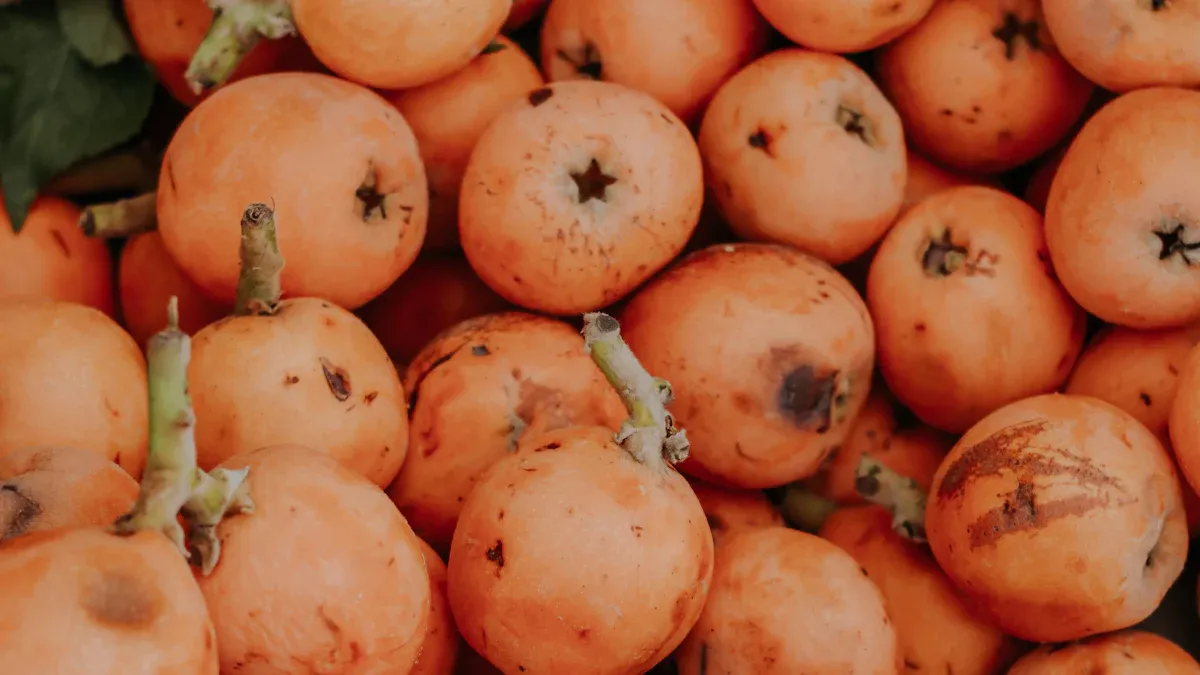
Medlar is a unique fruit that you can add to your balanced diet for its Nutrition benefits. You find sugars, fiber, minerals, and antioxidants in medlar. Many people do not know you must let the fruit soften before eating. You discover medlar’s flavor in jams, juices, and winter treats.
Common misconceptions about medlar include:
Some think you can eat medlar right after picking.
Many do not realize medlar needs to soften before eating.
The look of ripe medlar can confuse you.
Key Takeaways
Medlar is rich in vitamins and minerals, including potassium, magnesium, and vitamin C, which support overall health.
Eating medlar can boost your immune system and aid digestion due to its fiber and antioxidant content.
Always let medlar soften before eating to enjoy its sweet flavor; it can be used in various recipes like jams and jellies.
Medlar Nutrition
Vitamins and Minerals
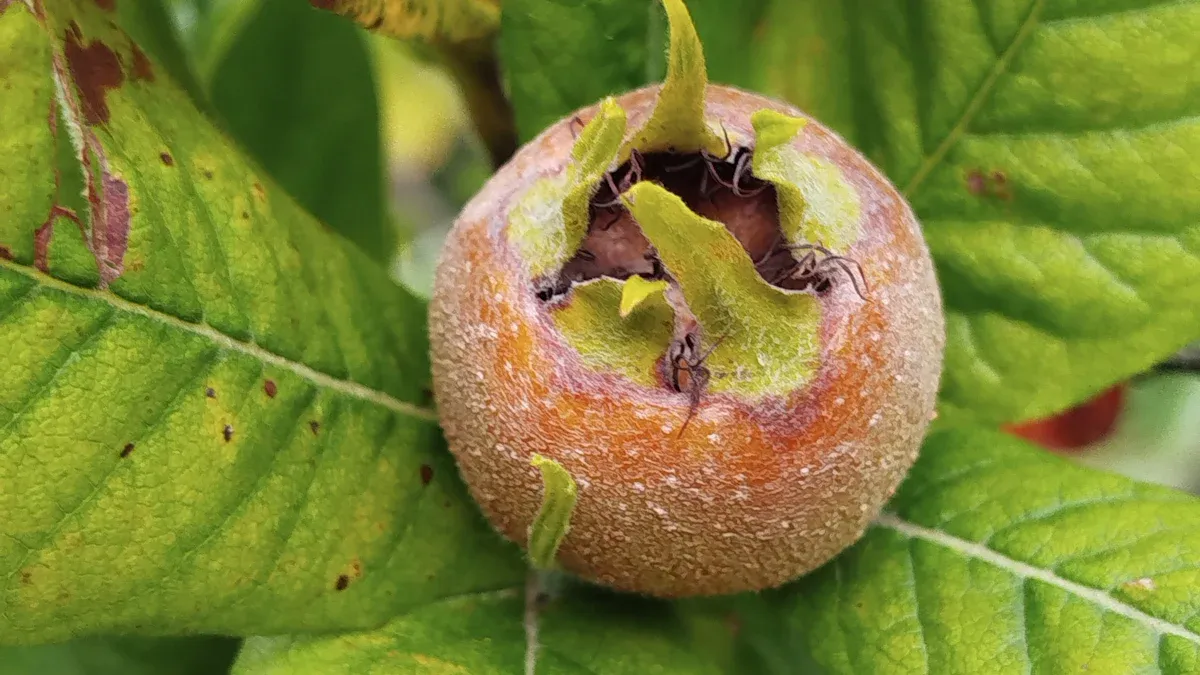
You find a rich mix of vitamins and minerals in medlar. This fruit gives you potassium, magnesium, phosphorus, sodium, vitamin B1, vitamin B4, and vitamin C. These nutrients help your body work well every day. Potassium supports your muscles and nerves. Magnesium helps your bones stay strong. Vitamin C boosts your immune system and helps your skin heal. You also get iron and calcium, which help your blood and bones.
Here is a table showing the nutrition values per 100 grams of medlar:
Nutrient | Quantity per 100g |
|---|---|
Potassium | 250 mg |
Magnesium | 10 mg |
Phosphorus | 20 mg |
Sodium | 3-4 mg |
Vitamin B1 | 0.3-0.5 mg |
Vitamin B4 | 0.3-0.4 mg |
Vitamin C | 5 mg |
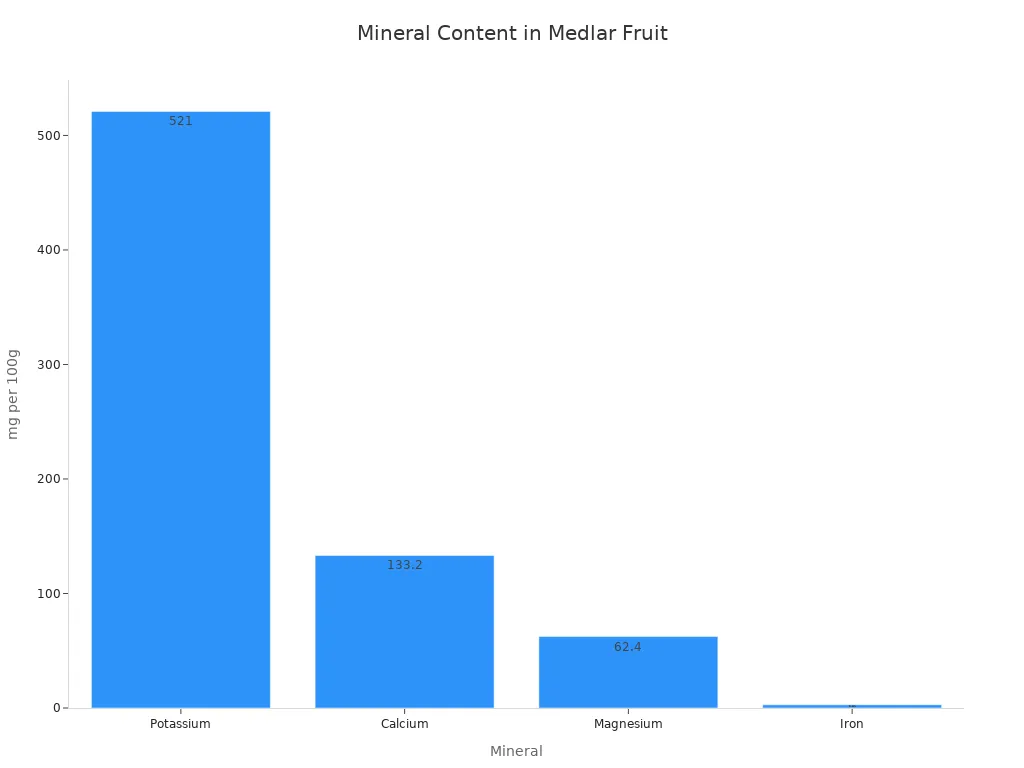
You also find higher amounts of potassium, calcium, magnesium, and iron in some medlar varieties:
Nutrient | Quantity per 100g |
|---|---|
Potassium | 521 mg |
Calcium | 133.2 mg |
Magnesium | 62.4 mg |
Iron | 2.81 mg |
Tip: Indian medlar gives you much more vitamin C and vitamin A than common medlar. Some Indian medlar types have up to 133 mg of vitamin C per 100 grams. This makes Indian medlar a strong choice for boosting your nutrition.
Fiber and Protein
Medlar adds fiber and a small amount of protein to your diet. Fiber helps your digestion and keeps your gut healthy. You feel full longer when you eat fiber-rich foods. Medlar contains 1.70 grams of dietary fiber per 100 grams. This supports regular bowel movements and helps control blood sugar. You also get a little protein, which helps build and repair your body’s tissues.
Nutrient | Amount per 100g |
|---|---|
Dietary Fiber | 1.70 g |
Calories | 47 |
Medlar is low in carbohydrates, so you can enjoy it even if you watch your carb intake. This fruit fits well in many healthy eating plans.
Antioxidants
Medlar fruit gives you important antioxidants. You get L-ascorbate (vitamin C) and many phenolic compounds. These antioxidants protect your cells from damage. Phenolic compounds include flavonoids and anthocyanins. They help fight inflammation and keep your body strong.
A scientific study measured the antioxidant capacity of medlar at different ripeness stages. The study found that phenolic acids and radical scavenging activity decrease as the fruit ripens. This means medlar is richest in antioxidants before it gets very soft. The total phenolic content links closely to the fruit’s antioxidant power.
Note: Eating medlar gives you a boost of antioxidants, which help your body fight stress and stay healthy.
Health Benefits of Medlar
Medlar Fruit Benefits
Medlar offers many health benefits that make it a valuable addition to your diet. This fruit contains vitamins, minerals, and antioxidants that support your body in different ways. You get a boost of vitamin C, potassium, and fiber when you eat medlar. These nutrients help your body stay strong and healthy. The medlar fruit benefits include supporting your immune system, helping your digestion, and protecting your cells from damage. You also find that medlar can fit into many nutrition plans because it is low in calories and carbohydrates.
Immune and Gut Health
You can support your immune system by eating medlar. The fruit contains flavonoids and phenolic compounds. These natural substances help your body fight off viruses and reduce inflammation. African wild medlar, for example, has flavonoids that show antiviral and anti-inflammatory effects. The phenolic content in medlar acts as an antioxidant, protecting your tissues from oxidative stress. This protection is important for keeping your immune system healthy.
Note: Even though the flavonoid and phenolic levels in medlar are not very high, they still offer potential health benefits for your immune system.
Medlar also helps aid digestion. The fiber in this fruit keeps your gut healthy and supports regular bowel movements. You feel full longer after eating fiber-rich foods like medlar. This can help you manage your weight and keep your digestive system working well.
Diabetes and Brain Health
You may find medlar helpful if you want to manage diabetes. The fruit is low in carbohydrates and contains fiber, which helps control blood sugar levels. Eating medlar can slow down the absorption of sugar in your body. This helps prevent spikes in blood sugar after meals. Some studies suggest that the antioxidants in medlar may also protect your body from the damage caused by diabetes.
Medlar may also support your brain health. The antioxidants in this fruit help protect your brain cells from damage. This protection can lower your risk of memory problems as you get older. The anti-inflammatory properties of medlar may also help keep your brain healthy.
Risks and Side Effects
Most people can eat medlar without problems. However, you should know about some possible risks and side effects. Medlar pollen can cause allergic reactions in sensitive people. If you have allergies to fruits like apples, peaches, or pears, you may also react to medlar. Vegetables such as carrots and celery, and nuts like almonds and hazelnuts, can trigger similar allergies. Spices including coriander and cumin may also make allergy symptoms worse.
Medlar pollen may cause allergies in some people.
Fruits like apples, peaches, and pears can worsen these reactions.
Vegetables such as carrots and celery, and nuts like almonds and hazelnuts, may also trigger allergies.
Spices including coriander and cumin can make allergy symptoms flare up.
If you notice any allergy symptoms after eating medlar, you should stop eating the fruit and talk to your doctor.
Tip: Always try a small amount of medlar first if you have food allergies.
The health benefits of medlar make it a smart choice for many people. You get potential health benefits of medlar fruit for your immune system, digestion, diabetes management, and brain health. However, you should always watch for possible side effects, especially if you have allergies.
Medlar in Cooking
Selection and Storage
When you choose medlar, you want to look for ripe medlar fruit that feels soft all over. Dark patches on the skin show that the fruit is ready to eat. You should avoid any medlar that has hard spots. The ripening process, called bletting, is important. You leave the fruit at room temperature until it turns brown and soft. This process helps the sugars develop and gives the fruit a sweet taste.
Tip: Store medlars in a cool, dark, and ventilated place to keep them fresh longer. Some people use special packaging or cold storage to protect the fruit’s nutrients.
If you want to enjoy medlar for a longer time, you can use controlled atmosphere storage. This method slows down the loss of nutrients and keeps the fruit in good condition.
Recipes and Serving Ideas
You find many healthy recipes that use medlar. People often wonder how to use medlar fruit in the kitchen. Once the fruit is soft, you can eat it raw, mix it with sugar and cream, or serve it with port. Medlar also works well in both sweet and savory recipes.
Here are some popular recipes:
Recipe Name | Description | Ingredients |
|---|---|---|
Medlar Fruit Butter | A sweet spread for porridge or cereal. | Medlar fruit, soft brown sugar, water |
Medlar Jelly | Jelly made from bletted medlar, green apple, and lemon. | 3 lbs medlars, 1 green apple, 1/2 lemon, 3 cups sugar |
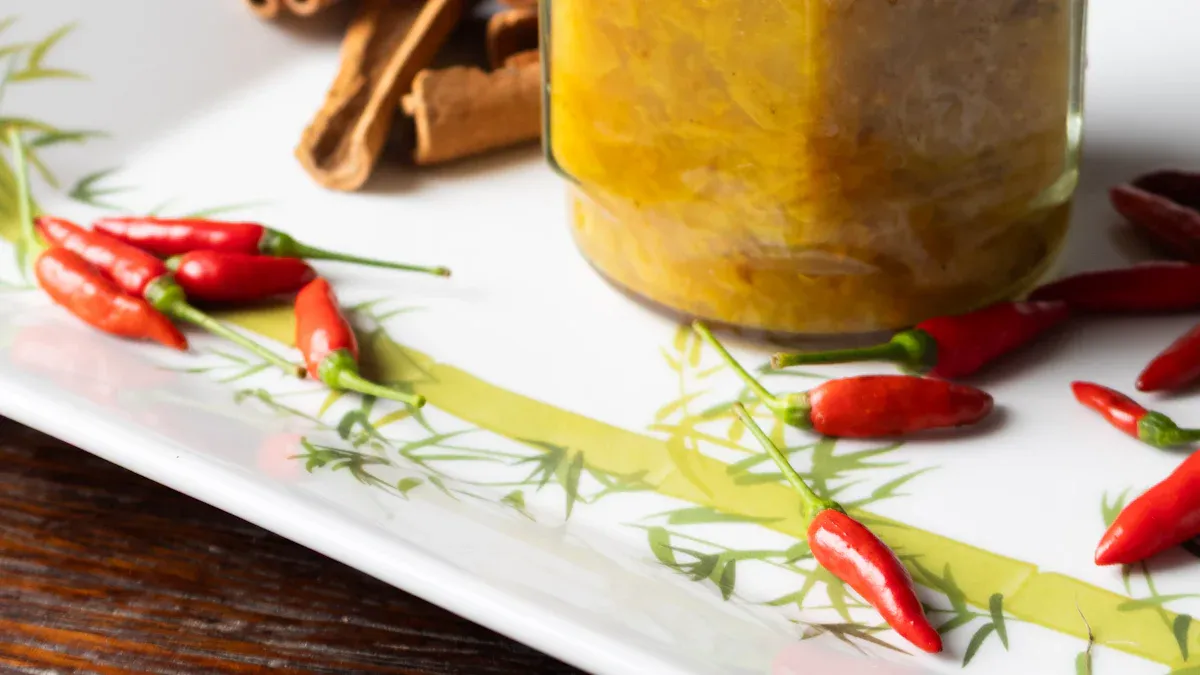
You can also try medlar tart, sticky toffee pudding, or even pickled medlars. These healthy recipes show how to use medlar fruit in modern and traditional ways. Medlar jelly pairs well with cheese or as a glaze for meats, making it a unique addition to your culinary adventures.
You discover what makes medlar a smart choice for your diet. This fruit stands out for its vitamins, minerals, and antioxidants.
Nutritional Highlight | Description |
|---|---|
Polyphenols | Support antioxidant activity |
Pectins | Aid digestion |
Carotene | Boost vision and immune function |
You can enjoy medlar in many recipes and support your health every day.
FAQ
What does medlar taste like?
You taste a mix of apple, date, and cinnamon in ripe medlar. The flavor is sweet, tangy, and slightly spicy.
What is the best way to eat medlar?
You eat medlar when it feels soft and brown. Scoop out the flesh with a spoon. You can enjoy it raw or in recipes.
What makes medlar different from other fruits?
You find medlar unique because you must let it soften before eating. The fruit offers a special texture and flavor not found in most fruits.