

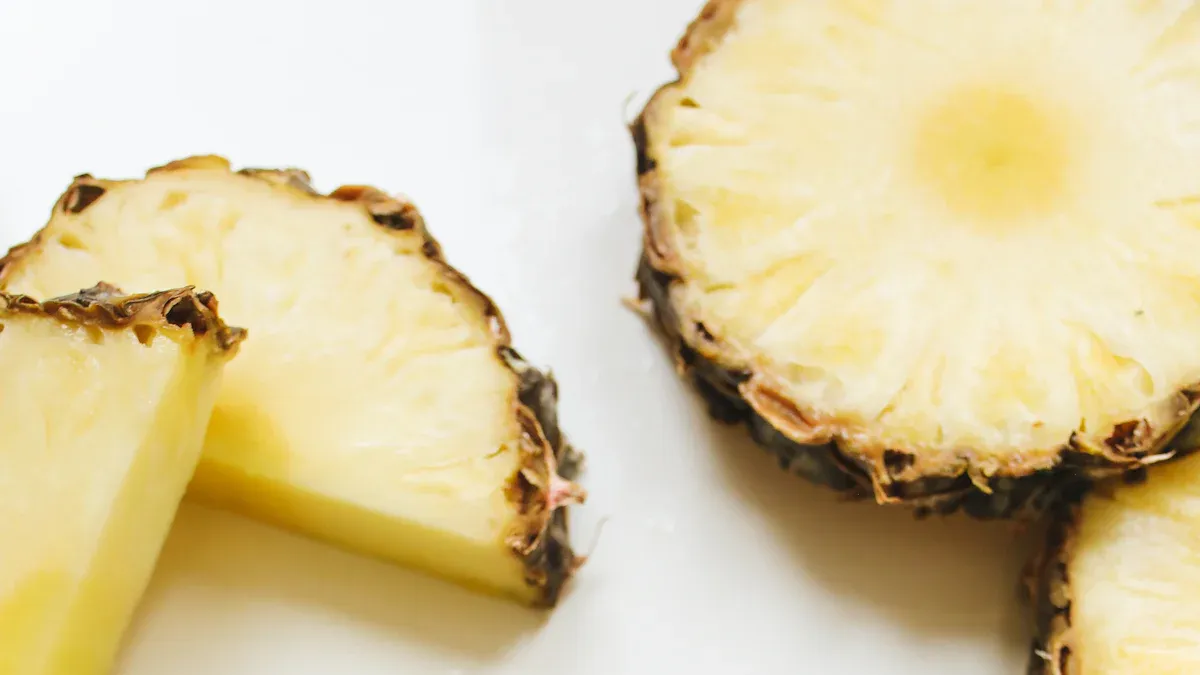
The tropical allure of pineapple captivates many. Its refreshing taste makes it a favorite fruit. This amazing fruit offers powerful pineapple nutrition. It provides surprising health benefits. Pineapple contains a unique “magic ingredient,” bromelain. This article uncovers the amazing facts, key health benefits of pineapple, and practical uses of this versatile pineapple. Discover how these pineapple health benefits can boost your well-being.
Key Takeaways
Pineapple is a healthy fruit. It has many vitamins and minerals. It also has a special enzyme called bromelain.
Eating pineapple can help your body. It boosts your immune system. It also helps with digestion and reduces swelling.
Pineapple can help your bones stay strong. It also helps your skin heal. It is good for your eyes and heart too.
Pineapple has a lot of natural sugar. It is important to know about possible allergies. It can also affect some medicines.
Choose a ripe pineapple for the best taste. You can eat it fresh or cook with it. Store it properly to keep it fresh.
Understanding Pineapple Nutrition

Pineapple is a highly nutritious fruit. It offers a wide range of essential nutrients. Understanding its nutritional content helps people appreciate its health benefits. This tropical fruit provides plenty of nutrients for overall well-being.
Macronutrient Breakdown
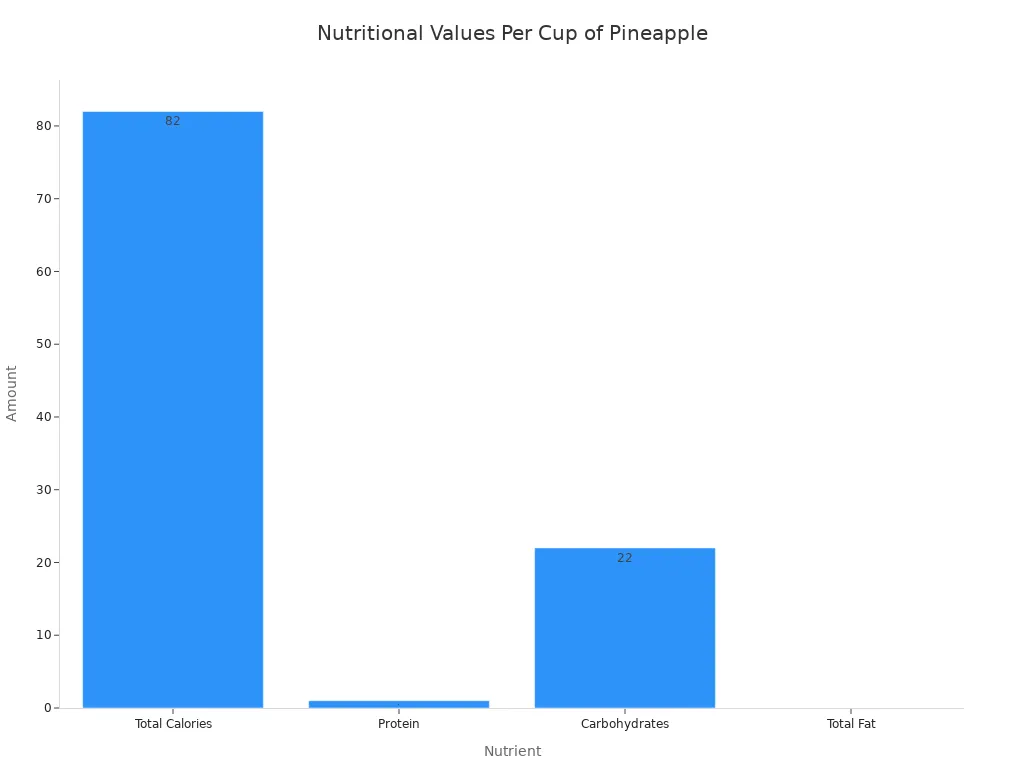
A single cup of fresh pineapple offers a good balance of macronutrients. It contains mostly carbohydrates, with very little fat or protein. This makes pineapple a great source of quick energy.
Nutrient | Amount |
|---|---|
Total Calories | 82 |
Protein | 1 g |
Carbohydrates | 22 g |
Total Fat | 0 g |
One cup of fresh pineapple contains 83 calories. It has 0.9 grams of protein and 21.6 grams of total carbohydrates. The fat content is very low, at only 0.2 grams. This makes pineapple a light and refreshing snack.
Essential Vitamins and Minerals
Pineapple nutrition stands out due to its rich vitamin and mineral profile. It is especially high in Vitamin C and manganese. These nutrients play crucial roles in body functions.
Nutrient | Amount per 1-cup serving |
|---|---|
Vitamin C | 78.9 mg (88% DV) |
Manganese | 1529.6 μg (67% DV) |
A one-cup serving of pineapple provides 78.9 milligrams of Vitamin C. This amount fulfills 88% of the daily recommended value. Vitamin C is a powerful antioxidant. It protects cells from damage. The same serving size also contains 1529.6 micrograms of manganese. This meets 67% of the daily value. Manganese is important for bone health and metabolism. Pineapple also contains antioxidants beyond Vitamin C. These antioxidants help fight free radicals in the body. This makes pineapple nutrition beneficial for cellular health.
Unique Enzymes: Bromelain
Pineapple contains a unique enzyme mixture called bromelain. This enzyme is found in the stem and fruit of the Ananas comosus plant. Bromelain’s active ingredients include proteinases and proteases. These enzymes break down proteins in the body. This enzymatic activity contributes to many potential health benefits.
Bromelain is a proteolytic enzyme. It digests protein. This property makes it useful for various health conditions.
Tip: Bromelain’s ability to break down proteins helps with digestion and reduces inflammation.
Bromelain offers several notable benefits:
Relieving sinusitis: A 2021 review suggests bromelain helps manage infection. It minimizes symptom duration, especially in children with severe cases.
Treating osteoarthritis: The same review indicates bromelain can improve pain and stiffness. This is especially true when combined with other supplements like turmeric.
Anti-inflammatory effects: Bromelain reduces inflammation throughout the body. This goes beyond nasal inflammation in sinusitis.
Bromelain in pineapple makes it a highly nutritious fruit. It offers more than just vitamins and minerals.
Key Pineapple Health Benefits
Pineapple offers many significant health benefits. Its rich nutritional profile contributes to overall well-being. People can enjoy these advantages by including pineapple in their diet.
Boosting Immunity and Fighting Germs
Pineapple helps the body fight off illness. It contains compounds that strengthen the immune system. Regular consumption of pineapple can boost immunity.
Pineapple, rich in bromelain, has many pharmacological activities. It could also help maintain the good health of COVID-19 patients. The enzyme has antimicrobial, antioxidant, anti-inflammatory, and anticancer activity.
This tropical fruit helps the body resist infections. Its components work to boost immunity effectively.
Pineapple May Aid Digestion
Pineapple may aid digestion significantly. Its unique enzymes and fiber content support a healthy digestive system.
Bromelain’s proteolytic activity breaks down dietary proteins. It turns them into smaller peptides and amino acids. This facilitates their digestion and absorption.
This proteolytic action enhances nutrient bioavailability from proteins. It breaks down protein complexes into simpler forms. This aids the absorption of essential amino acids and peptides.
Bromelain exhibits anti-inflammatory properties. It can alleviate digestive discomfort. It does this by modulating inflammatory mediators and reducing mucosal inflammation.
It may indirectly support the production and secretion of digestive enzymes. It stimulates pancreatic and intestinal function. This creates a favorable environment for enzymatic activity.
Bromelain’s anti-inflammatory effects protect pancreatic and intestinal tissues. This preserves their functional integrity. It also ensures optimal enzyme secretion.
Furthermore, pineapple aids digestion in other ways:
Pineapple’s high fiber and water content help prevent constipation. They also promote regularity.
Bromelain, an enzyme in pineapple, aids in the digestion of proteins.
Bromelain may also reduce inflammation in the digestive tract.
These combined actions make pineapple an excellent choice for digestive health.
Reducing Inflammation and Pain
Pineapple has powerful anti-inflammatory properties. It can help reduce pain and swelling in the body. This is largely due to its bromelain content.
Multiple clinical trials and meta-analyses show bromelain’s effectiveness. This proteolytic enzyme complex from pineapple reduces inflammation, pain, and edema. A recent meta-analysis of six randomized clinical trials (RCTs) showed bromelain effectively reduces postoperative pain. This was seven days after mandibular third molar surgery (p = 0.002). It also diminished facial swelling in both early and late postoperative stages (p = 0.02 and p = 0.0004, respectively). Previous meta-analyses reported comparable results. They also indicated improvements in sleep quality and social isolation.
Clinical studies also show that oral supplementation with pineapple extract, especially freeze-dried forms like Brome-Inf®, can help reduce inflammation, pain, and edema in chronic inflammatory diseases. This potentially decreases the need for NSAIDs. These studies consistently show decreases in the doses and frequency of conventional anti-inflammatory/analgesic drug administration.
Bromelain, a crude aqueous extract from the pineapple plant, possesses anti-inflammatory and analgesic properties. Its anti-inflammatory actions involve several factors. These include increasing serum fibrinolytic activity, reducing plasma fibrinogen levels, and decreasing bradykinin levels.
This, in turn, reduces vascular permeability, edema, and pain. Bromelain also mediates prostaglandin levels by decreasing PGE2 and thromboxane A2. It modulates immune cell surface adhesion molecules involved in arthritis pathogenesis. Furthermore, bromelain has shown analgesic properties in inflammatory pain in humans and human urogenital inflammation. It also shows these properties in various animal inflammatory models. Its analgesic effects likely stem from its direct influence on pain mediators like bradykinin. They also come from its indirect anti-inflammatory actions, such as reducing edema, debris, and immune complexes. This means pineapple fights inflammation effectively. It can suppress inflammation and alleviate discomfort.
Supporting Bone Health
Pineapple contributes to strong bones. It contains essential nutrients vital for bone maintenance.
Pineapple contains vitamin C, which is crucial for bone health. Research indicates that individuals consuming foods rich in vitamin C have a significantly lower risk of developing osteoporosis. They also have a reduced incidence of hip fractures. Additionally, manganese in pineapple may help decrease the risk of spinal bone loss. This is particularly true in older women when combined with other essential minerals and vitamins.
Promoting Skin and Tissue Healing
Pineapple helps the body repair itself. It supports healthy skin and aids in tissue healing.
Tacorin, an extract from pineapple stem, accelerates wound healing. It does this by increasing cell proliferation.
Tacorin suppresses inflammation by decreasing TNF-α expression.
Tacorin accelerates tissue remodeling. It increases TGF-β expression and reduces MMP-2 expression.
Tacorin contains important amino acids like arginine and glutamine. These are crucial for protein synthesis, cell proliferation, and tissue repair in wound healing.
Pineapple’s vitamin C content (88% of DV per cup) also promotes collagen production. It acts as an antioxidant. It aids wound healing by supporting new skin cell production. These benefits make pineapple a valuable fruit for recovery and skin health.
Protecting Vision and Heart Health
Pineapple offers significant benefits for both vision and heart health. Its nutrient profile supports these vital bodily functions.
Vision Health: Pineapple promotes healthy vision. It reduces the risk of age-related eye disorders like macular degeneration and cataracts. This is due to its powerful antioxidants, vitamin C, and beta-carotene. Studies have linked its consumption to a decrease in the rate of developing these conditions.
Heart Health:
Prevents Atherosclerosis: Pineapples, rich in antioxidants, help prevent atherosclerosis. They do this by lowering LDL (bad) cholesterol and increasing good cholesterol. Epidemiologic studies support that antioxidants like vitamin C and E protect against coronary artery disease.
Reduces Blood Clotting: Incorporating pineapple into the diet can minimize excessive blood coagulation. This benefits individuals at high risk of blood clots.
Enhances Blood Circulation: Copper in pineapples is vital for red blood cell formation. It improves oxygen supply and overall blood circulation.
Maintains Healthy Blood Pressure: Pineapple’s potassium content helps reduce high blood pressure. It has vasodilatory effects. This eases tension in blood vessels, facilitating smoother blood flow. It also prevents plaque formation.
A 2024 study concluded that bromelain, naturally found in pineapple juice, offers protection for lipid metabolism, oxidative stress, and inflammation. This can help prevent atherosclerosis. However, the number of studies is limited and not specific to pineapple juice. This indicates a need for more research. These pineapple health benefits contribute to a healthier life.
Potential for Diabetes Management
Pineapple may offer benefits for individuals managing diabetes. Its nutritional components can help with blood sugar control.
Study Focus | Institution/Location | Key Findings |
|---|---|---|
Low Glycemic Index Diet | Christian Medical College, Vellore, India | Including moderate GI fruits like pineapple improved blood sugar control and HbA1c levels in type 2 diabetes patients, also showing better cholesterol levels. |
Dietary Fiber in Diabetes Management | India (Review) | A daily intake of 25-40 grams of fiber, found in fruits like pineapple, enhances glycemic control, reduces insulin needs, and lowers cholesterol by slowing glucose absorption. |
Pineapple Fruit Residue Nutraceutical Properties | Karunya University, Coimbatore, Tamil Nadu, India | Pineapple’s antioxidants can mitigate oxidative stress and manage diabetes complications. |
Pineapple Bioactive Compounds | India | Bioactive compounds, including bromelain, in pineapple inhibit aldose reductase, an enzyme linked to diabetes complications like eye and kidney damage. |
Ananas comosus Leaves Antidiabetic Activity | India | Extracts from Ananas comosus leaves demonstrated significant antidiabetic effects in streptozotocin-induced diabetic rats, lowering blood sugar and improving antioxidant status. |
Whole Fruit vs. Juice in Diabetics | India | Whole pineapple was more effective in managing blood sugar than pineapple juice due to its fiber content, advising against juice consumption for better control. |
These studies suggest that pineapple, especially the whole fruit, can be a beneficial addition to a diabetes-friendly diet. It may reduce cancer risk indirectly through its antioxidant properties and overall health benefits.
Amazing Pineapple Facts
Pineapple holds many fascinating secrets. Its unique biology and rich history make it a truly remarkable fruit.
A Fruit of Many Flowers
A pineapple is not a single fruit. Botanists classify it as a “multiple fruit” or “compound fruit.” It forms from the fusion of many individual flowers. Each fruit from a single pineapple flower is botanically a “berry.” It is also an “accessory fruit.” The entire structure is known as a “sorosus.” This unique growth pattern gives the pineapple its distinctive segmented appearance.
Historical Journey and Origin
The pineapple has a long and storied past. It originated in tropical South America. Traditional accounts point to the Paraná–Paraguay river basin as its original homeland. Modern genetic studies suggest the Guiana Shield as the primary domestication center.
Domesticated pineapple cultivation began 6,000–10,000 years ago. Archaeological remains show its use in coastal South America by 1200–800 BCE. By the late 15th century, pineapple cultivation was widespread across the Americas. Indigenous peoples selectively bred wild pineapples for larger, sweeter, seedless fruits. The Tupi–Guarani people of Brazil were among the first cultivators. They called it excellent fruit, meaning “excellent fruit.”
Europeans encountered pineapples in the Americas at the end of the 15th century. Christopher Columbus made the first European mention in 1493. He referred to them as piñas. Early European experiences with pineapples were often disappointing. Spoilage occurred during long sea journeys. Horticulturalists eventually overcame the challenge of growing pineapples in Europe. They used ‘pine pits’ and ‘pine stoves’ (greenhouses).
The high cost of production made the pineapple a symbol of luxury. One fruit could cost as much as $8,000 in today’s currency. James Dole revolutionized the industry in the early 1900s. He established the Hawaiian Pineapple Company. This company became responsible for three-quarters of the world’s pineapple production. Today, over 75% of the world’s pineapples come from Indonesia, Thailand, and the Philippines.
The Science of Sweetness
The sweetness of a pineapple comes from its natural sugars. These sugars develop as the fruit ripens. A ripe pineapple contains a higher concentration of fructose, glucose, and sucrose. This gives it its characteristic sweet and tangy flavor. The balance of sugars and acidity contributes to its refreshing taste.
Potential Risks and Warnings
Pineapple offers many health benefits. However, people should know about potential risks. Some individuals may experience adverse reactions.
Allergic Reactions and Sensitivities
Some people can have an allergy to pineapple. The immune system mistakenly sees certain proteins in pineapple as harmful. This releases chemicals like histamine. These chemicals trigger allergic symptoms. Mild symptoms include itching or swelling of the lips, tongue, and throat. Hives or a skin rash can also appear. Oral Allergy Syndrome (OAS) causes localized mouth and throat symptoms. Raw pineapple often triggers this, especially in people allergic to birch or banana tree pollen. Digestive issues like nausea, vomiting, or stomach pain can occur soon after eating.
Bromelain, an enzyme in pineapple, can cause mild irritation in the mouth. It can also cause the body to release histamine. This leads to swelling, itching, or breathing difficulty. Profilin in pineapple can also cause allergies. Severe reactions, like anaphylaxis, are rare but possible. Symptoms include difficulty breathing, throat swelling, a rapid drop in blood pressure, and loss of consciousness. Anaphylaxis needs immediate medical attention. People allergic to pineapple might also react to other fruits like banana or kiwi due to cross-reactivity.
Acidic Content and Oral Health
Pineapple is acidic. Its pH is below 4 due to citric acid. Frequent consumption of acidic fruits can harm tooth enamel. This increases the risk of sensitivity and decay over time. Citric acid can erode enamel. This makes teeth more vulnerable to cavities. People should be aware of acid’s effect on their teeth. They should care for their dental health even while enjoying healthy foods.
Interactions with Medications
Bromelain, an enzyme in pineapple, can interact with certain medications. It can increase the absorption of some antibiotics, like amoxicillin and tetracycline. Bromelain also enhances the effects of chemotherapy drugs, such as 5-fluorouracil. It can increase the effects of sedative drugs. These include benzodiazepines and some antidepressants. Bromelain affects blood clotting. This raises the risk of bruising or bleeding when combined with blood thinners. It can also interact negatively with blood pressure medications, especially ACE inhibitors.
Ripeness and Bromelain Levels
The ripeness of pineapple affects its bromelain content. Unripe pineapple fruits show higher proteolytic activity. This means they have more active bromelain. Fruit maturity significantly influences bromelain’s catalytic activity.
Practical Uses and Tips

Selecting a Ripe Pineapple
Choosing a ripe pineapple ensures the best flavor. A ripe pineapple displays a golden-yellow color. This color extends from the base upward. The bottom third shows the most golden hue. Fresh, vibrant green crown leaves indicate a recently harvested fruit. The skin texture should yield slightly when gently pressed. This is especially true around the base. Avoid dark spots, soft patches, or wrinkled skin. A perfectly ripe pineapple emits a sweet, tropical aroma. This scent is noticeable but not overwhelming. Sniff near the base to check. Strong, alcohol-like odors suggest overripeness. A complete absence of scent means the fruit is underripe. Pineapples do not continue to ripen once picked. They are non-climacteric. This means their sweetness will not increase after harvest. It is crucial to select a ripe one at the store.
Cutting and Preparing Pineapple
Learning how to prepare pineapple is simple. First, twist off the leafy crown. Then, slice off the top and bottom ends. Stand the pineapple upright. Carefully slice downwards to remove the tough outer skin. Follow the curve of the fruit. Remove any remaining “eyes” with a small knife. You can then slice the pineapple into rings, spears, or chunks.
Culinary Uses and Recipes
Pineapple offers many culinary uses. People enjoy it fresh, grilled, or in various dishes. For example, try Sticky Pineapple Chicken or Pineapple Salsa. Pineapple Upside-Down Cake is a classic dessert. You can also make Piña Colada “Nice” Cream. These pineapple recipes show its versatility. There are many ways to add pineapple to meals.
Storage for Freshness
Knowing how to store pineapple properly extends its freshness. Store a whole, ripe pineapple at room temperature for 3 to 5 days. For longer storage, refrigerate it for up to a week. Cut pineapple, such as rings or chunks, needs refrigeration. Place it in an airtight container. It will stay fresh for up to 5 days. For the longest preservation, freeze cut pineapple. Place 1-inch chunks in a freezer bag. It can last up to 6 months.
Incorporating into Your Diet
Adding pineapple to your diet is easy. Enjoy it as a snack. Blend it into smoothies. Add it to fruit salads. Grill pineapple slices for a sweet side dish. Its tropical flavor enhances many meals.
Pineapple offers impressive pineapple nutrition. It provides essential vitamins, minerals, and unique enzymes like bromelain. This tropical fruit delivers many health benefits. People can easily add pineapple to their daily meals. Its versatility makes it a great choice. Enjoy pineapple regularly for its delicious taste and numerous benefits. Embrace this amazing fruit for better overall well-being.
FAQ
Is pineapple good for weight loss?
This fruit is low in calories and high in fiber. This makes it a good choice for weight management. Fiber helps people feel full, which can reduce overall calorie intake. Its natural sweetness also satisfies cravings.
Can children eat pineapple?
Yes, children can eat this tropical fruit. It provides essential vitamins and minerals for their growth. However, parents should introduce it in small amounts. This helps check for any allergic reactions or sensitivities.
What is the best way to store pineapple?
Store a whole, ripe pineapple at room temperature for a few days. Refrigerate cut pieces in an airtight container for up to five days. For longer storage, freeze chunks.
Does pineapple help with colds?
This fruit contains vitamin C and bromelain. These compounds can boost the immune system. They may help reduce cold symptoms and duration. This makes pineapple a beneficial choice during cold season.