


Red palm oil is a distinct, reddish-orange oil. It comes from the fruit of the oil palm tree. This oil differs significantly from refined palm oil and palm kernel oil. Red palm oil is unrefined. This unrefined nature gives red palm oil its unique nutritional profile and many red palm oil nutrition benefits. It contains abundant vitamins and powerful antioxidant compounds. The global market for this oil reached about $15 billion in 2023, highlighting its growing importance for health benefits. What makes red palm oil a nutritional powerhouse, and how can people incorporate it into a healthy lifestyle?
Key Takeaways
Red palm oil is an unrefined oil. It has many vitamins and antioxidants. These include Vitamin E and beta-carotene.
This oil helps your body in many ways. It supports your heart, brain, eyes, and skin. It also boosts your immune system and liver health.
Red palm oil is good for cooking. It can also be a dietary supplement. Look for brands that source it in a sustainable way.
The red color of the oil comes from beta-carotene. Your body changes beta-carotene into Vitamin A. This helps your vision and skin.
Red Palm Oil: Definition and Distinction
What is Red Palm Oil?
Red palm oil comes from the fruit of the oil palm tree. It has a distinct reddish-orange color. This color comes from its natural compounds. Producers make red palm oil through minimal processing. This keeps its natural nutrients. The process starts with fruit digestion. Rotating blades crush the fruit into a mash. Then, a press extracts crude red palm oil. This step maximizes oil yield. It also keeps nutrients like carotenoids and vitamin E. Next, clarification separates clean oil from impurities. The oil then undergoes drying. This removes water and extends shelf life. Careful temperature control preserves its color and antioxidants. Finally, the oil is stored properly. This protects it from air and light. This careful process ensures the red palm oil retains its unique properties.
Unrefined vs. Refined Palm Oil
The difference between unrefined and refined palm oil is significant. Unrefined red palm oil undergoes minimal processing. It keeps its vital nutrients and red color. It contains many anti-aging antioxidant carotenoids. These include lycopene and beta-carotene. It also has a high concentration of antioxidant Vitamin E. This includes tocopherols and tocotrienols. Phytosterols and CoQ10 are also present. One tablespoon can provide much Vitamin A and E. In contrast, refined palm oil is highly processed. This processing strips it of nutrients. It also bleaches the oil. Fractionation further harms its nutritional profile. This makes it nutrient-poor. The refining process destroys valuable nutrients. These include carotenes and Vitamin E, impacting its overall palm oil nutrition.
Red Palm Oil vs. Palm Kernel Oil
Red palm oil and palm kernel oil come from different parts of the palm fruit. Red palm oil comes from the fruit’s flesh. Its deep red color comes from carotenoids. These are good for eyes, skin, and the immune system. It has more carotenoids than carrots and tomatoes. This makes it a rich source of provitamin A. Red palm oil also has tocotrienols. These are a rare form of vitamin E. It contains various antioxidants. These support brain function and stress resistance. It has a balanced mix of saturated and unsaturated fats. It is free from trans fats and cholesterol. Palm kernel oil comes from the seed. It has a much higher saturated fat content. It is similar to coconut oil. It lacks the significant nutritional benefits of red palm oil. It also does not have the deep color. People often use palm kernel oil in processed foods. They also use it in soaps. It is not chosen for its nutritional value.
Exploring Red Palm Oil Nutrition Benefits
Red palm oil offers a rich array of essential vitamins and powerful antioxidants. These components contribute significantly to its impressive red palm oil nutrition benefits. The oil’s unrefined nature preserves these valuable compounds, making it a nutritional powerhouse.
Vitamins in Red Palm Oil
Red palm oil stands out for its high concentration of fat-soluble vitamins. It contains significant amounts of Vitamin E and Vitamin A precursors. These vitamins play crucial roles in human health.
Vitamin E in red palm oil exists in two main forms: tocopherols and tocotrienols. While tocopherols are common in many vegetable oils, red palm oil is one of the richest natural sources of tocotrienols. These tocotrienols are particularly potent antioxidants. They offer superior protection against skin aging and act as the skin’s first line of defense against free radicals. Research suggests they play a major role in preventing oxidative stress and aiding wound-healing. Tocotrienols also support liver health; a human clinical study showed protective effects in end-stage liver patients. Another study reported that 200 mg of Tocomin SupraBio twice daily effectively addressed fatty liver. For brain health, NIH-funded research demonstrated that tocotrienols increase blood circulation to areas of the brain affected by ischemic stroke. Oral supplementation showed good absorption and distribution to organs like the brain, liver, and heart, reaching levels sufficient for neuroprotection. Furthermore, tocotrienol complexes have promising hypocholesterolemic properties. A clinical trial showed significant reductions in total and LDL cholesterol levels in subjects with high blood cholesterol. They also significantly reduced aortic systolic blood pressure and arterial stiffness in healthy adults. These tocotrienols are powerful antioxidants, shown to be 40 to 60 times more potent than tocopherol, protecting lipids from peroxidation and quenching free radicals.
Red palm oil is also an exceptional source of Vitamin A precursors, primarily beta-carotene. This compound gives red palm oil its characteristic reddish-orange color. Red palm oil contains 23,700 micrograms of beta-carotene per 100 grams of oil. This figure derives from a total carotenoid content of 50,000 micrograms per 100 grams, with beta-carotene constituting 47.4% of these carotenoids. Typically, red palm oil contains 500–700 ppm of carotenoids. Of these carotenoids, approximately 70% is beta-carotene, while alpha-carotene makes up about 30%. The body converts beta-carotene into Vitamin A, which is essential for vision, immune function, and skin health. This makes red palm oil a vital tool in combating Vitamin A deficiency, especially in regions where it is prevalent. Minor amounts of other vitamins, such as Vitamin K, also contribute to the overall palm oil nutrition.
Antioxidants and Cell Protection
Beyond vitamins, red palm oil is packed with a diverse range of antioxidants. These compounds work synergistically to protect cells from oxidative stress, a process linked to aging and various chronic diseases. The presence of tocotrienols and carotenoids makes red palm oil a powerful protector.
Carotenoids are a major group of antioxidants in red palm oil. While beta-carotene is the most prominent, other carotenoids like alpha-carotene, lycopene, and lutein also contribute. These carotenoids, particularly beta-carotene, function as antioxidants. They neutralize free radicals. Neutralizing free radicals prevents oxidative stress. This process helps reduce inflammation. This protective action is crucial for maintaining cellular integrity and function.
Red palm oil also contains various phenolic compounds. These are another class of potent antioxidants. Specific types include:
Caffeoylshikimic acid (CFA) and its three isomers: 3-O-caffeoylshikimic acid (3-O-CFA), 4-O-caffeoylshikimic acid (4-O-CFA), and 5-O-caffeoylshikimic acid (5-O-CFA).
p-hydroxybenzoic acid (PHBA).
Protocatechuic acid (PCA).
Hydroxytyrosol.
These phenolic compounds contribute to the overall antioxidant capacity of red palm oil. Flavonoids, another group of plant compounds, also provide antioxidant benefits.
Coenzyme Q10 (CoQ10) is present in red palm oil. It acts as an antioxidant and plays a vital role in cellular energy production. Squalene, a natural organic compound, also contributes to the oil’s antioxidant properties and skin health benefits. Phytosterols, plant compounds structurally similar to cholesterol, offer additional protective effects. They help reduce cholesterol absorption and act as antioxidants. The combination of these diverse compounds gives red palm oil its significant red palm oil nutrition benefits and makes it a valuable dietary component for cell protection.
Key Health Benefits of Red Palm Oil
Red palm oil offers many significant health benefits. These benefits come from its rich nutritional profile. The vitamins and antioxidants in red palm oil work together to support various body systems.
Heart and Brain Health
Red palm oil contributes to both heart and brain health. Its unique fat composition and powerful antioxidants play a key role. Some studies show that palm oil can affect cholesterol levels. A study by Zhang et al. (2003) found that diets with palm oil lowered serum cholesterol in adults with normal cholesterol levels. This effect was similar to soybean oil and better than lard. For people with high cholesterol, palm oil reduced the total cholesterol/HDL ratio more effectively than peanut oil. Other research by Ng et al. (1992) showed that palm olein had similar effects on cholesterol as olive oil. These studies suggest that palm oil can be a good substitute for olive oil in healthy people. However, a meta-analysis of clinical trials found that palm oil increased LDL cholesterol by 0.24 mmol/L compared to vegetable oils low in saturated fat. It also increased HDL cholesterol by 0.02 mmol/L compared to low-saturated fat oils. This suggests that palm oil’s effects on blood lipids relate to its saturated fat content. Replacing it with oils low in saturated and trans fat is often recommended.
Beyond heart health, red palm oil also supports brain function. Its tocotrienol-rich fraction (TRF) enhances cognitive performance. Research shows that TRF improves cognitive functions and antioxidant activity in healthy rats. For example, 200 mg/kg of TRF given for eight months significantly boosted brain health. An ad libitum diet with 100 mg/kg TRF also improved cognitive function in young rats. These findings suggest that the neuroprotective effects of red palm oil, mainly from its tocotrienol content, can support cognitive function.
Eye and Skin Health
Red palm oil is especially beneficial for eye and skin health. This is largely due to its high content of beta-carotene. The body converts beta-carotene into Vitamin A. Vitamin A is essential for good vision. It helps the eyes adapt to low light. This beta-carotene is crucial for healthy vision. It also supports the health of the retina.
The beta-carotene in red palm oil also promotes skin vitality. It acts as an antioxidant, protecting skin cells from damage caused by free radicals. This protection helps maintain youthful skin. Red palm oil’s beta-carotene content also helps combat Vitamin A deficiency (VAD). VAD is a major public health problem in many parts of the world. The inclusion of red palm oil in school meals has improved the Vitamin A status of children. A meta-analysis of nine trials confirmed that red palm oil significantly reduced the risk of VAD. It increased serum retinol levels in both children and adults. It also elevated beta-carotene levels. Even a small intake of red palm oil (as little as 8g) can increase serum retinol concentrations. This shows its effectiveness in preventing or easing VAD. Providing just 35–50% of the daily recommended intake of Vitamin A through red palm oil is enough to prevent VAD. The high amount of beta-carotene makes red palm oil effective against VAD.
Immune and Liver Support
Red palm oil strengthens the immune system and supports liver health. Its rich antioxidants and Vitamin A precursors are key to these health benefits. Consuming red palm oil significantly boosts Vitamin A levels in humans. A lack of Vitamin A weakens immune function. Therefore, red palm oil helps support immune health through this mechanism. The beta-carotene in red palm oil boosts Vitamin A levels. This helps the body fight off infections.
The tocotrienol-rich fraction of palm oil has anti-inflammatory properties. It suppresses inflammatory mediators in human cells. Red palm oil also helps reduce oxidative stress and inflammation in the liver. This is especially true for liver injury caused by certain toxins. A human clinical trial showed that end-stage liver patients taking Tocomin SupraBio (found in red palm oil) experienced significant protective effects. Another study reported that daily consumption of 200 mg of Tocomin SupraBio effectively treated fatty liver conditions. Dietary red palm oil, when consumed in moderation, improves immune function in both animals and humans. A study on chronic liver disease patients showed that red palm oil supplementation decreased lipid peroxidation, endotoxemia, and inflammatory cytokines. These findings highlight the significant red palm oil nutrition benefits for immune and liver support.
Anti-Cancer and Anti-Diabetic Potential
Red palm oil shows potential in fighting cancer and managing diabetes. These palm oil benefits come from its powerful compounds.
Tocotrienols and carotenoids in red palm oil have anti-cancer properties.
The tocotrienol-rich fraction (TRF) from palm oil stops cell growth and causes cell death in both pre-cancerous and cancerous cells.
Oil palm phenolics (OPP) also show anti-cancer activity. Mouse studies found that OPP inhibited the progression of various cancer cell lines. OPP supplementation in mice with myeloma cells significantly reduced tumor numbers. This indicates strong anti-cancer activity. The beta-carotene and other carotenoids in red palm oil also contribute to these protective effects.
Regarding diabetes management, research is ongoing. Many studies have looked at palm oil’s effect on heart health markers. However, fewer studies directly link palm oil consumption to type 2 diabetes. A systematic review aimed to evaluate evidence on palm oil’s association with glucose metabolism. A comprehensive review of red palm oil’s nutritional properties highlights its potential for managing diabetes. It also helps with other health benefits like overcoming Vitamin A deficiency and protecting against heart disease. An animal study explored the effects of red palm oil on sperm motility in diabetic rats. A chapter titled ‘Palm oil: its antioxidant potential in diabetes mellitus’ discusses its role against diabetes. However, it also notes that limited studies confirm the anti-diabetic property of red palm oil.
Practical Uses of Red Palm Oil
Culinary Applications
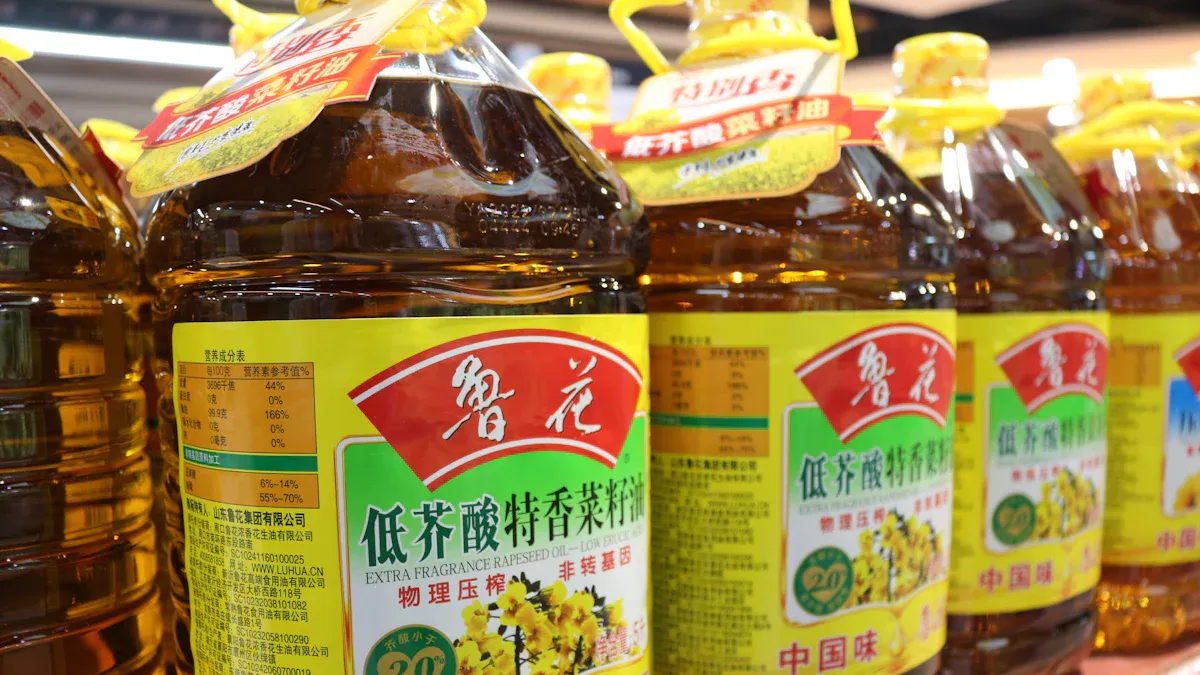
People use red palm oil in many kitchens around the world. It serves as a versatile cooking oil. Unrefined red palm oil is a traditional staple in Nigerian and Congolese cuisines. It works especially well for curries and other spicy dishes. Cooks often use it in West African countries like Nigeria. Refined palm oil has a high smoke point of 450°F (232°C). It stays stable under high heat. This makes it suitable for sautéing or frying. The oil also enhances flavors in various African and Asian cuisines.
Dietary Supplementation
Red palm oil also serves as a dietary supplement. It offers a convenient way to get its nutrients. For children, just one teaspoon of red palm oil daily provides the recommended amount of vitamin A. People can buy red palm oil in bottles for kitchen use. It is also encapsulated and sold as a vitamin supplement. Red palm oil concentrate is available for dietary supplement applications. Manufacturers typically deliver this concentrate in softgel capsules. This concentrate allows for the required dosage and health benefits in a small softgel. It reduces fat and calorie intake. It still maintains the phytonutrient levels found in two tablespoons of red palm oil.
Traditional and Other Uses
Beyond the kitchen, red palm oil has historical and other uses. In its natural state, it appears dark red. This color comes from its high concentration of carotenoids. These include β-carotene and lycopene. Historically, people used the oil from the fruit of the oil palm to light street lamps in the ancient Kingdom of Benin. It is an ingredient in black soap produced by the Yoruba people. Some regions still consume it for medicinal purposes. However, its effectiveness in treating diseases lacks substantial proof. The deep red hue of red palm oil also makes it a natural food color. Many African countries use it to color foods like egusi soup or plantain porridge. This not only makes a dish look better but also enriches its nutty flavors. People can drizzle it over dishes such as broiled yam, plantain, cocoyam, or cassava.
Addressing Concerns and Sustainable Sourcing
Saturated Fat Content
Red palm oil contains a mix of fats. It has both saturated and unsaturated fatty acids. Palm kernel oil is high in saturated fats. These fats can raise low-density lipoprotein (LDL) cholesterol. Red palm oil, however, has a different profile. It contains higher levels of palmitate (16:0), which is a saturated fat. It also has higher levels of oleate (18:1) and linoleate (18:2 n6). These are unsaturated fats. A balanced diet can include red palm oil. People should consume it in moderation. Its unique fatty acid composition contributes to its overall nutritional value.
Sustainable Sourcing Practices
Concerns about palm oil production often arise. These concerns include deforestation and social impacts. Sustainable sourcing practices address these issues. The Roundtable on Sustainable Palm Oil (RSPO) offers a certification. This certification ensures ethical production. RSPO Principles and Criteria (P&C) Certification shows that palm oil production is sustainable. It is also legal and economically viable. It does not harm the environment, wildlife, workers, or communities. The updated RSPO P&C Standard 2018 promotes zero deforestation. It also encourages shared responsibility, zero burn practices, and social compliance.
RSPO certification requires several things:
Commitment to Transparency: Producers must document practices and share information.
Compliance with Applicable Laws and Regulations: Companies must follow all laws.
Commitment to Long-term Economic and Financial Viability: Practices must ensure long-term sustainability.
Use of Appropriate Best Practices by Growers and Millers: Producers must use best methods for cultivation and processing.
Environmental Responsibility and Conservation of Natural Resources and Biodiversity: This involves environmental assessments and conservation plans.
Responsible Consideration of Employees and of Individuals and Communities Affected by Growers and Millers: This includes fair wages and community engagement.
Responsible Development of New Plantings: Planning must avoid harm to high conservation areas.
Commitment to Continuous Improvement in Key Areas of Activity: Producers must monitor progress and adopt new practices.
Over 19% of the world’s palm oil is currently RSPO certified. In 2019, VSS-compliant oil palm, including RSPO, represented 17% of total global production.
Choosing Quality Red Palm Oil
Consumers should look for specific indicators when choosing quality red palm oil. These indicators ensure they get a product rich in nutrients. High-quality crude palm oil (CPO) has certain characteristics.
Property | Crude Palm Oil (CPO) |
|---|---|
Color | Reddish-brown (due to carotenoids) |
Moisture and Impurities | 0.5-1.5% |
Free Fatty Acids (FFA) | 3-5% (higher, less stable) |
Peroxide Value (meq/kg) | 5-10 (higher, more oxidation-prone) |
Iodine Value | 51-53 |
Carotenoid Content | 500-2000 mg/kg |
Vitamin E Content | High (tocopherols, tocotrienols) |
Odor | Obvious fruity smell |
Transparency | Turbid with suspended matter |
Taste | Astringent, slightly bitter |
Nutritional Content | Rich in carotenoids (beta-carotene, alpha-carotene, lycopene), high in vitamin E, contains phytosterols and squalene |
Consumers should look for a deep reddish-brown color. This color indicates a high carotenoid content. A fruity smell and a slightly bitter taste are also signs of unrefined quality. Low levels of free fatty acids and peroxide value suggest freshness and stability. These factors help ensure the red palm oil retains its beneficial compounds.
Red palm oil provides significant red palm oil nutrition benefits. It contains rich vitamins, especially tocotrienols and carotenoids, and powerful antioxidant compounds. These palm oil benefits support heart, brain, eye, skin, immune, and liver health. Beta-carotene helps combat deficiencies. This powerful antioxidant also protects cells. Consumers should choose sustainably sourced brands and use it mindfully. This ancient superfood holds great promise for modern nutrition.
FAQ
What gives red palm oil its distinct color?
Carotenoids give red palm oil its distinct reddish-orange color. These natural pigments are powerful antioxidants. Beta-carotene is the most prominent carotenoid. The body converts beta-carotene into Vitamin A. This process makes red palm oil a rich source of Vitamin A.
How does red palm oil differ from regular palm oil?
Red palm oil is unrefined. It keeps its natural vitamins and antioxidants. Regular palm oil undergoes heavy processing. This processing strips away most of its beneficial nutrients. It also removes the natural color.
What are the main vitamins in red palm oil?
Red palm oil contains significant amounts of Vitamin E and Vitamin A precursors. Vitamin E includes potent tocotrienols. Vitamin A precursors are mainly beta-carotene. These vitamins support vision, skin health, and cell protection.
Can people use red palm oil for cooking?
Yes, people can use red palm oil for cooking. It has a high smoke point. This makes it suitable for frying and sautéing. It also adds a unique flavor and color to dishes. Many African and Asian cuisines use it.
Is red palm oil production sustainable?
Sustainable sourcing practices exist for red palm oil. Organizations like the RSPO certify sustainable production. This certification ensures ethical practices. It protects the environment, wildlife, and communities. Consumers should look for certified products.