

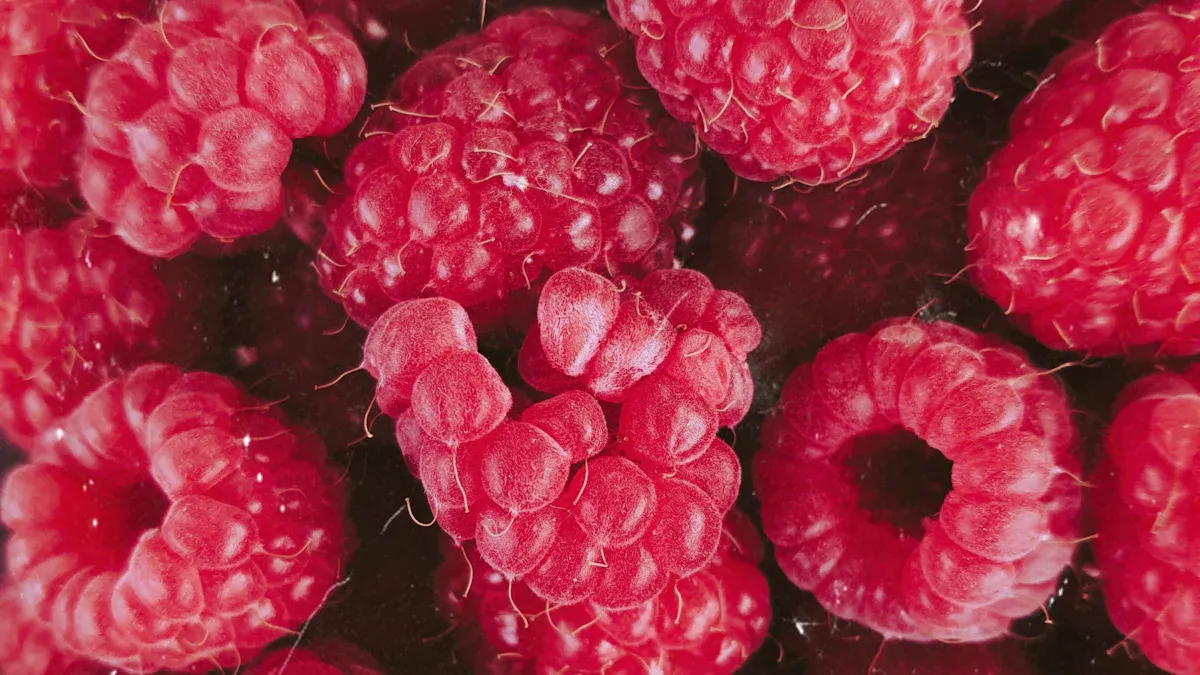
Few treats compare to the delightful taste of red raspberries. This sweet fruit offers more than just deliciousness; it delivers impressive health benefits. Red raspberries are packed with nutrients. A one-cup serving of raw raspberries has only 70 calories and 5 grams of sugar, making them a low-calorie option. These amazing raspberries also contain fiber, vitamins, and antioxidants. This article explores the comprehensive red raspberries nutrition and their diverse advantages for your well-being.
Key Takeaways
Red raspberries are full of good nutrients. They have fiber, vitamins, and antioxidants. These help your body stay healthy.
Eating red raspberries helps your digestion and heart. The fiber in them keeps your gut working well and lowers bad cholesterol.
Red raspberries boost your immune system. They have vitamin C and other compounds that fight off sickness and reduce swelling in your body.
These berries can help control blood sugar. They are low in sugar and high in fiber, which is good for people with diabetes.
Red raspberries protect your brain and skin. Their antioxidants can improve memory and guard your skin from sun damage.
Red Raspberries Nutrition: A Powerhouse of Nutrients
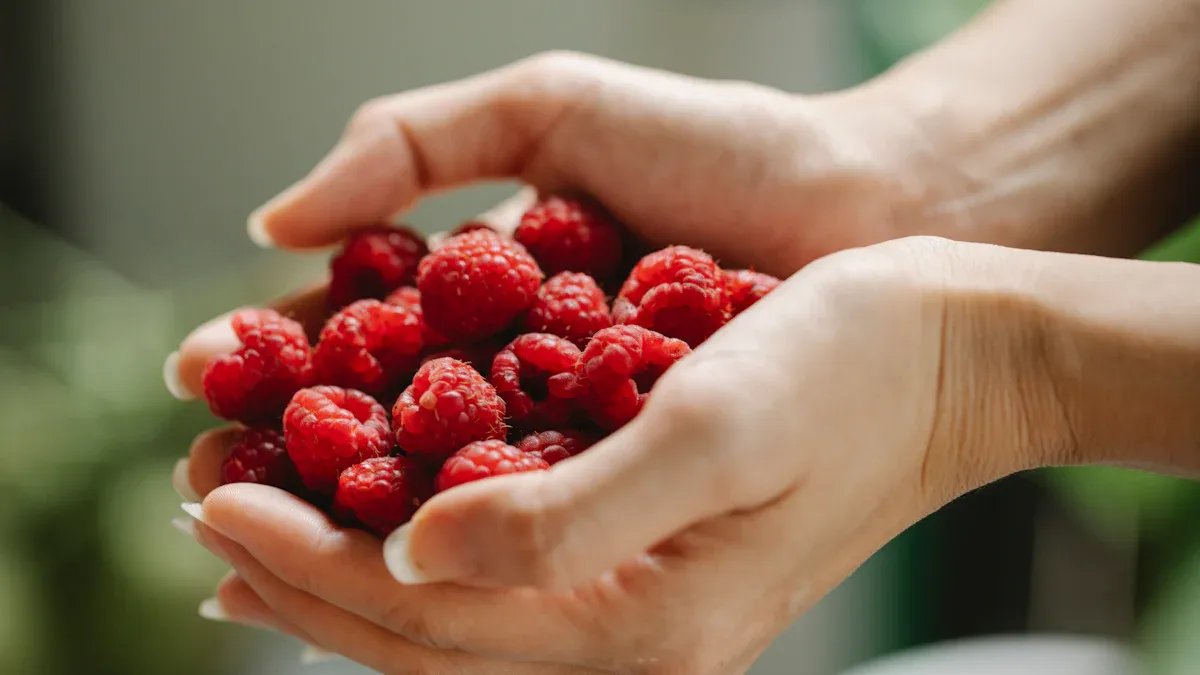
Red raspberries offer a remarkable nutritional value. They are packed with nutrients that support overall health. This fruit is low in calories and sugar, yet it provides a significant amount of beneficial compounds.
Fiber-Rich for Digestive and Heart Health
Red raspberries are an excellent source of dietary fiber. A one-cup serving (123g) of red raspberries contains 8 grams of dietary fiber. This makes them rich in fiber. This amount represents a substantial portion of the daily recommended fiber intake. Fiber is crucial for a healthy digestive system. It helps maintain regular bowel movements and prevents constipation. Beyond digestion, fiber also plays a vital role in heart health. It helps lower cholesterol levels and can contribute to better blood sugar control. The high fiber content, combined with their low in calories nature, makes raspberries a smart choice for managing weight and promoting satiety.
Nutrient | Amount per 1 cup serving (123g) |
|---|---|
Dietary Fiber | 8 g |
Essential Vitamins and Minerals
Red raspberries are a good source of vitamins and minerals. They provide many essential micronutrients. A single cup of red raspberries contains 32.2 mg of vitamin C. This amount can provide over one-third of the daily requirement for vitamin C for adults. Vitamin C is important for immune function and skin health.
Nutrient | Amount (per 123g cup) |
|---|---|
Vitamin C | 32.2 mg |
Folate | 25.8 mcg |
Vitamin K | 9.6 mcg |
Calcium | 30.8 mg |
Magnesium | 27.1 mg |
Iron | 0.8 mg |
Phosphorus | 35.7 mg |
Potassium | 186.0 mg |
Zinc | 0.5 mg |
Copper | 0.1 mg |
Manganese | 0.8 mg |
Selenium | 0.2 mcg |
Choline | 15.1 mg |
Vitamin E | 1.1 mg |
Lutein + Zeaxanthin | 167.0 mcg |
Alpha Carotene | 19.7 mcg |
Beta Carotene | 14.8 mcg |
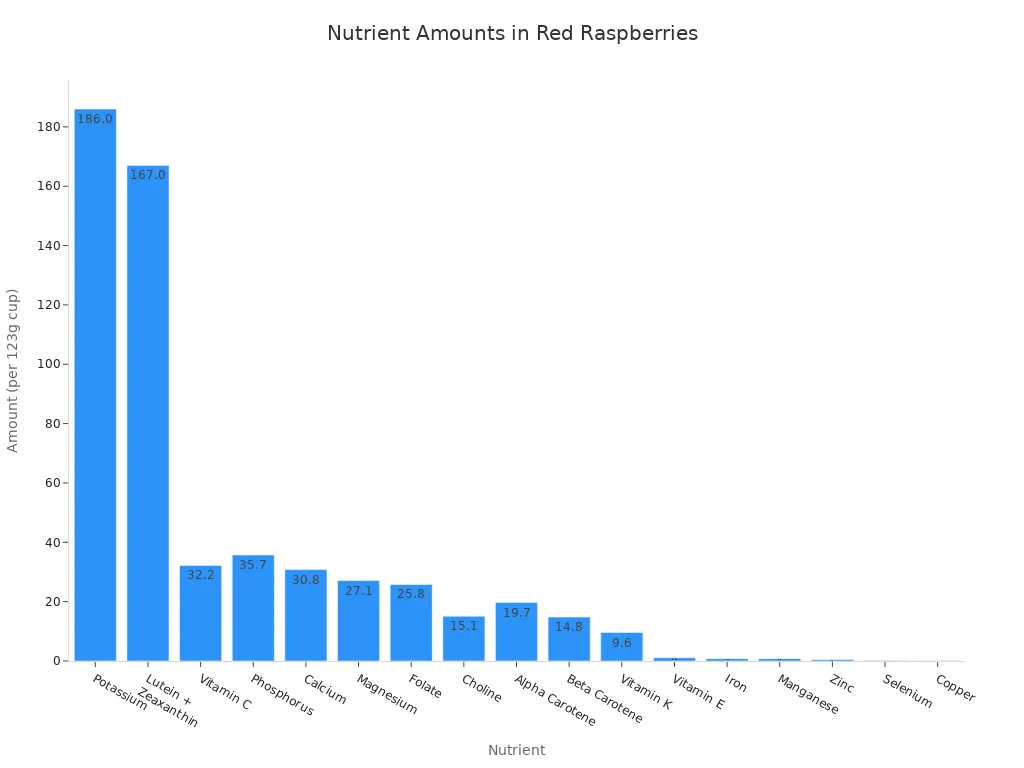
Beyond vitamin C, red raspberries also offer other important vitamins and minerals. These include folate, vitamin K, manganese, and magnesium. Even processed forms of red raspberries retain significant vitamin C. For example, IQF (individually quick frozen) raspberries and purée with seeds provide 20% or more of the Daily Value for vitamin C. Seedless purée and juice concentrate offer 10–19% of the Daily Value. This makes red raspberries a versatile source of vitamins.
Form of Red Raspberry | Vitamin C (% Daily Value) |
|---|---|
IQF | ≥20% |
Purée with seeds | ≥20% |
Seedless purée | 10–19% |
Juice concentrate | 10–19% |
Potent Antioxidants for Cellular Protection
Red raspberries are high in antioxidants. They are a source of antioxidants that protect the body’s cells from damage. This antioxidant content contributes to their many health benefits. Raspberries contain a wide array of powerful antioxidants. These include various phenolic acids like ellagic acid and gallic acid. They also contain vitamins C and E, which are known antioxidants. Flavonoids such as anthocyanins, quercetin, and kaempferol-glycosides are also present. Other compounds like raspberry ketone and raspberry glycoproteins add to their protective qualities.
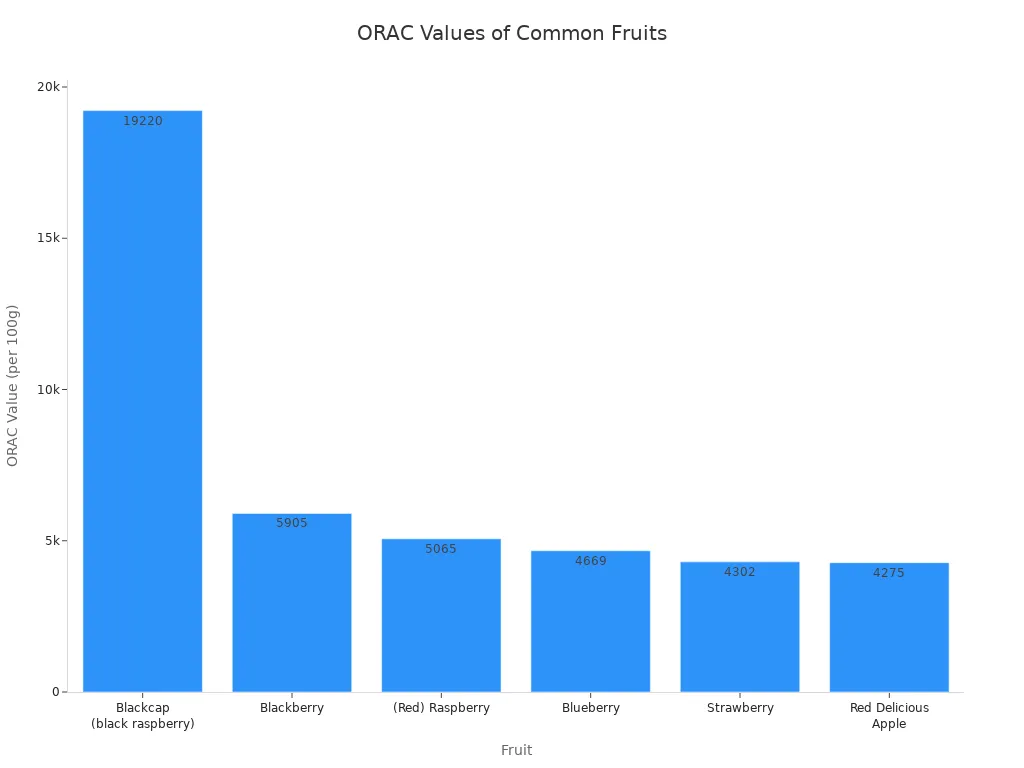
The Oxygen Radical Absorbance Capacity (ORAC) value measures the antioxidant strength of foods. Red raspberries have a high ORAC value, indicating their strong ability to neutralize free radicals. For instance, red raspberries have an ORAC value of 5,065 per 100 grams. This is comparable to or higher than many other popular fruits like blueberries and strawberries. This makes red raspberries an excellent choice for boosting your body’s defenses.
Fruit | ORAC Value (per 100 grams) |
|---|---|
Blackcap (black raspberry) | 19,220 |
Blackberry | 5,905 |
(Red) Raspberry | 5,065 |
Blueberry | 4,669 |
Strawberry | 4,302 |
Red Delicious Apple | 4,275 |
The rich blend of these antioxidants in red raspberries nutrition helps protect cells from oxidative stress. This can reduce the risk of chronic diseases.
The Health Benefits of Raspberries: Protecting Your Body
Red raspberries offer many health benefits. Their rich nutritional profile helps protect the body in various ways. These benefits come from their unique blend of fiber, vitamins, minerals, and powerful antioxidants.
Blood Sugar Control and Heart Health Support
Red raspberries are excellent for managing blood sugar. They are a low-glycemic index fruit. They contain few carbohydrates but have a high amount of dietary fiber. One cup of frozen red raspberries provides nearly 9 grams of dietary fiber. This makes them one of the highest fiber sources among whole foods. Eating red raspberries can improve the body’s insulin response and glucose metabolism. Studies show that raspberry seed flour can reduce high fasting insulin levels and improve glucose control, even with a high-fat and high-sugar diet. This makes them beneficial for blood sugar control and diabetes management.
The fiber in raspberries also supports heart health. Fiber helps lower cholesterol levels. Polyphenols, flavonoids, and dietary fiber in raspberries may reduce total cholesterol and “bad” LDL cholesterol. They can also improve “good” HDL cholesterol. Anthocyanins, which are abundant in raspberries, have lipid-lowering and antioxidant effects.
These effects are important for a healthy heart. A review of studies found that eating raspberries can reduce total cholesterol in overweight people over 35 with high cholesterol. LDL cholesterol also decreased in those who ate raspberries for over eight weeks. HDL cholesterol levels increased in groups consuming black raspberries, especially in women and obese individuals.
Raspberry ketone treatment can reduce fat buildup by stopping fat production and increasing fat burning. This suggests it helps lower blood cholesterol. Raspberries also help lower cholesterol by reducing cholesterol production in the liver and increasing the removal of bile acids. The fiber content also contributes to satiety, which can aid in weight loss and overall weight management.
Boosting Immunity and Reducing Inflammation
Raspberries significantly boost the immune system. They are rich in vitamin C and other vital nutrients. These include phytochemicals like ellagic acid, quercetin, and anthocyanins. These compounds act as powerful antioxidants. They also have anti-inflammatory properties. These properties help the immune system by reducing oxidative stress in the body.
Ellagitannins are a main type of tannin in raspberries. They decrease inflammation and increase the body’s natural antioxidant enzymes. Ellagic acid, a product of ellagitannins, has shown promise in immune function studies. Other phenolic compounds in red raspberries, such as hydroxycinnamic acids and flavonols, also contribute to their immune-boosting effects.
Red raspberries also help reduce inflammation. In lab tests, red raspberry extract (RRE) slowed the breakdown of cartilage components. In animal studies, RRE significantly inhibited inflammation, joint damage, and bone loss in arthritis models. The beneficial effects likely come from the polyphenols in RRE and their active forms after digestion. These findings suggest raspberries can help reduce inflammation throughout the body.
Supporting Bone Health and Disease Prevention
Red raspberries play a role in disease prevention. They contain polyphenols like anthocyanins and ellagitannins. These compounds help reduce chronic inflammation and protect cells from damage. Their high fiber and low sugar content, along with anthocyanins, give them a low glycemic index. This prevents blood sugar spikes and can help prevent diabetes. It also aids in diabetes management.
Antioxidants like vitamin C, anthocyanins, and ellagitannins are linked to lower cholesterol, reduced blood pressure, and less plaque buildup in arteries. This protects against heart disease. Research also suggests that phytonutrients in red raspberries may slow the aging process. They can reduce the risk of certain diseases, including cancers, stroke, high blood pressure, cataracts, and osteoporosis.
A study from Clemson University showed that red raspberry extract had strong effects against various cancer cells in lab dishes. These included gastric, prostate, colon, and breast cancers. The study also found that raspberry compounds could improve immune responses in participants. A review in ‘Advances in Nutrition’ highlights that components in red raspberries have anti-inflammatory, anti-oxidative, and metabolic stabilizing activities.
This suggests they can reduce the risk of chronic diseases like cardiovascular disease, diabetes, and obesity. Their benefits also extend to brain health and reducing the risk of Alzheimer’s disease. The fiber content also supports healthy digestion, which is crucial for overall well-being and weight loss.
Cognitive Function and Anti-Aging Properties
Red raspberries can also support brain health. A mouse study showed that adding red raspberries to the diet could lessen the negative effects of a high-fat diet on the brain and behavior. Mice given raspberries performed better on memory tests.
The study also found that raspberries reduced inflammation in the brain and increased a protein important for learning and memory. This suggests red raspberries may protect against brain problems caused by unhealthy diets. Human studies are currently exploring how raspberries affect cognitive function in older, overweight adults. Researchers believe raspberries can improve metabolic balance and lead to better cognitive performance.
Red raspberries also have anti-aging properties. Red raspberry extract protects the skin from sun damage. This protection comes from its antioxidant and anti-inflammatory actions. It helps prevent damage to DNA and proteins caused by UV radiation. It also reduces skin redness and swelling.
Raspberries contain flavonoid phytochemicals like anthocyanins, ellagic acid, and quercetin. These powerful antioxidants offer health benefits against aging and inflammation. Red raspberry seed oil is rich in vitamins A and E, and essential fatty acids. These components protect the skin, replenish moisture, and improve skin condition. They help plump the skin, contributing to a more youthful appearance. The fiber in raspberries also contributes to overall health, which supports healthy aging and weight loss efforts.
Enjoying Red Raspberries: Easy Ways to Incorporate Them

Red raspberries are easy to add to your daily diet. They offer great taste and many health benefits. You can enjoy them fresh or frozen. Both options provide excellent nutrition. Frozen raspberries keep their nutritional value well. This makes them a convenient choice all year round.
Fresh vs. Frozen: Maximizing Convenience and Nutrition
Both fresh and frozen raspberries offer great nutritional benefits. Frozen raspberries are picked at their peak ripeness. They are then quickly frozen. This process locks in their vitamins, minerals, and antioxidants. You can use frozen raspberries in smoothies, baked goods, or sauces. Fresh raspberries are perfect for snacking or adding to salads.
Simple Recipes and Snack Ideas with Red Raspberries
Many simple recipes use raspberries. For breakfast, try Streusel-topped raspberry muffins or Berry yogurt parfait with granola and honey. You can also make Baked Raspberry Chocolate Chip Oatmeal. This is a healthy, make-ahead breakfast. It can even be frozen. For dinner, consider Raspberry chipotle chicken curry or Pistachio crusted chicken with raspberry mustard sauce. These dishes add a unique flavor. If you like desserts, a Chocolate Tart With Fresh Raspberries is easy to make. A 5-Minute Raspberry Sauce is quick and simple. Adding raspberries to your meals helps create a delicious and high fiber meal.
Tips for Selecting and Storing Your Berries
When selecting raspberries, look for a fully red, ripe berry. Avoid light-colored or squished ones. A good raspberry feels firm, juicy, and sweet. Nick Moless, a produce expert, suggests looking for a “deep, rich, and vibrant color.” He also advises that ripe raspberries should be “plump, rounded, and full.” When buying in stores, check the container. Make sure the fruit is dry and free from moisture or mold. Wet raspberries can grow mold quickly.
Store raspberries at 0 to 1 °C in the refrigerator. They have a very short shelf-life without refrigeration, usually just one day. Keeping them cold helps them last longer.
Red raspberries offer impressive red raspberries nutrition. They provide fiber, vitamins, and antioxidants. These components contribute to many health benefits. The health benefits of raspberries include improved heart health, better blood sugar management, and stronger immunity. Raspberries also help prevent various diseases. Regularly include this naturally sweet fruit in your diet. Enjoy the delicious and healthful advantages of these amazing raspberries for enhanced well-being. These small berries pack a powerful punch.
FAQ
Are red raspberries good for weight loss?
Yes, red raspberries help with weight loss. They are low in calories and high in fiber. Fiber makes one feel full, which can reduce overall food intake. This supports healthy weight management.
Can diabetics eat red raspberries?
Yes, diabetics can eat red raspberries. They have a low glycemic index and high fiber content. This helps manage blood sugar levels. Raspberries can improve insulin response and glucose metabolism.
What is the best way to eat red raspberries?
One can enjoy red raspberries fresh or frozen. Add them to smoothies, yogurt, or oatmeal. They also make great additions to salads or desserts. Both forms retain their nutritional value.
Do frozen raspberries lose nutrients?
No, frozen raspberries do not lose significant nutrients. They are picked at peak ripeness and quickly frozen. This process locks in their vitamins, minerals, and antioxidants. They remain a nutritious choice.