


Rice stands as a cornerstone of global diets. More than half of the world’s population relies on rice as their primary staple food. This grain provides significant energy and vital nutrients. It accounts for approximately 21% of the global per capita caloric intake. This blog explores rice nutrition, its role in providing fuel, and its versatile uses in a healthy diet. Rice offers more than just calories; it provides essential components for well-being.
Key Takeaways
Rice gives your body energy. It has carbohydrates that help you stay active.
Brown rice is healthier than white rice. It has more fiber, vitamins, and minerals.
Rice is good for athletes. It helps them get energy before and after exercise.
Rice can help you manage your weight. Whole grain rice makes you feel full.
Rice does not have gluten. This makes it a safe food for people who cannot eat gluten.
Rice Nutrition: Profile & Benefits
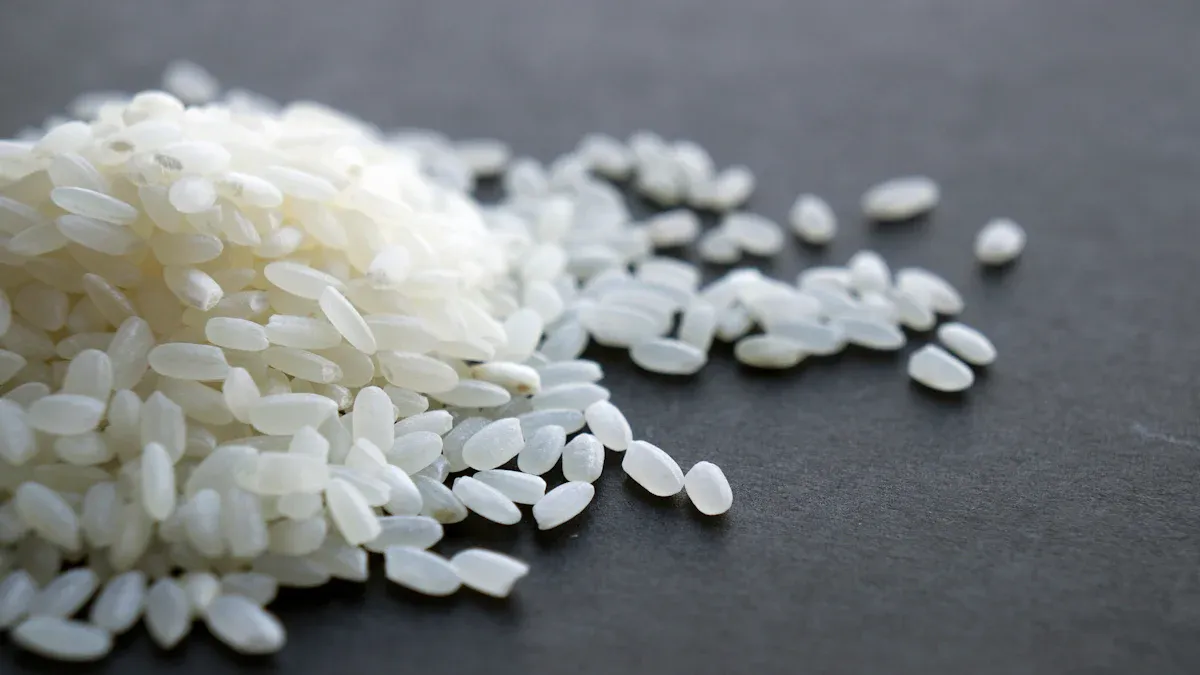
Rice offers more than just simple calories. It provides a range of essential nutrients. The specific nutritional qualities of rice vary between white and brown varieties. Brown rice, a whole grain, generally contains more nutrients than refined white rice.
Macronutrients: Carbs, Protein, Fat
Rice primarily serves as a source of complex carbohydrates. These carbohydrates provide the body with its main energy supply. A 100-gram serving of cooked white rice contains a significant amount of carbohydrates.
Nutrient | Value per 100g |
|---|---|
Carbohydrates | 28.17g |
Protein | 2.69g |
Fat | 0.28g |
This table shows that cooked white rice offers about 28-31 grams of carbohydrates. It also provides a modest amount of protein, typically around 3 grams per 100 grams cooked. The fat content in rice is negligible. Brown rice contains slightly fewer carbohydrates but more protein and healthy fats due to its bran and germ layers.
Key Nutritional Benefits: Vitamins & Minerals
Rice delivers important vitamins and minerals. These nutritional benefits contribute to overall health. Enriched white rice often contains added B vitamins. These include thiamine, niacin, and folic acid.
Nutrient | Amount (per 100g) |
|---|---|
Thiamine | 1 mg |
Niacin | 8 mg |
Folate (B9) | 427 µg |
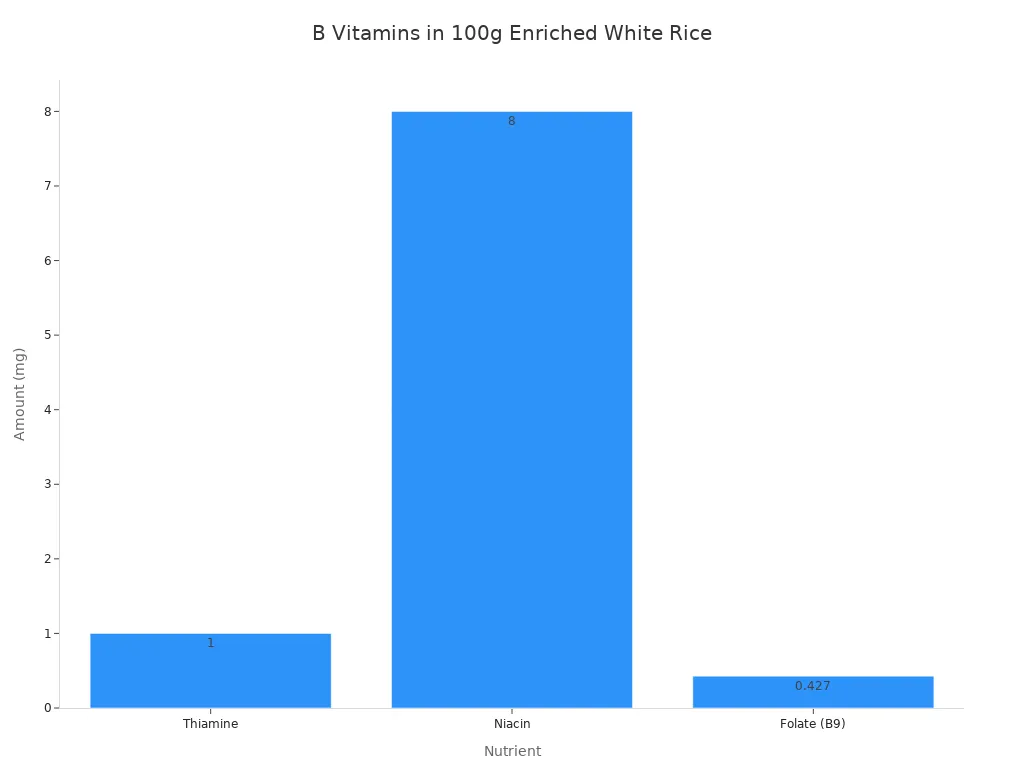
These B vitamins are crucial for energy metabolism and nerve function. Brown rice, as a whole grain, naturally contains higher levels of these B vitamins. It also provides essential minerals. These minerals include manganese, selenium, and magnesium. US-grown rice is often packed with these vital nutrients.
Mineral | Quantity (per 100g) |
|---|---|
Magnesium | 39 mg |
Manganese | 0.974 mg |
Selenium | 5.8 µg |
Brown rice also offers iron, potassium, phosphorus, and zinc. These minerals support various bodily functions, from bone health to immune response.
Fiber Content & Digestion
Dietary fiber plays a key role in digestive health. Brown rice and wild rice are good sources of fiber. Cooked medium-grain brown rice contains 1.8 grams of dietary fiber per 100-gram serving. This fiber aids in regular bowel movements. It also helps regulate blood sugar levels. Fiber contributes to a feeling of fullness, which can help with satiety. White rice, however, has a low fiber content because the milling process removes the bran and germ.
Energy & Health Benefits of Rice
Rice fuels the body and offers broader health advantages. It provides both quick and sustained energy, making it a valuable food for daily activities and athletic performance. The specific type of rice consumed influences its energy release and overall health benefits.
Sustained Energy Release
Rice provides quick energy because it contains easily digestible carbohydrates. These carbohydrates are the body’s primary energy source. Complex carbohydrates, especially those found in whole grain rice, offer steady energy. This steady release prevents sudden blood sugar spikes and crashes. It is ideal for daily activities and athletes.
Brown rice’s fiber content helps regulate blood sugar levels. This provides sustained energy and prevents energy spikes and crashes. Brown rice is excellent for situations requiring long-lasting energy, such as busy workdays or hikes. White rice, lacking fiber and digesting faster, offers a quicker energy boost rather than a sustained release.
Researchers have investigated the molecular structure of rice starch to slow digestion and lower the glycemic response. They found that a slower glucose release, achieved through specific rice varieties, links to sustained energy levels. This research aims to develop rice types with low glycemic index properties for health benefits, including sustained energy.
Glycemic Index & Blood Sugar
The glycemic index (GI) is a scoring system. It ranks foods from 0 to 100 based on how much they increase blood sugar. A lower GI score indicates a lower and slower rise in blood sugar after consumption. Rice can raise blood sugar, but different types have varying effects.
Rice Type | Glycemic Index (GI) |
|---|---|
White Rice | 73 ± 4 |
Brown Rice | 68 ± 4 |
White rice typically has a higher GI than brown rice. This means white rice causes a faster and higher rise in blood sugar. Brown rice, with its fiber, leads to a more gradual increase. Several factors can influence the GI of rice. Cooking with fat or acid, such as coconut oil or lemon juice, can lower GI by slowing glucose absorption. Overcooking increases GI, so aiming for al dente is better.
Boiling rice in excess water and draining it removes some starch, reducing GI by 20-25%. Cooling and reheating rice increases resistant starch, which also lowers GI. Soaking rice for at least 30 minutes before cooking can lower its GI by reducing starch content. Basmati rice, with a GI of 50-58, has a high amylose content.
This slows digestion and leads to a gradual increase in blood sugar, preventing spikes. Standard white rice varieties, like Jasmine and Long Grain, have a GI of 70-90. They cause rapid digestion and quick blood sugar spikes. Brown rice, a whole grain, has a GI of 50-55. Its higher fiber content results in slower digestion and a steady rise in blood sugar. Parboiled rice (Sella Rice) has a GI of 48-65. Its altered starch structure is more resistant to digestion, leading to a moderate increase in blood sugar without rapid spikes.
Pre- & Post-Workout Fuel
Rice is an effective and easily digestible energy source for athletes. It serves as excellent pre-exercise fuel and helps with post-exercise glycogen replenishment. Two-time Olympian Molly Huddle favors rice-based foods for their easy digestibility and palatability. She states, “Any rice-based food, I noticed, always sat really well with me. Put a little sugar on the rice, and there you go.”
Other elite athletes, like middle-distance runner Hobbs Kessler and cyclist Nick Schultz, also rely on rice-based treats for fueling. Sports dietitian Meghann Featherstun supports this. She explains that simple carbohydrates, like those in processed white rice and sugar, are excellent for performance and replenishing glycogen stores.
Recent research indicates endurance athletes can absorb and utilize significantly higher amounts of carbohydrates, up to 100-120 grams per hour, than previously thought. A study involving endurance-trained male runners investigated the impact of a pre-exercise meal containing jasmine rice on 21 km running performance. The rice-based meal specifically improved performance compared to a control. This suggests a pre-exercise carbohydrate meal with rice can be a beneficial strategy for endurance exercise performance.
Weight Management & Chronic Disease
Rice can contribute to healthy weight management. Some rice types are lower in calories and rich in key nutrients. Brown jasmine rice offers more fiber, iron, and B vitamins. B vitamins are crucial for energy metabolism, which supports healthy weight management. Black rice, a whole grain, contains anthocyanins (antioxidants) and provides 4 grams of protein per quarter cup (uncooked).
Protein is essential for weight management by balancing blood sugars and promoting satiety. The 2020-2025 Dietary Guidelines for Americans link whole grain consumption to positive health outcomes. They suggest that half of total grain intake should be whole grains, like brown rice varieties. Parboiled rice contains resistant starches, which are prebiotics beneficial for gut health.
Its resistant starches may help maintain healthy blood sugars, aiding metabolism and weight management. Brown basmati rice is richer in fiber, iron, and calcium compared to its white counterpart. A 2018 review in Antioxidants associated brown rice with better blood sugar control due to its lower glycemic index.
Brown rice also protects against chronic disease. A meta-analysis indicated an 11% reduction in the risk of type 2 diabetes associated with brown rice consumption. However, this finding came from only three cohort studies in Western populations. More data is needed for Asian populations where white rice is more commonly consumed. Epidemiological evidence specifically linking brown rice intake to chronic disease risk is limited. Many previous studies did not differentiate between white and brown rice in their questionnaires.
This was because brown rice was not a common food globally. A study involving forty overweight women compared meal replacements containing white rice or a mixture of brown and black rice. Both groups showed significant reductions in weight, BMI, and body fat percentage. However, the brown and black rice group exhibited significantly lower levels in all three parameters. This suggests that meal replacement with mixed rice was superior to white rice for weight control and improving antioxidant enzyme activity. These health benefits of rice highlight its role in a balanced diet.
Versatile Uses in a Healthy Diet
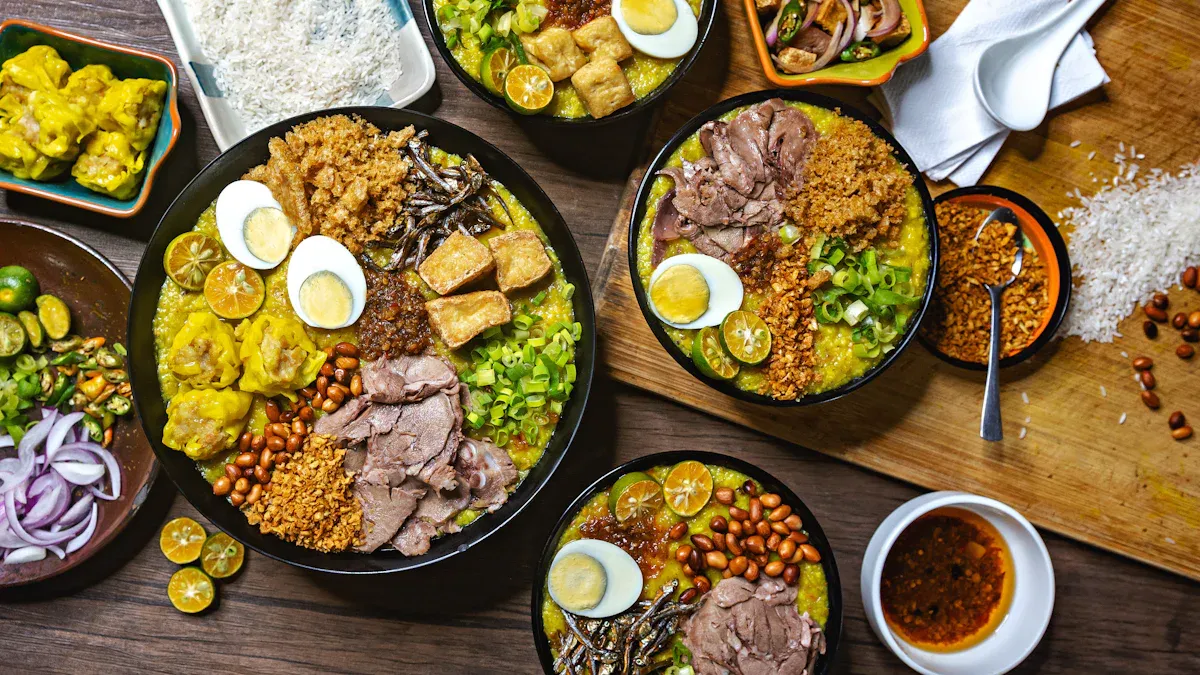
Rice offers many ways to include it in meals. People around the world use rice in diverse dishes. It fits into both savory main courses and sweet desserts.
Culinary Applications
Many cultures feature rice as a main dish. Here are some examples of savory rice dishes from different places:
Dish Name | Origin | Description |
|---|---|---|
Akhni | Bangladesh | Mixed rice and meat dish, a variant of pilaf. |
Albaloo polo | Iran | Sour (morello) cherries in pilaf rice, usually made with spices. |
American fried rice | Thailand | Rice fried with tomato ketchup and raisins. |
Rice and curry | Indian subcontinent | A meal of plain, spiced, or fried rice served with several other dishes. |
Risotto | Italy | Rice dish made by first frying in butter, then adding broth. |
Rice also appears in many sweet treats. These desserts show the versatility of rice:
Rice Pudding: A worldwide favorite, known as Kheer in India or Arroz con Leche in Latin America. It includes rice, milk, cinnamon, and sugar.
Mochis: Japanese round, bite-sized rice cakes made with glutinous rice flour. They often have sweet or savory fillings.
Mango Sticky Rice: A Thai dessert with sticky rice cooked in coconut milk, served with fresh mango.
Horchata: A creamy, chilled Latin American rice-based drink.
Gluten-Free Option
Rice is a naturally gluten-free grain. This makes it a safe and nutritious choice for people with celiac disease or gluten sensitivity. They can enjoy rice without worry.
Balanced Meal Planning
You can easily add rice to balanced meals. Pair it with proteins, vegetables, and healthy fats for good nutrition.
Beans and rice: The protein and fiber in beans balance the starches in rice. This helps prevent blood-sugar spikes.
Salmon, broccoli, and wild rice: This combination helps bone health. Salmon and broccoli provide calcium. Wild rice offers vitamin K.
Consider these tips for meal planning with rice:
Batch Cooking: Cook a large amount of rice at the start of the week. Use it in grain bowls or stir-fries.
Mix It Up: Try different types of rice, like brown, black, or red. This adds more nutrients.
Balance Your Meals: Combine rice with lean proteins, healthy fats, and many vegetables. This creates a well-rounded diet. For example, serve brown rice with grilled chicken and roasted vegetables.
In summary, rice offers comprehensive rice nutrition. It provides essential nutrients and serves as an effective source of sustained energy. Its adaptability in various culinary contexts makes rice a staple food worldwide. This versatile grain plays an enduring role as a foundational component of a healthy and balanced diet. Rice contributes significantly to overall well-being. People consume rice in many forms. This grain provides vital sustenance. The benefits of rice are clear. Enjoy rice in your meals.
FAQ
What is the main benefit of eating rice?
Rice provides sustained energy. Its complex carbohydrates fuel the body for daily activities. It also offers essential vitamins and minerals for overall health.
Is brown rice better than white rice?
Brown rice has more fiber, vitamins, and minerals. White rice is easier to digest and gives quicker energy. Both types of rice offer benefits.
Can rice help with weight management?
Yes, rice can fit into a healthy weight management plan. Whole grain varieties, like brown or black, offer fiber and nutrients. These promote fullness and support a balanced diet.
Is rice good for athletes?
Yes, this grain is excellent for athletes. It provides easily digestible carbohydrates for pre-workout fuel. It also helps replenish glycogen stores after exercise.
Is rice gluten-free?
Yes, rice is naturally gluten-free. It is a safe and nutritious grain. People with celiac disease or gluten sensitivity can enjoy rice without worry.