

In mammals and birds, conscious brain activity allows pain and distress during slaughter, while an effective stun is intended to cause rapid unconsciousness before bleeding begins. Your welfare concerns can start during handling, transport, or restraint before the final procedure.
Below, you can examine pre-slaughter handling, animal sentience and nociception, stunning methods, religious practices, species differences, and legal oversight in practical terms.
Consciousness Determines the Immediate Risk of Pain
Physical movement does not automatically prove awareness. A leg can kick after death, and a bird can flap after an effective stun, because spinal reflexes can continue without conscious brain processing. The key welfare issue is sensibility: whether the brain can still perceive injury, fear, or surroundings.
Nociception and Pain Are Related but Not Identical
Nociception is the nervous system’s detection of potentially damaging pressure, heat, or tissue injury. Sensory nerves send signals through the spinal cord toward the brain, but a signal alone does not prove that a conscious feeling occurred. Pain requires brain processing and subjective awareness.
Mammals and birds are widely regarded as sentient animals capable of pain and distress. You can separate a reflex from conscious awareness by looking for rhythmic breathing, coordinated eye responses, purposeful vocal sounds, focused movement, or an attempt to rise after a stun.
| Term | What it describes | Why it matters during slaughter |
|---|---|---|
| Nociception | Detection of damaging stimuli by nerves | A nerve signal can occur without conscious experience after effective brain disruption. |
| Pain | A conscious unpleasant sensory experience | A conscious neck cut, injury, or failed stun creates a pain risk. |
| Fear | A response to an immediate threat | Restraint, isolation, noise, and unfamiliar surroundings can trigger fear before stunning. |
| Stress | Body and behavior changes under challenge | Heat, crowding, fatigue, and rough movement can add distress before death. |
| Unconsciousness | Loss of awareness and perception | A successful stun aims to reach this state before exsanguination. |
Animals Respond to Immediate Threats
An animal is not known to understand slaughter as a future event in the human sense. Still, it does not need that forecast to become frightened. Separation from a familiar group, blood odor, metal gates, sharp shadows, loud machinery, and close restraint can all signal immediate danger.
Those immediate signals explain why pre-slaughter handling matters as much as the final seconds. Handling, restraint, stunning, and bleeding form connected welfare stages, an approach reflected in World Organisation for Animal Health guidance. A technically effective final procedure cannot erase distress created during the preceding hour.
Consciousness is the dividing line. A physical response after stunning does not by itself show pain, but signs of restored awareness require immediate action.
Once you distinguish conscious experience from reflex activity, the broader sequence becomes clearer. The route into a slaughter facility can shape fear, fatigue, and physical strain well before any stun occurs.
That burden begins before the killing floor, where transport, unloading, and restraint can intensify distress.
Pre-Slaughter Handling Creates Earlier Welfare Risks
Transport trucks, unloading ramps, holding pens, and narrow raceways can create distress before restraint begins. Slaughter is a chain of events, so a calm final minute cannot fully offset injury, overheating, panic, or exhaustion that occurred earlier.
Each Stage Adds a Distinct Welfare Burden
- Loading and departure: Steep ramps, slippery surfaces, electric prods, and rushed movement can cause falls or fear before transport starts.
- Transport and weather: Heat, cold, poor ventilation, thirst, and long travel times can strain animals during the journey.
- Lairage and mixing: Holding pens can expose animals to unfamiliar groups, social conflict, noise, and prolonged waiting.
- Movement to restraint: Narrow passages, visual distractions, sharp turns, and harsh handling can make animals balk or panic.
- Stunning and bleeding: Restraint must hold the animal securely enough for accurate equipment use without adding avoidable pain or fear.
- Death verification: Staff must confirm unconsciousness and death before further processing occurs.
Consider a cattle raceway with a bright patch of sunlight across the floor. Cattle may stop at that contrast because glare and apparent depth can be difficult to interpret from their position. Covering the glare, reducing clanging chains, and using curved solid-sided lanes can reduce balking without force.
Stockmanship Changes the Experience Before Restraint
Temple Grandin’s livestock-handling work drew attention to small environmental triggers, including dangling objects, reflections, air blowing toward an animal’s face, and abrupt floor changes. Calm handling depends on these design details, not simply on a quiet voice.
- Use non-slip footing: Secure footing reduces falls, scrambling, and the panic that can follow a loss of balance.
- Limit loud noise: Metal banging and shouting can heighten fear and make movement less predictable.
- Keep groups stable: Sheep and cattle may move more readily with familiar companions than in forced isolation.
- Reduce waiting time: Shorter holds can limit thirst, heat load, fatigue, and conflict in pens.
- Train handlers well: Calm positioning and patient movement reduce reliance on force during difficult moments.
Your attention should move next to stunning because upstream handling affects its accuracy. A frightened animal that moves violently or is poorly positioned is harder to restrain and harder to stun correctly.
Proper positioning and calm restraint therefore become essential to delivering a prompt, reliable loss of consciousness.
Effective Stunning Creates Rapid Unconsciousness
Stunning seeks to disrupt brain function quickly enough that bleeding begins only after consciousness has ended. The practical distinction is between a properly delivered stun and a procedure that immobilizes an animal without making it insensible.
Common Systems Use Different Physical Mechanisms
| Method | Common settings and species | Core welfare point |
|---|---|---|
| Captive-bolt stunning | Cattle, sheep, goats, and some pigs | A bolt strikes the skull to cause severe brain disruption; placement and equipment condition are central. |
| Electrical head-only stunning | Sheep, goats, pigs, and poultry | Current passing through the brain induces an epileptiform seizure and rapid unconsciousness. |
| Electrical water-bath stunning | Chickens and turkeys on high-speed lines | A bird’s head contacts electrified water, making reliable contact and suitable settings essential. |
| Controlled-atmosphere stunning | Pigs and poultry | Gas mixtures induce unconsciousness, but some gases can cause marked aversion before awareness ends. |
Captive-bolt stunning is not a firearm shot. A powered bolt enters or concusses the skull, depending on equipment type, with the aim of causing immediate loss of sensibility. Accurate placement matters because thick bone, horn position, and head movement can change the bolt’s path.
Electrical stunning works through the brain’s electrical activity. Adequate current across the head can trigger a generalized seizure and unconsciousness, but weak current, poor electrode contact, or a brief application can leave an animal conscious or allow recovery before bleeding is complete.
Gas Exposure Can Cause Distress Before Unconsciousness
Controlled-atmosphere systems are used in some pig and poultry plants because animals can remain in groups during the process. Carbon dioxide becomes acidic after dissolving in moist tissue and forming carbonic acid. High carbon-dioxide concentrations can stimulate nasal and respiratory receptors, causing breathlessness and aversion before loss of consciousness.
That trade-off matters for your evaluation of gas systems. Group handling can reduce some restraint pressure, but it does not automatically create a low-distress process. The European Food Safety Authority identifies high-concentration carbon-dioxide exposure as a substantial welfare concern for pigs.
A successful stun must be rapid and sustained. An animal that regains sensibility before death faces renewed pain risk during bleeding and handling.
Equipment alone cannot secure that outcome. Human error, rushed line speed, poor maintenance, and weak verification can turn a planned safeguard into a welfare failure.
When those safeguards break down, the interval before and during bleeding becomes the central welfare concern.
Stunning Failures and Bleeding Can Extend Suffering
A mis-stun is not a minor technical defect. It can leave an animal conscious after a procedure intended to end awareness, so animal-welfare standards require prompt corrective action rather than waiting for the next processing stage.
Common Breakdowns Have Recognizable Causes
- Worn equipment: Damaged captive-bolt devices or poor electrode surfaces can reduce the force or current needed for effective insensibility.
- Wrong bolt placement: A misplaced shot may fail to disrupt the brain sufficiently, especially around horns or heavy skull structures.
- Weak electrical contact: Dry feathers, poor electrode pressure, or unsuitable current can leave the brain inadequately stunned.
- Short gas exposure: Removing animals before unconsciousness is established can leave them aware during the next step.
- Rushed restraint: Sudden movement can disrupt aim, contact, or timing at the moment precision is needed.
- Slow response: Delays in using a backup method extend the period during which an animal may remain conscious.
Signs of unconsciousness must be checked rather than assumed from collapse. Staff can look for absent rhythmic breathing, no corneal or eyelid reflex, no righting attempt, no focused eye movement, and no purposeful vocalization. That approach aligns with American Veterinary Medical Association guidance on humane killing practice.
Conscious Bleeding Creates a Variable Interval
Exsanguination, also called bleeding, severs major blood vessels so blood pressure to the brain falls. A conscious neck cut can cause pain from the incision, followed by fear and distress until cerebral blood flow drops enough for unconsciousness. The interval is not a fixed number.
Cattle present a specific concern because vertebral arteries can continue sending blood toward the brain after the carotid arteries are cut. Clotting at the cut ends can also slow blood loss in some cattle. You cannot infer unconsciousness from collapse alone because a fallen animal may still retain sensibility.
How long do animals remain conscious after slaughter depends on species, vessel anatomy, completeness of the cut, blood-pressure changes, and whether a prior stun worked. A clean, complete cut reduces delay compared with an incomplete cut, but it does not remove the welfare concern for a conscious animal.
Those variables explain why a single label cannot settle whether animals are slaughtered humanely. Species, body structure, equipment condition, staff response, and production pace change the risk profile.
These variables also explain why risks differ markedly among animals and across high- and low-throughput operations.
Species and Production Systems Have Different Risks
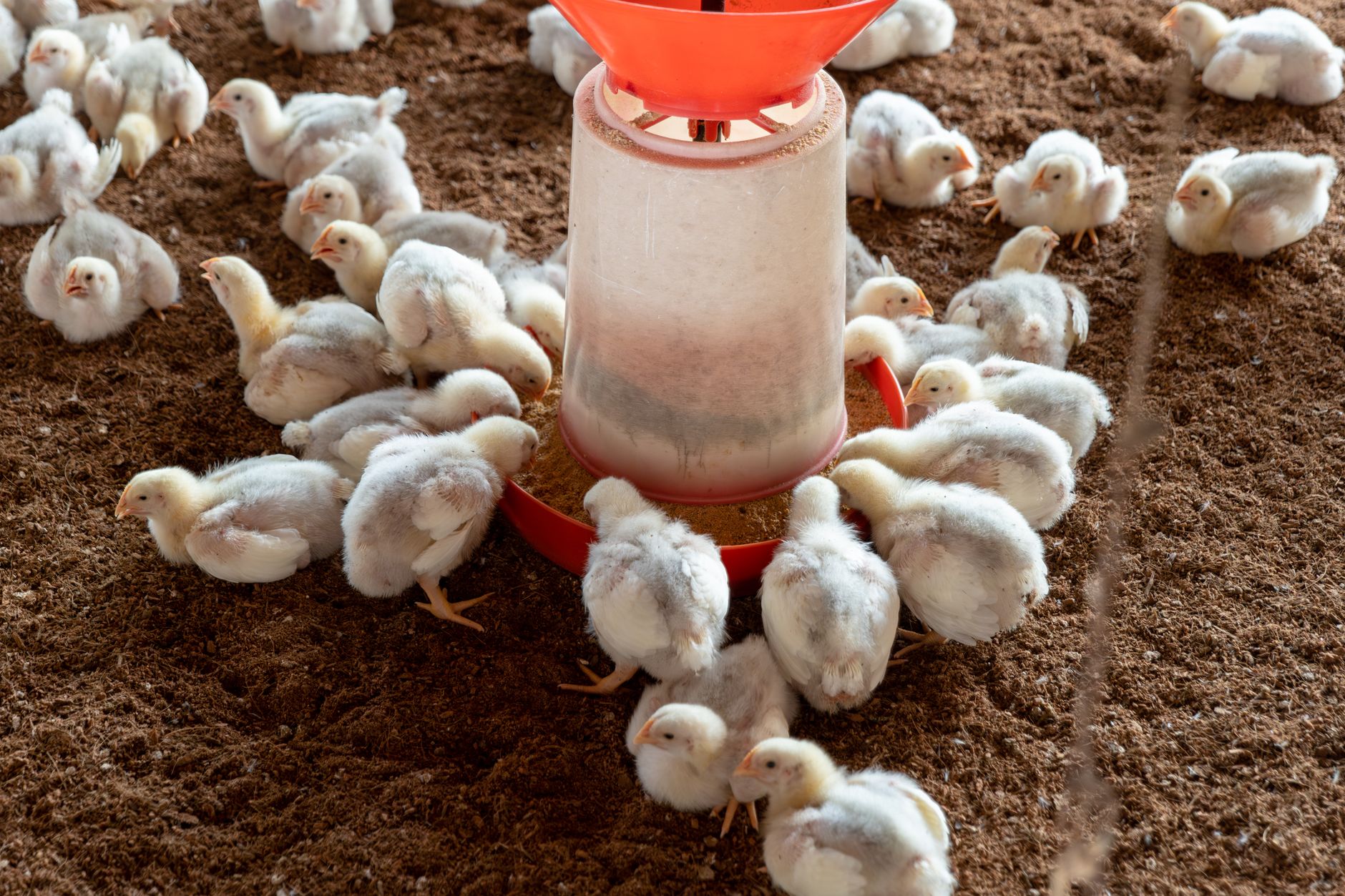
A pig entering a gas chamber, a steer in head restraint, and a chicken on a processing line face different hazards. You get a clearer answer by looking at the animal and the system together instead of assigning a moral label to a method in isolation.
| Species | Frequent restraint and stun approach | Distinct welfare risks | Useful verification focus |
|---|---|---|---|
| Cattle | Head restraint with captive bolt, then bleeding | Head movement, inaccurate placement, delayed loss of awareness after non-stun neck cutting | Breathing, eye reflexes, attempts to lift the head, and purposeful motion |
| Sheep | Group movement, electrical head stun, or captive bolt | Wool can interfere with electrical contact; horn position can complicate bolt placement | Absence of eye response and coordinated movement after the stun |
| Pigs | Electrical stunning or controlled-atmosphere exposure | Carbon-dioxide aversion, poor electrode contact, stress from close handling | Breathing pattern, posture, and lack of recovery before bleeding |
| Poultry | Electrical water-bath stunning or controlled-atmosphere systems | Shackling distress, missed water-bath contact, variable electrical exposure, high line speed | Head position, wing control, breathing, and response during handling |
Cattle and Sheep Require Anatomical Precision
Cattle have thick skulls, variable head shapes, and vascular features that can delay loss of consciousness after a neck cut without stunning. A calm, stable head position supports accurate captive-bolt use. Risk rises where restraint is weak, staff are hurried, or a backup bolt device is not ready.
Sheep are flock animals, so isolation can create strong fear responses. Their wool also matters during electrical stunning because dry fleece can impair contact at the head. Horns may alter practical captive-bolt placement, making species knowledge more than a classroom detail.
Pigs and Poultry Show Production-Scale Risks
Pigs may move through controlled-atmosphere systems in small groups, reducing some individual handling pressure. But high carbon-dioxide exposure can be strongly aversive before unconsciousness. The welfare trade-off is direct: less individual restraint does not erase respiratory distress.
Poultry systems move large numbers of birds through a line, so small variations can repeat rapidly. Shackling conscious birds by the legs can cause distress, while electrical water-bath stunning depends on each head reaching the electrified bath correctly. Your assessment should include line speed because it affects staff ability to notice and correct failures.
Method-specific review becomes even more important in halal slaughter and kosher shechita. Religious requirements, facility procedures, and local law can differ sharply across countries and certifiers.
Method-specific questions become especially important when religious slaughter practices introduce distinct procedural and regulatory considerations.
Halal and Kosher Practices Need Method-Specific Review
Halal slaughter is not one uniform procedure. Some halal facilities use a reversible electrical stun accepted by their certifier, while others perform the neck cut without prior stunning. You need the actual process, not the label alone, to assess the immediate welfare risk.
Consciousness at the Cut Changes the Main Concern
A conscious animal can experience pain and distress from neck cutting until unconsciousness occurs. An effective pre-stun that remains permissible under a halal standard changes that immediate risk by aiming to end sensibility before the cut.
Reversible stunning is designed so an animal could recover in the absence of bleeding, although practical details differ by species and certifying body. Views on acceptable stunning vary among Islamic scholars, regions, and halal organizations. Both pre-stunned and non-stunned halal meat appear in the marketplace.
| Practice | Relationship to stunning | Welfare issue requiring scrutiny |
|---|---|---|
| Halal with reversible pre-stunning | A stun occurs before the neck cut | Whether the procedure causes rapid unconsciousness and prevents recovery before death |
| Halal without prior stunning | The neck cut occurs while the animal is conscious | Pain at the cut and the interval before loss of consciousness |
| Kosher shechita | Rules vary by jurisdiction; prior stunning is not part of traditional practice | Restraint quality, cut quality, and the interval before sensibility ends |
Kosher and Halal Rules Are Distinct
Kosher shechita follows Jewish religious law and has requirements separate from halal practice. Neither term describes a single global production system. Civil law may require prior stunning, permit a religious exemption, restrict certain restraints, or impose separate inspection rules.
Concerns about conscious neck cutting center on pain, restraint, and the time before sensibility ends. The RSPCA argues for pre-stunning on those welfare grounds, while religious communities may weigh spiritual, legal, and procedural questions differently. Clear reporting should identify the stun status, species, restraint method, and jurisdiction instead of relying on slogans.
A religious label does not tell you whether a pre-stun occurred. Ask for the facility method, species, and rule used by its halal or kosher authority.
Those details lead directly to oversight. Written rules can require a minimum process, but rules do not observe every animal or correct every equipment failure.
Enforceable standards still matter, but their protections depend on how national systems define, inspect, and enforce them.
US and UK Rules Set Different Minimum Standards
In the United States, the Humane Methods of Slaughter Act requires humane handling and slaughter for covered livestock at federally inspected establishments. The statute covers livestock such as cattle, calves, horses, mules, sheep, swine, and other livestock, while poultry falls under a different regulatory structure.
Federal Coverage Has Important Limits
Federal inspection can identify handling and slaughter concerns in plants that process meat and poultry. The USDA Food Safety and Inspection Service, known as FSIS, oversees federal meat and poultry inspection. Poultry protection under the Humane Methods of Slaughter Act is not identical to livestock coverage, even though poultry makes up a large share of animals processed for food.
Religious slaughter is addressed through an exemption in the federal statute for ritual methods involving rapid loss of consciousness through simultaneous and instantaneous severance of carotid arteries with a sharp instrument. That legal wording does not resolve every scientific welfare question about pain, restraint, or time to unconsciousness.
- Read species scope: A claim about cattle rules may not describe poultry oversight or state-inspected facilities.
- Ask about stunning: Find out whether pre-slaughter stunning occurs and whether staff verify unconsciousness.
- Look for transparency: Details about restraint, backup action, equipment maintenance, and training reveal more than broad humane language.
- Check source quality: Peer-reviewed veterinary work and statutory guidance carry more weight than marketing claims.
- Separate label from practice: A package statement cannot show how equipment performed during a specific shift.
United Kingdom Rules Do Not Define Global Practice
The United Kingdom’s Welfare of Animals at the Time of Killing Regulations 2015 generally requires stunning before slaughter, with limited exemptions for religious slaughter. You should not extend that rule to the United States, Europe outside the UK, or another country without checking local law.
Stronger pre-stunning expectations do not eliminate every welfare problem. A facility can still have poor handling, weak restraint, missed signs of consciousness, or badly maintained equipment. Inspection and staff competence remain decisive where policy meets an animal.
Your strongest evidence base combines named standards, veterinary evidence, inspection findings, and clear facility reporting. The American Veterinary Medical Association, the European Food Safety Authority, WOAH, peer-reviewed veterinary journals, and transparent welfare standards offer more useful detail than advocacy language alone.
Comparing those sources against the practices described above supports a more careful, evidence-based judgment.
Bottom Line
Conscious mammals and birds can feel pain and distress during slaughter. An effective stun is intended to stop conscious perception before exsanguination, while poor pre-slaughter handling, ineffective stunning, delayed backup action, and conscious neck cutting can extend suffering.
The answer to do animals feel pain when slaughtered cannot rest on a label or a dramatic image. For your assessment, look for the species, restraint method, stunning method, verification steps, staff response, and legal setting behind a facility’s humane claim.
FAQ
Do animals feel pain when they are slaughtered?
Conscious mammals and birds can feel pain and distress during slaughter. Your key point is consciousness: an effective stun aims to cause rapid unconsciousness before bleeding, while a failed stun or conscious neck cut can expose an animal to pain, fear, and injury.
Does stunning make an animal unconscious before it is killed?
A correctly applied stun is intended to make an animal unconscious before bleeding begins. You should distinguish a true stun from immobilization, because weak electrical contact, incorrect captive-bolt placement, or too-short gas exposure can leave an animal conscious or allow recovery.
How much pain or distress can animals experience during transport, restraint, and slaughter?
The amount varies with heat, travel time, crowding, social mixing, noise, restraint, species, and procedure quality. You may see distress begin during loading or transport, then increase through unfamiliar smells, slippery flooring, isolation, rough handling, or a failed stun at the kill line.
What happens if stunning is ineffective or an animal regains consciousness?
An ineffective stun can leave an animal conscious or allow consciousness to return before death. Staff should check for rhythmic breathing, eye reflexes, vocalization, purposeful movement, or attempts to stand, then use an immediate backup stun rather than continuing processing.
Do chickens, pigs, cattle, sheep, and fish experience slaughter differently?
Chickens, pigs, cattle, and sheep face different risks because their anatomy, restraint systems, and stunning methods differ. Cattle may face captive-bolt placement issues, sheep can have wool-related electrical contact problems, pigs can experience carbon-dioxide aversion, and poultry can face shackling or missed electrical water-bath contact. Fish are not covered by the livestock systems described here.
Do animals know they are going to be slaughtered?
Animals are not known to understand slaughter as a future event in the human sense. They can still feel fear and distress from immediate signals, including separation, unfamiliar smells, loud sounds, restraint, crowding, rough handling, and the behavior of nearby animals.
